
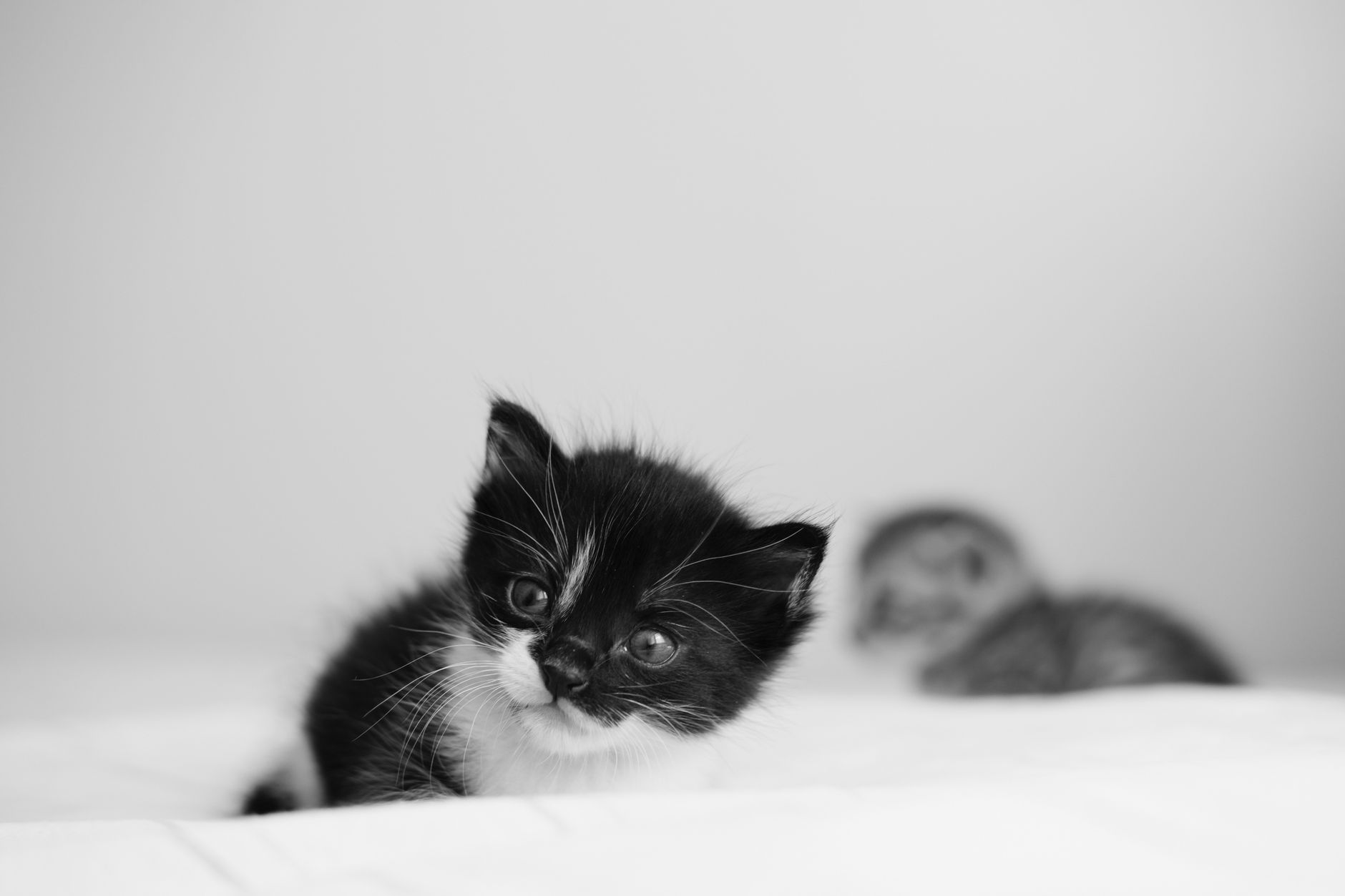
What Color Kittens Will a Black Cat Have? Decoding Feline Genetics
A black cat can have kittens of various colors, including black, grey (blue), tabby, tortoiseshell, and even calico, depending on the genes it carries and the genes of the father. The short answer to What color kittens will a black cat have? is that it’s a complex combination of genetics, but possibilities include black, grey, tabby, tortoiseshell, and even calico, influenced by the father’s genes as well.

Understanding Feline Coat Color Genetics
Unraveling the mystery of feline genetics is key to understanding what color kittens will a black cat have? The process isn’t as simple as one might think. It’s a beautiful dance of dominant and recessive genes determining the outward appearance (phenotype) of the kittens.
- Basic Colors: The foundation of feline coat color rests on two pigments: eumelanin (black) and pheomelanin (red/orange).
- Gene Interaction: Several genes interact to modify these basic colors, leading to a diverse palette of feline appearances.
The Role of Dominant and Recessive Genes

Genes come in pairs, and each parent contributes one copy of each gene to their offspring. Some genes are dominant, meaning their effect is seen even if only one copy is present. Other genes are recessive, meaning their effect is only visible if two copies are present.
- Black (B/b/b1): Black coat color is dominant. A cat needs at least one ‘B’ allele for a black coat. The ‘b’ and ‘b1’ alleles are recessive and code for chocolate and cinnamon respectively.
- Dilute Gene (D/d): The dilute gene modifies black to grey (blue) and red/orange to cream. ‘D’ is the dominant form (full color), and ‘d’ is the recessive form (dilute).
- Orange Gene (O/o): Located on the X chromosome, the orange gene is responsible for red/orange coloration. Females (XX) can be orange, black, or tortoiseshell. Males (XY) can only be orange or black.
The Influence of the Father Cat
The father cat’s genes play a crucial role in determining what color kittens will a black cat have? The father’s genetic contribution will mix with the mother cat’s, resulting in different coat colors for the kittens.
- Father’s Color: A red/orange father cat significantly increases the likelihood of orange kittens.
- Father’s Hidden Genes: Even if the father appears black, he may carry recessive genes for other colors, like tabby or dilute, which could be passed on to the kittens.
Tabby Patterns and Other Variations
Beyond basic colors, tabby patterns and other variations further complicate the prediction of kitten coat colors.
- Agouti Gene (A/a): The agouti gene determines whether a cat has a tabby pattern. ‘A’ is dominant (agouti/tabby), and ‘a’ is recessive (non-agouti/solid). A black cat may carry the recessive ‘a’ gene, allowing for tabby kittens if the father also carries it.
- White Spotting Gene (S/s): The white spotting gene determines the presence and extent of white markings. ‘S’ is dominant (white spotting), and ‘s’ is recessive (no white spotting).
- Colorpoint Gene (cs/cs): This gene is responsible for the colorpoint pattern seen in Siamese cats.
Predicting Kitten Colors: A Complex Equation
Predicting what color kittens will a black cat have? requires considering the genes of both parents. A Punnett square can be a helpful tool for visualizing the possible combinations of genes and predicting the likelihood of different coat colors. However, it’s just a prediction, and real-life results can sometimes surprise you!
Here is a simple table illustrating potential outcomes based on simplified scenarios:
| Mother’s Genes (Black Cat) | Father’s Genes | Possible Kitten Colors |
|---|---|---|
| BB (Homozygous Black) | BB (Homozygous Black) | Black |
| Bb (Heterozygous Black) | Bb (Heterozygous Black) | Black, Chocolate (if b is for chocolate) |
| Bb (Heterozygous Black) | bb (Homozygous Chocolate) | Black, Chocolate (if b is for chocolate) |
| BO (Black, Orange potential) | BO (Black, Orange potential) | Black, Orange, Tortoiseshell(if female), Calico (if female) |
| BbDd (Black, Chocolate carrier, Dilute carrier) | BbDd (Black, Chocolate carrier, Dilute carrier) | Black, Blue, Chocolate, Lilac, plus various combinations with Tabby and White |
It is important to note that coat determination is a complicated process with a high probability for diverse results.

Frequently Asked Questions (FAQs)
Will all the kittens from a black cat be black?
No, it’s highly unlikely that all kittens will be black. As explained above, the father’s genes and the mother’s recessive genes (like dilute or tabby) can result in kittens of various colors. The mother cat needs to pass on her dominant gene for black for the kittens to be black.
Can a black cat have orange kittens?
Yes, a black cat can have orange kittens, but only if she is a female carrying the orange gene on one of her X chromosomes and the father is orange or carries the orange gene. A male black cat cannot naturally produce orange kittens.
Is it possible for a black cat to have calico kittens?
Yes, but only if the black cat is female. Calico cats require two X chromosomes (XX) with different color genes (one for black, one for orange) plus a gene for white spotting. Male cats only have one X chromosome (XY) and therefore can’t be calico unless they have a rare chromosomal abnormality.
What does it mean if a black cat has kittens with stripes (tabby)?
It means the black cat carries the recessive agouti (‘a’) gene, which allows for the expression of tabby patterns. The father cat must also carry the agouti gene for the kittens to be tabby.
Can a black cat have kittens that are grey (blue)?
Yes. If the black cat carries the recessive dilute gene (‘d’), and the father cat also carries it, the kittens can be grey (blue). The dilute gene modifies black to grey.
How can I predict kitten colors more accurately?
The best way to predict kitten colors more accurately is to know the genetic background of both parents. Genetic testing can reveal the genes each cat carries, allowing for more precise predictions.
What happens if a black cat is crossed with a white cat?
Crossing a black cat with a white cat can result in kittens that are black, white, or black and white. The white spotting gene is dominant, so if either parent has the ‘S’ allele, the kittens may have white markings.
Does the breed of the cat affect kitten color possibilities?
Yes, certain breeds have specific color restrictions. For example, some breeds only come in specific colors, limiting the possible kitten colors. Other breeds are genetically predisposed to certain coat patterns.
Is it possible for a black cat to have chocolate or cinnamon kittens?
Yes, but it requires the black cat to carry the recessive genes for chocolate (‘b’) or cinnamon (‘b1’). If the father also carries the same recessive gene, the kittens could be chocolate or cinnamon.
What if a black cat has kittens with multiple different colors in the same litter?
This is perfectly normal! It simply means that both parents are heterozygous for several different color and pattern genes. The kittens inherit different combinations of these genes, resulting in a variety of coat colors and patterns.
Can environmental factors influence kitten coat color?
Generally no. Kitten coat color is almost exclusively determined by genetics. Temperature can affect coat color in some breeds, such as the Siamese, but this is rare and doesn’t generally affect basic colors like black or orange.
Are there any health conditions linked to specific coat colors in cats?
While not directly linked to color, some genetic traits responsible for coat colors are linked with health conditions. For example, white cats (especially those with blue eyes) have higher rates of deafness. These are indirect links based on shared genetic pathways rather than the color itself.