
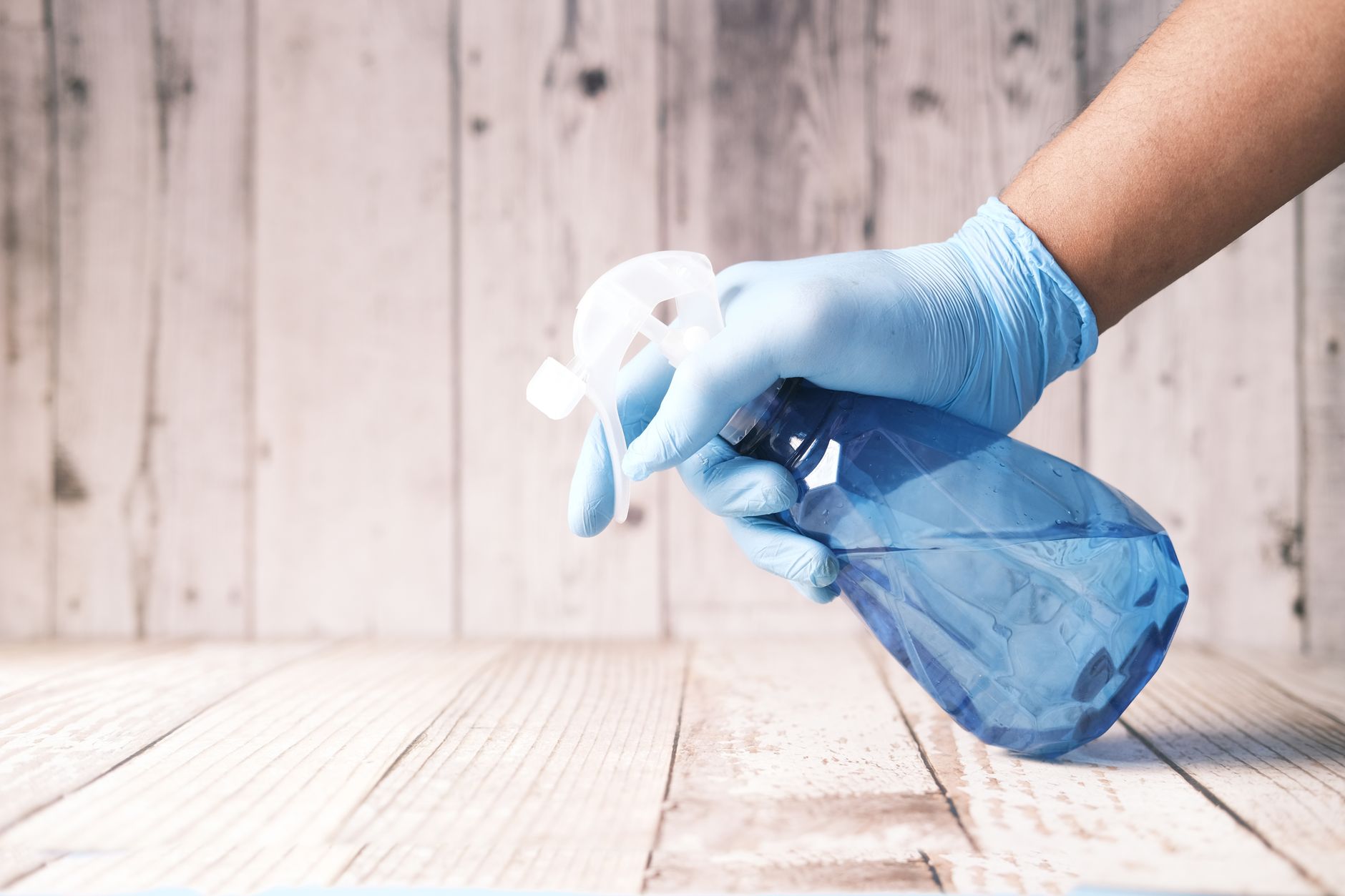
What Cleaners are Effective Against Giardia?
The most effective cleaners against Giardia cysts are those containing chlorine bleach and quaternary ammonium compounds (quats), used at the appropriate concentrations and contact times. These disinfectants can effectively inactivate Giardia and prevent the spread of giardiasis.
Understanding Giardia and Giardiasis
Giardia duodenalis (also known as Giardia intestinalis or Giardia lamblia) is a microscopic parasite that causes the diarrheal illness known as giardiasis. This infection is common worldwide, especially in areas with poor sanitation. Understanding how Giardia spreads is crucial for effective prevention and disinfection.
- Transmission: Giardiasis is typically spread through the fecal-oral route. This means the parasite enters the body through contaminated food or water, or by direct contact with surfaces contaminated with infected feces.
- Risk Factors: Travelers to areas with poor sanitation, people in childcare settings, those who drink untreated water, and individuals with weakened immune systems are at higher risk of giardiasis.
The Challenge of Inactivating Giardia Cysts

Giardia exists in two forms: trophozoites and cysts. The trophozoite is the active, feeding form within the host. The cyst, however, is a dormant, resistant form that allows the parasite to survive outside the host. Giardia cysts are particularly resilient to many common disinfectants, making effective cleaning strategies essential.
- Cyst Structure: The cyst wall protects the parasite from environmental stressors, including some chemical disinfectants.
- Environmental Persistence: Giardia cysts can survive in cold water for several months, making water treatment and disinfection critical.
Effective Cleaners Against Giardia
What cleaners are effective against Giardia? Not all cleaning products are created equal when it comes to tackling Giardia. Certain disinfectants are more effective at inactivating Giardia cysts than others.
- Chlorine Bleach: Chlorine bleach, when used correctly, is one of the most effective disinfectants against Giardia. A concentration of at least 1 part bleach to 32 parts water (approximately 1.5 cups of bleach per gallon of water) is typically recommended. A contact time of at least 10 minutes is crucial.
- Quaternary Ammonium Compounds (Quats): Quaternary ammonium compounds (Quats) are another class of disinfectants that can be effective against Giardia. However, not all Quat-based products are equally effective. Look for products specifically labeled for use against Giardia or Giardia lamblia. Follow the manufacturer’s instructions for dilution and contact time.
- Steam Cleaning: High-temperature steam cleaning can be effective in inactivating Giardia on surfaces. The steam must reach a temperature of at least 70°C (158°F) for several minutes to kill the cysts.
- Boiling Water: Boiling water is highly effective for disinfecting water contaminated with Giardia. Bring water to a rolling boil for at least one minute (or three minutes at higher altitudes).
Application and Best Practices
To ensure effective disinfection, proper application techniques are essential.
- Pre-Cleaning: Before applying any disinfectant, thoroughly clean the surface to remove dirt, grease, and other organic matter. This allows the disinfectant to reach the Giardia cysts more effectively.
- Contact Time: Adhere to the recommended contact time specified on the product label. This is the amount of time the disinfectant must remain on the surface to effectively kill the parasite.
- Ventilation: Ensure adequate ventilation when using chemical disinfectants.
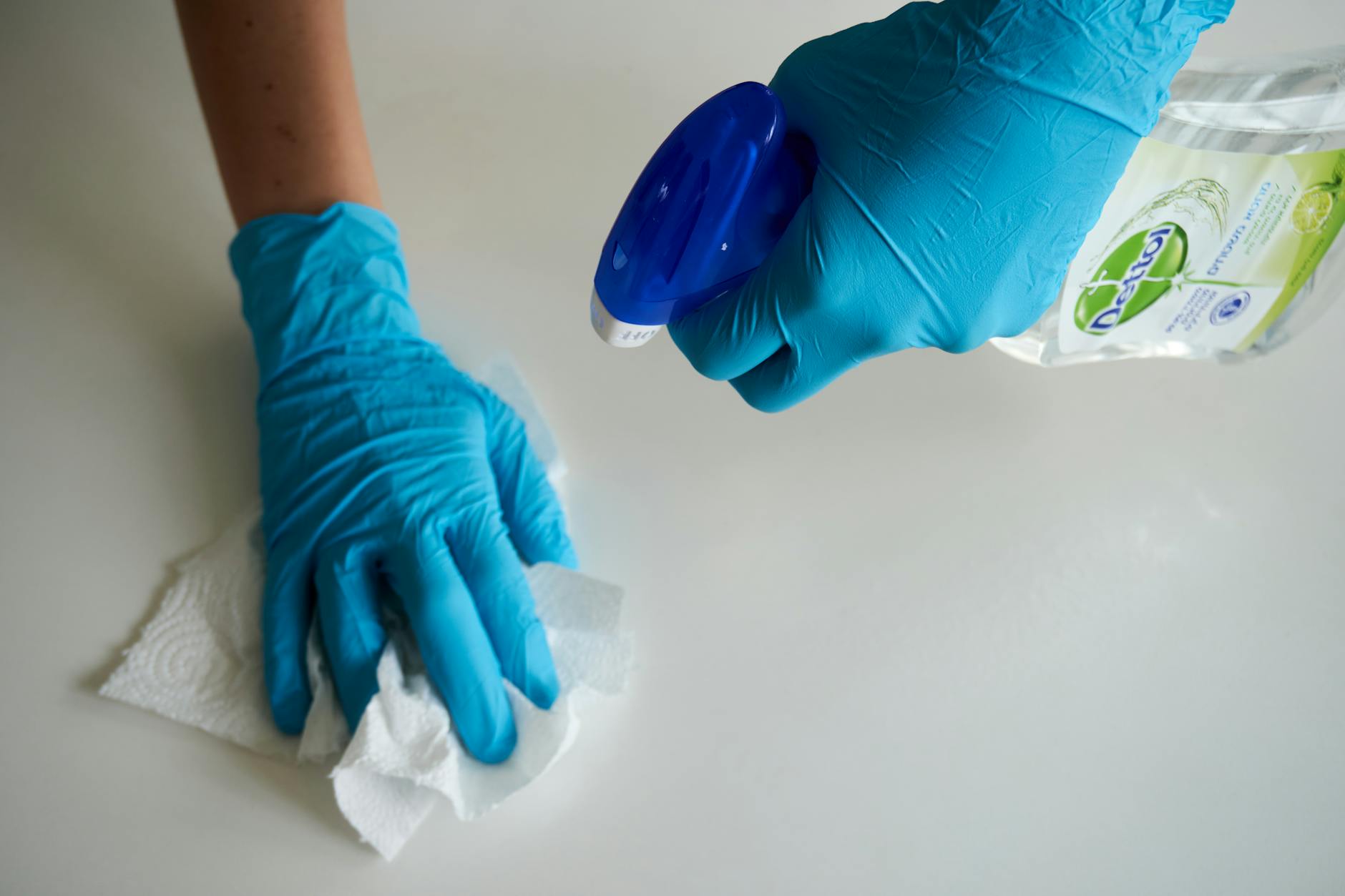
- Personal Protective Equipment (PPE): Wear appropriate PPE, such as gloves and eye protection, to protect yourself from chemical exposure.
Common Mistakes to Avoid
Many people make common mistakes that reduce the effectiveness of disinfection efforts.
- Insufficient Concentration: Using a disinfectant at too low a concentration can render it ineffective.
- Inadequate Contact Time: Rinsing the disinfectant before the recommended contact time has elapsed.
- Ignoring Pre-Cleaning: Applying disinfectant to a dirty surface.
- Using Expired Products: Expired disinfectants may lose their potency.
Comparing Disinfectants:
| Disinfectant | Effectiveness | Advantages | Disadvantages |
|---|---|---|---|
| Chlorine Bleach | High | Inexpensive, readily available, broad spectrum | Can be corrosive, irritating to skin and lungs, can discolor fabrics |
| Quaternary Ammonium Compounds | Variable (check label) | Less corrosive than bleach, can be used on a wider range of surfaces | Some formulations are not effective against Giardia, can be inactivated by organic matter |
| Steam Cleaning | Effective at high temperatures | Environmentally friendly, no chemical residue | Requires specialized equipment, may not be suitable for all surfaces |
| Boiling Water (for water only) | Highly effective | Simple, no chemicals needed | Only applicable for water disinfection |
Preventing Giardiasis
While effective cleaning is crucial, prevention plays a vital role in controlling the spread of Giardia.
- Handwashing: Wash hands thoroughly and frequently with soap and water, especially after using the toilet, changing diapers, and before preparing food.
- Safe Water Practices: Drink bottled water, boil water, or use a water filter designed to remove Giardia cysts when traveling or in areas with questionable water quality.
- Food Safety: Wash fruits and vegetables thoroughly before eating. Cook food to safe internal temperatures.
- Avoid Swallowing Water: Avoid swallowing water when swimming in lakes, rivers, or pools.
Frequently Asked Questions (FAQs)
Can hand sanitizer kill Giardia?
No, hand sanitizer is not reliably effective against Giardia cysts. While hand sanitizers are useful for killing many bacteria and viruses, Giardia’s resilient cysts require a stronger disinfectant or thorough handwashing with soap and water. Always prioritize soap and water for hand hygiene, especially after potential exposure to Giardia.
Is vinegar effective against Giardia?
Vinegar is not considered an effective disinfectant against Giardia cysts. While it has some antimicrobial properties, it doesn’t reliably inactivate the parasite. Stick to proven disinfectants like chlorine bleach or quaternary ammonium compounds specifically labeled for use against Giardia.
How long can Giardia survive on surfaces?
Giardia cysts can survive for extended periods on surfaces, especially in cool, moist environments. They can survive for weeks or even months, particularly in water or on damp surfaces. This highlights the importance of thorough and regular disinfection of surfaces, especially in areas where giardiasis is common or suspected.
Can I use a pressure washer to clean surfaces contaminated with Giardia?
While pressure washers can help remove dirt and debris, they are not sufficient for inactivating Giardia cysts. Pressure washing may help in the pre-cleaning process, but it should be followed by the application of an appropriate disinfectant to kill the parasite.
Are there any natural cleaners that work against Giardia?
While some natural cleaners may have antimicrobial properties, few have been proven effective against Giardia cysts. Chlorine bleach and quaternary ammonium compounds remain the most reliable options for disinfection. If considering a natural cleaner, research its effectiveness against Giardia thoroughly and ensure it is specifically labeled for that purpose.
How often should I disinfect surfaces if someone in my household has Giardiasis?
During a giardiasis outbreak, disinfect frequently touched surfaces such as bathroom fixtures, kitchen counters, toys, and doorknobs at least once a day, or even more frequently if possible. Continue this practice until the infected individual is symptom-free for at least 48 hours.
Is Giardia more common in certain climates?
Giardia is found worldwide, but it is more prevalent in areas with poor sanitation and hygiene. Outbreaks are more common in warm weather due to increased recreational water activities and potentially warmer temperatures, which can aid in parasite survival. Controlling water quality and promoting hygiene is crucial in these regions.
Can my pet get Giardia and spread it to humans?
Yes, pets, especially dogs and cats, can contract Giardia and potentially transmit it to humans. It’s essential to practice good hygiene when handling pets and their feces, and to seek veterinary care if your pet exhibits symptoms of giardiasis. Certain strains of Giardia are more likely to infect humans than others, but cross-species transmission is possible.
How can I prevent Giardia in drinking water?
To prevent Giardia in drinking water, use a water filter that is certified to remove Giardia cysts, or boil water for at least one minute (three minutes at higher altitudes). Public water systems are typically treated to remove Giardia, but private wells and untreated water sources require extra precautions.
What are the symptoms of Giardiasis?
Common symptoms of giardiasis include diarrhea, gas, abdominal cramps, nausea, and vomiting. Some people may experience no symptoms at all. Symptoms typically appear 1-3 weeks after infection and can last for several weeks. Seek medical attention if you suspect you have giardiasis.
Is there a vaccine for Giardia?
Currently, there is no human vaccine available for Giardia. Research is ongoing, but preventative measures such as safe water practices, handwashing, and effective disinfection remain the primary means of preventing giardiasis.
Can Giardia be eradicated from my home or business?
While it may be challenging to completely eradicate Giardia from a home or business, consistent and thorough cleaning and disinfection can significantly reduce the risk of transmission. Focus on high-touch surfaces and areas prone to contamination, and follow the recommended guidelines for disinfectant use. Consistent implementation is critical in the effort to what cleaners are effective against Giardia? in any environment.