
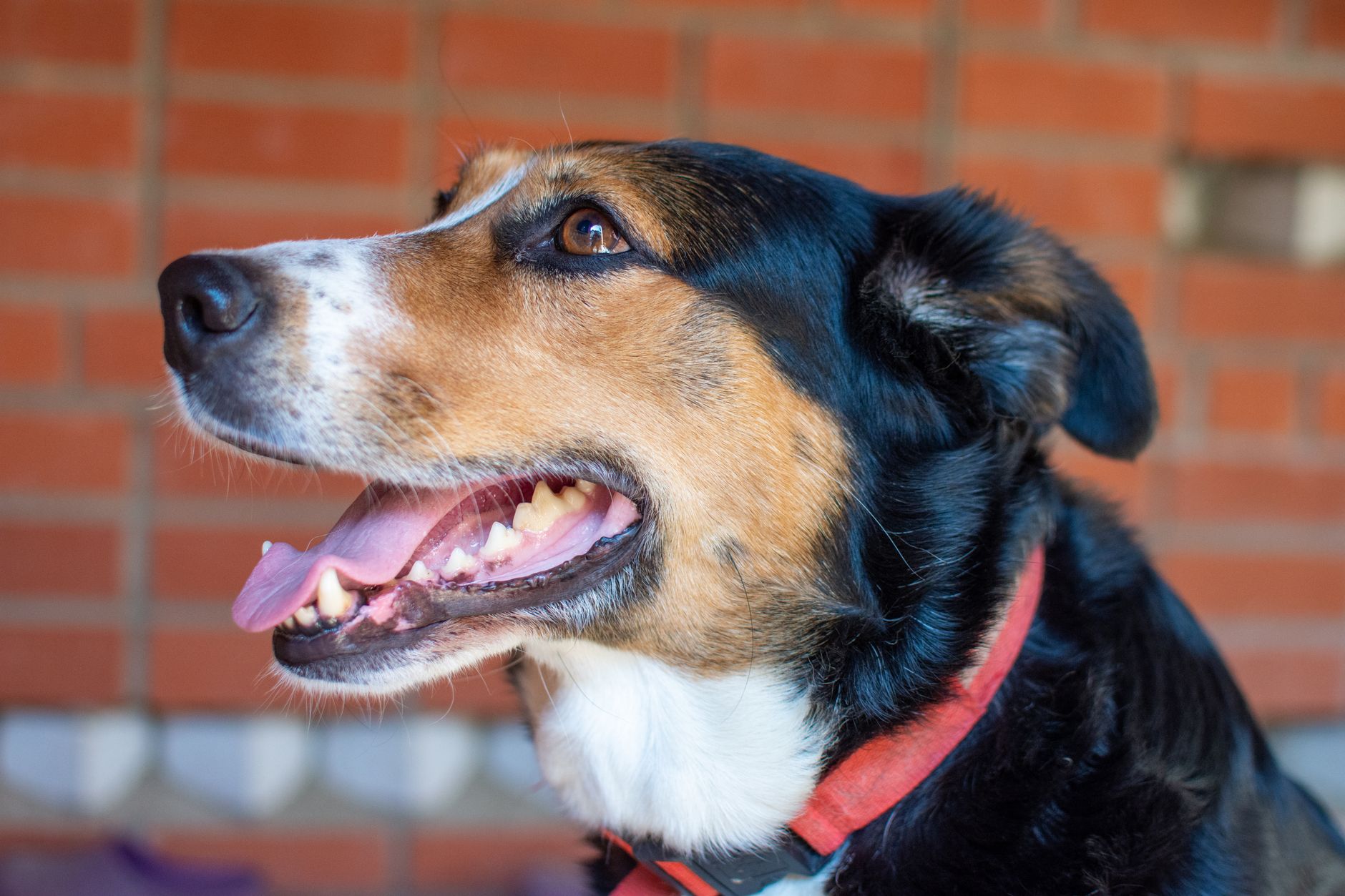
What to Do for an Elderly Dog with Bad Teeth: Restoring Comfort and Quality of Life
Dealing with bad teeth in an elderly dog requires a multi-faceted approach. The goal is to alleviate pain, prevent further damage, and maintain overall health through professional veterinary care, at-home strategies like diet modification and oral hygiene practices, and potentially medication.

Introduction: The Silent Suffering of Canine Dental Disease
As dogs age, their teeth, like ours, become more susceptible to problems. Dental disease, also known as periodontal disease, is incredibly common in older dogs, often affecting a significant majority. It isn’t merely a cosmetic issue; it’s a source of chronic pain, can impact appetite and overall health, and even lead to heart, kidney, or liver complications due to bacteria entering the bloodstream. Understanding the severity of the issue is the first step in addressing what can you do for an elderly dog with bad teeth?
Recognizing the Signs of Dental Problems

Detecting dental disease early is crucial for effective management. While some dogs may obviously display symptoms like pawing at their face or difficulty eating, others might mask their discomfort. Common signs to watch for include:
- Bad breath (halitosis): This is often the first and most noticeable sign.
- Red, swollen, or bleeding gums (gingivitis): Indicates inflammation and infection.
- Loose or missing teeth: Advanced periodontal disease often leads to tooth loss.
- Difficulty chewing or dropping food: Pain can make eating uncomfortable.
- Excessive drooling: Can be a sign of discomfort or inflammation.
- Decreased appetite: Pain can reduce a dog’s desire to eat.
- Pawing at the mouth or face: A sign of irritation or pain.
- Changes in behavior, such as irritability: Chronic pain can affect temperament.
- Nasal discharge: Indicates oro-nasal fistula
The Importance of Veterinary Dental Care
A thorough veterinary examination is the foundation of any treatment plan. A veterinarian can assess the severity of the dental disease, determine the extent of damage, and recommend appropriate interventions. Key aspects of veterinary care include:
- Comprehensive Oral Exam: A visual inspection of the teeth and gums, often requiring sedation or anesthesia for a complete evaluation.
- Dental X-rays: Essential for assessing the bone and tooth roots below the gum line, which are not visible during a visual exam.
- Professional Dental Cleaning (Prophylaxis): This involves scaling and polishing the teeth to remove plaque and tartar buildup, both above and below the gum line, done under general anesthesia.
- Tooth Extraction: Severely damaged or infected teeth may need to be extracted to alleviate pain and prevent further complications.
- Pain Management: Medications, such as nonsteroidal anti-inflammatory drugs (NSAIDs) or opioids, may be prescribed to manage pain.
At-Home Strategies for Maintaining Dental Health
Alongside veterinary care, home dental care plays a vital role in managing bad teeth in elderly dogs. Here are some strategies:
- Tooth Brushing: Ideally, daily brushing with a dog-specific toothbrush and toothpaste (never human toothpaste, which can be toxic).
- Dental Chews: Offer vet-approved dental chews that help reduce plaque and tartar buildup. Choose chews appropriate for your dog’s size and chewing habits.
- Dental Diets: Consider a prescription dental diet formulated to mechanically clean teeth as the dog chews.
- Water Additives: Some water additives contain ingredients that help fight bacteria and reduce plaque.
- Regular Oral Exams at Home: Even with professional cleanings, regularly inspect your dog’s mouth for any changes or signs of problems.
Diet Modification for Dogs with Dental Issues
Adjusting your dog’s diet can also make a significant difference in their comfort and ability to eat. Consider these modifications:
- Soft Food: If your dog has difficulty chewing, switch to softened kibble or canned food. You can moisten dry kibble with water or broth.
- Smaller Meals: Offer smaller, more frequent meals to reduce the effort required to eat.
- Avoid Hard Treats: Eliminate hard bones or treats that could further damage their teeth.
Potential Complications of Untreated Dental Disease
Ignoring dental problems in elderly dogs can have serious consequences. Here are some potential complications:
- Chronic Pain: Persistent pain can significantly impact a dog’s quality of life.
- Tooth Loss: Advanced periodontal disease can lead to tooth loss, making it difficult to eat.
- Systemic Infections: Bacteria from the mouth can enter the bloodstream and affect organs such as the heart, kidneys, and liver.
- Jaw Fractures: In severe cases, weakened jaw bones can be susceptible to fractures.
- Nasal Infections: Upper tooth root abscesses can erode into the nasal passages leading to chronic nasal discharge.
What to Expect After a Dental Cleaning
Following a dental cleaning, your veterinarian will provide specific post-operative instructions. Generally, you can expect:
- Pain Medication: To manage any discomfort.
- Soft Food: For a few days to allow the gums to heal.
- Restricted Activity: Avoid strenuous activity to prevent bleeding.
- Follow-up Appointment: To monitor healing and assess the effectiveness of the treatment.
It’s crucial to adhere to these instructions to ensure a smooth recovery and minimize the risk of complications.
The Role of Supplements in Supporting Oral Health
While supplements are not a substitute for professional dental care, some may offer additional support. Look for products containing ingredients like:
- Coenzyme Q10 (CoQ10): An antioxidant that supports gum health.
- Omega-3 Fatty Acids: Help reduce inflammation.
- Probiotics: Can promote a healthy balance of oral bacteria.
Always consult with your veterinarian before starting any new supplements.
Common Mistakes Owners Make
Many owners unknowingly make mistakes that can worsen their dog’s dental problems. Common errors include:
- Neglecting Dental Care: The most common mistake is simply not providing regular dental care.
- Using Human Toothpaste: Human toothpaste contains ingredients that are toxic to dogs.
- Giving Inappropriate Chews: Providing hard bones or chews that can damage teeth.
- Ignoring Signs of Dental Disease: Failing to recognize or address early signs of dental problems.
- Delaying Veterinary Care: Waiting too long to seek professional veterinary care can allow dental disease to progress.
By avoiding these mistakes, you can significantly improve your dog’s oral health.
Cost Considerations
The cost of dental care for elderly dogs can vary depending on the severity of the disease, the type of treatment required, and the location of the veterinary clinic. Be prepared for potential expenses, including:
- Dental Examination: The initial consultation and examination fee.
- Dental X-rays: To assess the teeth and bone structure.
- Anesthesia: Necessary for professional dental cleaning and extractions.
- Dental Cleaning (Prophylaxis): Scaling, polishing, and other cleaning procedures.
- Extractions: The cost per tooth extraction.
- Medications: Pain medications and antibiotics, if needed.
Discuss the estimated costs with your veterinarian beforehand and explore payment options if necessary.
The Ultimate Goal: Improving Quality of Life
Ultimately, what can you do for an elderly dog with bad teeth? is about improving their quality of life. By providing comprehensive dental care, managing pain, and adapting their diet, you can help your senior dog live a happier, healthier, and more comfortable life.

Frequently Asked Questions (FAQs)
Can I clean my dog’s teeth without anesthesia?
While some groomers or services offer “anesthesia-free” dental cleanings, they are generally not recommended by veterinarians. They can only remove tartar above the gum line, leaving harmful bacteria and disease-causing agents untouched beneath the gums, where the real damage occurs. A proper dental cleaning requires anesthesia to allow for thorough scaling and examination, including dental x-rays.
Is it too late to start dental care for my very old dog?
It’s never too late to start improving your dog’s dental health. Even for very old dogs, addressing dental pain and infection can significantly improve their comfort and quality of life. A veterinarian can assess their overall health and determine the safest and most appropriate treatment plan.
What kind of toothpaste should I use for my dog?
You should only use toothpaste specifically formulated for dogs. Human toothpaste contains fluoride and xylitol, which are toxic to dogs if ingested. Dog toothpaste comes in various flavors that are appealing to dogs and are safe to swallow.
How often should my dog have a professional dental cleaning?
The frequency of professional dental cleanings depends on your dog’s individual needs and the severity of their dental disease. Some dogs may need cleanings every six months, while others can go a year or more between cleanings. Your veterinarian can recommend the best schedule for your dog.
Are dental chews really effective?
Vet-approved dental chews can be effective in reducing plaque and tartar buildup, but they are not a substitute for regular tooth brushing and professional dental cleanings. Choose chews that are appropriately sized for your dog and made from safe, digestible materials.
What if my dog won’t let me brush their teeth?
If your dog resists tooth brushing, start slowly and gradually introduce them to the process. Begin by simply touching their mouth and teeth, then gradually introduce a toothbrush and toothpaste. Reward them with praise and treats for cooperation. If they still resist, consider alternative methods, such as dental wipes or water additives, in conjunction with more frequent professional cleanings.
Can dental disease affect my dog’s heart?
Yes, dental disease can affect your dog’s heart. Bacteria from the mouth can enter the bloodstream and travel to other organs, including the heart, where they can cause inflammation and damage. This can lead to a condition called endocarditis.
My dog has bad breath, but seems fine otherwise. Should I still be concerned?
Bad breath is often the first sign of dental disease, even if your dog seems otherwise healthy. It’s essential to consult with your veterinarian to rule out any underlying dental problems.
What are the alternatives to tooth extraction?
While tooth extraction is often the best option for severely damaged or infected teeth, some alternatives may be considered in certain cases, such as root canal therapy or crowns. However, these procedures are often more expensive and require specialized veterinary care.
How can I prevent dental disease in my puppy so they don’t develop bad teeth when old?
Starting good oral hygiene habits early is crucial for preventing dental disease. Brush your puppy’s teeth daily with dog-specific toothpaste, offer appropriate dental chews, and schedule regular veterinary dental checkups. Early intervention can significantly reduce the risk of developing bad teeth later in life.
Are senior-specific dog foods beneficial for dental health?
Some senior-specific dog foods are formulated with larger kibble sizes or special textures that help clean teeth as the dog chews. These diets can be beneficial for maintaining dental health in elderly dogs, but they should not be the sole method of dental care.
What are the signs of an oral tumor in an elderly dog?
Signs of oral tumors in elderly dogs can include swelling in the mouth, bleeding gums, difficulty eating, drooling, and bad breath. If you notice any of these signs, it’s essential to consult with your veterinarian promptly for diagnosis and treatment. Oral tumors can be serious and require timely intervention.