
What Breed of Rabbit is the Healthiest?
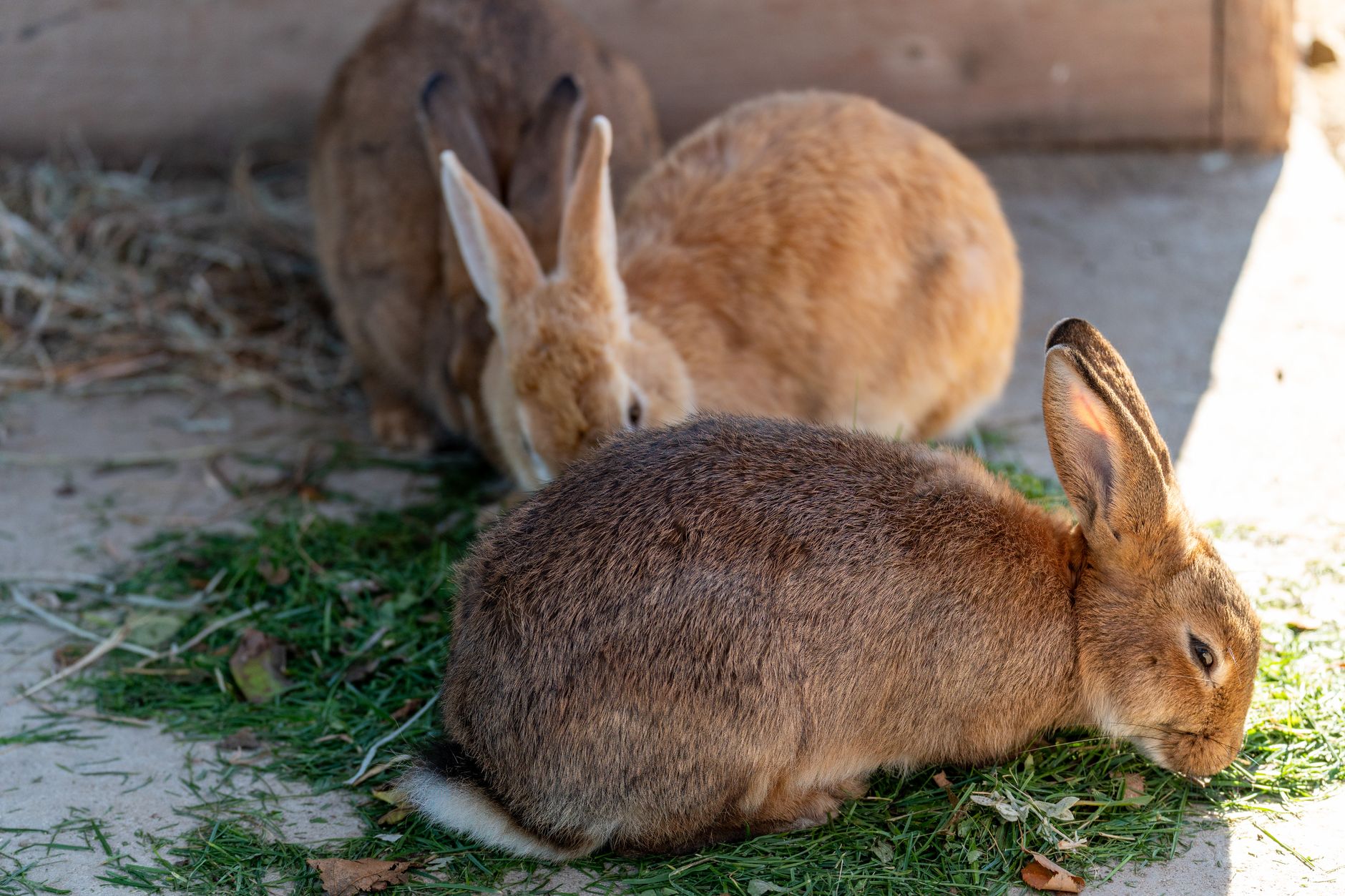
While there isn’t one single breed that definitively holds the title of “healthiest,” the mixed breed rabbit, also known as a ‘mutt’ rabbit, often boasts superior health due to hybrid vigor. This genetic diversity provides a broader resilience against breed-specific health problems.
The Allure of the Mutt: Understanding Hybrid Vigor
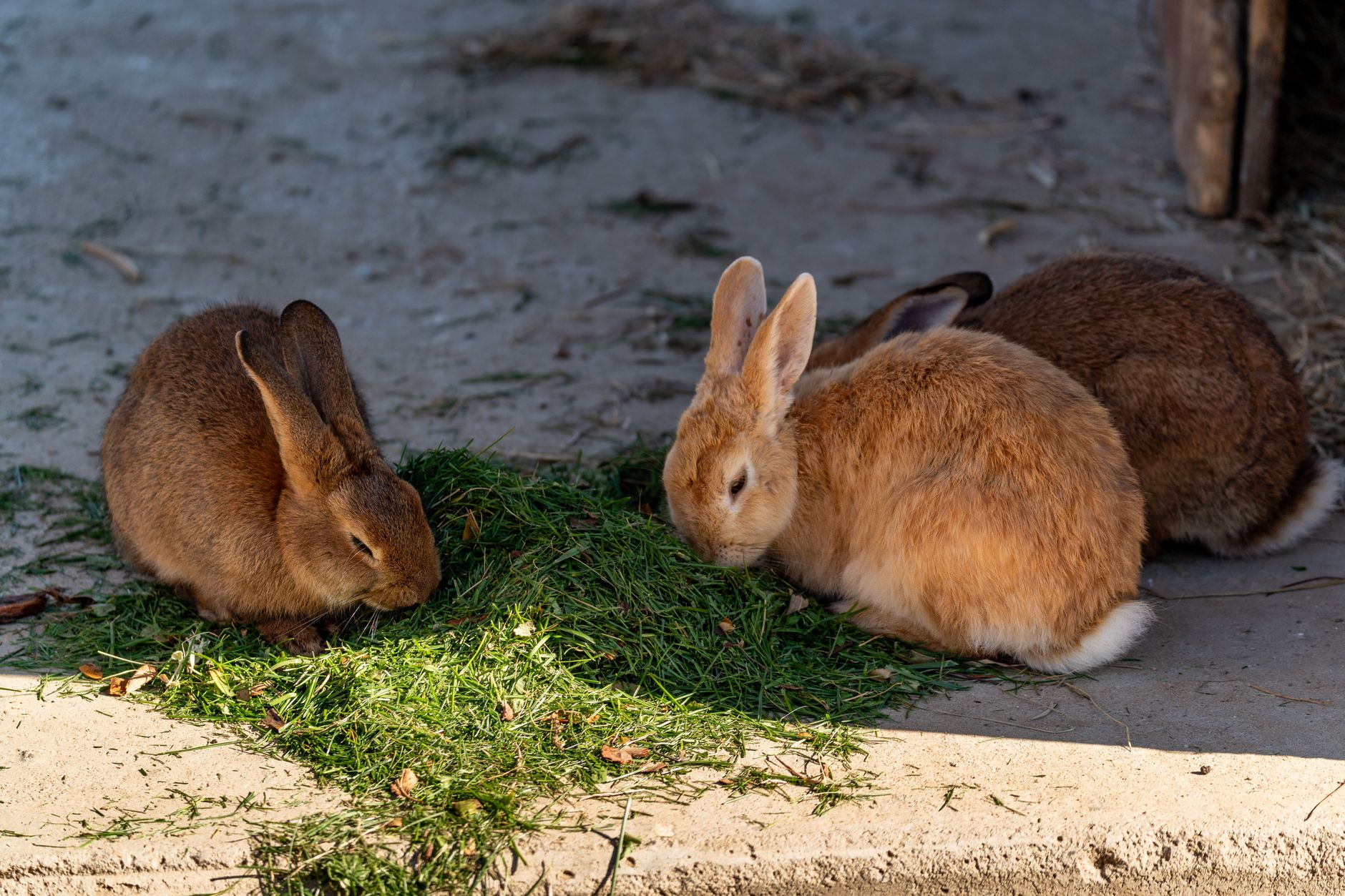
The question, What breed of rabbit is the healthiest?, is more complex than it appears. Breed-specific characteristics often correlate with predispositions to particular ailments. Purebred rabbits, while possessing predictable traits, can suffer from a reduced gene pool, making them more susceptible to inherited health problems. This is where the beauty of the mixed breed rabbit shines.
Hybrid vigor, also known as heterosis, describes the phenomenon where offspring of crosses between different breeds exhibit traits that are superior to those of either parent. In rabbits, this translates to increased resistance to disease, greater adaptability to different environments, and often, a longer lifespan.
Think of it like this: Each purebred rabbit carries a set of genetic ‘instructions.’ Some of these instructions might contain a slight error, a predisposition to a certain illness. When two different breeds are mixed, the ‘instruction manuals’ are combined, and the healthy instructions from one breed can often override the weaker instructions from the other.
Factors Beyond Breed: Environment and Care
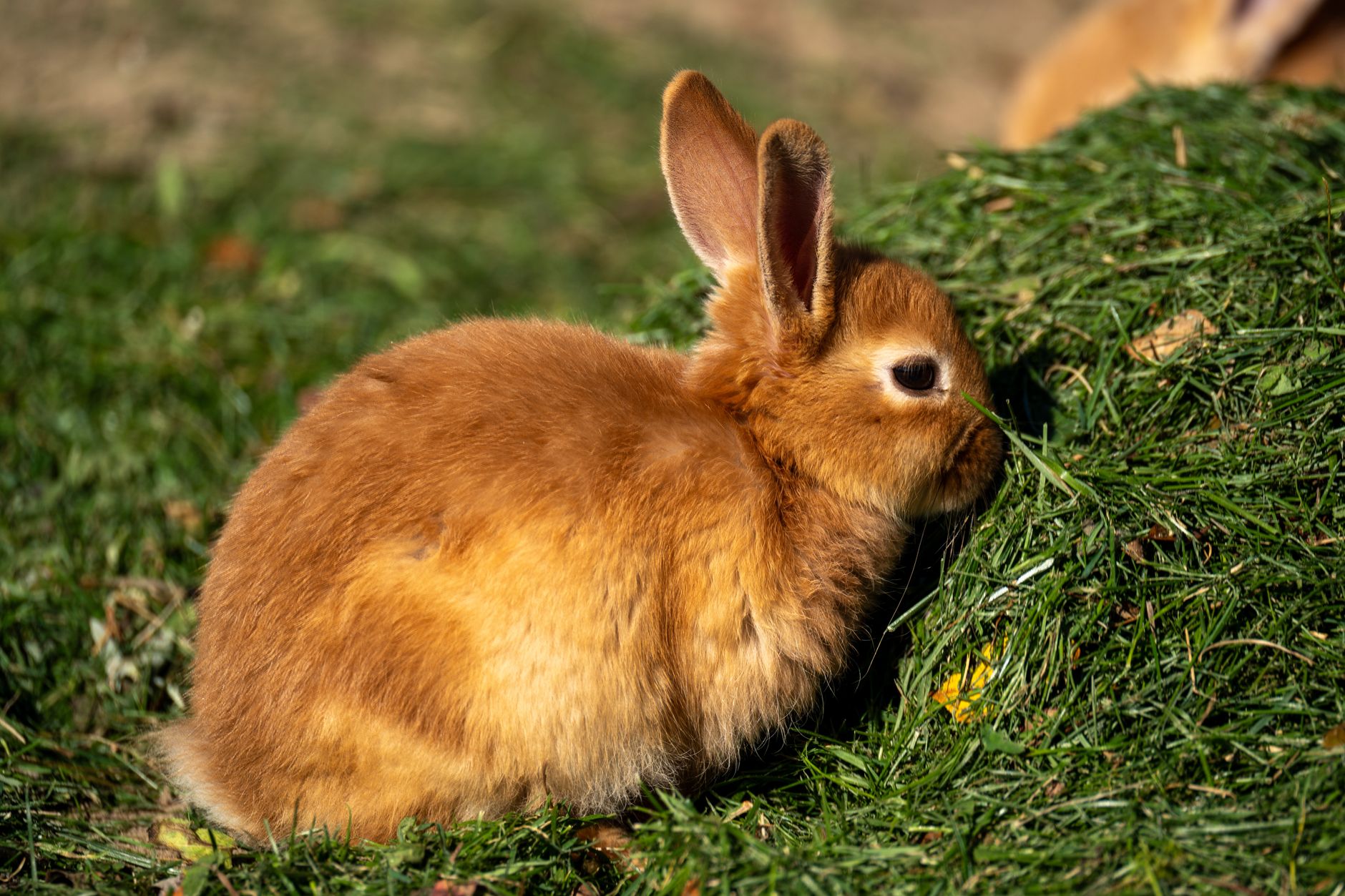
It’s crucial to understand that a rabbit’s breed is only one piece of the puzzle. A well-cared-for purebred rabbit can easily outlive and outperform a neglected mixed breed. Key factors influencing a rabbit’s health include:
- Diet: A diet consisting primarily of high-quality timothy hay, supplemented with fresh vegetables and a limited amount of pellets, is essential. Avoid sugary treats and excessive carbohydrates.
- Housing: Provide a spacious and clean enclosure with solid flooring. Wire-bottom cages can cause sore hocks.
- Exercise: Rabbits need ample opportunity to hop, run, and explore. Daily exercise is crucial for both physical and mental well-being.
- Veterinary Care: Regular check-ups with a rabbit-savvy veterinarian are vital for early detection and treatment of potential health problems. Spaying or neutering is highly recommended.
- Socialization: Rabbits are social animals and thrive with companionship. Consider adopting a pair of rabbits, provided they are properly bonded.
Breed-Specific Health Concerns: A Cautionary Tale
While mixed breeds often enjoy better overall health, it’s essential to be aware of the health concerns associated with specific purebreds. Some common examples include:
| Breed | Common Health Concerns |
|---|---|
| English Lop | Dental problems, ear infections |
| Rex | Sore hocks (ulcerative pododermatitis) |
| Dutch | Dental disease, glaucoma |
| French Angora | Wool block (due to ingesting their own fur), respiratory issues |
| Giant breeds | Arthritis, heart problems |
This is not to say that these breeds are inherently unhealthy, but prospective owners should be aware of these potential problems and take proactive steps to prevent them. Knowing the parentage of your rabbit, even if it’s mixed, can help you anticipate and prepare for potential health issues.
Identifying Potential Health Problems
Regardless of breed, it’s crucial to be vigilant about your rabbit’s health. Common signs of illness in rabbits include:
- Loss of appetite
- Lethargy
- Diarrhea or constipation
- Nasal or eye discharge
- Head tilt
- Changes in litter box habits
- Difficulty breathing
- Lumps or bumps
If you notice any of these symptoms, seek veterinary attention immediately. Early intervention is often key to a successful outcome.
Frequently Asked Questions (FAQs)
What exactly is a ‘mutt’ rabbit?
A ‘mutt’ rabbit, or mixed breed rabbit, is a rabbit whose parentage is unknown or a deliberate mix of two or more distinct breeds. This diverse genetic background is what often contributes to their enhanced resilience and overall health.
Are purebred rabbits always unhealthy?
No, purebred rabbits are not inherently unhealthy. Many purebred rabbits live long and happy lives. However, they are often more prone to specific genetic health problems compared to mixed breeds due to a smaller gene pool. Responsible breeders take great care to breed healthy rabbits and screen for genetic diseases.
If I want a purebred rabbit, what should I look for?
If you’re set on a purebred rabbit, research the breed thoroughly to understand its common health concerns. Seek out a reputable breeder who prioritizes health and temperament. Ask about the health history of the parents and grandparents, and be prepared to provide the specific care required for that breed.
How does spaying or neutering contribute to a rabbit’s health?
Spaying or neutering significantly reduces the risk of several health problems in rabbits. In females, it eliminates the risk of uterine cancer, which is extremely common in unspayed female rabbits. In males, it reduces the risk of testicular cancer and prostate problems. Additionally, it can reduce aggressive behaviors and make rabbits easier to litter train. This is an important part of preventative care.
What is the ideal diet for a rabbit’s health?
The cornerstone of a healthy rabbit diet is high-quality timothy hay, which should make up about 80% of their diet. This promotes good dental health and proper digestion. Supplement with fresh, leafy green vegetables (about 1 cup per 2 lbs of body weight) and a small amount of high-fiber, low-sugar rabbit pellets (about 1/4 cup per 6 lbs of body weight). Avoid sugary treats and excessive carbohydrates.
How often should I take my rabbit to the vet?
Adult rabbits should have a check-up at least once a year. Senior rabbits (over 6 years old) may benefit from more frequent visits, such as every six months, to monitor for age-related health problems.
Can rabbits get vaccinated?
In some regions, vaccinations are available for certain rabbit diseases, such as myxomatosis and rabbit hemorrhagic disease (RHD). Consult with your veterinarian to determine which vaccinations are recommended for your area.
What are sore hocks and how can I prevent them?
Sore hocks (ulcerative pododermatitis) are painful sores that develop on the bottom of a rabbit’s feet. They are more common in rabbits with thin fur on their hocks, those who are overweight, or those housed on wire-bottom cages. Prevention involves providing soft bedding, maintaining a healthy weight, and ensuring proper cage hygiene.
What are the signs of dental disease in rabbits?
Signs of dental disease in rabbits can include drooling, weight loss, decreased appetite, pawing at the face, and visible spurs on the teeth. Early detection and treatment by a veterinarian are crucial to prevent further complications.
How important is exercise for rabbit health?
Exercise is extremely important for a rabbit’s physical and mental well-being. Rabbits need ample opportunity to hop, run, and explore. Lack of exercise can lead to obesity, muscle weakness, and boredom, which can manifest as destructive behaviors.
Is it okay to keep a rabbit alone?
Rabbits are social animals and generally thrive with companionship. Keeping a single rabbit can lead to loneliness and depression. If you cannot adopt a pair of rabbits, provide plenty of attention, enrichment, and interaction to meet your rabbit’s social needs. Consider getting them a friend to bond with!
What breed of rabbit is the healthiest choice for first-time owners?
While mixed breeds are often a healthier option, for first-time owners, a smaller, more docile purebred such as a Dutch or a Mini Rex rabbit can be a good choice, provided you’re committed to understanding their specific needs and providing proper care. Remember, what breed of rabbit is the healthiest? is secondary to how you care for your rabbit.