

What Bird Eats the Most Food?: Unveiling the Gluttonous Champion
The bird that likely consumes the most food, relative to its size, is the hummingbird. These tiny, energetic creatures are forced to constantly feed in order to maintain their incredibly high metabolism.

Introduction: The Insatiable Appetites of Birds
The avian world is a tapestry of diverse feeding habits, ranging from the meticulous seed-picking of finches to the scavenging prowess of vultures. But when we ask, “What bird eats the most food?,” we’re not simply looking for which bird consumes the largest volume of food. Instead, we are interested in identifying the bird with the highest food consumption relative to its body mass. This metric reveals the truly gluttonous champions of the avian kingdom, those whose survival hinges on a near-constant influx of energy. Understanding these exceptional dietary needs offers insights into avian physiology, ecology, and the delicate balance of energy expenditure within ecosystems.
Hummingbirds: Metabolic Marvels and Nectar Junkies
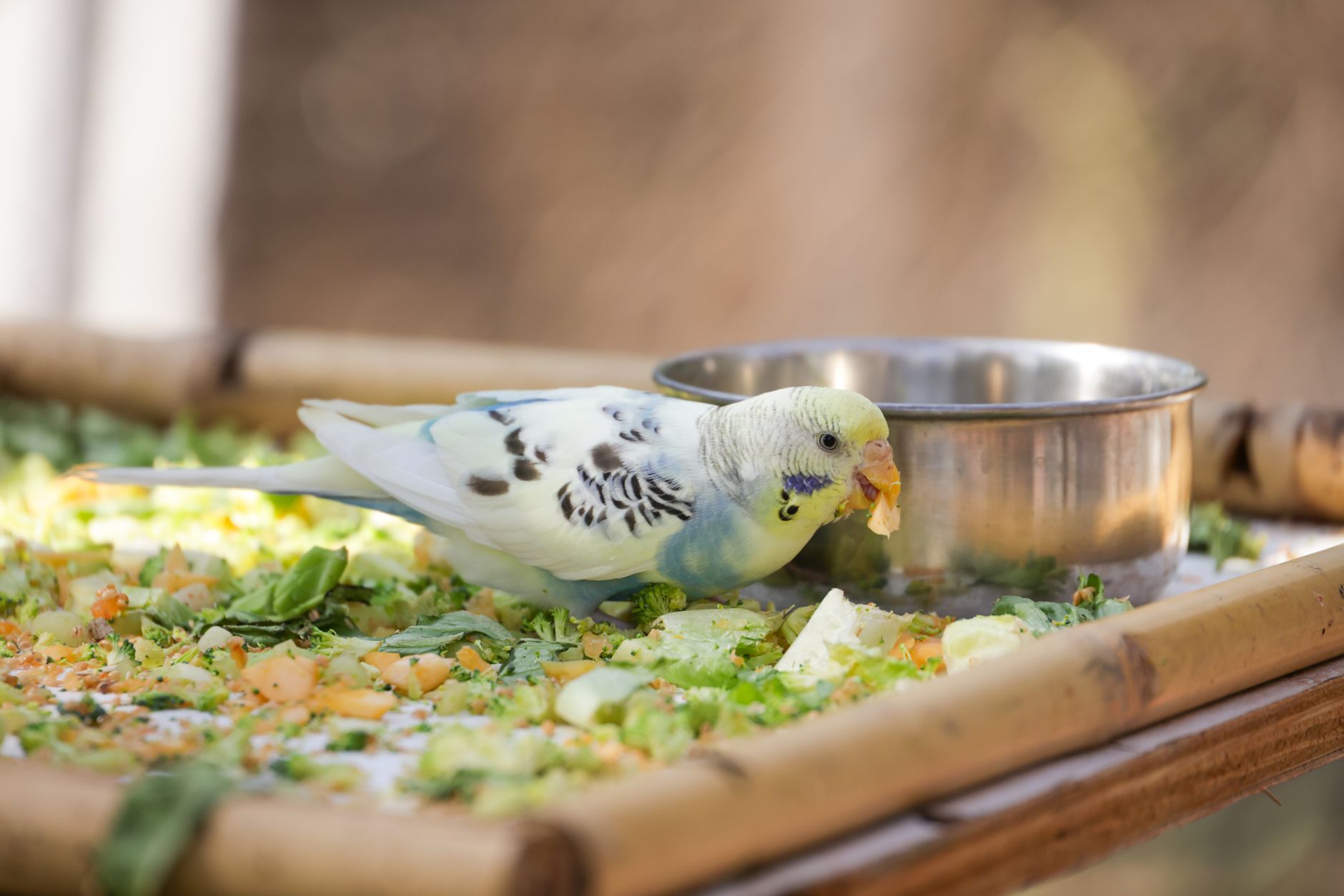
Hummingbirds, belonging to the family Trochilidae, are small, vibrantly colored birds known for their incredible ability to hover in mid-air and their exclusive reliance on nectar as a primary food source. This seemingly simple diet belies a complex physiological adaptation to an incredibly demanding energy expenditure.
- High Metabolism: Hummingbirds possess the highest metabolism of any warm-blooded animal. Their heart rates can exceed 1,200 beats per minute, and their wing beats can reach 80 beats per second.
- Nectar as Fuel: Nectar, rich in sugars, provides the rapid energy burst hummingbirds need.
- Constant Feeding: To sustain their metabolic rate, hummingbirds must consume more than their weight in nectar each day.
Why Hummingbirds Consume So Much
The reasons behind a hummingbird’s prodigious appetite are multifaceted, all stemming from the bird’s unique lifestyle.
- Flight Requirements: Hovering is an incredibly energy-intensive activity. Sustaining this requires a constant supply of fuel to the flight muscles.
- Thermoregulation: Due to their small size, hummingbirds lose heat rapidly, especially at night. Consuming large amounts of nectar helps them maintain their body temperature.
- Small Digestive System: A small digestive system necessitates frequent feeding to extract sufficient energy from nectar.
Alternatives to Nectar: Supplementing the Diet
While nectar forms the cornerstone of a hummingbird’s diet, it’s not their sole food source. They also consume insects for protein and other essential nutrients. This is especially crucial during breeding season and when raising young.
- Insects: Small insects and spiders provide vital amino acids, vitamins, and minerals not found in nectar.
- Pollen: Some hummingbirds also consume pollen, offering additional protein and nutrients.
Contrasting with Other Avian Gluttons
While hummingbirds arguably win the “most food relative to body size” competition, other birds also demonstrate remarkable eating habits. Consider migratory birds preparing for long journeys. They will often aggressively fatten themselves up.
| Bird | Diet | Notable Eating Habit | Reason |
|---|---|---|---|
| Hummingbird | Nectar, insects | Consumes more than its weight daily | High metabolism due to hovering and thermoregulation |
| Arctic Tern | Fish, insects | Stores large amounts of fat pre-migration | Energy reserve for long-distance flights |
| Great Cormorant | Fish | Dives repeatedly to catch fish | Sustains energetic hunting for food. |
The Importance of Native Plants
Understanding hummingbird dietary needs emphasizes the critical role of native plants in supporting these fascinating creatures. Planting native flowers and shrubs provides a reliable nectar source and insect habitat, ensuring that hummingbirds have the resources they need to thrive.

Frequently Asked Questions (FAQs)
What constitutes “food” in this context?
“Food” in the context of “What bird eats the most food?” encompasses all sources of nutrients consumed by a bird, including nectar, insects, seeds, fruits, fish, and other organisms. We’re considering anything that provides energy and building blocks for survival.
Are there other birds that eat a lot relative to their size?
Yes, other birds also eat a lot in proportion to their size. Shrews and other small insectivores can eat close to their bodyweight in a day to stay alive. Small birds like the Goldcrest must eat constantly to survive, especially in winter, due to their high metabolic rate and small size.
How do scientists measure a bird’s food intake?
Scientists use various methods to measure a bird’s food intake. These include direct observation of feeding behavior, analyzing crop contents (the pouch where birds store food), using stable isotope analysis to trace dietary components, and employing metabolic studies to estimate energy expenditure and, by extension, food consumption.
Does the type of food affect how much a bird needs to eat?
Absolutely. Birds consuming nutrient-poor or low-energy foods need to eat a larger volume to meet their energy demands compared to those consuming nutrient-dense food. For example, a bird eating seeds rich in fats and oils will need to eat less mass than a bird subsisting on primarily leafy greens.
Do hummingbirds eat more in certain seasons?
Yes, hummingbirds typically eat more during the breeding season and before migration to build up energy reserves. They need extra energy for nesting, egg-laying, feeding young, and the long flights associated with migration.
Why don’t bigger birds win this competition?
While large birds might consume more food in absolute terms (e.g., kilograms per day), their metabolic rate is generally lower relative to their body size compared to smaller birds. Larger animals have a smaller surface area to volume ratio, reducing heat loss, which results in lower energy demands per unit of body weight.
How does climate affect a bird’s food consumption?
Climate profoundly affects a bird’s food consumption. Birds in colder climates require more energy to maintain their body temperature and will thus consume more food, especially foods high in fats and carbohydrates.
Is the hummingbird’s high food intake sustainable?
For individual birds, if the food is there, then yes. However, as a whole ecosystem, it requires vast swaths of native flowers and habitat for the insects and other resources they need. Habitat loss will obviously lower the overall number of hummingbirds.
What is the role of insects in a hummingbird’s diet?
Insects provide essential protein, amino acids, and other nutrients that nectar alone cannot supply. Insects are particularly important for growing nestlings and during periods when nectar sources are scarce.
Can hummingbirds eat too much?
While seemingly impossible, hummingbirds can overeat, especially if given access to artificial feeders with overly concentrated sugar solutions. This can lead to health problems such as metabolic disorders.
What can I do to help hummingbirds in my area?
Planting native, nectar-rich flowers and shrubs is the most effective way to support hummingbirds. Avoid using pesticides that can harm the insects they feed on. Providing fresh water and keeping hummingbird feeders clean are also beneficial.
What are the evolutionary implications of the hummingbird’s eating habits?
The hummingbird’s high food consumption has driven many of its unique evolutionary adaptations, including its specialized tongue for extracting nectar, its hovering flight capabilities, and its small body size. These adaptations allow it to exploit a specific niche that would be inaccessible to other birds.