

What Bait Attracts Deer the Most?
While no single bait is universally irresistible, deer are generally most attracted to bait that is high in energy, easily digestible, and readily available, such as corn or apples, especially when presented in a familiar and safe environment.
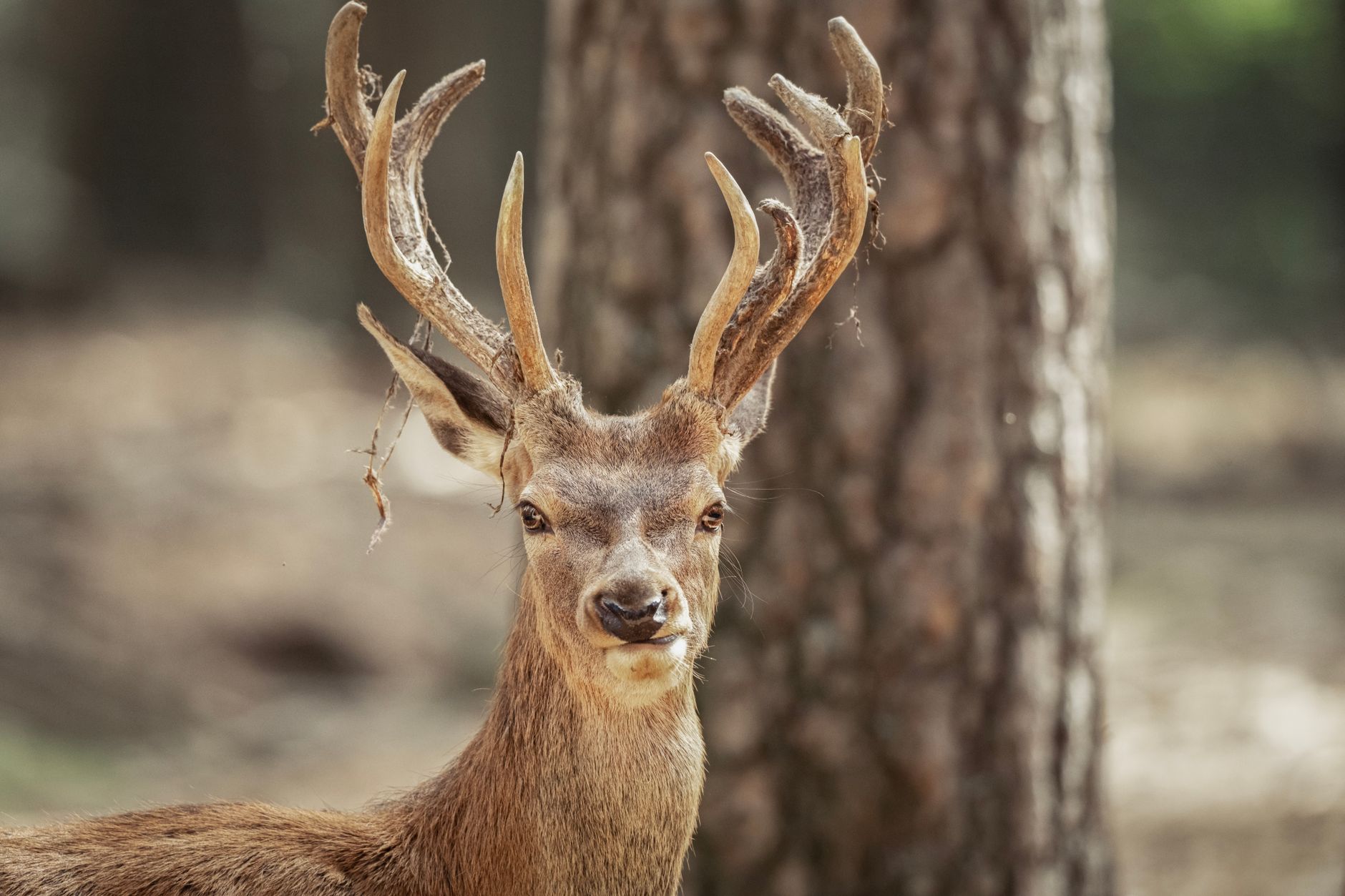
Understanding Deer Feeding Habits
To effectively answer what bait attracts deer the most?, it’s essential to understand their feeding habits. Deer are opportunistic herbivores, meaning they’ll eat a wide variety of plants, fruits, nuts, and even fungi. Their dietary preferences change throughout the year depending on food availability and their physiological needs. During the fall, as they prepare for winter, they crave high-calorie foods to build up fat reserves. This makes them particularly receptive to baiting strategies that capitalize on this natural drive. It’s also important to consider the local environment and what natural foods are already available, as deer may be less interested in bait if their preferred natural food sources are plentiful.
Popular Deer Baits: A Closer Look

Several types of bait are commonly used to attract deer. Each has its advantages and disadvantages, and their effectiveness can vary based on location and time of year. Understanding these nuances is crucial in determining what bait attracts deer the most in a particular situation.
- Corn: In many areas, corn is the most widely used and arguably the most effective deer bait. It’s high in carbohydrates, providing deer with the energy they need for the winter months.
- Apples: Deer are naturally drawn to the sweetness of apples. They are especially effective in areas where apple orchards are common, making the scent and taste familiar.
- Acorns: Although naturally occurring, placing acorns can still act as an attractant if acorns are scarce due to weather or disease.
- Salt/Mineral Licks: These provide essential minerals that deer need for antler growth and overall health. They are particularly effective during the spring and summer months.
- Commercial Deer Attractants: These are formulated with various scents and flavors designed to appeal to deer. They often contain a blend of ingredients like molasses, apple flavoring, and minerals.
Corn: The King of Deer Bait?
Corn is a popular choice due to its availability and affordability. However, its effectiveness can vary.
- Pros: High carbohydrate content, relatively inexpensive, easy to distribute.
- Cons: Can become moldy if not stored properly, nutritional value is limited beyond carbohydrates, over-reliance can lead to digestive issues.
Here’s a comparison table of common bait options:
| Bait | Attractiveness | Availability | Cost | Nutritional Value |
|---|---|---|---|---|
| Corn | High | High | Low | Moderate |
| Apples | High | Moderate | Moderate | Low |
| Acorns | Moderate | Varies | Free | Moderate |
| Mineral Lick | Moderate | High | Moderate | High |
Important Considerations: Legality and Ethics
Before using any bait, it’s crucial to check local hunting regulations. Baiting is illegal in many areas due to concerns about disease transmission and unfair hunting practices. Furthermore, even when legal, responsible baiting involves limiting the amount of bait to avoid creating dependency and disrupting natural feeding patterns. Ethical considerations should always be paramount. Over-baiting can lead to localized overpopulation and increase the risk of disease. Responsible hunters prioritize the health and well-being of the deer population.
Best Practices for Using Deer Bait
If baiting is legal and ethical in your area, here are some best practices:
- Start Small: Begin with a small amount of bait to gauge deer interest.
- Location is Key: Place the bait in areas where deer naturally travel, such as near trails or bedding areas.
- Maintain Hygiene: Keep the bait clean and free from contaminants.
- Monitor Activity: Use trail cameras to monitor deer activity and adjust your baiting strategy accordingly.
- Vary the Bait: Offer a variety of baits to provide a more balanced diet and appeal to different preferences.
Common Mistakes When Baiting Deer
Many hunters make mistakes that can reduce the effectiveness of their baiting efforts. Some common pitfalls include:
- Using too much bait: This can lead to deer becoming dependent on the bait and disrupt their natural foraging behavior.
- Ignoring local regulations: Always check the legality of baiting in your area.
- Placing bait in open areas: Deer prefer to feed in areas where they feel safe and secure.
- Not monitoring deer activity: Use trail cameras to track deer movement and adjust your baiting strategy as needed.
- Not considering the time of year: Deer feeding habits change throughout the year, so adjust your bait accordingly.

Frequently Asked Questions
What is the best way to store corn for deer bait?
The best way to store corn is in a cool, dry place to prevent it from molding. Consider using airtight containers to protect it from pests and moisture. Proper storage is crucial to maintaining its attractiveness and nutritional value.
Is it legal to bait deer in all states?
No, baiting deer is not legal in all states. Hunting regulations vary widely, and some states prohibit baiting altogether due to concerns about disease transmission and fair chase principles. Always check your local regulations before using any bait.
What kind of mineral lick is most attractive to deer?
Mineral licks containing a blend of essential minerals like calcium, phosphorus, and sodium are generally the most attractive. Deer have specific mineral requirements, so a balanced lick is more likely to draw them in.
How far away from my stand should I place the bait?
The ideal distance varies, but generally, placing the bait 20-30 yards away from your stand provides a good balance between attracting deer and offering a clear shot. Consider the terrain and visibility when choosing a location. Safety is paramount.
Can I use human food as deer bait?
While some human foods like apples are acceptable, others, particularly those high in sugar or salt, should be avoided. Deer have sensitive digestive systems, and processed foods can be harmful. Stick to natural, unprocessed options whenever possible.
Does the scent of the bait matter?
Yes, scent plays a significant role in attracting deer. Apples, corn, and commercial attractants often have strong scents that can lure deer from a distance. Consider the prevailing wind when placing bait to maximize scent dispersion.
What time of year is best for baiting deer?
The fall, as deer prepare for winter, is often considered the best time for baiting. They are actively seeking high-calorie foods to build up fat reserves. However, mineral licks can be effective during the spring and summer for antler growth. The answer to what bait attracts deer the most depends on the time of year.
Will baiting attract predators?
Yes, baiting can unintentionally attract predators like coyotes or bears, as they may be drawn to the area by the presence of deer. Be aware of your surroundings and take precautions to avoid unwanted encounters.
How can I make my bait more appealing to deer?
You can make your bait more appealing by using a variety of attractants, placing it in areas where deer feel safe, and monitoring deer activity to adjust your strategy. Observation and adaptation are key to success.
How often should I replenish the bait?
The frequency of replenishing the bait depends on how quickly the deer are consuming it. Check the bait regularly and replenish it as needed to maintain a consistent supply. Avoid over-baiting.
Is it ethical to bait deer?
The ethics of baiting are a matter of debate. Some hunters believe it gives them an unfair advantage, while others see it as a tool for managing deer populations. It’s important to consider the potential impacts on the deer herd and follow ethical hunting practices. Responsible hunters prioritize animal welfare.
What is the environmental impact of baiting?
Baiting can have both positive and negative environmental impacts. It can concentrate deer in certain areas, leading to overgrazing, and increase the risk of disease transmission. However, it can also provide supplemental food during times of scarcity. Responsible baiting minimizes negative impacts. Determining what bait attracts deer the most and using it responsibly is key.