

What Attracts Reindeer? Unveiling the Secrets of Caribou Magnetism
Reindeer, also known as caribou in North America, are drawn to a combination of factors including high-quality food sources, safe and sheltered environments, and specific social cues. Understanding what attracts reindeer is crucial for conservation efforts and managing their habitats.

Introduction: Decoding the Reindeer Allure
Reindeer, iconic symbols of the Arctic and subarctic regions, are fascinating creatures adapted to survive in harsh environments. Their movements are often dictated by the availability of resources and the need for protection. Deciphering what attracts reindeer requires examining their dietary needs, environmental preferences, and social behaviors. This understanding is vital for preserving their populations and mitigating the impact of human activities on their natural habitats.
Dietary Delights: Food Sources that Draw Reindeer
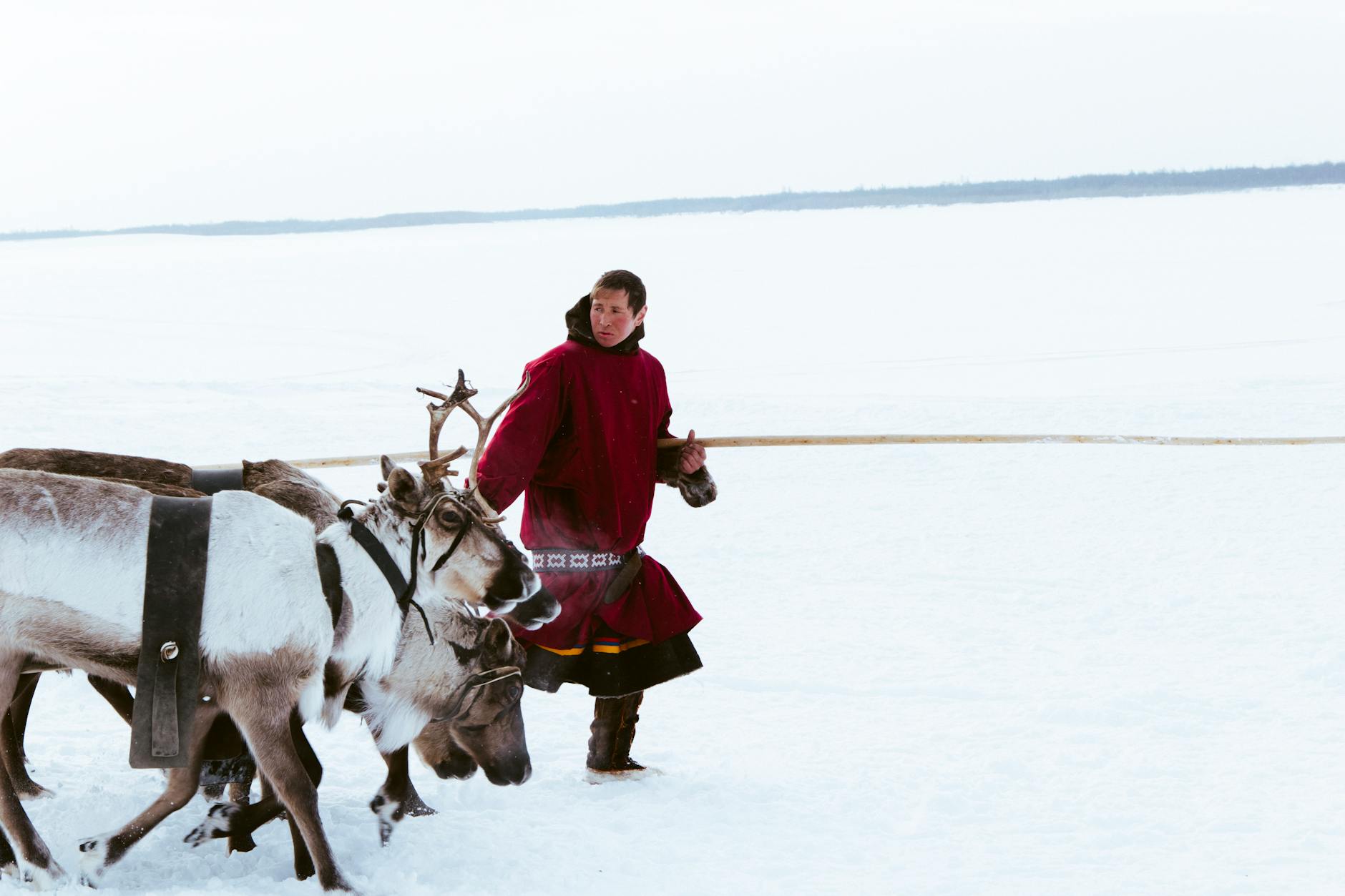
Reindeer are primarily herbivores, and their diet plays a significant role in determining their movements and distribution. The availability and quality of food sources are paramount in what attracts reindeer to a particular area.
- Lichens: These symbiotic organisms form the cornerstone of the reindeer’s winter diet. Different types of lichens, such as Cladonia rangiferina (reindeer moss), are highly nutritious and readily available even under snow cover.
- Grasses and Sedges: During the summer months, reindeer graze on a variety of grasses, sedges, and other herbaceous plants, providing them with essential nutrients for growth and reproduction.
- Shrubs and Leaves: Willow, birch, and other shrubs also contribute to the reindeer’s diet, particularly in areas where lichens and grasses are less abundant. Leaves provide a source of vitamins and minerals.
- Fungi: Some species of fungi are also consumed by reindeer, offering additional nutrients and diversification of their diet.
The quality and abundance of these food sources can vary depending on the season, location, and environmental conditions, influencing where reindeer choose to graze.
Environmental Sanctuary: Safe and Sheltered Habitats
Beyond food, the environment itself plays a critical role in what attracts reindeer. They seek out areas that offer protection from predators and harsh weather conditions.
- Calving Grounds: Specific areas with abundant vegetation and minimal disturbance are chosen for calving, providing a safe haven for newborn calves.
- Shelter from Weather: Forests and valleys offer protection from strong winds, blizzards, and extreme temperatures, providing reindeer with crucial shelter during the winter months.
- Escape Terrain: Open areas and rugged terrain allow reindeer to easily spot predators and escape potential threats.
- Areas with low insect harassment: During summer, reindeer migrate to areas with fewer biting insects, as insect harassment can negatively affect their feeding and overall health.
Social Signals: The Herd Instinct and Reindeer Behavior
Reindeer are highly social animals, and their behavior is influenced by the presence of other members of their herd. Social cues play a significant role in what attracts reindeer to a particular area or group.
- Migration Patterns: Reindeer follow established migration routes, often guided by experienced members of the herd. These routes are passed down through generations and lead to optimal feeding and breeding grounds.
- Herd Size: Reindeer often congregate in large herds, providing them with increased protection from predators and facilitating social interaction.
- Mating Rituals: During the breeding season (rut), male reindeer engage in elaborate displays of dominance to attract females, creating a social attraction that draws reindeer together.
- Following the Leader: In some cases, reindeer will follow the lead of a dominant individual, particularly when navigating unfamiliar terrain or responding to potential threats.
Human Impact: How Our Actions Affect Reindeer Attraction
Human activities can have a significant impact on what attracts reindeer or, conversely, repels them. Understanding these impacts is crucial for conservation efforts.
- Habitat Loss: Deforestation, urbanization, and mining can destroy or fragment reindeer habitats, reducing the availability of food and shelter.
- Climate Change: Rising temperatures, altered precipitation patterns, and thawing permafrost can disrupt reindeer migration routes and reduce the abundance of key food sources.
- Disturbance: Human activities, such as logging, hunting, and recreational use, can disrupt reindeer behavior and force them to abandon important habitats.
- Infrastructure: Roads, pipelines, and other infrastructure can create barriers to reindeer movement and fragment their populations.
By minimizing human impact and implementing responsible land management practices, we can help ensure that reindeer continue to thrive in their natural habitats.

Frequently Asked Questions
What specific types of lichens are most attractive to reindeer?
Cladonia rangiferina, commonly known as reindeer moss, is a highly palatable and nutritious lichen species that forms the cornerstone of the reindeer’s winter diet. Other species, such as Cetraria islandica and Stereocaulon paschale, are also consumed but generally to a lesser extent.
How do reindeer find food under the snow?
Reindeer have several adaptations that allow them to find food under the snow. They have a keen sense of smell that helps them locate buried lichens, and they use their strong hooves to paw through the snow and expose the vegetation. They also have a specialized nasal passage that warms the air before it enters their lungs, preventing them from losing too much heat.
Are there specific landscape features that consistently attract reindeer?
Yes, areas with a mosaic of landscape features, including forests, open meadows, and wetlands, are particularly attractive to reindeer. This variety provides them with a diversity of food sources, shelter, and escape terrain. Also, areas with natural salt licks attract reindeer as they provide essential minerals.
How do reindeer choose their calving grounds?
Reindeer select calving grounds based on a combination of factors, including the availability of abundant vegetation for food, minimal disturbance from predators and humans, and suitable terrain for newborn calves to move around. These areas are often located in sheltered valleys or along rivers and lakeshores.
What role does snow depth play in reindeer habitat selection?
Snow depth can significantly influence reindeer habitat selection. While they are adapted to paw through snow to reach food, excessively deep snow can make it difficult for them to access forage and increase their energy expenditure. Therefore, reindeer often prefer areas with moderate snow depths.
How do insect populations influence reindeer movements?
During the summer months, biting insects, such as mosquitoes and black flies, can cause significant stress and discomfort to reindeer. To avoid insect harassment, reindeer may migrate to higher elevations or open areas where wind conditions are stronger and insect populations are lower. This is a crucial element of what attracts reindeer.
Do reindeer have preferences for certain types of water sources?
Reindeer typically drink from rivers, lakes, and ponds. They may also consume snow or ice to obtain water. Access to freshwater sources is essential for reindeer survival, particularly during the summer months when they are more active and require more hydration.
How does climate change impact what attracts reindeer?
Climate change is altering the distribution and abundance of reindeer food sources, increasing the frequency and intensity of extreme weather events, and changing snow conditions. These changes can disrupt reindeer migration patterns, reduce their access to food, and increase their vulnerability to predators, ultimately altering what attracts reindeer.
Are there specific plants that reindeer avoid?
While reindeer are generally adaptable herbivores, they may avoid certain plants that are toxic or unpalatable. These include plants with high concentrations of tannins or other defensive compounds. However, reindeer may occasionally consume small amounts of these plants to obtain certain nutrients.
How do reindeer communicate within their herds?
Reindeer communicate using a combination of vocalizations, visual signals, and scent marking. They use calls to maintain contact with other members of the herd, particularly during migration or in dense vegetation. They also use body language and antler displays to establish dominance hierarchies and attract mates.
Does the presence of other herbivores affect reindeer distribution?
The presence of other herbivores, such as moose or elk, can influence reindeer distribution by competing for resources or altering habitat structure. In some cases, reindeer may avoid areas where other herbivores are abundant.
What can be done to protect reindeer habitats and ensure their continued survival?
Protecting reindeer habitats requires a multi-faceted approach that includes reducing habitat loss and fragmentation, mitigating the impacts of climate change, minimizing human disturbance, and managing populations of predators and other herbivores. This could include protected areas, sustainable forestry practices, and careful planning of infrastructure projects. A better understanding of what attracts reindeer helps in planning.