
What are the Symptoms of Parasites in the Brain?
Parasitic infections in the brain can manifest with a wide range of neurological and psychiatric symptoms, including seizures, headaches, cognitive impairment, and behavioral changes, depending on the parasite species and the location of the infection. The presence of brain parasites can be life-threatening, making early detection and treatment absolutely critical.

Introduction to Brain Parasites
The human brain, a remarkably complex organ, is unfortunately not immune to invasion. While relatively rare in developed countries with robust sanitation systems, parasitic infections of the brain can occur worldwide and represent a significant public health concern, particularly in tropical and subtropical regions. Understanding what are the symptoms of parasites in the brain? is crucial for early diagnosis and effective treatment. These insidious invaders, which can range from microscopic protozoa to larger worms, exploit the human body to complete their life cycle. Their presence within the brain’s delicate tissues can trigger a cascade of inflammatory responses and cellular damage, leading to a variety of neurological and psychiatric manifestations.
Common Brain Parasites
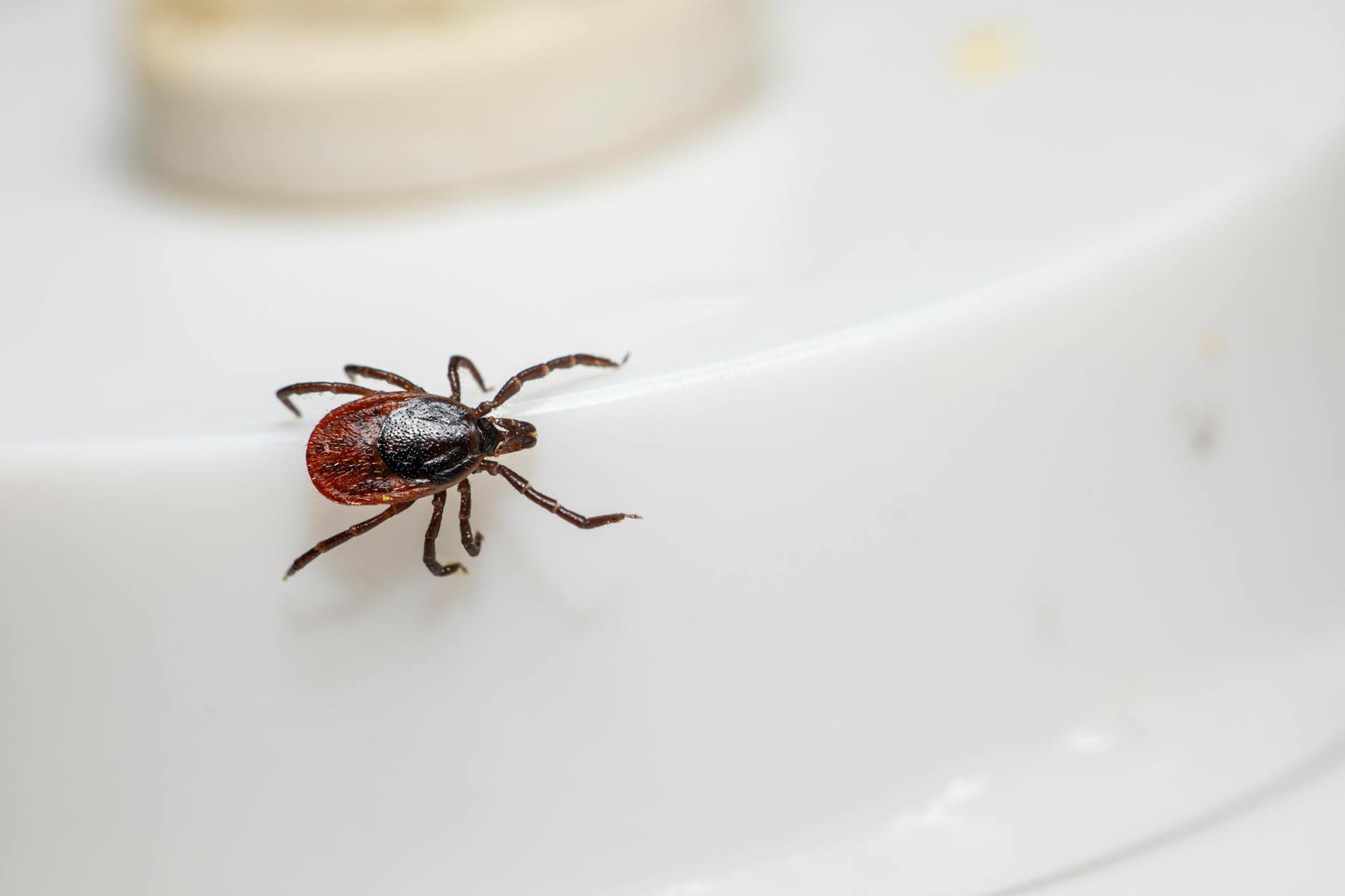
Several parasites are known to infect the human brain, each with unique characteristics and modes of transmission. Some of the most prevalent and clinically significant include:
- Toxoplasma gondii: A single-celled protozoan, Toxoplasma gondii, is widespread, affecting a significant portion of the global population. Infection often occurs through ingestion of contaminated food or water, or through contact with infected cat feces. While most healthy individuals remain asymptomatic, Toxoplasma can cause severe problems in immunocompromised individuals, such as those with HIV/AIDS, and in developing fetuses.
- Taenia solium: This tapeworm, also known as the pork tapeworm, is acquired through ingestion of undercooked or raw pork containing cysticerci, the larval form of the worm. When these larvae migrate to the brain, they cause a condition called neurocysticercosis, which is a leading cause of acquired epilepsy in many parts of the world.
- Naegleria fowleri: Often referred to as the “brain-eating amoeba,” Naegleria fowleri is a free-living amoeba found in warm freshwater environments. Infection occurs when contaminated water enters the nose, allowing the amoeba to travel to the brain and cause primary amoebic meningoencephalitis (PAM), a rapidly progressing and almost always fatal infection.
- Echinococcus granulosus: This tapeworm causes hydatid disease, which can involve the formation of cysts in various organs, including the brain. Infection typically occurs through ingestion of contaminated food or water, or through close contact with infected animals, such as dogs.
Diverse Symptoms of Brain Parasites
What are the symptoms of parasites in the brain? The clinical presentation of parasitic brain infections can vary widely, depending on several factors:
- Type of parasite: Different parasites have distinct mechanisms of action and target different areas of the brain.
- Location of infection: The specific brain region affected determines the neurological deficits observed. For example, a lesion in the motor cortex will lead to motor impairments, while a lesion in the temporal lobe can affect memory and language.
- Immune status of the host: Individuals with weakened immune systems are more susceptible to severe and disseminated infections.
- Size and number of lesions: Larger lesions or multiple lesions will generally cause more pronounced symptoms.
Common symptoms may include:
- Seizures: Often the most common presenting symptom, particularly in neurocysticercosis. The seizures can be generalized or focal.
- Headaches: Persistent or severe headaches, sometimes accompanied by nausea and vomiting.
- Cognitive impairment: Memory loss, difficulty concentrating, confusion, and impaired judgment.
- Motor deficits: Weakness, paralysis, incoordination, and difficulty with balance.
- Sensory abnormalities: Numbness, tingling, or altered sensation.
- Visual disturbances: Blurred vision, double vision, or visual field defects.
- Personality changes: Irritability, depression, anxiety, and altered behavior.
- Meningitis-like symptoms: Fever, stiff neck, and photophobia (sensitivity to light).
- Increased intracranial pressure: Papilledema (swelling of the optic disc), altered mental status, and coma.
Diagnosis and Treatment
Accurate diagnosis is crucial for effective management. Diagnostic tools typically involve:
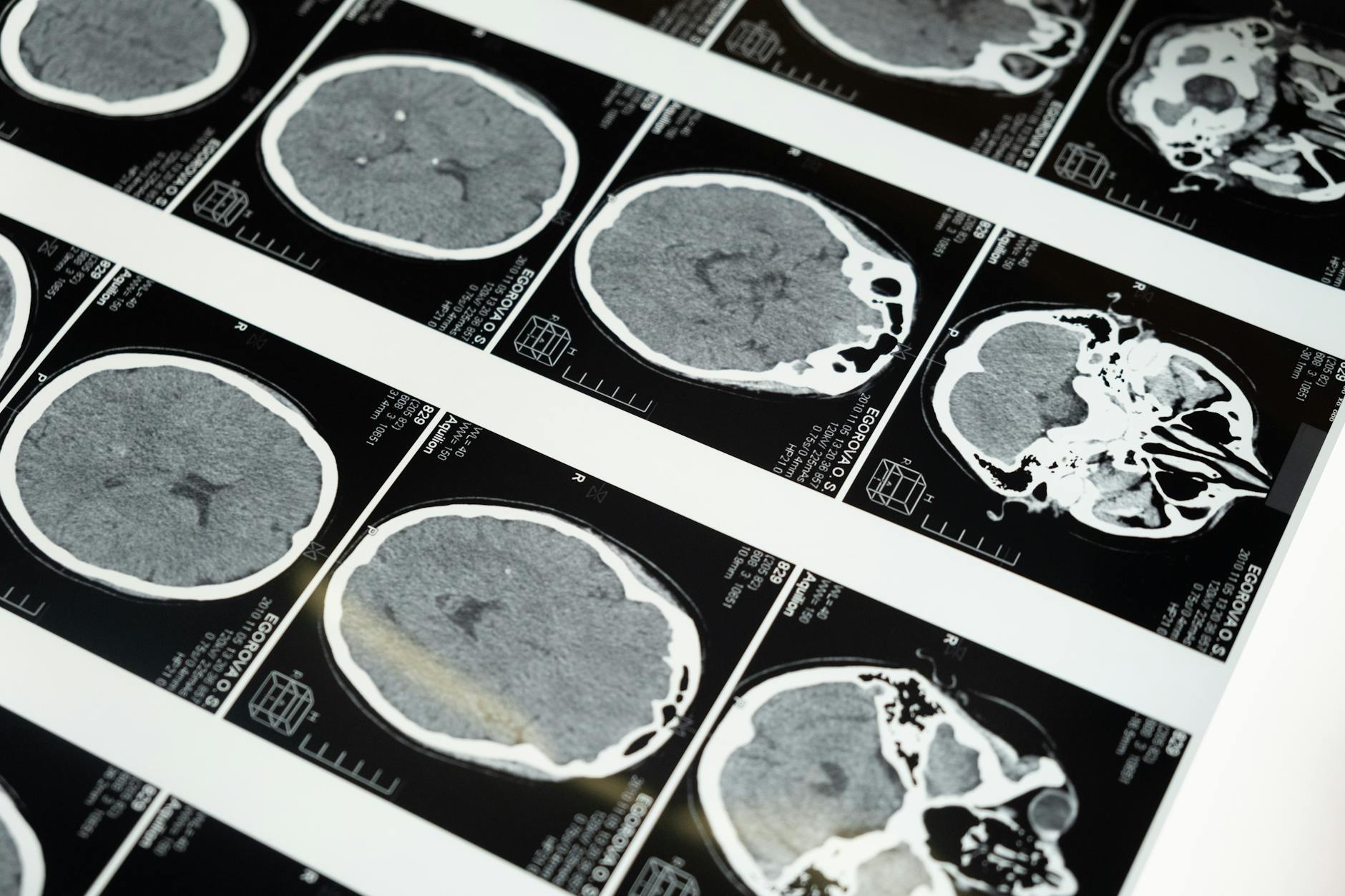
- Neuroimaging: MRI and CT scans are essential for visualizing brain lesions and identifying the presence of cysts, abscesses, or other abnormalities.
- Serological testing: Blood tests can detect antibodies against specific parasites, indicating past or current infection.
- Lumbar puncture: Examination of cerebrospinal fluid (CSF) can reveal the presence of parasites, inflammatory cells, or abnormal protein levels.
- Brain biopsy: In rare cases, a brain biopsy may be necessary to definitively identify the causative organism.
Treatment strategies vary depending on the parasite involved and the severity of the infection. They often include:
- Antiparasitic medications: Specific drugs are available to target different parasites.
- Corticosteroids: These medications reduce inflammation and swelling in the brain.
- Anticonvulsants: Used to control seizures.
- Surgery: In some cases, surgical removal of cysts or abscesses may be necessary.
Prevention Strategies
Prevention is always better than cure. Effective preventative measures include:
- Proper food hygiene: Thoroughly cooking meat, especially pork, and washing fruits and vegetables can prevent parasitic infections.
- Safe water practices: Avoid swimming in freshwater bodies where Naegleria fowleri is known to be present. When swimming, use nose clips. Ensure that drinking water is properly treated and purified.
- Personal hygiene: Frequent handwashing, especially after using the toilet or handling animals, is essential.
- Vector control: Controlling mosquito populations can reduce the risk of certain parasitic infections, such as malaria.
- Pet care: Regular deworming of pets and proper disposal of pet feces can help prevent the spread of parasites.
What are the symptoms of parasites in the brain? A Summary Table
| Parasite | Common Symptoms | Diagnostic Methods |
|---|---|---|
| Toxoplasma gondii | Seizures, cognitive impairment, headaches, visual disturbances, focal deficits | MRI, CT scan, Serology, Lumbar puncture (CSF analysis) |
| Taenia solium | Seizures, headaches, increased intracranial pressure, focal neurological deficits | MRI, CT scan, Serology |
| Naegleria fowleri | Headache, fever, stiff neck, altered mental status, seizures, coma | CSF analysis, brain biopsy |
| Echinococcus granulosus | Seizures, headaches, focal neurological deficits, increased intracranial pressure | MRI, CT scan, Serology |
Importance of Early Detection
Early detection of parasitic brain infections is crucial for improving patient outcomes. Prompt diagnosis and treatment can help prevent irreversible neurological damage and improve the chances of a full recovery. If you suspect you may have a parasitic infection of the brain, seek medical attention immediately.

Frequently Asked Questions (FAQs)
What are the early warning signs of a brain parasite infection?
Early warning signs can be subtle and easily mistaken for other conditions. They often include persistent headaches, unexplained seizures, mild cognitive impairment (like memory problems), and subtle personality changes. Any new or unusual neurological symptoms should prompt a medical evaluation.
Can a blood test detect all brain parasites?
While blood tests (serology) are helpful in detecting antibodies against certain parasites, they cannot detect all types. The effectiveness of serology depends on the specific parasite and the stage of infection. Negative serology does not always rule out a parasitic brain infection.
How does Toxoplasma gondii affect the brain?
Toxoplasma gondii can form cysts in the brain, leading to inflammation and tissue damage. In immunocompromised individuals, it can cause Toxoplasmic encephalitis, characterized by seizures, cognitive deficits, and focal neurological signs.
Is it possible to get a brain parasite from eating sushi?
While the risk is low, it is theoretically possible to acquire certain parasites from eating raw fish, including sushi. However, reputable sushi restaurants typically follow strict food safety guidelines to minimize this risk, including freezing fish at specific temperatures.
What role does MRI play in diagnosing brain parasites?
MRI (Magnetic Resonance Imaging) is a critical diagnostic tool. It provides detailed images of the brain, allowing doctors to visualize lesions, cysts, and other abnormalities caused by parasites. MRI is often more sensitive than CT scans in detecting subtle lesions.
How can I protect myself from Naegleria fowleri?
The best protection is to avoid swimming or diving in warm, stagnant freshwater during the summer months. If you do swim, use nose clips to prevent water from entering your nose. Properly chlorinating swimming pools and hot tubs is also essential.
Are brain parasites more common in certain regions of the world?
Yes, parasitic brain infections are generally more prevalent in tropical and subtropical regions due to factors such as poor sanitation, inadequate water treatment, and higher rates of parasitic diseases in the local animal populations.
What are the long-term effects of having a brain parasite infection?
The long-term effects can vary greatly depending on the parasite, the severity of the infection, and the timeliness of treatment. Some individuals may fully recover, while others may experience permanent neurological deficits, such as seizures, cognitive impairment, or motor dysfunction.
Can brain parasites cause psychiatric symptoms?
Yes, parasitic infections in the brain can sometimes manifest as psychiatric symptoms, including depression, anxiety, irritability, personality changes, and even psychosis. These symptoms are often due to inflammation and damage to brain regions involved in emotional regulation.
What is neurocysticercosis, and how is it treated?
Neurocysticercosis is a brain infection caused by the larvae of the pork tapeworm (Taenia solium). Treatment typically involves antiparasitic medications (such as albendazole or praziquantel), corticosteroids to reduce inflammation, and anticonvulsants to control seizures. In some cases, surgery may be needed to remove cysts.
How effective are antiparasitic drugs in treating brain parasite infections?
The effectiveness of antiparasitic drugs depends on the specific parasite and the stage of infection. While these medications can often eradicate the parasites, they may not always completely reverse the damage caused to the brain. Early treatment generally leads to better outcomes.
Is there a vaccine to prevent brain parasite infections?
Currently, there are no vaccines available to prevent most parasitic brain infections. Research is ongoing to develop vaccines against certain parasites, such as Toxoplasma gondii and Taenia solium, but these are not yet widely available. Prevention relies primarily on public health measures, food safety practices, and personal hygiene.
This article provides a general overview of brain parasites and their symptoms. It is not a substitute for professional medical advice. Consult with a qualified healthcare provider for diagnosis and treatment of any medical condition.