

What are the Signs of an Alpha Cat? Decoding Feline Dominance
Unraveling the mysteries of cat behavior, alpha cats exhibit clear signs of dominance, dictating resource access and influencing the social hierarchy; recognizing these behaviors is crucial for multi-cat households. What are the signs of an alpha cat? The most prominent signs include resource guarding, assertive physical postures, and initiating interactions.
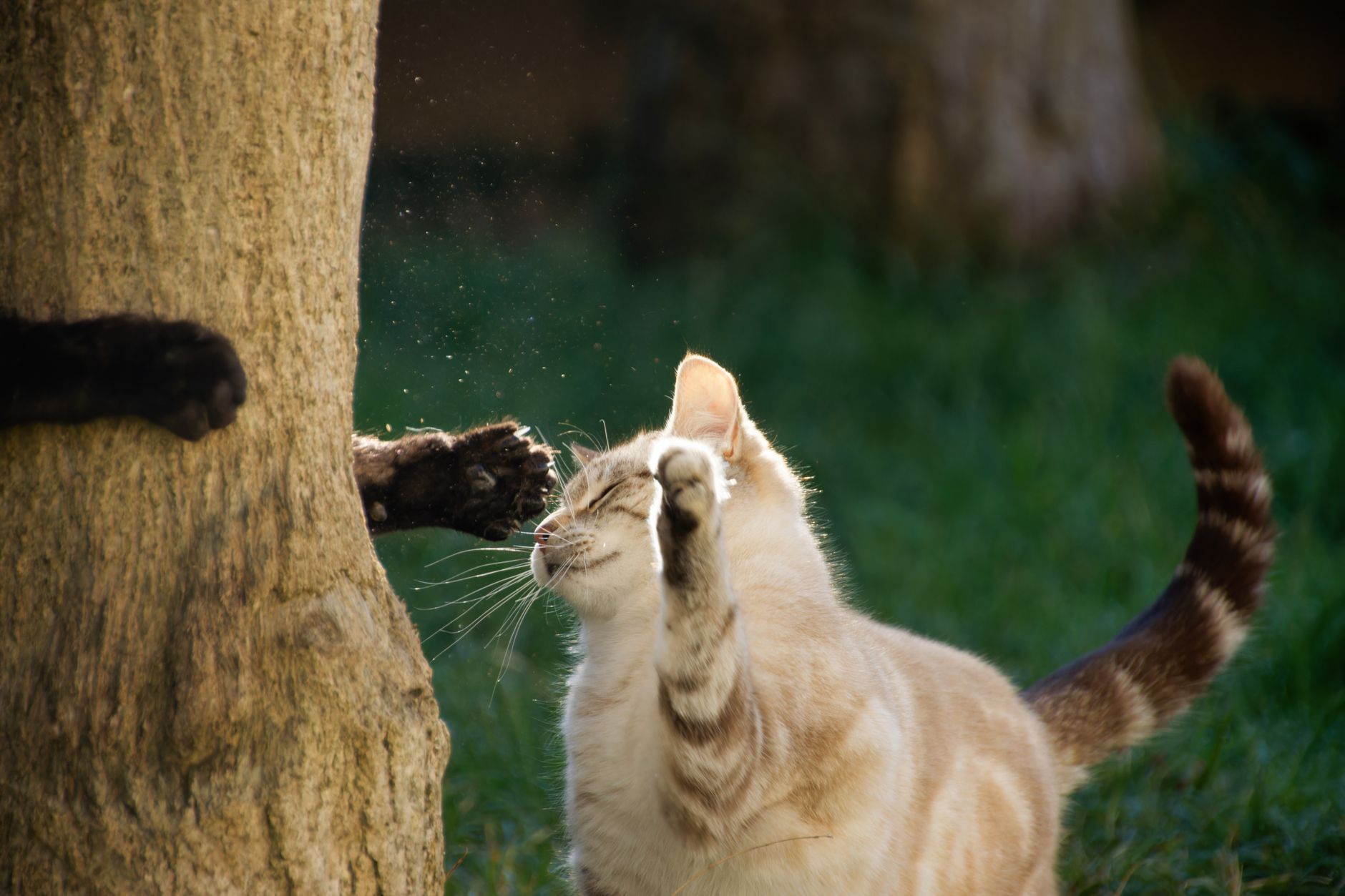
Introduction: The Feline Hierarchy
The social lives of cats, often perceived as solitary creatures, are surprisingly complex, especially in multi-cat households. Within these groups, a hierarchical structure often emerges, with an “alpha cat” at the apex. This cat isn’t necessarily the largest or strongest, but rather the one who most consistently asserts dominance and controls access to resources. Understanding the behaviors associated with an alpha cat is essential for maintaining harmony and preventing conflict among feline companions. By recognizing these signs early, owners can proactively manage the dynamics of their cat community and ensure a stress-free environment for all.
Resource Guarding: The Alpha’s Prerogative

One of the most telling indicators of an alpha cat is resource guarding. This behavior involves protecting and controlling access to essential resources such as:
- Food bowls
- Water sources
- Litter boxes
- Favorite sleeping spots
- Toys
An alpha cat may display resource guarding by:
- Blocking other cats from accessing these resources.
- Growling, hissing, or swatting at approaching cats.
- Eating food rapidly to prevent others from taking it.
- Marking territory (urine spraying) around key resources.
This behavior stems from a deep-seated instinct to secure vital provisions, a trait heightened in individuals seeking to establish or maintain dominance. It’s crucial to remember that not all resource guarding indicates alpha status; anxiety and insecurity can also drive this behavior. However, when consistently observed in conjunction with other alpha cat behaviors, it’s a strong indicator of dominance.
Assertive Physical Postures: Body Language Speaks Volumes
Cats communicate extensively through body language. The alpha cat often exhibits assertive postures that signal confidence and control. These might include:
- Direct Stares: Holding unbroken eye contact with other cats, demonstrating fearlessness.
- Upright Posture: Standing tall with a straight back and head held high.
- Piloting: Walking slowly and deliberately in front of other cats, subtly impeding their progress.
- Tail Position: Holding the tail upright with a slight curve at the tip (a sign of confidence).
Conversely, subordinate cats often exhibit submissive postures like:
- Crouching low to the ground.
- Avoiding eye contact.
- Flattening their ears.
- Licking or grooming the alpha cat.
These physical cues provide a constant stream of information within the feline social structure, reinforcing the established hierarchy.
Initiating Interactions: Setting the Terms
The alpha cat typically initiates interactions, both positive and negative. They may be the first to:
- Approach other cats for grooming (allo-grooming). However, this can be a subtle form of dominance, with the alpha dictating the terms of the interaction.
- Engage in play, often controlling the flow of the game.
- Initiate conflicts, such as chasing or swatting at other cats.
- Determine who is allowed to enter or leave a space.
Subordinate cats, on the other hand, tend to wait for permission or signals from the alpha before approaching or interacting. This illustrates the alpha cat‘s role as the decision-maker within the group.
Vocalizations: A Symphony of Dominance
Vocalizations also play a role in establishing and maintaining dominance. Alpha cats might use a variety of sounds to assert their position, including:
- Growling: A low, guttural sound used to warn other cats.
- Hissing: A sharp, forceful exhale used to ward off threats.
- Yowling: A prolonged, mournful cry that can indicate territorial claims.
- Chattering: A series of rapid clicks and vocalizations often directed at prey.
Subordinate cats are generally quieter and less likely to vocalize, especially in the presence of the alpha cat.
Managing Alpha Cat Behavior
While establishing an alpha within a multi-cat household is a natural process, it’s crucial to manage potential issues arising from extreme dominance. The goal is to minimize stress and conflict among cats. Here are some tips:
- Provide ample resources: Ensure there are enough food bowls, water sources, litter boxes, and resting spots for all cats, ideally in separate locations to reduce competition.
- Vertical space: Cats feel safer when they have access to high places like cat trees or shelves. This allows subordinate cats to escape the alpha’s attention.
- Playtime: Engage all cats in regular play sessions to reduce pent-up energy and provide mental stimulation.
- Scent swapping: Rubbing a cloth on each cat and then swapping the cloths allows them to become familiar with each other’s scents and can reduce tension.
- Consult a professional: If aggression is severe or persistent, consult a veterinarian or certified animal behaviorist for personalized advice.
Understanding the Benefits of a Clear Hierarchy
A well-defined hierarchy can, in some cases, bring stability to a multi-cat household. The alpha cat, by establishing clear boundaries, can actually reduce uncertainty and anxiety among the other cats. When all cats understand their place in the social structure, conflict can be minimized, leading to a more harmonious living environment. However, it’s vital to ensure that the hierarchy doesn’t result in undue stress or deprivation for subordinate cats.
Common Mistakes to Avoid
- Punishing the alpha cat: This can increase anxiety and aggression. Instead, focus on managing the environment to reduce conflict.
- Forcing cats to interact: Allow cats to interact at their own pace and avoid forcing them into situations that cause stress.
- Ignoring the signs of stress: Watch for subtle signs of stress in subordinate cats, such as hiding, changes in appetite, or excessive grooming.
| Mistake | Consequence |
|---|---|
| Punishing the Alpha Cat | Increased anxiety, aggression, disruption of the natural hierarchy |
| Forcing Interactions | Elevated stress levels, potential for fights, increased anxiety and fearfulness |
| Ignoring Subordinate Cat’s Stress | Chronic stress, potential for health problems, escalation of behavioral issues |
Signs of an Alpha Cat: A Summary
In conclusion, recognizing what are the signs of an alpha cat? is crucial for harmonious multi-cat households. These signs include resource guarding, assertive body language, initiating interactions, and using specific vocalizations. By understanding and managing these behaviors, owners can minimize conflict and create a more peaceful environment for all feline companions.

Frequently Asked Questions (FAQs)
Is it normal for cats to have an alpha?
Yes, it’s perfectly normal for cats to establish a hierarchy, especially in multi-cat households. The alpha is simply the cat that holds the dominant position in the social structure. This is a natural way for them to organize themselves.
Can an alpha cat be dangerous?
An alpha cat can be dangerous if their dominance leads to excessive aggression and bullying towards other cats. Signs of this include constant chasing, biting, and preventing other cats from accessing resources. It’s vital to intervene if you see this behavior.
How do I know if my cat is an alpha?
Observe your cat’s interactions with other cats in the house. Does he/she control access to food, water, or litter boxes? Does he/she exhibit confident body language and initiate most of the interactions? These are key indicators of alpha status.
What if I don’t want an alpha cat in my home?
You can’t completely prevent a hierarchy from forming. However, you can mitigate the negative effects by providing ample resources, creating vertical space, and managing the environment to minimize conflict. Focusing on enrichment and individual attention for each cat is essential.
Should I separate my cats if I have an alpha cat?
Separation should be a last resort. Try other strategies first, such as increasing resources and providing vertical space. If aggression is severe or causing injury, then temporary separation may be necessary while you consult with a veterinarian or behaviorist.
Can a subordinate cat become an alpha cat?
Yes, it is possible. Hierarchies are not always fixed. Factors such as age, health, and personality can influence a cat’s position in the social structure. A younger, more assertive cat might eventually challenge and overtake an older alpha.
Does neutering or spaying affect alpha status?
Yes, neutering or spaying can sometimes reduce aggression and territorial behavior, which may indirectly affect alpha status. However, it’s not a guaranteed solution, and other management strategies are still important.
Is there a way to promote harmony in a multi-cat household with an alpha?
Yes, you can promote harmony by ensuring all cats have their own resources, providing vertical space, engaging in regular play, and scent swapping. This will help reduce competition and anxiety, leading to a more peaceful environment.
What are some signs of stress in a subordinate cat?
Signs of stress in a subordinate cat include hiding, changes in appetite, excessive grooming, urinating outside the litter box, and increased anxiety. These behaviors indicate the alpha is creating an unhealthy environment.
How often do alpha cats fight with subordinate cats?
The frequency of fighting can vary depending on the cats’ personalities and the stability of the hierarchy. In a well-managed household, fighting should be rare. Frequent fighting indicates a problem that needs to be addressed.
Does my cat being an alpha mean that they don’t like me?
No, being an alpha cat in a multi-cat household does not necessarily mean your cat dislikes you. Dominance within a feline social structure is separate from the bond they share with their human companions. Your cat can still be loving and affectionate towards you while asserting dominance over other cats.
Can diet influence alpha status in cats?
Indirectly, yes. Ensuring all cats receive a balanced and nutritious diet can impact their overall health and well-being, which, in turn, can affect their energy levels and behavior. Properly nourished cats may be more confident and less prone to stress-related aggression, potentially influencing the social hierarchy.