

What are the Pros and Cons of Neutering a Dog?
Neutering, the surgical removal of a male dog’s testicles, presents both advantages and disadvantages. Weighing these pros and cons is crucial for making an informed decision about what are the pros and cons of neutering a dog?

Understanding Neutering: The Basics
Neutering, also known as castration or orchiectomy, is a surgical procedure performed by a veterinarian. It involves the removal of both testicles from a male dog. This procedure eliminates the primary source of testosterone, leading to several physiological and behavioral changes. The age at which neutering is performed can also influence the outcomes, with different recommendations for small and large breeds.
The Process of Neutering
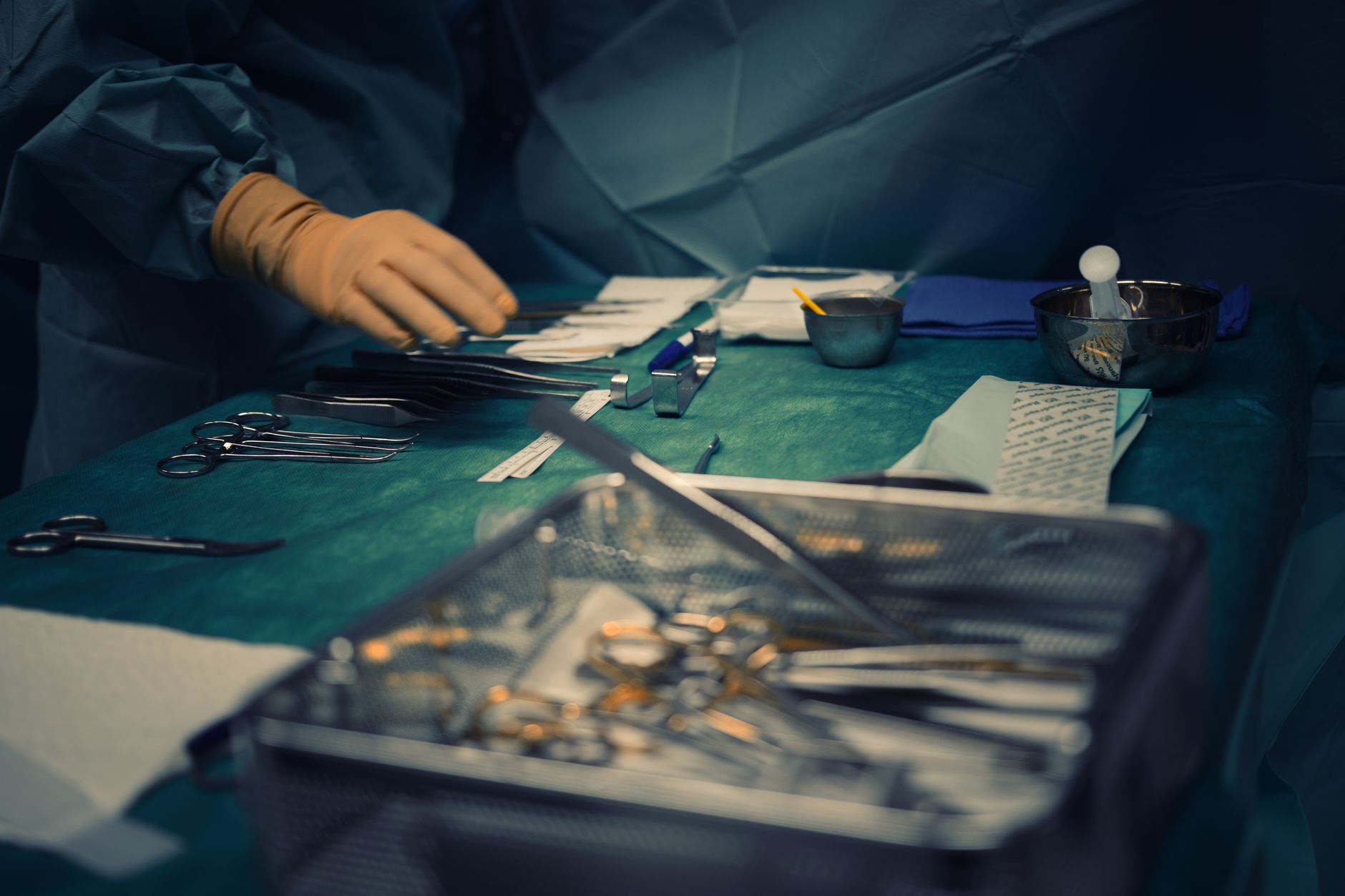
Understanding the surgical process can alleviate some anxieties associated with neutering. Here’s a brief overview:
- Pre-operative Examination: The vet will conduct a thorough physical exam and may order blood tests to ensure the dog is healthy enough for surgery.
- Anesthesia: The dog will be administered general anesthesia to ensure they are comfortable and pain-free during the procedure.
- Surgical Incision: A small incision is made, usually in front of the scrotum.
- Testicle Removal: The testicles are removed, and the spermatic cord and blood vessels are ligated (tied off) to prevent bleeding.
- Closure: The incision is closed with sutures, either absorbable (dissolving) or non-absorbable (requiring removal later).
- Post-operative Care: Pain medication is prescribed, and the dog needs to wear an Elizabethan collar (cone) to prevent licking at the incision site. Owners must monitor the incision for signs of infection.
Health Benefits: The “Pros” of Neutering
One of the main reasons owners consider neutering is the potential health benefits. These advantages are widely recognized in veterinary medicine. Understanding what are the pros and cons of neutering a dog? includes fully grasping the health benefits.
- Elimination of Testicular Cancer Risk: Neutering completely eliminates the risk of testicular cancer, a relatively common cancer in older, intact male dogs.
- Reduced Risk of Prostate Problems: Neutering significantly reduces the risk of benign prostatic hyperplasia (BPH), an enlargement of the prostate gland that can cause difficulty urinating and defecating.
- Decreased Perianal Fistulas: Some studies suggest neutering can reduce the risk of perianal fistulas, chronic and painful lesions around the anus.
- Prevention of Certain Hernias: Neutering may reduce the risk of certain types of hernias, such as perineal hernias.
Behavioral Benefits: Modifying Instincts
Neutering can influence hormone-driven behaviors, making pets easier to manage. However, it’s important to remember that personality plays a significant role.
- Reduced Roaming: Intact male dogs are more likely to roam in search of a mate. Neutering can diminish this urge, reducing the risk of getting lost or hit by a car.
- Decreased Aggression: Neutering can reduce aggression towards other male dogs, especially if the aggression is driven by testosterone. This reduction is most effective when neutering is performed before these behaviors become deeply ingrained.
- Reduced Marking: Neutering can decrease urine marking, a behavior used by intact males to mark their territory.
- Less Mounting: Neutering can reduce or eliminate mounting behavior, which can be directed towards other animals, people, or inanimate objects.
Potential Drawbacks: The “Cons” of Neutering
While neutering offers many benefits, it’s essential to be aware of the potential drawbacks. What are the pros and cons of neutering a dog? includes understanding the potential disadvantages.
- Increased Risk of Certain Cancers: Studies have shown that neutering may increase the risk of certain cancers, such as osteosarcoma (bone cancer), hemangiosarcoma (blood vessel cancer), and prostate cancer in some breeds. It’s crucial to note that the absolute risk of these cancers is often still relatively low.
- Increased Risk of Hypothyroidism: Neutering can increase the risk of hypothyroidism, a condition in which the thyroid gland doesn’t produce enough thyroid hormone. This requires lifelong medication.
- Increased Risk of Cranial Cruciate Ligament (CCL) Rupture: Some studies suggest that neutering, especially when performed early, may increase the risk of CCL rupture, a common orthopedic injury in dogs.
- Increased Risk of Obesity: Neutered dogs tend to have a slower metabolism and may be more prone to weight gain. This can be managed through dietary adjustments and increased exercise.
- Anesthetic Risks: As with any surgical procedure, there are inherent risks associated with anesthesia. These risks are generally low in healthy dogs but can be higher in dogs with pre-existing health conditions.
The Age Factor: When is the Right Time?
The optimal age for neutering is a topic of ongoing debate. Traditionally, veterinarians recommended neutering before six months of age. However, recent research suggests that delaying neutering, especially in large-breed dogs, may be beneficial for reducing the risk of certain orthopedic problems and cancers.
- Small Breeds: Neutering around six months of age is often recommended for small-breed dogs.
- Large Breeds: Many veterinarians now recommend waiting until after skeletal maturity (around 12-18 months of age) for large-breed dogs.
Ultimately, the decision of when to neuter should be made in consultation with a veterinarian, taking into account the dog’s breed, size, health status, and lifestyle.
The Importance of Responsible Pet Ownership
Regardless of whether or not you choose to neuter your dog, responsible pet ownership is crucial. This includes providing proper nutrition, regular exercise, preventative veterinary care, and socialization.
- Population Control: Neutering helps to control pet overpopulation, reducing the number of animals in shelters and the rate of euthanasia.
- Preventing Unwanted Litters: Intact dogs can unintentionally sire litters, contributing to the overpopulation problem.
- Responsible Breeding: If you choose to breed your dog, it is essential to do so responsibly, ensuring that the puppies are healthy and well-cared for.
Making an Informed Decision
Deciding whether or not to neuter your dog is a personal one. Weigh the potential benefits and risks, and discuss your concerns with your veterinarian. It’s important to understand what are the pros and cons of neutering a dog? before proceeding. Your vet can provide personalized advice based on your dog’s individual needs and circumstances.
Frequently Asked Questions About Neutering
Will neutering completely change my dog’s personality?
Neutering primarily affects behaviors driven by testosterone, such as roaming, aggression, and marking. While it can reduce these behaviors, it typically doesn’t drastically alter a dog’s overall personality or temperament. Training and socialization play a much larger role in shaping a dog’s behavior.
Is neutering painful for dogs?
Neutering is performed under general anesthesia, so the dog feels no pain during the procedure. After surgery, pain medication is prescribed to manage any discomfort. Most dogs recover quickly and are back to their normal selves within a few days.
How long does it take for a dog to recover from neutering?
Most dogs recover fully from neutering in 7-14 days. During this time, it’s crucial to prevent them from licking the incision site, as this can lead to infection. A cone (Elizabethan collar) is often used to prevent licking.
Will neutering make my dog fat?
Neutering can slow down a dog’s metabolism, making them more prone to weight gain. However, this can be managed by adjusting their diet and ensuring they get regular exercise. Talk to your vet about appropriate food and portion sizes.
Does neutering affect a dog’s intelligence or trainability?
Neutering does not affect a dog’s intelligence or trainability. In fact, by reducing hormone-driven distractions, it may even improve their focus and willingness to learn.
Are there any alternatives to neutering?
Yes, a chemical castration using an implant is available. This provides a temporary reduction in testosterone. Vasectomies are also an option if fertility control is your sole concern. Discuss these options with your vet.
Can I still breed my dog after neutering?
No. Neutering is a permanent sterilization procedure that renders a dog unable to reproduce.
Is neutering more common in some breeds than others?
While neutering is generally recommended across all breeds, certain breed predispositions to health issues might influence the decision and timing. It is always best to consult with your vet.
How much does it cost to neuter a dog?
The cost of neutering varies depending on factors such as the veterinarian, geographic location, and the dog’s size and health status. Generally, you can expect to pay several hundred dollars. Low-cost neuter clinics are often available.
What are the signs of infection after neutering surgery?
Signs of infection after neutering surgery can include redness, swelling, discharge, excessive pain, fever, and lethargy. If you notice any of these signs, contact your veterinarian immediately.
My dog is already older. Is it still worth neutering him?
The benefits of neutering, such as reduced risk of prostate problems and testicular cancer, can still be realized in older dogs. However, the risks of anesthesia may be higher in older dogs. Discuss the pros and cons with your veterinarian.
Will neutering solve all my dog’s behavioral problems?
Neutering is not a magic bullet for behavioral problems. While it can reduce hormone-driven behaviors, it won’t solve problems related to fear, anxiety, or lack of training. Proper training and behavior modification are often necessary to address these issues. It’s important to remember what are the pros and cons of neutering a dog? and factor in the limited scope of behavioral fixes it can provide.