
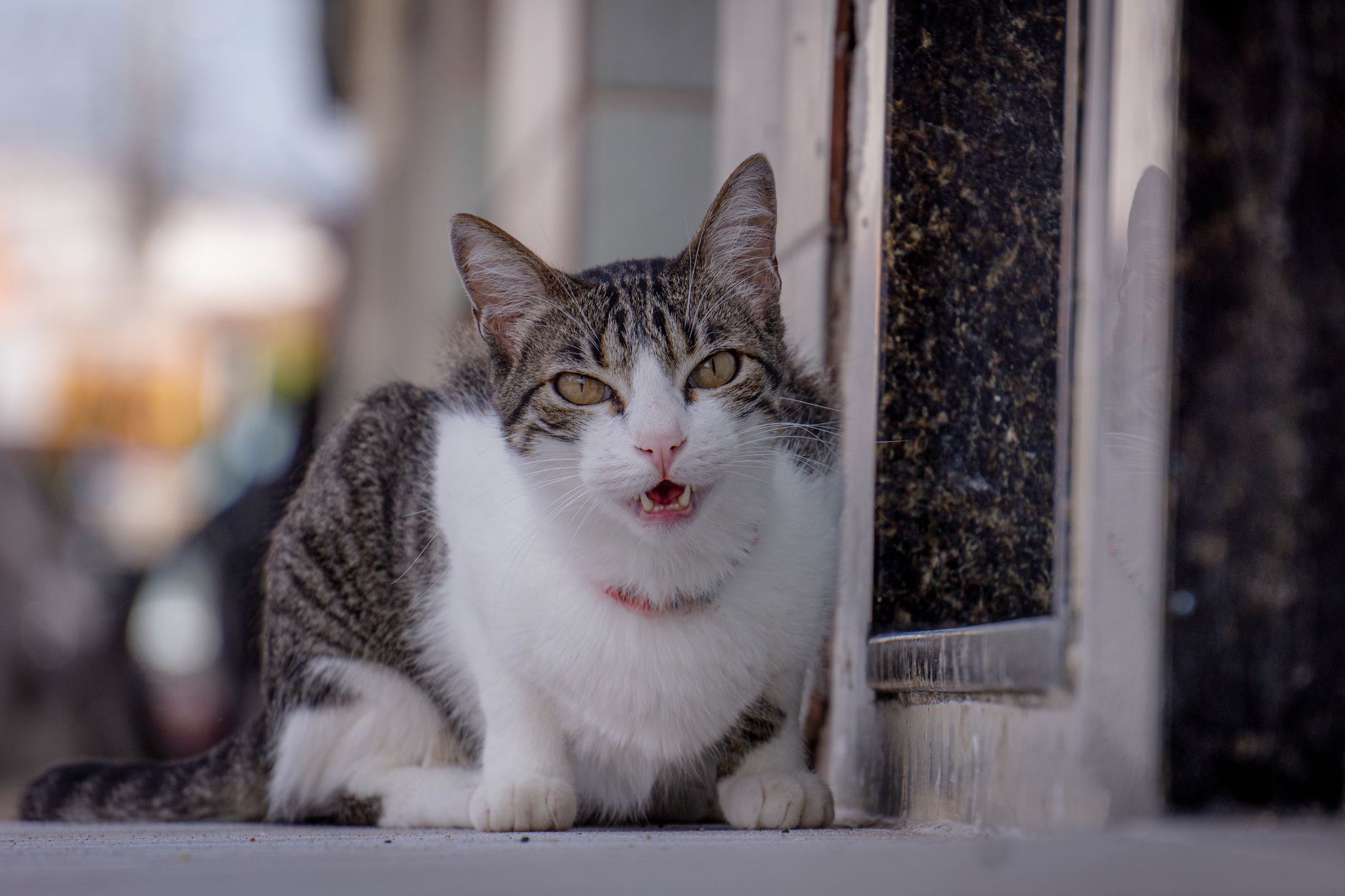
What Animals Meow Like a Cat?
While the meow is most famously associated with domestic cats, it’s fascinating to discover that other animals, though rarely sounding exactly like a cat, can produce similar vocalizations, often for distinct reasons. Exploring this behavior reveals insights into animal communication and evolutionary adaptations.

Introduction: Beyond the Purrfect Meow
The meow, that iconic vocalization of the domestic cat (Felis catus), is instantly recognizable. But is it unique? The answer, surprisingly, is no. While the specific sound and context are usually different, a range of other animals can produce noises that, to the untrained ear, might be mistaken for a cat’s meow. Understanding what animals meow like a cat requires exploring the nuances of animal communication and considering factors like domestication, mimicry, and environmental pressures. This article delves into the fascinating world of animals that exhibit “meowing” behaviors, offering a comprehensive look at this often-overlooked aspect of animal vocalization.
Wild Cats and Their Vocal Repertoires

Domestic cats inherited their vocalizations from their wild ancestors. While the meow is primarily used for communication with humans, wild cats possess a broader range of sounds.
- Lions (Panthera leo): Although known for their roars, lion cubs sometimes produce high-pitched meow-like sounds to communicate with their mothers.
- Tigers (Panthera tigris): Similar to lions, tiger cubs may also vocalize with sounds reminiscent of meows, especially when seeking attention or food.
- Other Wild Cats: Many smaller wild cat species, such as the bobcat and serval, use calls that share similarities with the domestic cat’s meow, although they often sound harsher or more guttural.
Birds: Masters of Mimicry
Birds, particularly parrots and mynah birds, are renowned for their ability to mimic sounds. Some can even replicate the meow of a cat with remarkable accuracy.
- Parrots: Some parrot species learn to imitate a cat’s meow to attract attention or to interact with their environment. Their vocal cords, or rather, the syrinx, are incredibly versatile.
- Mynah Birds: Like parrots, mynah birds possess the ability to mimic sounds, and some have been observed imitating the meow of a cat.
Other Animals: Unexpected Meowers?
While less common, other animals may produce sounds that could be loosely described as meows.
- Domestic Animals: Other domestic animals, under certain circumstances, can produce sounds that are somewhat meow-like. This can be especially true in young animals expressing distress or wanting attention.
- Certain Dog Breeds: Rarely, specific vocalizations of certain dog breeds can sound strangely similar to a meow, although this is generally unintentional and dependent on the individual dog’s vocal range and habits.
- Seals: Certain seal vocalizations, particularly those of seal pups, can sometimes contain high-pitched sounds that resemble a meow.
The Purpose Behind the Sounds
The key question is why these animals produce sounds similar to a cat’s meow. The reasons vary:
- Communication: For wild cats, these sounds facilitate communication between mothers and cubs, indicating needs like hunger or distress.
- Mimicry: Birds mimic sounds for a variety of reasons, including attracting mates, establishing territory, or simply for entertainment. In the case of a cat’s meow, a bird might mimic it to interact with a cat in its environment.
- Attention-Seeking: In some cases, animals produce sounds that resemble meows simply to attract attention from humans or other animals.
FAQ: Delving Deeper into the Meow
Do all cats meow?

No, not all cats meow. While meowing is common, especially in domestic cats, feral cats tend to meow less, reserving their vocalizations mostly for kitten-mother communication. Domestic cats appear to have learned to meow to communicate with humans.
Why do cats only meow at humans?
Generally, cats meow primarily at humans because they have learned that it’s an effective way to get attention, food, or affection. Cats primarily communicate with other cats through scent marking, body language, and other vocalizations like hissing or growling.
Are there any other animals that purr like a cat?
Yes, purring is not exclusive to domestic cats. Some wild cats, such as cheetahs and bobcats, can also purr. The mechanism is related to vibration of the larynx and hyoid bone.
How accurate is bird mimicry of a cat’s meow?
Bird mimicry can be remarkably accurate. Some parrots, for example, can perfectly replicate the pitch, tone, and even the context of a cat’s meow, fooling even experienced cat owners. Accuracy depends on the individual bird and the extent of its training or exposure.
What is the scientific term for animal vocalization mimicry?
The scientific term for animal vocalization mimicry is vocal mimicry or vocal imitation. This involves an animal learning and reproducing the sounds of another animal or object.
Are there any dangers associated with a bird mimicking a cat’s meow?
Potentially, yes. If a bird mimics a cat’s meow in an area with many cats, it could unintentionally attract predators. The perceived threat depends on the bird’s location and the prevalence of predators.
Is it possible to train an animal to meow?
Yes, it’s possible, especially with intelligent animals like parrots. Through positive reinforcement and repetition, you can train a parrot to mimic the meow of a cat.
Does the size of an animal affect its ability to meow?
Not directly, but the size and structure of an animal’s vocal cords and respiratory system influence the range and quality of sounds it can produce. Smaller animals, generally, have higher-pitched voices.
How do scientists study animal vocalizations?
Scientists use spectrographic analysis to visualize sound frequencies and patterns, allowing them to differentiate and classify different animal vocalizations. They also study the context and behavior accompanying these sounds.
What’s the evolutionary purpose of the meow in domestic cats?
The meow in domestic cats likely evolved as a form of neoteny, or the retention of juvenile traits in adulthood. Kittens meow to their mothers, and domestic cats retained this behavior to communicate with humans, who often respond favorably.
Are some cat breeds more vocal than others?
Yes, some cat breeds are notably more vocal than others. Siamese cats, for instance, are known for their frequent and loud meows. The level of vocalization can be a breed characteristic.
What should I do if my pet suddenly starts meowing excessively?
If your pet, particularly a cat, suddenly starts meowing excessively, it’s essential to rule out medical reasons. Consult with a veterinarian to ensure there are no underlying health issues causing the increased vocalization.