
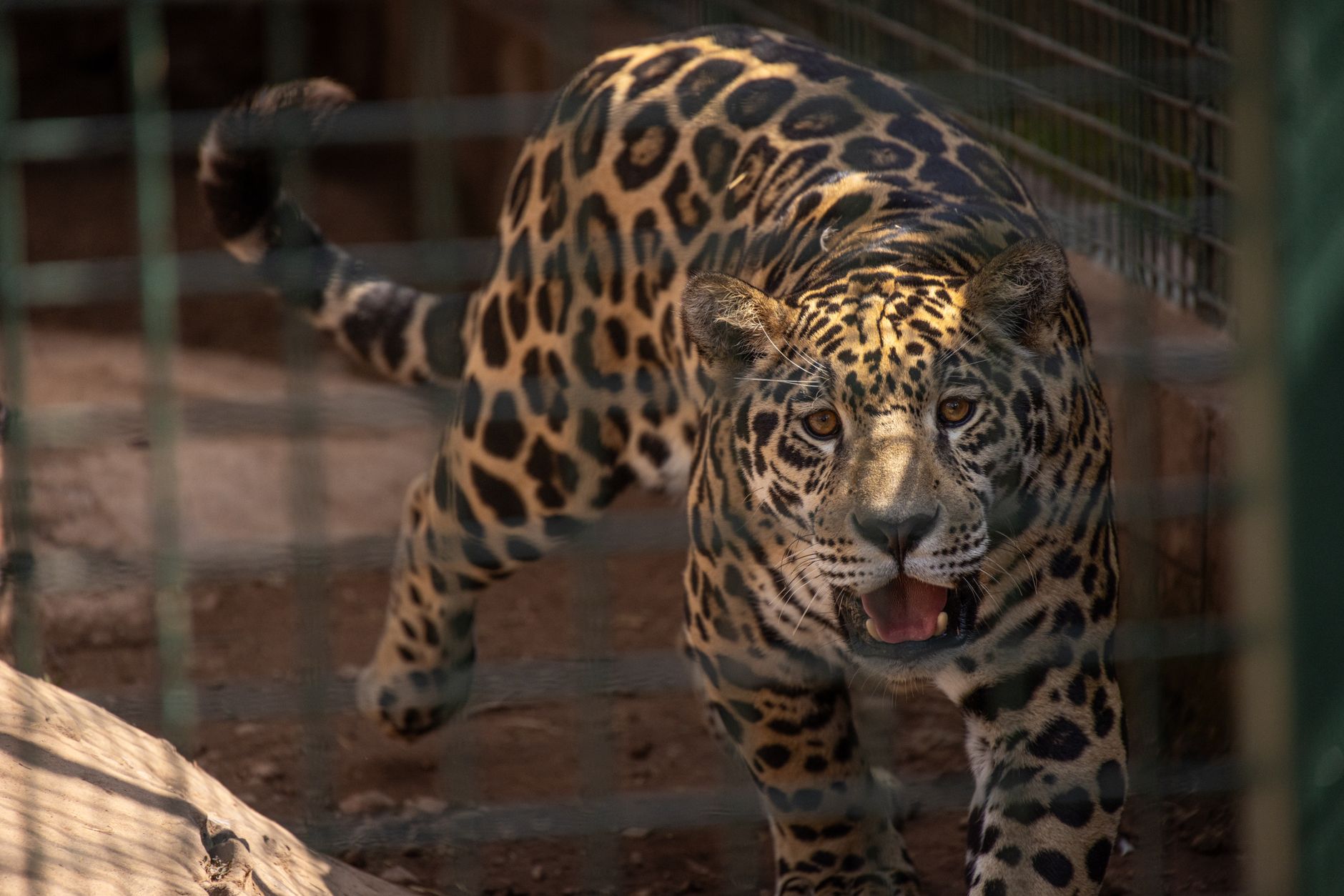
What Animals Do Jaguars Hunt? Unveiling the Apex Predator’s Diet
The diverse diet of jaguars is essential to their survival as apex predators; what animals do jaguars hunt includes a wide range of species, from capybaras and peccaries to caimans and even anacondas, depending on habitat and prey availability.

Jaguars, the largest cats in the Americas, are renowned for their power and adaptability. Their diet is a crucial aspect of their ecological role and survival. Understanding what animals do jaguars hunt requires examining their diverse habitats, hunting strategies, and prey preferences. This article delves into the fascinating world of the jaguar’s dietary habits, providing insights into their role as apex predators.
The Jaguar’s Habitat and Hunting Grounds
Jaguars (Panthera onca) are found in a variety of habitats, ranging from the dense rainforests of the Amazon to the grasslands and swamps of the Pantanal. Their habitat significantly influences what animals do jaguars hunt.
- Rainforests: Provide cover for ambush and support a wide variety of prey species.
- Swamps and Wetlands: Offer opportunities to hunt aquatic and semi-aquatic animals.
- Grasslands and Open Woodlands: Require jaguars to adapt their hunting strategies to less dense vegetation.
Key Prey Species of the Jaguar

The jaguar’s diet is incredibly varied and opportunistic. Prey size can range from small rodents to large tapirs, demonstrating their adaptability and hunting prowess. Here’s a breakdown of some of their key prey:
- Capybaras: Large semi-aquatic rodents, a common and often preferred prey item.
- Peccaries: Wild pigs found in herds, providing a substantial meal.
- Caimans: Reptilian predators themselves, showcasing the jaguar’s strength and hunting skills.
- Anacondas: Large snakes that jaguars occasionally target, especially in wetlands.
- Tapirs: Large herbivores found in rainforests, providing a significant source of food.
- Deer: Common ungulate prey in various habitats.
- Monkeys: Primates that jaguars can successfully ambush in forested areas.
- Fish and Turtles: Important sources of food in aquatic environments.
- Livestock: In areas where human settlements encroach on jaguar habitat, livestock may become prey.
Hunting Strategies: The Art of the Ambush
Jaguars are primarily ambush predators. They rely on stealth and surprise to catch their prey. Their powerful build and strong jaws allow them to deliver a killing bite that is particularly effective.
- Stalking: Moving silently through dense vegetation to get close to the target.
- Ambush: Waiting patiently in a hidden location for prey to approach.
- Killing Bite: Delivering a powerful bite to the skull or neck, often crushing the prey’s skull.
- Swimming: Hunting aquatic prey by swimming and ambushing from the water.
Factors Influencing Prey Selection
What animals do jaguars hunt can be influenced by several factors, including:
- Prey Availability: Jaguars tend to focus on the most abundant and accessible prey species in their habitat.
- Prey Size and Difficulty: They will target prey that provides a sufficient energy return for the effort involved.
- Competition: The presence of other predators can influence prey selection.
- Habitat: The type of habitat dictates the types of prey species available.
The Jaguar’s Ecological Role
As apex predators, jaguars play a crucial role in maintaining the health and stability of their ecosystems. By controlling populations of their prey, they help prevent overgrazing and maintain biodiversity. Understanding what animals do jaguars hunt is key to understanding their broader ecological impact.
Here’s a table summarizing key prey and habitats:
| Prey Species | Habitat | Significance |
|---|---|---|
| Capybara | Wetlands, grasslands | Common, readily available |
| Peccary | Forests, grasslands | Found in herds, substantial meal |
| Caiman | Wetlands, rivers | Requires strength and skill to hunt |
| Tapir | Rainforests | Large, important food source |
| Deer | Various | Common ungulate prey |
| Fish | Rivers, lakes | Important aquatic resource |
The Impact of Habitat Loss and Human Activity
Habitat loss and human encroachment are major threats to jaguar populations. As their habitat shrinks, jaguars are forced to hunt in smaller areas, increasing the likelihood of conflict with humans and livestock. Understanding what animals do jaguars hunt becomes even more critical in these situations, as it helps inform conservation efforts.

Frequently Asked Questions About the Jaguar’s Diet
Here are some frequently asked questions to further understand the dietary habits of the magnificent jaguar.
What is the primary prey of jaguars in the Amazon rainforest?
In the Amazon rainforest, jaguars primarily hunt capybaras, peccaries, and various species of reptiles and fish. The dense vegetation and abundant water sources provide a rich variety of prey options, but these are the most frequently targeted.
Do jaguars hunt caimans, and if so, how?
Yes, jaguars do hunt caimans, showcasing their remarkable strength and hunting skills. They typically ambush caimans from the riverbank, delivering a powerful bite to the head or neck to crush the skull.
Are jaguars known to eat anacondas?
While not a common occurrence, jaguars have been known to prey on anacondas. This typically happens in wetland environments where both species are present. The jaguar’s strength and powerful bite allow it to subdue the large snake.
Do jaguars ever hunt livestock?
Unfortunately, in areas where jaguar habitat overlaps with human settlements, jaguars may occasionally prey on livestock. This can lead to conflict with humans and underscores the importance of conservation efforts that minimize such interactions.
How does habitat loss affect the jaguar’s diet?
Habitat loss forces jaguars into smaller areas, reducing prey availability and increasing competition. This can lead them to hunt less desirable prey or even livestock, increasing conflict with humans.
What role do jaguars play in their ecosystems?
Jaguars are apex predators, meaning they are at the top of the food chain. Their hunting habits help regulate prey populations, preventing overgrazing and maintaining biodiversity.
Are jaguars picky eaters?
No, jaguars are opportunistic hunters and will eat a wide variety of animals. They are not particularly picky and will adapt their diet based on what is available in their environment. Their diet includes over 85 known species.
How do jaguars find their prey?
Jaguars rely on their excellent senses of sight and hearing to locate prey. They are also adept at using their sense of smell to track animals. Their stalking and ambush techniques are highly refined.
Do young jaguars learn how to hunt from their mothers?
Yes, young jaguars learn essential hunting skills from their mothers. They will observe their mothers hunting and gradually learn to stalk, ambush, and kill prey on their own.
How does the jaguar’s bite force compare to other big cats?
Jaguars have the strongest bite force of any big cat relative to their size. This allows them to kill prey with a single bite to the skull or neck, even those with tough hides or shells.
What conservation efforts are in place to protect jaguars and their prey?
Various conservation efforts are underway, including habitat protection, anti-poaching patrols, and community education programs. Protecting the jaguar’s prey base is crucial for its survival.
Is there variation in jaguar diet across different geographical regions?
Yes, there is significant variation. For instance, jaguars in the Pantanal might rely more heavily on capybaras and caimans, while those in the Yucatan Peninsula could primarily prey on peccaries and deer. So what animals do jaguars hunt depends entirely on their geographic region.