

What Animals Can You Shoot With a .308?
The .308 Winchester cartridge is a versatile and powerful round suitable for a wide range of game; the .308 can ethically harvest everything from varmints to larger ungulates, assuming proper shot placement and within appropriate ethical hunting ranges.

Introduction: The .308 Winchester’s Reputation
The .308 Winchester cartridge holds a prominent position in the world of hunting. Renowned for its accuracy, manageable recoil, and widespread availability, it’s a popular choice for both novice and experienced hunters alike. Understanding the capabilities and limitations of this caliber is crucial for ethical and effective hunting. Knowing what animals can you shoot with a .308? successfully is not just about legality, but also about responsible and humane harvesting of game.
A Versatile Cartridge: Defining the .308’s Capabilities
The .308 Winchester is a centerfire rifle cartridge, originally developed in the 1950s as a civilian counterpart to the 7.62x51mm NATO military round. Its flat trajectory and sufficient energy make it suitable for medium to large game at reasonable distances. However, choosing the right bullet weight and construction is paramount for maximizing its effectiveness on different species.
- Bullet Weight: Ranges from 110 grains to 180 grains.
- Effective Range: Typically considered out to 400 yards for ethical hunting.
- Game Suitability: From varmints to elk, with appropriate bullet selection.
Game Size and Ethical Considerations
Choosing the right game for the .308 is critical for ethical hunting. While it’s capable of taking down larger animals, it’s important to understand its limitations and ensure a clean, humane kill.
Consider the following:
- Shot Placement: Crucial for all game, but especially important on larger animals.
- Range: Keep shots within your comfortable and ethical range, generally under 400 yards.
- Bullet Choice: Select a bullet designed for the size and type of game you’re hunting.
Animals Suited for the .308 Winchester
What animals can you shoot with a .308? Here’s a breakdown of common game species suitable for the .308, along with considerations for each:
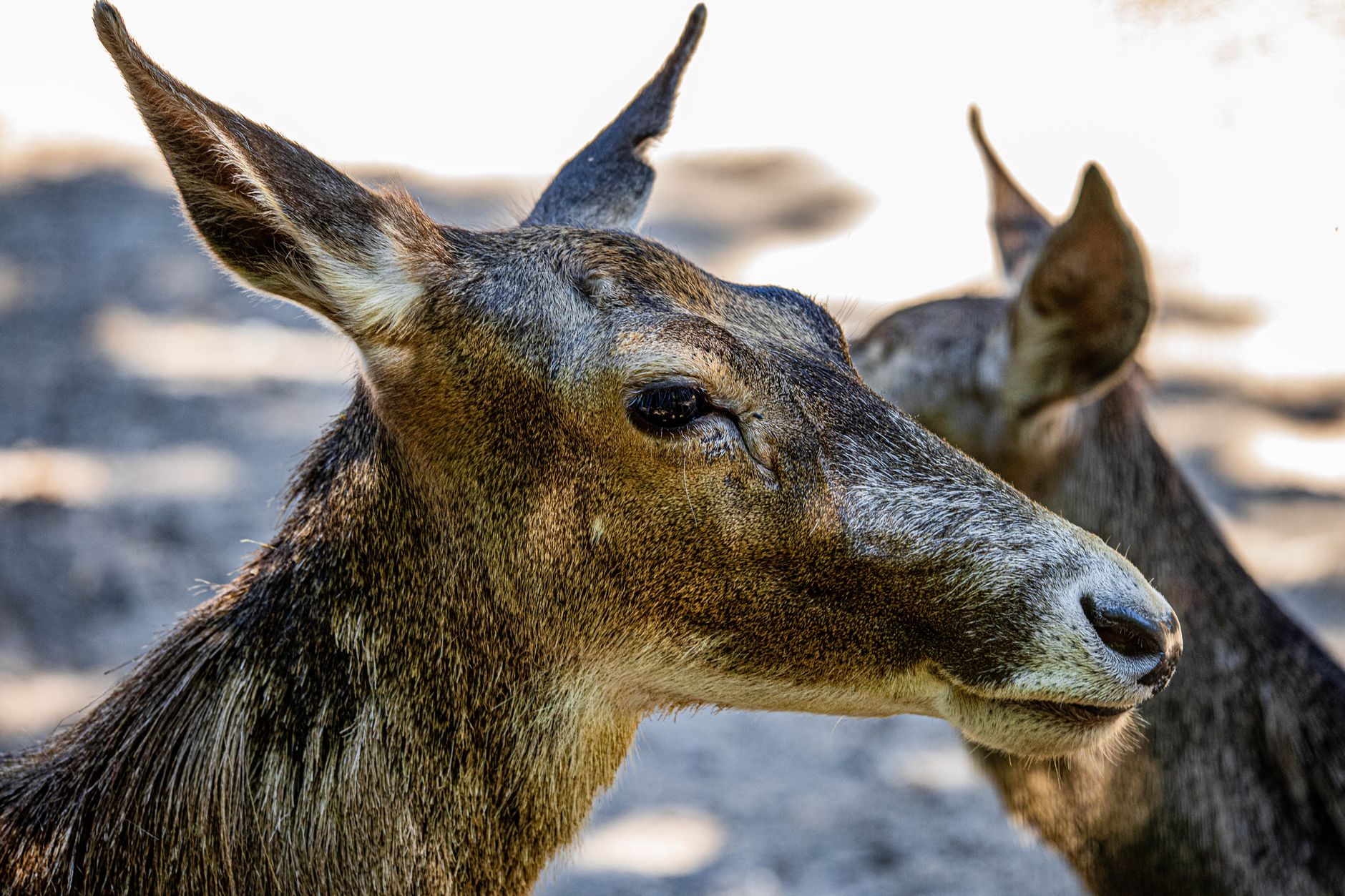
- Deer (Whitetail, Mule Deer, Blacktail): An excellent choice, providing clean kills with proper shot placement. Bullet weight of 150-165 grains is often recommended.
- Elk: The .308 is considered adequate for elk at reasonable ranges, especially for smaller-bodied elk or cows. Opt for heavier bullets (165-180 grains) with robust construction.
- Black Bear: A suitable option for black bear, provided you use a durable bullet designed for penetration. 165-180 grain bullets are advised.
- Wild Hogs: The .308 is highly effective on wild hogs, especially when using controlled-expansion bullets.
- Antelope (Pronghorn): A good choice for antelope, with lighter bullets (130-150 grains) offering a flatter trajectory.
- Coyotes: Effective for coyote hunting at longer ranges than smaller calibers. Lighter, faster bullets are preferred.
- Varmints (Groundhogs, Prairie Dogs): While not typically the first choice, the .308 can be used with lighter, frangible bullets for varmint hunting.
Choosing the Right Ammunition
Ammunition selection is paramount when considering what animals can you shoot with a .308? Different bullets are designed for different purposes.
| Bullet Type | Game Suitability |
|---|---|
| Soft Point | Deer, Hogs – Provides rapid expansion, good energy transfer |
| Polymer Tip | Deer, Antelope – Offers a flat trajectory, rapid expansion |
| Bonded Core | Elk, Bear, Hogs – Delivers deep penetration, holds together well |
| Controlled Expansion | Elk, Bear, Hogs – Controlled expansion for deep penetration with good weight retention |
| Frangible | Varmints – Designed to fragment on impact, minimizing ricochet |
Common Mistakes and How to Avoid Them
Many hunters make common mistakes that can negatively impact their hunting success and ethical responsibility.
- Taking Shots Beyond Ethical Range: Know your limits and the limitations of the cartridge.
- Using the Wrong Ammunition: Choose a bullet designed for the specific game you’re hunting.
- Poor Shot Placement: Practice consistently to ensure accurate shot placement.
- Underestimating the Animal’s Size: Err on the side of caution when choosing a cartridge.
- Failing to Practice: Regular practice is crucial for maintaining proficiency.
Legal Considerations
Before hunting, it is crucial to consult local hunting regulations. These regulations dictate which animals can be hunted, during which seasons, and with what caliber restrictions. Ignoring these regulations can result in serious legal consequences. Regulations can vary significantly by state and even by specific hunting units.

FAQs: Deeper Insights into .308 Hunting
Is the .308 powerful enough for elk?
The .308 can be sufficient for elk, especially smaller-bodied animals or cows, at reasonable ranges (under 300 yards). However, it’s crucial to use heavy, well-constructed bullets (165-180 grains) and prioritize excellent shot placement. Some hunters prefer larger calibers for elk, particularly for bulls.
What is the maximum ethical range for deer hunting with a .308?
While the .308 can be accurate at longer distances, the maximum ethical range for deer hunting is generally considered to be around 400 yards. This assumes you have practiced extensively at that range and are confident in your ability to place a shot accurately.
What is the best bullet weight for deer hunting with a .308?
A bullet weight of 150-165 grains is generally considered optimal for deer hunting with a .308. These weights provide a good balance of velocity, energy, and penetration.
Can I use a .308 for moose hunting?
While the .308 can be used for moose, it is generally considered to be on the light side. It’s essential to use heavy, premium bullets and keep shots at closer ranges. Many experienced moose hunters prefer larger calibers.
Is the .308 suitable for hunting in thick brush?
The .308 can be effective in brush, but it’s important to use bullets that penetrate well and are less likely to be deflected by vegetation. Heavier, bonded-core bullets are a good choice.
What is the difference between a .308 and a 7.62x51mm NATO round?
While the .308 Winchester and 7.62x51mm NATO are similar, they are not identical. There can be slight differences in chamber dimensions and pressure levels. While most modern .308 rifles can safely fire 7.62x51mm NATO ammunition, it’s always best to consult your rifle’s manufacturer.
How does recoil compare between a .308 and other common hunting calibers?
The .308 has moderate recoil, which is generally considered manageable for most hunters. It has more recoil than smaller calibers like the .243 Winchester, but less than larger calibers like the .300 Winchester Magnum.
What is the optimal barrel length for a .308 hunting rifle?
A barrel length of 22-24 inches is generally considered optimal for a .308 hunting rifle. This length provides a good balance of velocity, accuracy, and maneuverability.
How important is it to sight in my .308 rifle before hunting season?
Sighting in your rifle before hunting season is absolutely critical. This ensures that your rifle is shooting accurately and that you can make ethical shots.
What are some signs of an ethical shot on an animal?
Signs of an ethical shot include the animal dropping immediately or running a short distance before collapsing. A clean pass-through wound with blood on both sides of the animal is also a good sign.
What should I do if I wound an animal?
If you wound an animal, it’s crucial to follow it up immediately and humanely dispatch it. Mark the location of the shot and carefully track the animal, paying attention to blood trails and other signs.
How do I clean and maintain my .308 rifle?
Regular cleaning and maintenance are essential for ensuring the reliability and accuracy of your .308 rifle. Clean the barrel and action after each use, and lubricate the moving parts. Consult your rifle’s owner’s manual for specific cleaning instructions.