

What Animal Eats Bumblebee Bats? A Tiny Bat’s Predatory Peril
The bumblebee bat, one of the world’s smallest mammals, faces predation from a variety of creatures, including spiders, snakes, birds of prey, and larger mammals, making survival a constant challenge. What animal eats bumblebee bats? is a question answered by the unfortunate reality that this tiny bat is vulnerable to numerous predators in its limited habitat.

Introducing the Bumblebee Bat: A Miniature Marvel
The bumblebee bat (Craseonycteris thonglongyai), also known as Kitti’s hog-nosed bat, is a truly remarkable creature. Weighing in at a mere two grams and measuring just over an inch in length, it’s no wonder they are considered the smallest bat and one of the smallest mammals on Earth. Found only in a small region of western Thailand and southeastern Myanmar, their restricted range makes them particularly vulnerable to environmental changes and, of course, predation. These insectivorous bats play a vital role in their ecosystem by controlling insect populations.
Habitat and Ecology
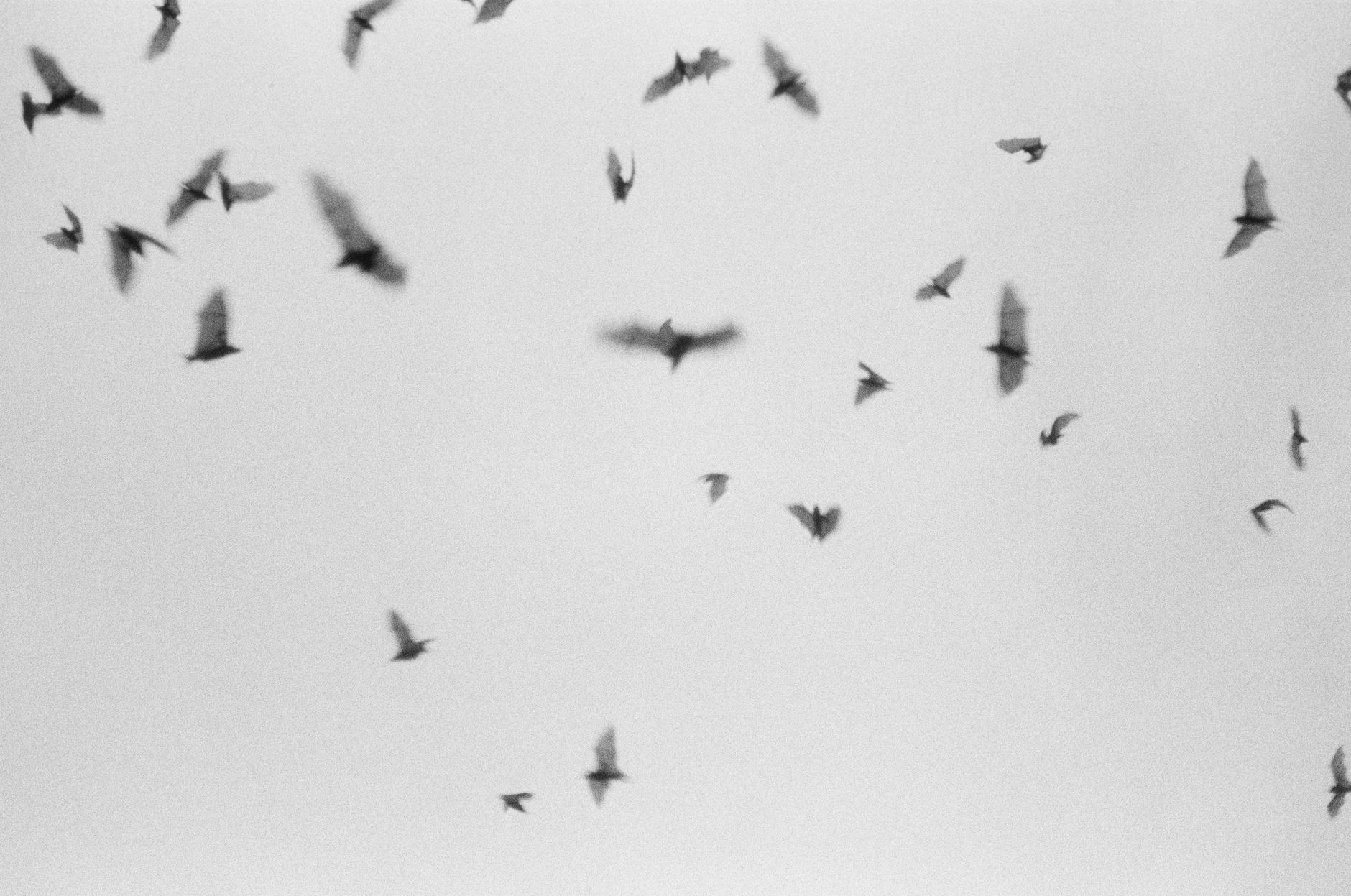
The bumblebee bat’s habitat is intricately linked to limestone caves. These caves provide roosting sites and shelter from the elements. Understanding the cave environment is crucial for understanding the bat’s survival. Their reliance on specific cave systems also makes them susceptible to disturbance, leading to increased vulnerability to predators.
- Cave Selection: They prefer warm and humid caves.
- Roosting Behavior: They roost in small colonies, often close to the cave entrance.
- Foraging Grounds: They forage for insects in nearby forests and along rivers.
The Food Chain and Bumblebee Bats
What animal eats bumblebee bats? Understanding this requires recognizing where they sit in the food chain. As insectivores, they consume a wide variety of small insects, including flies, wasps, and moths. In turn, they become prey for larger animals that share their habitat or patrol their foraging areas. The vulnerability of these bats stems from their small size and the fragmented nature of their habitat.
The Predators of Bumblebee Bats
Several predators pose a threat to bumblebee bats. These include:
- Spiders: Large spiders, particularly those that build webs near cave entrances, can trap and kill these small bats.
- Snakes: Snakes, such as rat snakes and pit vipers, are known to prey on bats in caves.
- Birds of Prey: Hawks, owls, and other predatory birds can snatch bats while they are foraging outside the caves.
- Larger Mammals: Civets, mongooses, and even larger bats may prey on bumblebee bats, although this is likely less common.
- Other: Even some large centipedes have been documented preying on bats.
The table below illustrates the primary predators and their hunting strategies.
| Predator | Hunting Strategy | Impact on Bat Population |
|---|---|---|
| Large Spiders | Webs near cave entrances | Locally significant |
| Snakes | Ambush predators within caves | Moderate |
| Birds of Prey | Aerial predation during foraging flights | Significant |
| Larger Mammals | Opportunistic predation near caves | Less frequent |
Factors Affecting Predation Risk
Several factors increase the vulnerability of bumblebee bats to predation:

- Small Size: Their diminutive size makes them easy targets.
- Limited Range: Their restricted geographic range concentrates the population and increases the likelihood of encountering predators.
- Cave Disturbance: Human disturbance of cave roosts can force bats to fly more frequently, increasing their exposure to predators.
- Habitat Loss: Deforestation and habitat degradation reduce insect prey availability, forcing bats to forage over larger areas and increasing their vulnerability.
Conservation Efforts
Protecting bumblebee bats requires a multi-faceted approach that addresses both habitat loss and direct threats from predators. Conservation efforts focus on:
- Cave Protection: Protecting and managing cave roost sites.
- Habitat Restoration: Restoring and preserving the surrounding forests and foraging habitats.
- Community Engagement: Educating local communities about the importance of bat conservation.
- Research and Monitoring: Monitoring bat populations and their predators to assess the effectiveness of conservation efforts.
The Future of Bumblebee Bats
The future of bumblebee bats hinges on successful conservation efforts. Addressing the threats they face, particularly predation and habitat loss, is crucial for ensuring their survival. Continued research and collaboration between scientists, conservationists, and local communities are essential for safeguarding this miniature marvel for future generations.
Understanding the Predatory Landscape: What Animal Eats Bumblebee Bats? A Summary
In summary, what animal eats bumblebee bats? The answer is a wide array of predators, including spiders, snakes, birds of prey, and larger mammals. Protecting these tiny bats requires dedicated conservation efforts focused on habitat preservation and predator management.
Frequently Asked Questions (FAQs)
What is the primary diet of bumblebee bats?
The primary diet of bumblebee bats consists of small insects, including flies, wasps, and moths. They are insectivores and play a vital role in controlling insect populations within their ecosystem. Their foraging behavior is adapted to catching these small insects on the wing.
Where are bumblebee bats found?
Bumblebee bats are found in a very limited geographic range, specifically in western Thailand and southeastern Myanmar. This restricted range makes them particularly vulnerable to habitat loss and other threats. Their habitat is closely tied to specific limestone cave systems.
Are bumblebee bats endangered?
Yes, bumblebee bats are listed as Vulnerable by the International Union for Conservation of Nature (IUCN). This classification reflects the threats they face, including habitat loss, disturbance of their roosting sites, and predation. Conservation efforts are crucial for their long-term survival.
How do bumblebee bats avoid predators?
Bumblebee bats rely on several strategies to avoid predators. They typically roost in caves that offer some degree of protection, and they forage at night when many predators are less active. Their small size and agile flight also help them evade capture.
How many bumblebee bats are estimated to exist in the wild?
Estimating the exact population size of bumblebee bats is challenging due to their secretive nature and limited range. However, the population is believed to be relatively small, possibly only a few thousand individuals. Regular monitoring is essential to track population trends.
What role do bumblebee bats play in their ecosystem?
Bumblebee bats play an important role in their ecosystem as insectivores. They help control insect populations, which can have a positive impact on the health of forests and agricultural areas. Their presence is an indicator of a healthy ecosystem.
Can humans help protect bumblebee bats?
Yes, humans can play a significant role in protecting bumblebee bats. Supporting conservation organizations, advocating for habitat protection, and avoiding disturbance of cave roosts are all important actions. Education and awareness are also crucial for fostering a sense of responsibility.
Are there any captive breeding programs for bumblebee bats?
Due to their delicate nature and specialized habitat requirements, there are no established captive breeding programs for bumblebee bats. Conservation efforts focus primarily on protecting their natural habitat and addressing the threats they face in the wild. In-situ conservation is the priority.
What are the main threats to bumblebee bat populations?
The main threats to bumblebee bat populations include habitat loss due to deforestation and limestone quarrying, disturbance of their cave roosts by human activities, and predation by various animals. Climate change may also pose a threat in the long term. Addressing these threats requires a collaborative effort.
How can cave protection help bumblebee bats?
Protecting caves that bumblebee bats use for roosting is crucial for their survival. Caves provide shelter from the elements and protection from predators. Conserving the surrounding habitat also ensures that the bats have access to foraging areas. Cave protection is a cornerstone of conservation efforts.
How does deforestation affect bumblebee bats?
Deforestation reduces the availability of insect prey for bumblebee bats. It also increases their vulnerability to predators by removing the forest cover that provides protection during foraging. Habitat fragmentation can also isolate bat populations and reduce genetic diversity.
What are some of the challenges in studying bumblebee bats?
Studying bumblebee bats presents several challenges due to their small size, secretive nature, and limited range. They are difficult to track and monitor, and their habitat can be difficult to access. Innovative research methods are needed to better understand their ecology and conservation needs.