
What Affects Bird Migration?
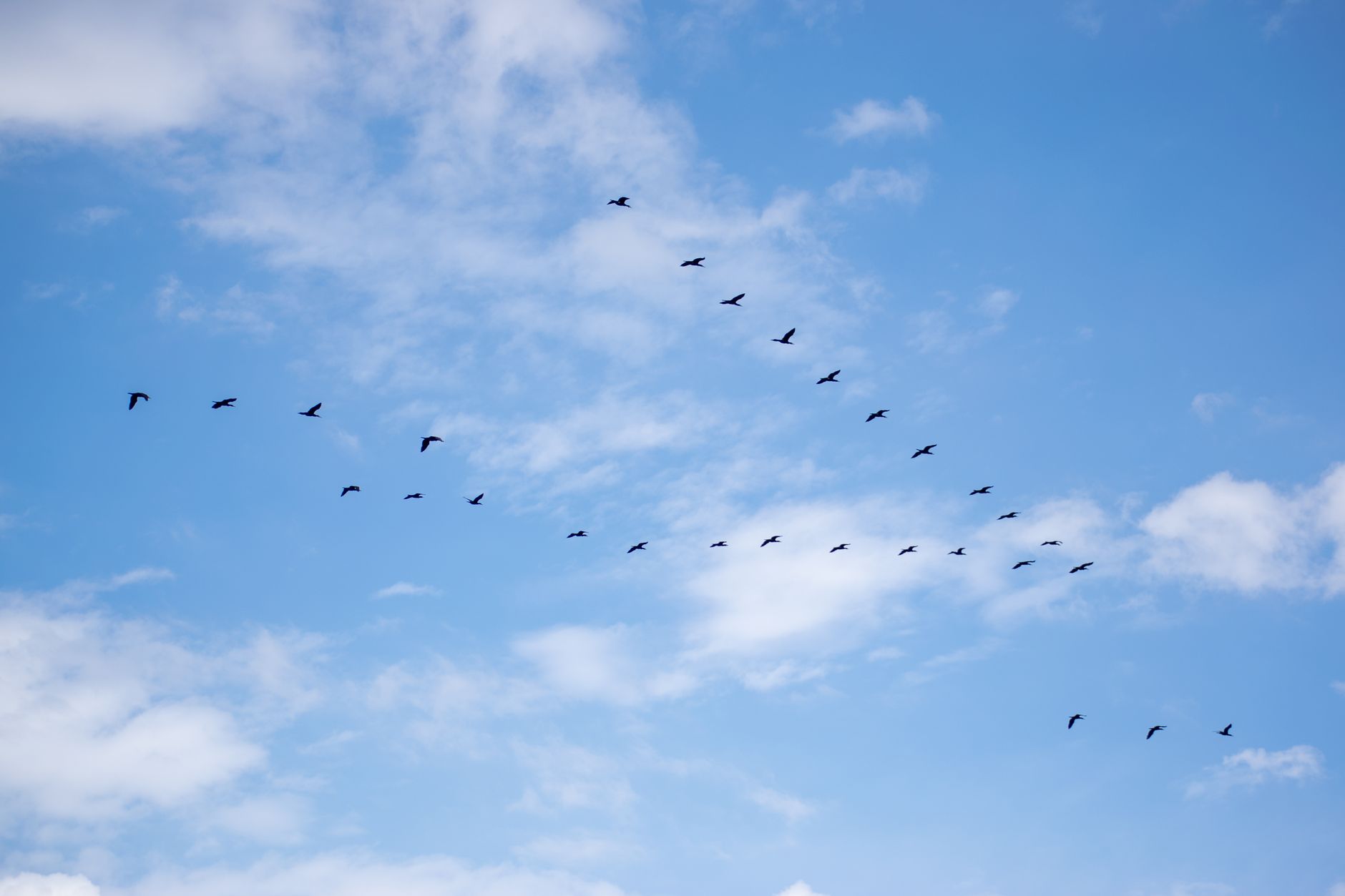
Bird migration is a complex phenomenon influenced by a multitude of factors. Climate change, habitat loss, food availability, and predation are just some of the key influences that determine what affects bird migration patterns, timing, and success.
Introduction to Bird Migration: A Global Spectacle
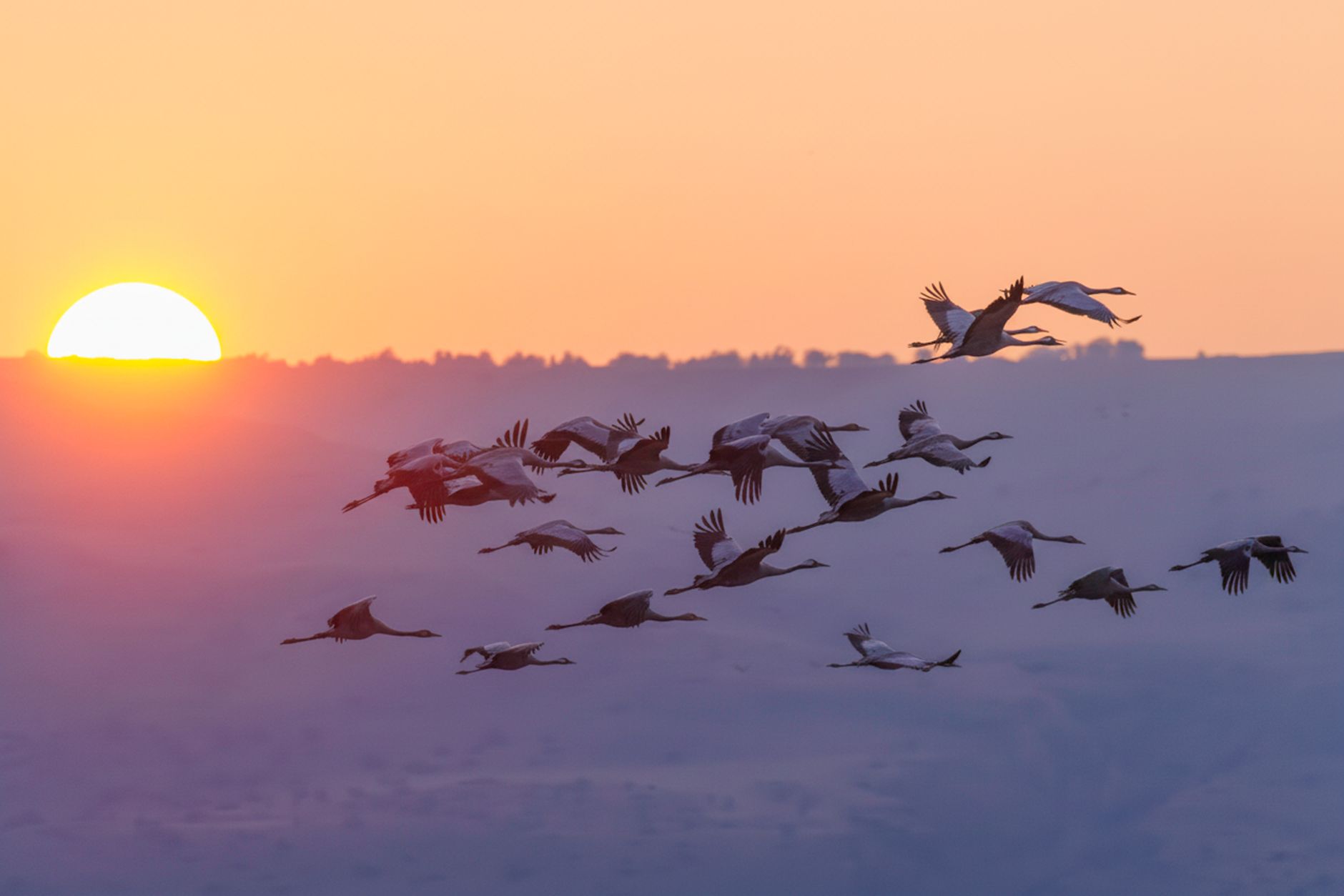
Bird migration, one of nature’s most breathtaking spectacles, has fascinated ornithologists and nature enthusiasts for centuries. Billions of birds embark on perilous journeys each year, crossing continents and oceans to exploit seasonally abundant resources and find suitable breeding grounds. But what affects bird migration is a complex interplay of internal biological drives and external environmental cues. Understanding these influences is crucial for conservation efforts aimed at protecting migratory bird populations in a rapidly changing world.
Benefits of Migration

Migration is an energetically demanding undertaking, so why do birds do it? The benefits outweigh the risks for many species.
- Exploitation of Seasonal Resources: Birds migrate to areas where food is abundant during specific times of the year. This might include insects, fruits, seeds, or even other animals.
- Optimal Breeding Conditions: Breeding grounds often provide more favorable nesting sites, reduced predation pressure, and longer daylight hours, all crucial for raising healthy young.
- Avoidance of Harsh Weather: Birds escape harsh winter conditions in northern latitudes by migrating to warmer climates where food remains available.
The Process of Bird Migration: Navigation and Orientation
Bird migration is not simply a random movement; it is a precisely orchestrated event involving sophisticated navigational skills.
- Internal Compass: Birds possess an innate sense of direction, guided by the Earth’s magnetic field.
- Solar Navigation: They use the position of the sun to orient themselves during the day.
- Star Navigation: At night, some species rely on star patterns for guidance.
- Landmark Recognition: Familiar landmarks, such as mountain ranges and coastlines, also play a role.
- Olfactory Cues: Some studies suggest that birds may also use their sense of smell to navigate.
Key Factors Affecting Migration
Multiple factors influence the initiation, timing, and success of bird migration.
- Genetics: Inherited traits dictate the general migratory route and timing for many species.
- Photoperiod: Changes in day length (photoperiod) trigger hormonal changes that prepare birds for migration.
- Weather: Wind, temperature, and precipitation can significantly impact migration. Tailwinds can assist birds, while strong headwinds or storms can force them to alter their routes or delay their journeys.
- Food Availability: The availability of food resources along the migratory route and at the destination plays a crucial role in fueling the energy demands of the journey.
- Habitat Loss: Destruction and degradation of stopover sites and breeding/wintering grounds can severely impact migratory bird populations.
- Predation: Increased predation pressure at stopover sites or during migration can reduce survival rates.
- Climate Change: Shifting climate patterns are altering migration routes, timing, and the availability of resources. Mismatches between the timing of migration and the availability of food can lead to population declines.
- Light Pollution: Artificial light at night can disorient migrating birds, leading to collisions with buildings and other structures.
- Pollution: Contaminants and pollutants can weaken birds, making them more susceptible to disease and predation.
Understanding Mismatches Due to Climate Change
One of the most pressing challenges facing migratory birds is the increasing mismatch between their migration timing and the availability of resources due to climate change. As temperatures rise and seasons shift, the timing of insect emergence, flowering plants, and other food sources may change, leaving birds arriving at their breeding grounds with insufficient food to raise their young.
| Factor | Impact on Migration Timing | Example |
|---|---|---|
| Temperature Rise | Earlier arrival | Some species arrive earlier at breeding grounds due to warmer spring temperatures. |
| Phenological Shifts | Mismatched resource availability | Insect emergence no longer coincides with peak chick-rearing demand. |
| Habitat Alteration | Route changes | Birds may need to alter their migration routes due to habitat loss and degradation caused by climate change. |
Conservation Efforts and Mitigating Negative Impacts
Protecting migratory birds requires a multifaceted approach.

- Habitat Conservation: Preserving and restoring critical stopover sites, breeding grounds, and wintering areas is essential.
- Reducing Light Pollution: Implementing measures to reduce artificial light at night can help prevent bird collisions.
- Combating Climate Change: Addressing climate change through reducing greenhouse gas emissions is crucial for mitigating the long-term impacts on migratory birds.
- Reducing Pollution: Minimizing pollution from pesticides, industrial chemicals, and other sources can improve bird health and survival.
- Sustainable Agriculture: Promoting farming practices that minimize habitat loss and pesticide use can benefit migratory birds.
- Education and Awareness: Raising public awareness about the importance of migratory birds and the threats they face is vital for garnering support for conservation efforts.
Frequently Asked Questions
What is the primary driver of bird migration?
The primary driver of bird migration is the seasonal change in resource availability, particularly food. Birds migrate to areas where food is abundant during specific times of the year, allowing them to maximize their reproductive success and survival rates.
How do birds navigate during migration?
Birds use a combination of cues to navigate, including the Earth’s magnetic field, the position of the sun and stars, and familiar landmarks. They possess an innate sense of direction and are capable of learning and remembering routes over long distances.
What is a “stopover site,” and why is it important?
A stopover site is a location where migrating birds rest and refuel during their journey. These sites are crucial for providing birds with the energy they need to complete their migration successfully. Loss of stopover habitat is a significant threat to migratory bird populations.
How does climate change affect bird migration?
Climate change affects migration in multiple ways, including altering the timing of migration, disrupting food availability, and causing habitat loss. This can lead to mismatches between the timing of migration and the availability of resources, resulting in population declines.
What are the main threats to migratory birds?
The main threats to migratory birds include habitat loss, climate change, predation, pollution, and collisions with buildings and other structures. These threats can significantly reduce survival rates and impact population sizes.
Can light pollution affect bird migration?
Yes, light pollution can disorient migrating birds, leading to collisions with buildings and other structures. Artificial light at night attracts birds, causing them to deviate from their intended routes and increasing the risk of injury or death.
What can individuals do to help protect migratory birds?
Individuals can help protect migratory birds by reducing their carbon footprint, supporting habitat conservation efforts, reducing light pollution, avoiding the use of pesticides, and planting native plants to provide food and shelter for birds.
Are all bird species migratory?
No, not all bird species are migratory. Some species are resident, meaning they stay in the same area year-round. Other species exhibit partial migration, where some individuals migrate while others remain resident.
Why do some birds migrate at night?
Many birds migrate at night to avoid predators, take advantage of cooler temperatures, and reduce water loss. Nighttime migration also allows birds to use the stars for navigation.
How far do birds migrate?
The distance birds migrate varies greatly depending on the species. Some birds travel only a few miles, while others undertake epic journeys of thousands of miles, such as the Arctic Tern, which migrates from the Arctic to Antarctica and back each year.
What is the role of genetics in bird migration?
Genetics plays a crucial role in determining the timing and route of migration. Genes influence the internal clock that triggers migration and provide birds with the innate sense of direction needed to navigate.
What is being done to study and track bird migration?
Scientists use a variety of techniques to study and track bird migration, including banding, radio telemetry, GPS tracking, and stable isotope analysis. These methods provide valuable insights into migration routes, timing, and the factors influencing bird movements. Understanding what affects bird migration is a constantly evolving field thanks to these technologies.