

Should You Let Bird Feeders Go Empty? The Definitive Guide
Allowing your bird feeders to go empty can inadvertently harm local bird populations. The answer is a qualified no: while seasonal breaks can be beneficial, consistently empty feeders can disrupt feeding patterns and create dependency issues. Should you let bird feeders go empty? This article will guide you on the best practices for maintaining your feeders and ensuring the well-being of your feathered friends.
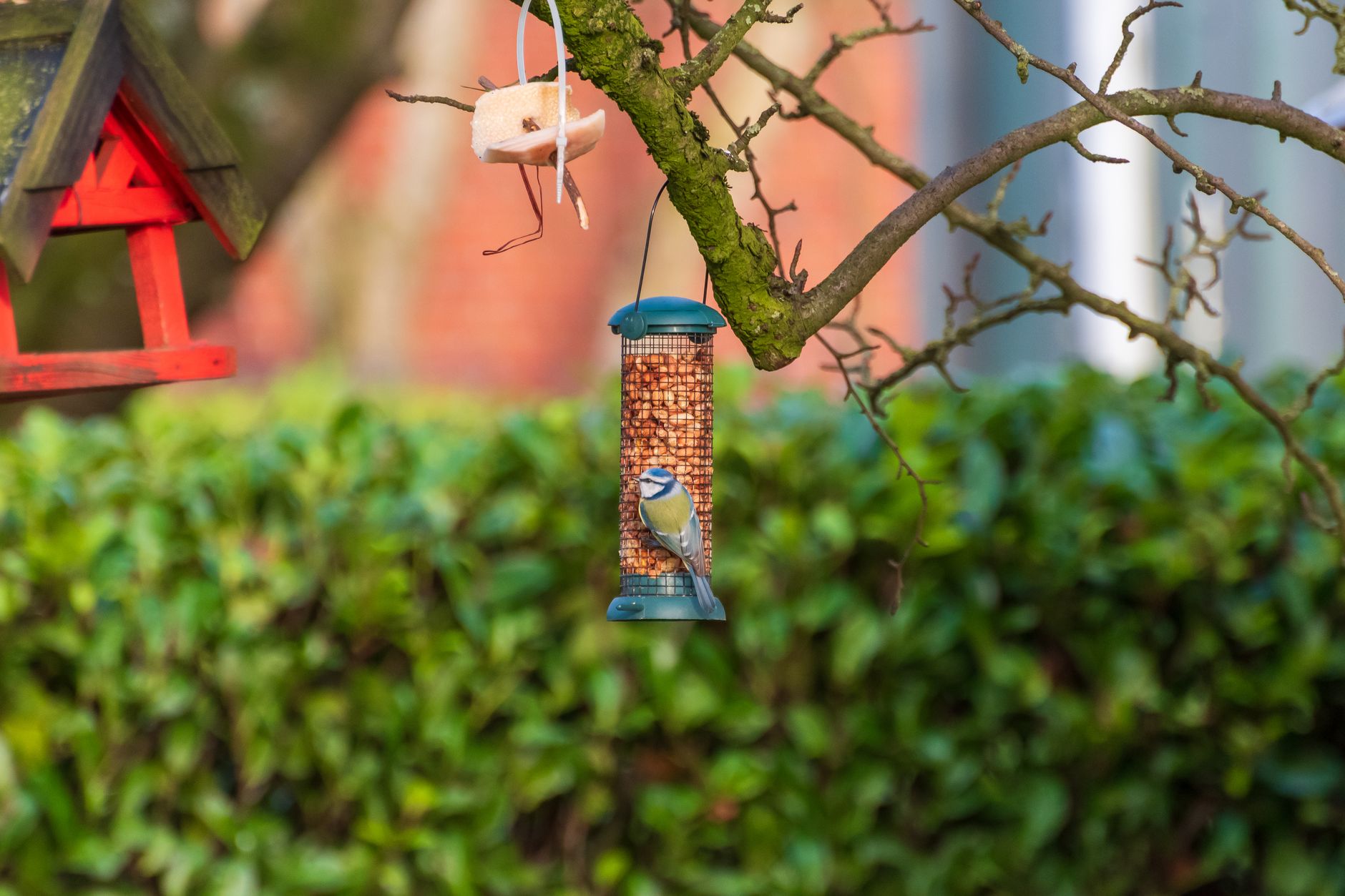
The Allure and Responsibility of Bird Feeding
Bird feeding is a delightful hobby, bringing nature closer and allowing us to observe diverse bird species. However, this interaction comes with a responsibility to provide consistent and healthy support. Bird feeders, once established, become a reliable food source for local birds, especially during harsh weather conditions or breeding seasons.
Understanding Bird Dependence

While providing supplemental food can be beneficial, it’s essential to understand the concept of bird dependence. Birds are opportunistic foragers, and a readily available food source like a bird feeder can become part of their daily routine. This is not inherently bad, but should you let bird feeders go empty suddenly and frequently, it can disrupt their established feeding patterns and force them to expend more energy searching for alternative sources, particularly during stressful periods.
Benefits of Maintaining Bird Feeders
Maintaining well-stocked and clean bird feeders offers several advantages:
- Supplemental Nutrition: Provides essential calories and nutrients, especially during lean times.
- Observation Opportunities: Allows close-up observation of a variety of bird species and their behaviors.
- Conservation Support: Helps birds thrive in urban and suburban environments where natural food sources may be limited.
- Education and Appreciation: Fosters a greater understanding and appreciation for the natural world.
The Potential Downsides of Empty Feeders
The question of should you let bird feeders go empty? also necessitates understanding the potential downsides:
- Disrupted Feeding Patterns: Birds rely on feeders, and sudden emptiness can cause stress and energy expenditure.
- Increased Competition: When feeders are empty, birds may congregate more intensely at remaining food sources, increasing competition and the risk of disease transmission.
- Dependency and Reduced Foraging Skills: Prolonged reliance on feeders could, in theory, reduce birds’ natural foraging abilities, though this is a complex issue with varying opinions among ornithologists.
- Attracting Unwanted Guests: Empty feeders can still attract rodents and other pests searching for scraps.
Best Practices for Bird Feeding
Here’s a guide for responsible bird feeding practices:
- Consistent Feeding: Maintain a consistent supply of food, especially during winter and breeding seasons.
- Variety of Food: Offer a variety of seeds, nuts, and suet to attract a diverse range of bird species.
- Clean Feeders Regularly: Clean feeders at least once every two weeks with soap and water to prevent the spread of diseases. More frequent cleaning may be required during wet weather.
- Strategic Placement: Position feeders in safe locations away from predators and potential hazards.
- Seasonal Considerations: Adjust feeding practices based on the season. During warmer months, natural food sources are more abundant, and you can reduce the frequency of filling feeders or take a break.
Taking a Break from Feeding
While consistent feeding is important, there are situations where taking a break from filling feeders can be beneficial:
- Abundant Natural Food: When natural food sources are plentiful (e.g., during fruit and berry season), birds may naturally decrease their reliance on feeders.
- Disease Outbreaks: If a local disease outbreak is reported, temporarily removing feeders can help prevent the spread of the illness.
- Vacation: If you are going on vacation, it’s better to empty the feeders completely rather than leaving them with only a small amount of food that could spoil. Clean the feeders before you leave.
- Pest Problems: If you are experiencing significant problems with rodents or other pests, temporarily removing feeders may help discourage them.
Seasonal Considerations: Adapting Your Feeding Strategy
Different seasons require different approaches to bird feeding.
| Season | Feeding Strategy |
|---|---|
| Winter | Maintain a consistent supply of high-energy foods like suet and black oil sunflower seeds. Provide a heated birdbath to ensure access to water. |
| Spring | Offer nesting materials like cotton fibers and short strands of yarn. Continue providing food to support breeding birds. |
| Summer | Reduce the frequency of feeding as natural food sources become more abundant. Focus on providing fresh water. Clean feeders more frequently to prevent bacterial growth. |
| Fall | Gradually increase the amount of food offered to help birds prepare for winter. Consider offering foods rich in fat and calories. |
Common Mistakes in Bird Feeding
- Neglecting Cleaning: Failing to clean feeders regularly is a major mistake that can lead to the spread of diseases.
- Offering Inappropriate Food: Avoid offering processed foods, bread, or other items that lack nutritional value and can be harmful to birds.
- Using Insecure Feeders: Choose sturdy feeders that are resistant to squirrels and other pests.
- Placing Feeders in Unsafe Locations: Ensure feeders are placed away from predators and potential hazards.

FAQs: Addressing Your Bird Feeding Questions
Is it cruel to stop filling bird feeders?
No, it’s not cruel to stop filling bird feeders, especially if you do it gradually or during a time when natural food sources are abundant. However, a sudden and abrupt cessation during harsh weather could potentially cause stress.
How long can birds go without food?
Birds have high metabolic rates and can only go a relatively short time without food. The exact duration depends on the species, size, and environmental conditions, but most birds need to eat daily to survive.
What happens if I go on vacation and can’t fill my feeders?
Before going on vacation, empty and clean your feeders thoroughly. It’s better to have empty feeders than feeders with spoiled or contaminated food. Ask a neighbor to refill them if possible.
Can birds become dependent on bird feeders?
Birds can become reliant on bird feeders, especially during winter, but they are still able to forage for natural food sources. This reliance is not necessarily harmful if feeders are maintained responsibly.
What is the best food to put in bird feeders?
Black oil sunflower seeds are a popular and nutritious choice. Other good options include suet, peanuts, and nyjer seeds, depending on the bird species you want to attract.
How often should I clean my bird feeders?
Clean your bird feeders at least once every two weeks, or more frequently if they are visibly dirty or wet. Use soap and water to thoroughly clean all parts of the feeder.
Are squirrels a problem for bird feeders?
Squirrels can be a major nuisance, but there are squirrel-resistant feeders available. Placement of the feeder is also important; locating it away from trees and other structures can help deter squirrels.
Can bird feeders attract rodents?
Yes, bird feeders can attract rodents. Clean up spilled seeds regularly and consider using feeders designed to minimize spillage.
Is it okay to feed birds bread?
Bread is not a nutritious food source for birds and can even be harmful. It’s best to avoid feeding birds bread altogether.
What should I do if I see a sick bird at my feeder?
Remove the feeder immediately and clean it thoroughly. Report any suspected disease outbreaks to your local wildlife agency.
Is it harmful to put out too much food?
Putting out too much food can lead to waste and attract unwanted pests. It’s best to put out only as much food as the birds can consume in a day or two.
What type of bird feeder is the best?
The best type of bird feeder depends on the bird species you want to attract and your personal preferences. Tube feeders, hopper feeders, and platform feeders are all popular options, each with its own advantages and disadvantages.