
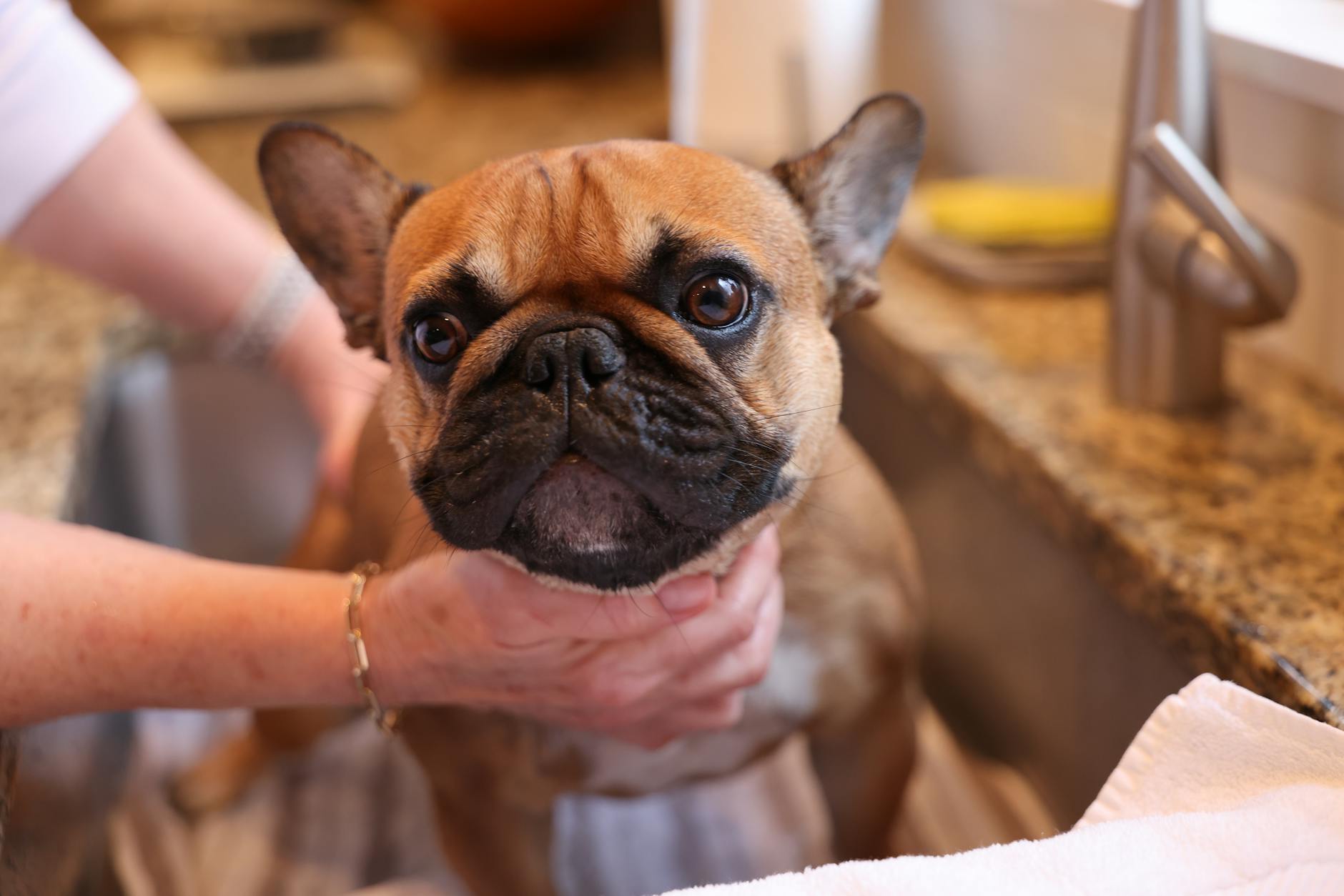
Should I Wash My Hands Every Time I Touch My Dog?
The answer isn’t a simple yes or no, but generally, it’s not necessary to wash your hands every single time you touch your dog. However, there are specific situations where handwashing is highly recommended to prevent the spread of bacteria and potential zoonotic diseases.

The Canine Connection: A Background
Dogs are beloved members of our families, offering companionship, loyalty, and unconditional love. They explore the world with their noses and mouths, and while they may seem clean, they can carry bacteria, parasites, and fungi on their fur and skin. Understanding the potential risks allows us to make informed decisions about hygiene. This is particularly important for vulnerable populations, such as children, the elderly, and individuals with weakened immune systems. The question of Should I wash my hands every time I touch my dog? stems from a legitimate concern for health and safety.
Benefits of Occasional Handwashing After Dog Contact
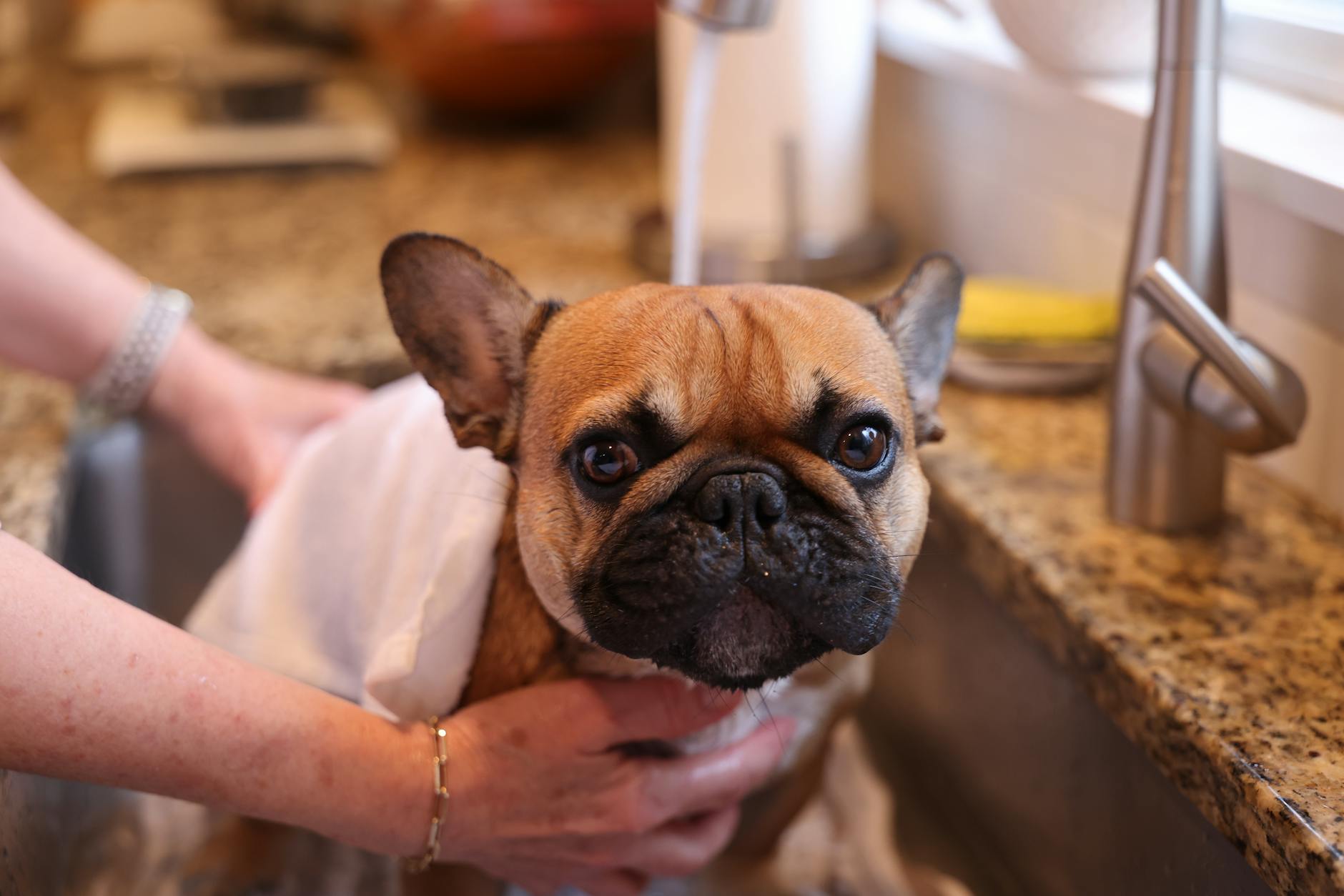
While constant handwashing isn’t required, there are clear benefits to washing your hands after interacting with your dog, especially in specific situations:
- Reduces the risk of zoonotic diseases: Dogs can carry bacteria like Salmonella and E. coli, as well as parasites like ringworm.
- Prevents the spread of germs: Even healthy dogs carry microbes that could cause illness in humans.
- Protects vulnerable individuals: Children, the elderly, and those with compromised immune systems are more susceptible to infections.
- Promotes overall hygiene: Washing your hands regularly is a good practice for preventing the spread of all kinds of germs.
When Handwashing is Essential
There are certain instances where washing your hands after touching your dog is crucial to protect your health:
- After handling dog feces: This is a must to prevent the spread of harmful bacteria and parasites.
- After your dog has been rolling in something dirty: Mud, dirt, or even animal carcasses can harbor dangerous pathogens.
- Before eating or preparing food: This prevents contamination of your food with germs from your dog.
- If you have any open wounds or cuts: To avoid infection, always wash your hands after touching your dog.
- After cleaning your dog’s bowl or toys: These items can be contaminated with bacteria.
- If your dog has a skin condition or infection: Increased risk of transmission to you.
The Correct Handwashing Technique
Proper handwashing is essential to effectively remove germs and bacteria. Follow these steps:
- Wet your hands with clean, running water (warm or cold).
- Apply soap and lather well.
- Scrub all surfaces of your hands – including the backs of your hands, between your fingers, and under your nails – for at least 20 seconds. Sing the “Happy Birthday” song twice!
- Rinse your hands thoroughly under running water.
- Dry your hands using a clean towel or air dry them.
Sanitizer as an Alternative?
While hand sanitizer can be a useful alternative when soap and water aren’t available, it’s not as effective at removing all types of germs. Choose a sanitizer that contains at least 60% alcohol and rub it into your hands until they are dry. Hand sanitizer is not a substitute for handwashing when your hands are visibly dirty.
Debunking Common Myths
| Myth | Reality |
|---|---|
| :————————————- | :——————————————————————————————————————————————————————————— |
| My dog is clean; I don’t need to wash. | Even clean dogs carry germs. |
| A quick rinse is enough. | You need to use soap and scrub for at least 20 seconds to effectively remove germs. |
| Hand sanitizer is always sufficient. | Soap and water are more effective, especially when hands are visibly dirty. |
| My immune system is strong enough. | Even with a strong immune system, you can still get sick from germs transmitted by your dog. Vulnerable populations are especially at risk. Regular handwashing reduces risk. |
Keeping Your Dog Clean and Healthy
Maintaining your dog’s hygiene can also help reduce the risk of germ transmission. Consider these tips:
- Regular bathing: How often depends on your dog’s breed, coat type, and lifestyle. Consult with your veterinarian.
- Regular grooming: Brushing your dog regularly helps remove loose fur and dirt.
- Routine veterinary care: Regular checkups and vaccinations are essential for your dog’s health and can help prevent the spread of diseases.
- Proper waste disposal: Always clean up after your dog and dispose of waste properly.

FAQs: Addressing Your Concerns
Here are some frequently asked questions related to the topic of Should I wash my hands every time I touch my dog?:
Is it safe to let my dog lick my face?
While many people enjoy dog kisses, it’s not recommended to let your dog lick your face, especially around your mouth or eyes. A dog’s saliva can contain bacteria that can cause infections.
My child plays with the dog all the time. How often should they wash their hands?
Children should wash their hands after playing with the dog, especially before eating or touching their faces. Supervise their handwashing to ensure they do it properly.
Can my dog transmit worms to me through touch?
Yes, certain worms like roundworms and hookworms can be transmitted to humans through contact with contaminated feces or soil and then touching your mouth. Regular deworming of your dog and diligent handwashing are crucial.
What are the symptoms of a zoonotic disease from a dog?
Symptoms can vary depending on the specific disease, but common symptoms include fever, diarrhea, vomiting, skin rashes, and fatigue. See a doctor if you suspect you have contracted a zoonotic disease.
Is it okay to share my food with my dog?
It’s generally not recommended to share food with your dog, as it can expose you to their saliva and potential bacteria. It can also be harmful to your dog depending on the human food shared.
Does the breed of my dog affect the need to wash my hands?
No, the breed of your dog doesn’t directly impact the need for handwashing. However, some breeds may have more skin folds or are prone to certain skin conditions, which might increase the risk of bacterial transmission.
What kind of soap is best for handwashing after touching my dog?
Any plain soap and water is sufficient for removing germs. Antibacterial soap is not necessary unless recommended by a doctor.
Is it safe for pregnant women to touch dogs?
Pregnant women can generally interact with dogs safely but should be extra cautious about hygiene. Always wash your hands after touching a dog, and avoid contact with dog feces. Consult your doctor for any concerns.
How can I teach my dog to be cleaner?
You can’t necessarily “teach” your dog to be cleaner, but you can manage their hygiene through regular grooming, bathing, and veterinary care. Also, try to prevent your dog from rolling in undesirable substances.
What if my dog licks an open wound?
A dog licking an open wound can introduce bacteria and increase the risk of infection. Clean the wound thoroughly with soap and water and consult a doctor.
Is it necessary to wash my hands after touching my dog if they are on flea and tick prevention?
While flea and tick prevention helps protect your dog, it doesn’t eliminate the need for handwashing. Your dog can still carry other germs on their fur and skin.
My dog sleeps in my bed. Is that hygienic?
While many people enjoy sharing their bed with their dog, it’s not the most hygienic practice. It can expose you to allergens, dirt, and potential germs. If you choose to allow your dog to sleep in your bed, maintain good hygiene practices, such as washing your bedding regularly and washing your hands after touching your dog. Considering the question, Should I wash my hands every time I touch my dog?, this situation underscores the importance of regular hygiene.