

Should I Touch a Stunned Bird? When and How to Help
It depends. While your immediate instinct might be to help, handling a stunned bird requires careful consideration. Here’s what you need to know before deciding whether and how should I touch a stunned bird?.

Understanding Bird Stuns and Their Causes
Bird stuns, or concussions, are sadly a common occurrence, particularly in urban and suburban environments. A stunned bird is one that has collided with a hard object, most often a window, but also buildings, cars, or even power lines. The impact can leave the bird disoriented, dazed, and unable to fly. Understanding the causes of these incidents is crucial to preventing them.
- Window Collisions: Reflective windows are a major culprit. Birds perceive the reflected sky or trees as a continuation of the environment, leading them to fly directly into the glass.
- Light Pollution: Artificial lights, especially at night, can disorient migrating birds, causing them to collide with structures.
- Habitat Loss: As natural habitats disappear, birds are forced to navigate increasingly developed areas, increasing their risk of collision.
- Poor Visibility: Fog, rain, and other weather conditions can reduce visibility and increase the likelihood of birds hitting objects.
Assessing the Situation: Is Intervention Necessary?
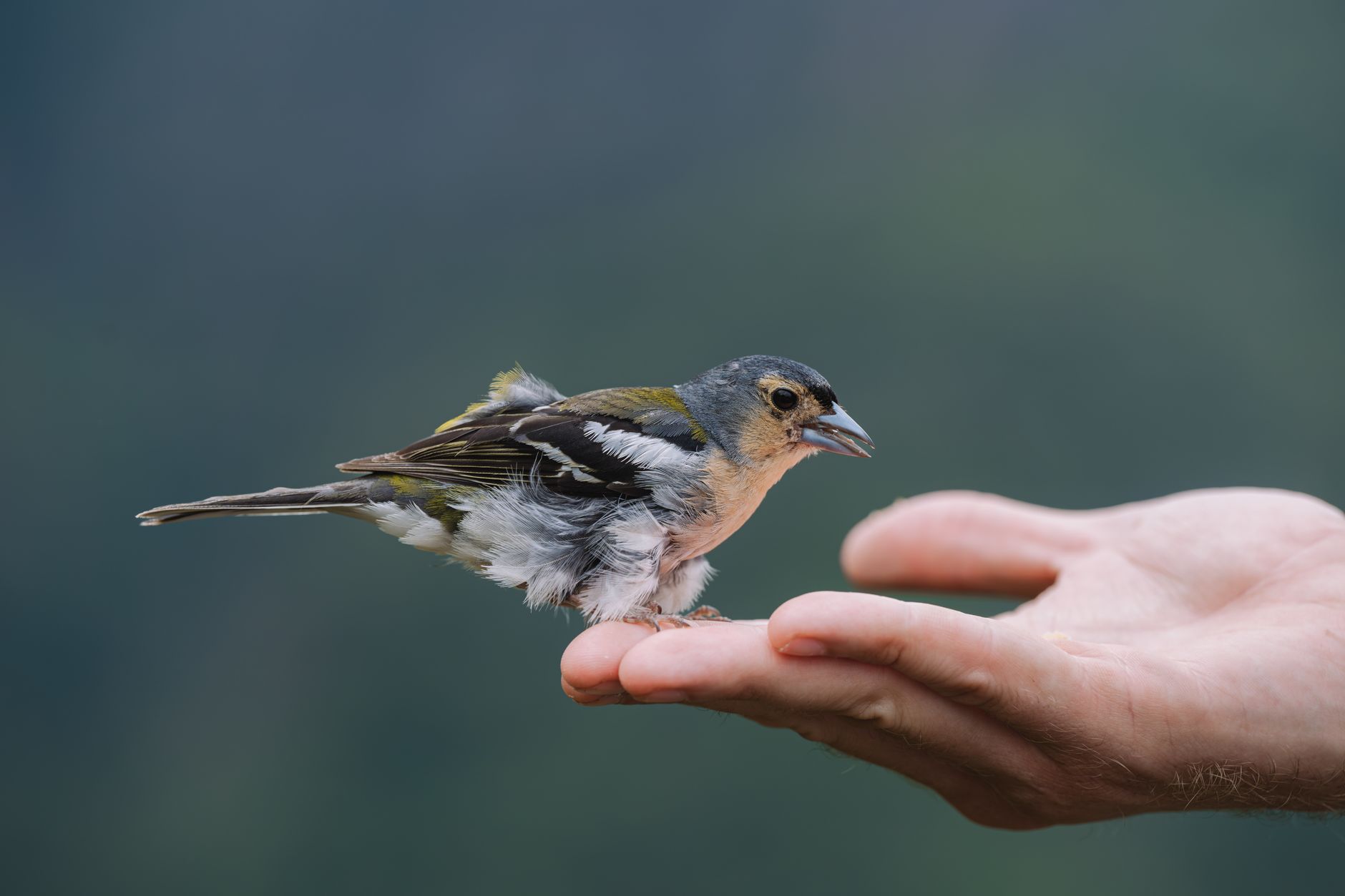
Before rushing to help, take a moment to assess the situation. Not every stunned bird needs intervention, and sometimes, well-intentioned assistance can do more harm than good.
Consider the following:
- Is the bird in immediate danger? Is it lying in the road, exposed to predators, or in a high-traffic area?
- Does the bird have any visible injuries? Look for broken wings, bleeding, or other signs of trauma.
- How long has the bird been stunned? Sometimes, birds will recover on their own within a few minutes. Observe the bird from a distance for a short period.
- Is the bird truly stunned, or is it something else? The bird could be exhausted, dehydrated, sick, or injured.
If the bird appears to be recovering and is in a relatively safe location, it is often best to leave it alone. However, if the bird is in immediate danger, appears seriously injured, or hasn’t recovered after a reasonable amount of time (15-30 minutes), intervention may be necessary.
The Safe Way to Handle a Stunned Bird
If you determine that intervention is required, proceed with caution and prioritize the bird’s safety and your own.
- Protect Yourself: Wear gloves to avoid direct contact with the bird. Birds can carry diseases, and some may try to bite or scratch.
- Prepare a Container: Find a cardboard box or pet carrier. Line the bottom with soft material, such as paper towels or a clean cloth. Make sure the container has ventilation holes.
- Gently Approach: Move slowly and quietly to avoid startling the bird.
- Carefully Capture: Gently scoop the bird up with your hands, being mindful of any injuries. If the bird is small, you might be able to use a towel or blanket to gently wrap it.
- Place in Container: Place the bird in the prepared container and close the lid.
- Keep in a Quiet, Dark Place: Put the container in a quiet, dark, and warm place away from pets and children. This will help reduce the bird’s stress.
- Monitor the Bird: Check on the bird periodically, but avoid opening the container unless necessary.
Seeking Professional Help: When to Call an Expert
Knowing when to call in professional help is crucial for the bird’s survival.
- Visible Injuries: If the bird has broken wings, bleeding, or other obvious injuries, it needs immediate veterinary care.
- Prolonged Stunned State: If the bird hasn’t recovered after an hour or two, even in a safe, dark place, it may have a more serious underlying condition.
- Uncertainty: If you’re unsure about what to do, it’s always best to err on the side of caution and contact a wildlife rehabilitator.
Here’s how to find help:
- Local Veterinarian: Start by calling your local veterinarian. They may be able to treat the bird or refer you to a wildlife rehabilitator.
- Wildlife Rehabilitation Centers: Search online for wildlife rehabilitation centers in your area. These centers specialize in caring for injured and orphaned wildlife.
- Animal Control: Contact your local animal control agency. They may be able to assist or provide guidance.
Preventing Bird Stuns: Simple Steps You Can Take
Prevention is always better than cure. There are several simple steps you can take to reduce the risk of bird collisions around your home.
- Window Treatments:
- Apply decals or stickers to your windows.
- Use window film or paint to break up the reflective surface.
- Hang netting or screens in front of windows.
- Lighting:
- Turn off unnecessary lights at night, especially during migration seasons.
- Use motion-sensor lights to reduce light pollution.
- Close curtains or blinds to prevent indoor light from attracting birds.
- Habitat:
- Provide natural habitats, such as trees and shrubs, away from windows.
- Move bird feeders and birdbaths away from windows.
- Awareness: Educate your neighbors and community about bird collisions and the steps they can take to prevent them.
By taking these preventative measures, you can help protect birds from injury and death. Deciding should I touch a stunned bird? becomes much easier when you proactively minimize the risk in the first place.

Frequently Asked Questions (FAQs)
What if the bird appears to be dead?
Even if a bird appears to be dead, it’s always worth a closer look. Sometimes, birds can enter a state of shock that makes them appear lifeless. Gently check for signs of breathing or a heartbeat before assuming the worst. If there is any sign of life, proceed with the handling steps outlined above. Contact a wildlife rehabilitator regardless.
Should I give the stunned bird food or water?
Avoid giving a stunned bird food or water unless specifically instructed to do so by a veterinarian or wildlife rehabilitator. A stunned bird may have difficulty swallowing and could choke. Focus on providing a safe and quiet environment for it to recover.
How long should I keep a stunned bird in the box?
The amount of time you should keep a stunned bird in the box depends on the situation. If the bird recovers quickly and is able to fly without difficulty, you can release it. However, if the bird is still showing signs of disorientation or weakness after a few hours, it needs professional help. Never keep a wild bird in captivity for an extended period without the guidance of a licensed rehabilitator.
What if the bird is a baby bird?
Baby birds require specialized care. If you find a baby bird that appears to be stunned or injured, contact a wildlife rehabilitator immediately. They have the expertise and resources to provide the necessary care. Note the exact location where you found the baby bird, as it may be possible to reunite it with its parents.
Can I keep the bird as a pet if it doesn’t recover?
No. It is illegal to keep most wild birds as pets. Wild birds have specific dietary and environmental needs that are difficult to meet in captivity. More importantly, they belong in their natural habitat. Always contact a licensed wildlife rehabilitator to care for the bird.
What if the bird bites me?
Bird bites can be painful, but most are not serious. Wash the bite thoroughly with soap and water and apply an antiseptic. If the bite is deep or causes significant bleeding, seek medical attention. Wearing gloves when handling birds minimizes the risk of being bitten.
How can I tell if the bird is truly stunned and not just sick?
It can be difficult to distinguish between a stunned bird and a sick bird. A stunned bird is likely to have recently collided with something and may appear disoriented. A sick bird may exhibit other symptoms, such as ruffled feathers, difficulty breathing, or discharge from the eyes or nose. If you are unsure, contact a wildlife rehabilitator.
What if I can’t find a wildlife rehabilitator in my area?
If you are unable to find a wildlife rehabilitator in your immediate area, expand your search to neighboring towns or counties. You can also contact your state’s fish and wildlife agency for assistance. In some cases, a veterinarian may be able to provide temporary care until a rehabilitator can be found.
Is it okay to release the bird at night?
It is generally not recommended to release a bird at night, especially if it is a diurnal species (active during the day). Birds rely on daylight for navigation and foraging. Releasing a bird at night can make it more vulnerable to predators and other dangers. Release the bird during daylight hours, preferably in a safe and familiar location.
What if I accidentally kill a bird while trying to help it?
It’s understandable to feel distressed if you accidentally kill a bird while trying to help it. These incidents are rare, but can happen. Remember that you were acting with good intentions. Contact a wildlife rehabilitator, as they may be able to use the bird for educational purposes.
How do I know if the bird is ready to be released?
A bird is ready to be released when it is fully recovered, able to fly strongly, and can perch and feed independently. Before releasing a bird that has been in your care, consult with a wildlife rehabilitator to ensure that it is truly ready to return to the wild.
Why is it important to prevent window collisions?
Preventing window collisions is crucial for protecting bird populations. Millions of birds are killed each year in collisions with windows. By taking simple steps to reduce window reflections and light pollution, you can help to create a safer environment for birds. Deciding should I touch a stunned bird? is a question we can all try to make less relevant by proactively creating safer environments for them.