

Should I Save a Baby Rabbit? Understanding Wildlife Intervention
Should I save a baby rabbit? Most of the time, the answer is no. Intervening without proper knowledge can do more harm than good, separating healthy kits from their mother.

Understanding when to intervene with wildlife, particularly baby rabbits, is crucial for responsible coexistence. It’s a common dilemma, especially in suburban and rural areas, as these delicate creatures often seem vulnerable. This article, drawing on expert wildlife rehabilitation principles, guides you through assessing a baby rabbit’s situation and making the best decision for its well-being. We’ll explore common misconceptions, the natural behaviors of rabbits, and the specific circumstances where intervention is truly necessary.
The Natural Life of Wild Rabbits
Cottontail rabbits, the most commonly encountered species in North America, have evolved specific strategies for survival. Understanding these strategies is key to determining when human intervention is appropriate.
- Nesting Habits: Mother rabbits, or does, dig shallow nests, often hidden in tall grass or under shrubs. They line the nest with fur to keep their kits warm.
- Infrequent Nursing: Does only visit their nests to nurse once or twice a day, usually at dawn and dusk, to avoid attracting predators. This means baby rabbits may appear abandoned when, in reality, their mother is nearby.
- Rapid Development: Baby rabbits develop quickly. By three weeks old, they are typically independent and capable of surviving on their own.
Assessing the Situation: When Intervention is Truly Necessary
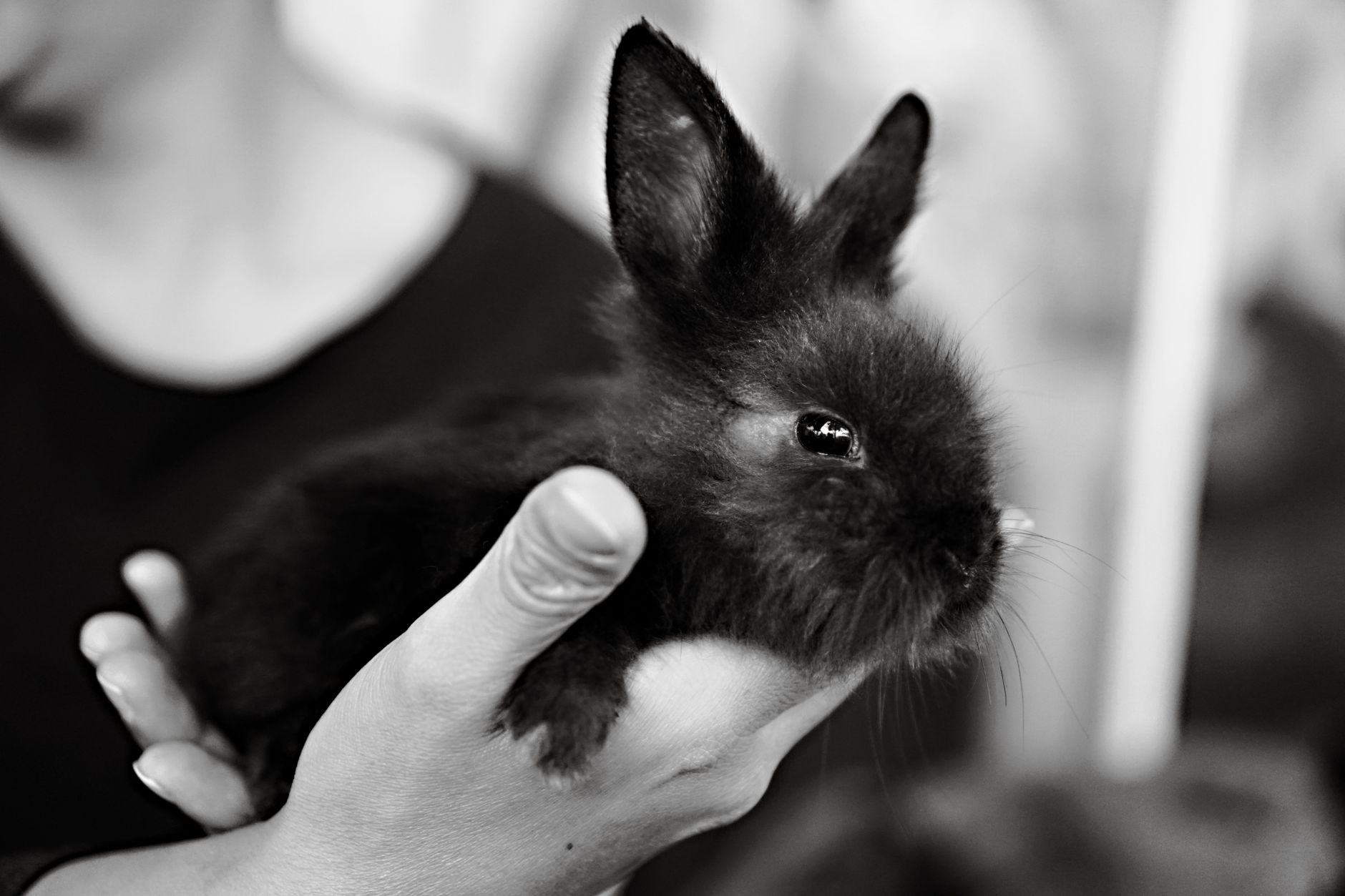
Deciding “Should I save a baby rabbit?” requires careful observation and consideration. Here are scenarios where intervention might be justified:
- Obvious Injury: Visible wounds, broken bones, or signs of illness warrant immediate attention.
- Presence of a Deceased Mother: If the mother rabbit is confirmed dead near the nest, the kits will need help.
- Nest Disturbance: A completely destroyed or severely disturbed nest, especially after severe weather or pet activity, could necessitate intervention.
- Extreme Thinness or Weakness: If the baby rabbit appears extremely thin, weak, or lethargic, it may be orphaned or ill.
It’s important to distinguish between a normal, healthy baby rabbit and one in genuine need. Here’s a table to help differentiate:
| Feature | Healthy Baby Rabbit | Orphaned/Injured Baby Rabbit |
|---|---|---|
| Body Condition | Plump and well-fed | Thin, ribs visible, lethargic |
| Activity Level | Active and alert | Weak, inactive, unresponsive |
| Fur | Clean and well-groomed | Matted, dirty, or missing fur |
| Nest Condition | Nest intact or minimally disturbed | Nest destroyed or significantly disturbed |
| Visible Injuries | No visible wounds or injuries | Wounds, broken bones, or signs of illness |
The Intervention Process: If You Decide to Act
If you’ve determined that intervention is necessary, proceed carefully:
- Wear Gloves: Always wear gloves when handling wild animals to protect yourself and prevent the spread of disease.
- Contain the Rabbit: Gently place the baby rabbit in a cardboard box lined with soft towels.
- Keep It Warm: Provide a heat source, such as a heating pad set on low and placed under half of the box, allowing the rabbit to move away if it gets too warm.
- Contact a Licensed Wildlife Rehabilitator Immediately: This is the most critical step. Wildlife rehabilitators have the expertise and resources to properly care for orphaned or injured wildlife.
- Do Not Attempt to Feed the Rabbit: Feeding the wrong formula or amount can be fatal. Leave feeding to the professionals.
Common Mistakes to Avoid
Many well-intentioned people inadvertently harm baby rabbits through well-meaning but misguided actions. Here are some common mistakes to avoid:
- Assuming Abandonment: As mentioned earlier, mothers frequently leave their nests for extended periods. Don’t assume abandonment unless there is clear evidence.
- Providing Cow’s Milk: Cow’s milk is not suitable for baby rabbits and can cause severe digestive problems.
- Keeping the Rabbit as a Pet: Wild rabbits require specialized care and should not be kept as pets. It is also illegal in many jurisdictions.
- Delaying Professional Care: The sooner the rabbit receives expert care, the greater its chances of survival.
Preventative Measures
One of the best ways to help baby rabbits is to prevent situations that require intervention.
- Keep Pets Leashed: Supervise pets, especially dogs and cats, to prevent them from disturbing rabbit nests.
- Check Before Mowing: Before mowing your lawn, carefully inspect for rabbit nests in tall grass.
- Secure Gardens: Protect gardens with fencing to prevent rabbits from accessing and potentially damaging crops.

Frequently Asked Questions (FAQs)
What if I accidentally disturbed a rabbit nest but didn’t harm the babies?
If you accidentally disturbed a nest but didn’t injure the baby rabbits, gently return them to the nest. The mother will not reject them because of your scent. Rebuild the nest as best you can, using the original nesting material if possible.
I found a baby rabbit in my yard. It looks healthy, but it’s all alone. What Should I save a baby rabbit?” or leave it alone?
If the baby rabbit appears healthy (plump, active, and with no visible injuries) and is at least the size of your hand, it is likely independent and best left alone. Its mother is likely nearby.
How do I know if a baby rabbit is truly orphaned?
Determining if a baby rabbit is truly orphaned requires careful observation. If the nest has been abandoned for more than 24 hours, the babies are visibly thin and weak, or you find a deceased mother nearby, it is likely orphaned.
What is the best thing to feed an orphaned baby rabbit before I can get it to a rehabilitator?
The best thing to do is not feed the rabbit. Incorrect feeding can cause serious harm. Offer a shallow dish of water, but do not force it to drink. Focus on keeping the rabbit warm and contacting a wildlife rehabilitator immediately.
How can I find a licensed wildlife rehabilitator in my area?
You can find a licensed wildlife rehabilitator by searching online through reputable wildlife organizations such as the National Wildlife Rehabilitators Association (NWRA) or by contacting your local animal control or humane society.
Is it legal to keep a wild rabbit as a pet?
It is illegal in most jurisdictions to keep a wild rabbit as a pet without the proper permits and licenses. Wildlife belongs in the wild, and keeping them as pets can be detrimental to their health and well-being.
Can I release a rehabilitated baby rabbit back into my yard?
Consult with the wildlife rehabilitator before releasing a rehabilitated rabbit. They will advise on the best release location and timing to maximize its chances of survival. Releasing it back into the same general area where it was found is often recommended.
What are the signs of a sick baby rabbit?
Signs of a sick baby rabbit include lethargy, lack of appetite, diarrhea, difficulty breathing, and visible injuries or wounds.
How long does it take for baby rabbits to become independent?
Baby rabbits typically become independent around three to four weeks of age.
What if my dog or cat brings me a baby rabbit?
Even if the baby rabbit appears uninjured, a cat or dog’s saliva can be toxic. Contact a wildlife rehabilitator immediately for advice. Internal injuries may also be present even if there are no visible wounds. The baby rabbit likely needs antibiotics.
Is it possible to reunite a baby rabbit with its mother if it has been handled by humans?
Yes, it is possible. Mother rabbits will not reject their babies due to human scent. Place the baby rabbit back in the nest, and the mother will likely return.
What can I do to create a rabbit-friendly environment in my yard?
To create a rabbit-friendly environment, provide plenty of natural cover, such as shrubs and tall grasses. Avoid using pesticides and herbicides, and keep pets supervised to prevent them from disturbing rabbit nests. Consider planting native plants that rabbits enjoy eating. If you are still unsure Should I save a baby rabbit?, contact your local wildlife expert.