

Should I Let My Dog Lick My Scab? Understanding the Risks and Realities
The short answer? No, you should not let your dog lick your scab. While canine saliva contains some antibacterial properties, the risks of infection from the bacteria and rough tongue outweigh any potential benefits.

The Allure and Illusion of Canine Healing
It’s a common belief that dog saliva has healing properties. This notion likely stems from observing animals licking their own wounds. But the reality is far more nuanced than a simple endorsement of canine spit as a miracle cure. Should I let my dog lick my scab? Understanding the complexities involved is crucial before making a decision.
The Science Behind Dog Saliva
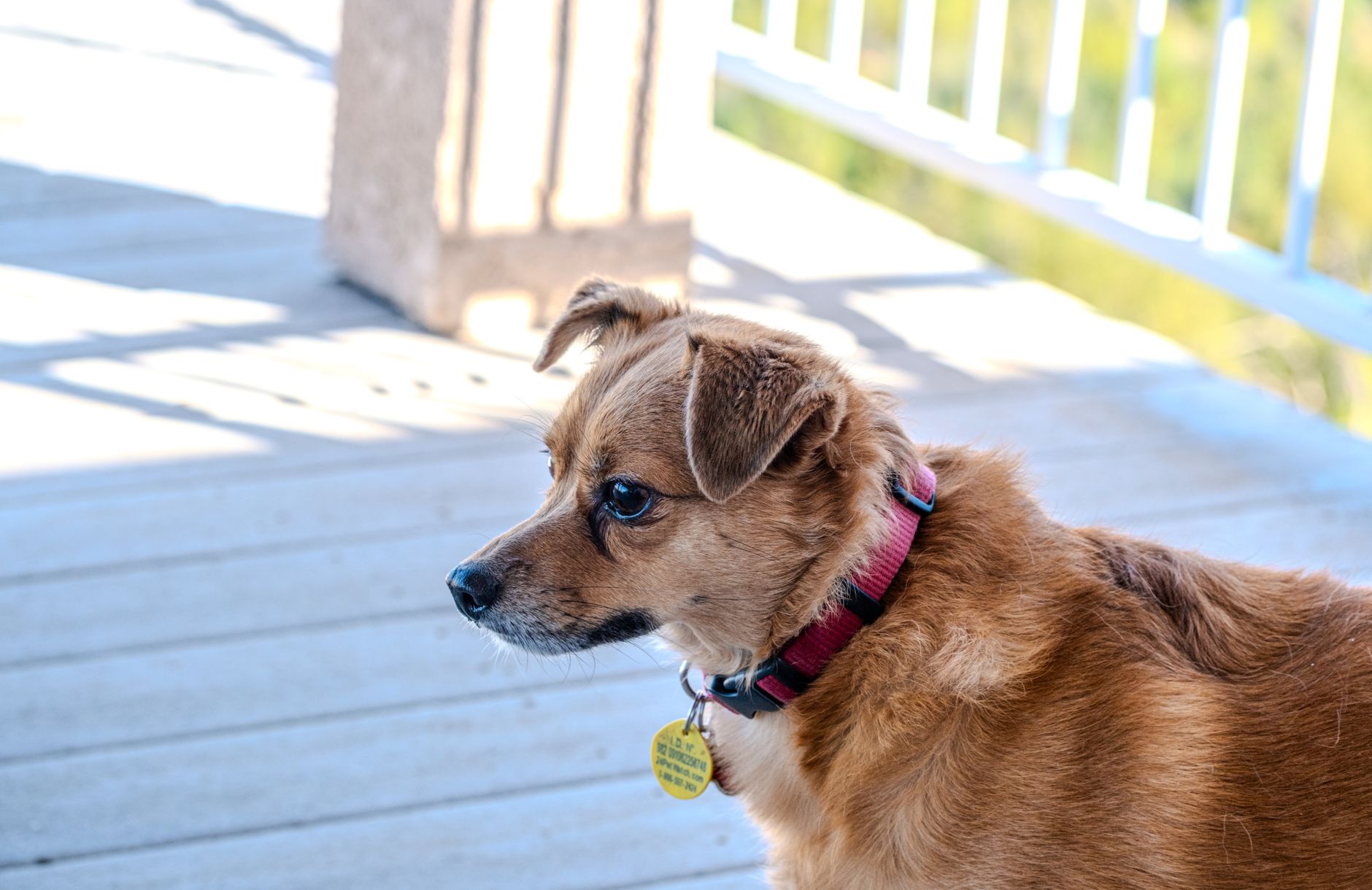
Canine saliva does contain compounds with antibacterial properties, most notably lysozyme, an enzyme that can break down bacterial cell walls. Some studies have also suggested the presence of growth factors that could potentially promote wound healing. However, the concentration of these beneficial substances is relatively low and their effectiveness in promoting human wound healing is questionable and largely unsupported by robust scientific evidence.
The Downside: Bacteria and More
Despite any potential benefits, dog saliva also harbors a diverse range of bacteria, some of which are potentially harmful to humans. These include Pasteurella, Staphylococcus, and Streptococcus species, as well as more dangerous pathogens like Capnocytophaga canimorsus, which can cause severe illness, particularly in individuals with weakened immune systems. Should I let my dog lick my scab? This is a critical question because a scab is an open pathway to infection.
The Rough Tongue Factor
Beyond the bacterial risks, a dog’s tongue is rough and abrasive. Licking a scab can disrupt the healing process, potentially removing the scab prematurely and re-opening the wound. This not only increases the risk of infection but also can lead to scarring.
What to Do Instead: Proper Wound Care
Instead of relying on dog saliva, focus on proper wound care:
- Clean the wound: Gently wash the area with mild soap and water.
- Apply an antibiotic ointment: This helps prevent infection.
- Cover the wound: Use a clean bandage to protect the area from dirt and bacteria.
- Change the bandage regularly: At least once a day, or more often if it becomes soiled.
- Monitor for signs of infection: Redness, swelling, pain, pus, or fever. If you notice any of these, seek medical attention.
Preventing Your Dog from Licking Your Scab
If you’re trying to heal a wound, you’ll also need to actively prevent your dog from licking it:

- Cover the wound with clothing or a bandage: A physical barrier is the best defense.
- Use a cone or Elizabethan collar: If necessary, prevent access to the area.
- Redirect your dog’s attention: When you see your dog approaching the wound, distract them with a toy or treat.
- Teach your dog a “leave it” command: This is a valuable tool for preventing them from engaging in unwanted behaviors.
- Supervise your dog: Be extra vigilant when you are near the wound.
Factors to Consider Before Letting a Dog Lick
Here’s a table summarizing the factors you should weigh before letting your dog lick you:
| Factor | Consideration |
|---|---|
| Bacteria | Dog saliva contains bacteria that can be harmful to humans, especially with an open wound like a scab. |
| Rough Tongue | Licking can disrupt the healing process and increase the risk of scarring. |
| Immune System | People with weakened immune systems are at greater risk of infection. |
| Wound Location | Some areas of the body are more prone to infection than others (e.g., areas with more moisture or friction). |
| Wound Size | Larger wounds are more susceptible to infection and should never be licked by a dog. |
| Dog’s Health | A dog with poor oral hygiene is more likely to transmit harmful bacteria. |
FAQ: Frequently Asked Questions
Is it ever okay for a dog to lick a wound?
Generally, no. While dogs licking their own wounds is a natural behavior and can sometimes help remove debris, it’s best to discourage licking both their own wounds and yours. If you are considering letting your dog lick your wound, remember that Should I let my dog lick my scab? is a question best answered with a strong “no.”
What are the symptoms of a wound infection?
Symptoms of a wound infection can include redness, swelling, pain, warmth, pus or drainage, fever, and swollen lymph nodes. If you experience any of these symptoms, seek medical attention immediately.
What if my dog already licked my scab?
Don’t panic. Clean the area thoroughly with soap and water. Watch for signs of infection and consult a doctor if you’re concerned.
Does dog saliva heal dogs’ wounds?
While dog saliva contains some antimicrobial properties, the effect is minimal, and licking can also introduce bacteria and impede healing. Veterinary care is always the best course of action.
Can dog saliva cure acne?
There is absolutely no scientific evidence to support the claim that dog saliva can cure acne. This is a myth. Don’t let your dog lick your face!
Is it safe for a dog to lick human skin if there’s no wound?
Even without a wound, dog saliva can still transmit bacteria. While the risk is lower, it’s still present. Practice good hygiene and wash your hands after interacting with your dog.
Can a dog’s licking spread diseases?
Yes, dog saliva can spread certain diseases, although it is rare. This is why it’s best to be cautious and avoid letting your dog lick open wounds or sensitive areas like your mouth or eyes.
What are some other home remedies for wound care?
Besides cleaning and bandaging, you can apply antibiotic ointment, keep the area dry, and get enough rest to promote healing.
What should I do if my dog won’t stop licking a wound?
Talk to your veterinarian. They can recommend ways to prevent your dog from licking, such as using a cone or bitter spray. There also may be underlying reasons why they are obsessively licking, such as pain or anxiety.
What about using human saliva on wounds?
Human saliva also contains bacteria and isn’t recommended for wound care. Should I let my dog lick my scab? Or use my own saliva? The answer is always no.
Are some dogs’ saliva more dangerous than others?
Yes, dogs with poor oral hygiene, certain health conditions, or who scavenge regularly may harbor more harmful bacteria in their saliva.
Is it okay for a dog to lick my hands if I wash them afterward?
Washing your hands can reduce the risk of infection, but it’s still best to avoid letting your dog lick your hands, especially if you have any cuts or abrasions. The best approach is to maintain good hygiene and teach your dog not to lick you excessively.