
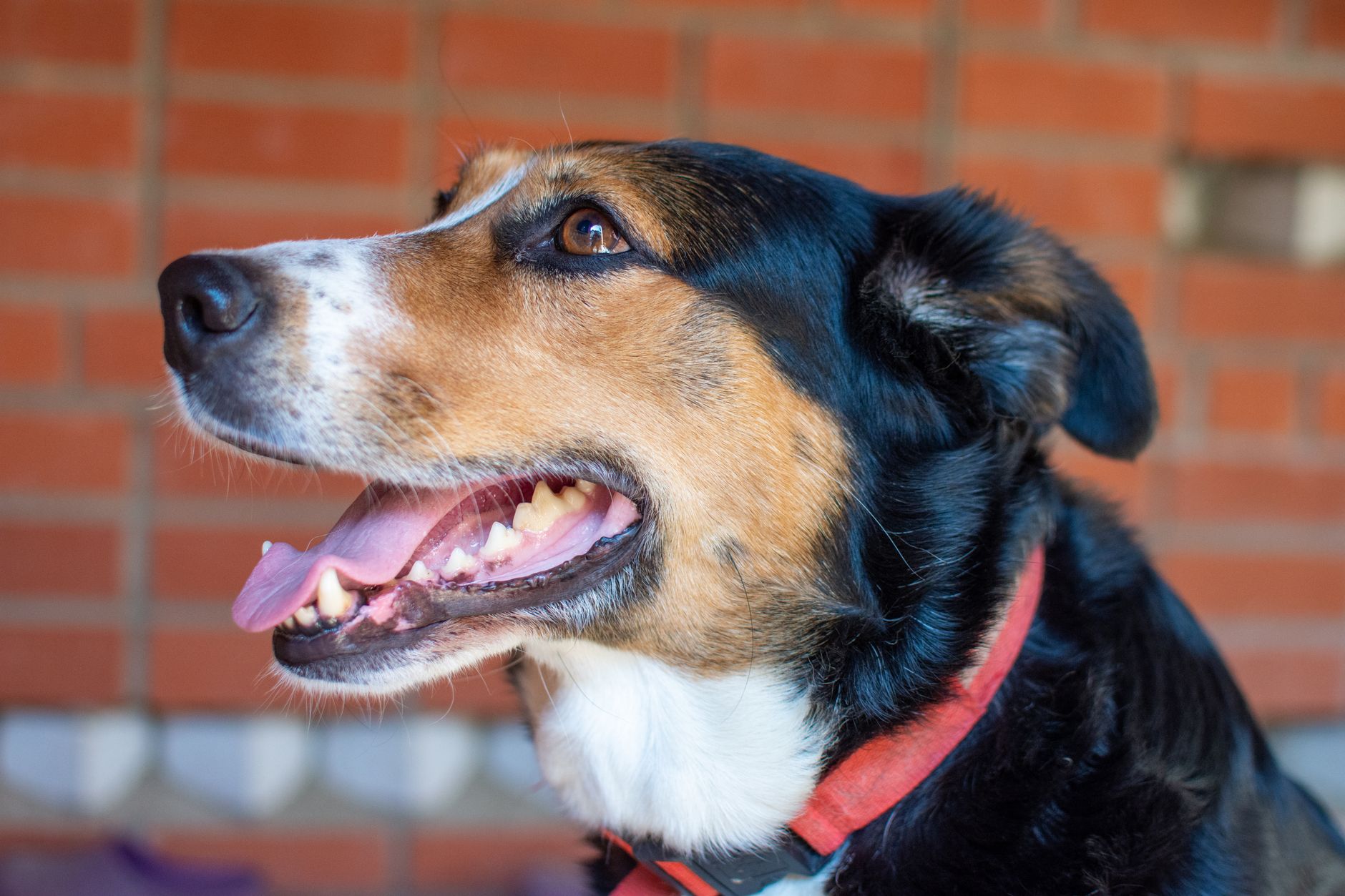
Should I Get My 12-Year-Old Dog’s Teeth Cleaned? A Comprehensive Guide
The answer is generally yes, but with important caveats. Getting your elderly dog’s teeth cleaned can significantly improve their quality of life, but requires careful consideration of their overall health and the potential risks associated with anesthesia.

The Importance of Dental Health for Senior Dogs
As dogs age, their dental health often deteriorates, leading to a cascade of problems that affect not only their mouth but also their overall well-being. Untreated dental disease can be excruciatingly painful and have widespread health consequences. Should I get my 12-year-old dog’s teeth cleaned? This is a common question among owners of senior dogs, and the answer lies in understanding the benefits and risks.
The Benefits of Dental Cleaning for Older Dogs

Professional dental cleanings, performed by a veterinarian, offer several key benefits:
- Pain Relief: Removing built-up tartar and addressing infected teeth eliminates a significant source of chronic pain.
- Improved Appetite: A painful mouth makes eating difficult. Cleaning allows them to eat more comfortably and maintain a healthy weight.
- Prevention of Systemic Disease: Bacteria from infected gums can enter the bloodstream and damage vital organs like the heart, liver, and kidneys. Cleaning helps prevent this.
- Better Breath: Bad breath is a common sign of dental disease. Cleaning freshens breath, making your dog more pleasant to be around.
- Increased Quality of Life: When a dog is free from dental pain and infection, they are more energetic, playful, and comfortable.
The Process: What to Expect During a Dental Cleaning
A professional dental cleaning involves several steps, all performed under general anesthesia:
- Pre-Anesthetic Examination and Bloodwork: This is crucial to assess your dog’s overall health and ensure they are fit for anesthesia.
- Anesthesia: Your dog will be anesthetized to allow for a thorough and safe cleaning. Modern anesthetic protocols are generally safe, but the risks increase with age and pre-existing health conditions.
- Scaling: A dental scaler is used to remove tartar and plaque above and below the gum line.
- Polishing: Polishing smooths the tooth surfaces, making it harder for plaque to adhere.
- Dental Examination and Radiographs: The veterinarian will examine each tooth for signs of damage or infection. Dental radiographs (X-rays) are essential to assess the tooth roots and bone surrounding the teeth.
- Extractions (If Necessary): Severely damaged or infected teeth may need to be extracted.
- Post-Cleaning Care: After the cleaning, your dog will need to be monitored closely until they are fully recovered from anesthesia. Your veterinarian will provide instructions for at-home dental care.
Addressing the Anesthesia Risk
The biggest concern when considering a dental cleaning for a senior dog is the anesthesia. Senior dogs are more likely to have underlying health conditions that can increase the risks associated with anesthesia. However, these risks can be minimized through careful planning and monitoring:
- Thorough Pre-Anesthetic Evaluation: This is non-negotiable. Bloodwork, a physical exam, and potentially other diagnostic tests are crucial to identify any underlying health problems.
- Modern Anesthetic Protocols: Your veterinarian should use modern anesthetic drugs and monitoring equipment.
- Experienced Veterinary Team: An experienced veterinary team is better equipped to handle any complications that may arise.
- Pain Management: Adequate pain management is essential after a dental cleaning, especially if extractions are performed.
Alternative Options and Preventative Care
While a professional cleaning is often necessary, there are also things you can do at home to help maintain your dog’s dental health:
- Brushing Your Dog’s Teeth: Daily brushing is the gold standard for preventing plaque and tartar buildup.
- Dental Chews and Treats: Some dental chews and treats can help to remove plaque and tartar. Look for products that are Veterinary Oral Health Council (VOHC) approved.
- Dental Diets: Certain dog food formulations are designed to promote dental health.
- Water Additives: Some water additives can help to reduce plaque and tartar buildup.
| Preventative Measure | Description | Frequency | Effectiveness |
|---|---|---|---|
| Tooth Brushing | Using a dog-specific toothbrush and toothpaste to remove plaque. | Daily | Very High |
| Dental Chews | Providing chews designed to scrape plaque and tartar from teeth. | As directed | Moderate to High |
| Dental Diet | Feeding a food formulated to reduce plaque accumulation. | Daily (as food) | Moderate |
| Water Additive | Adding a solution to your dog’s water to help reduce bacteria and plaque. | Daily | Low to Moderate |
Common Mistakes Owners Make
- Ignoring Signs of Dental Disease: Don’t wait until your dog is in obvious pain to address dental issues. Signs like bad breath, excessive drooling, and difficulty eating should be addressed promptly.
- Skipping Pre-Anesthetic Bloodwork: This is a crucial step in ensuring your dog is healthy enough for anesthesia.
- Choosing the Cheapest Option: Cutting corners on dental care can end up costing you more in the long run. Choose a veterinarian who is experienced and uses modern equipment.
- Neglecting Post-Cleaning Care: Following your veterinarian’s instructions for at-home dental care is essential to maintain your dog’s oral health.
Should I get my 12-year-old dog’s teeth cleaned without anesthesia?
Cleanings without anesthesia (often abbreviated as AWAs or Non-Anesthetic Dentals, NADs) are generally NOT recommended by veterinary dental specialists. While they may remove visible tartar above the gum line, they don’t address the hidden disease and infection that occurs below the gum line, which is where most of the problem lies. Furthermore, they can be stressful for the dog and may even cause injury. Ultimately, the benefits of anesthesia and thorough evaluation of the entire mouth outweigh the risk of anesthesia, especially given the severe consequences of untreated dental disease.
Factors influencing your decision:
- Your Dog’s Overall Health: If your dog has any underlying health conditions, such as heart disease or kidney disease, the risks associated with anesthesia may be higher.
- The Severity of the Dental Disease: If your dog has severe dental disease, extraction of multiple teeth may be necessary. This can be more invasive and require a longer anesthetic procedure.
- Your Veterinarian’s Experience: Choose a veterinarian who is experienced in performing dental cleanings on senior dogs.
- Your Comfort Level: Ultimately, the decision is yours. Weigh the benefits and risks carefully and discuss them with your veterinarian.
Ultimately, should I get my 12-year-old dog’s teeth cleaned? The answer is nuanced and requires careful consideration of your dog’s individual health and the expertise of your veterinarian.
Frequently Asked Questions (FAQs)
What are the signs of dental disease in dogs?
The signs of dental disease in dogs include bad breath, excessive drooling, difficulty eating, pawing at the face, swollen gums, loose teeth, and bleeding from the mouth. Early detection is key to preventing serious complications.
Is anesthesia safe for senior dogs?
While anesthesia always carries some risk, modern anesthetic protocols are generally safe for senior dogs, especially with thorough pre-anesthetic screening and careful monitoring. Discuss any concerns with your veterinarian.
How much does a dental cleaning cost for a dog?
The cost of a dental cleaning can vary depending on the severity of the dental disease, the size of the dog, and the location of the clinic. Expect to pay anywhere from $500 to $1500 or more, including pre-anesthetic bloodwork, anesthesia, cleaning, and radiographs.
What happens if I don’t get my dog’s teeth cleaned?
If you don’t get your dog’s teeth cleaned, the dental disease will worsen, leading to pain, infection, tooth loss, and potentially systemic health problems. Untreated dental disease can significantly shorten your dog’s lifespan.
How often should I get my dog’s teeth cleaned?
The frequency of dental cleanings depends on your dog’s individual needs. Some dogs may only need a cleaning every few years, while others may need them more frequently. Your veterinarian can recommend the appropriate schedule.
What is involved in at-home dental care for dogs?
At-home dental care includes brushing your dog’s teeth daily, providing dental chews, and feeding a dental diet. Consistency is key for effective at-home dental care.
Can I brush my dog’s teeth too much?
While it’s unlikely, excessive or aggressive brushing could potentially irritate your dog’s gums. Focus on gentle, consistent brushing.
Are some dog breeds more prone to dental disease?
Yes, some breeds, such as small breeds and brachycephalic (short-nosed) breeds, are more prone to dental disease. Regular dental care is especially important for these breeds.
What are the risks of tooth extraction?
The risks of tooth extraction include bleeding, infection, and pain. However, these risks are generally low when performed by an experienced veterinarian.
How long does it take for a dog to recover from a dental cleaning?
Most dogs recover from a dental cleaning within a few days. They may be slightly groggy for the first 24 hours, but should be back to normal within a few days.
What should I feed my dog after a dental cleaning?
After a dental cleaning, feed your dog soft food for a few days to avoid irritating their gums. Your veterinarian may also recommend a special dental diet.
Are there any alternatives to anesthesia for dental cleanings?
As mentioned earlier, dental cleanings without anesthesia (AWAs or NADs) are not generally recommended as they don’t address the underlying dental disease effectively and can be stressful or even harmful to your dog.