
Achieving a vibrant, healthy lawn starts with selecting the right foundation. Whether you are dealing with bare patches, thinning turf, or a completely new landscape, finding the Best Grass Seed is essential to ensure your lawn can withstand local environmental conditions and thrive throughout the seasons.
With so many varieties available, it can be difficult to determine which product matches your specific soil and light requirements. We have analyzed the leading options to help you understand the trade-offs between different formulations, from fast-growing seasonal seeds to durable, long-lasting blends designed for high-traffic areas.
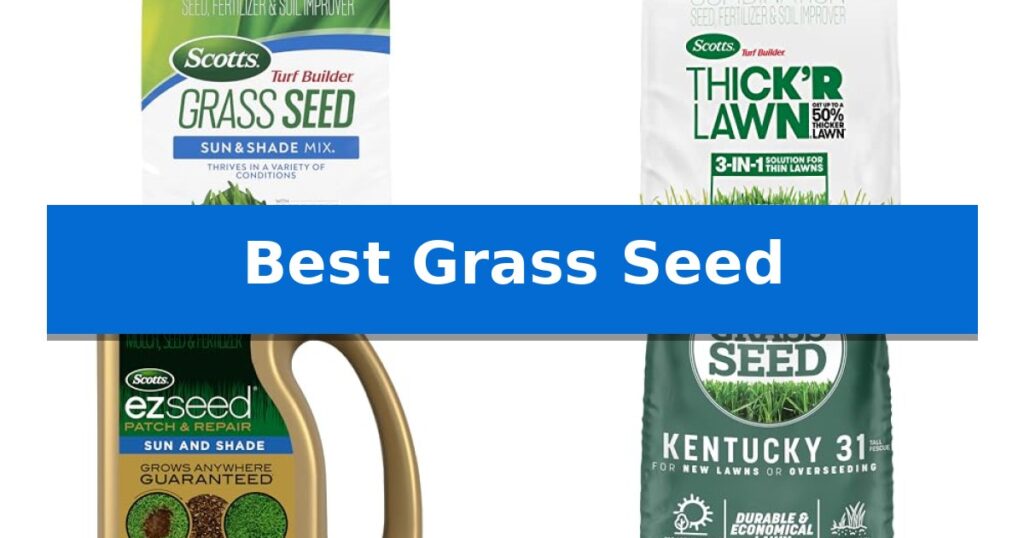
Best Grass Seed in 2026: Choosing the Right Blend for Your Yard
1 Scotts Turf Builder Sun & Shade Mix — Versatile Choice for Mixed Light
Maintaining a lush, vibrant lawn requires more than just water; it demands a comprehensive approach to soil health and seed germination. The Scotts Turf Builder Grass Seed Sun & Shade Mix distinguishes itself by integrating grass seed, fertilizer, and a soil improver into a single, efficient application. This all-in-one solution is specifically engineered for environments that experience a mix of full sun and moderate shade, providing a versatile option for homeowners looking to establish or repair their turf.
This product is designed to foster deep root development through its specialized Root-Building Nutrition. By focusing on the foundational strength of the grass, the mix helps create a more resilient lawn capable of withstanding various environmental stressors. With medium drought resistance and medium to high durability, the seed is well-suited for high-traffic areas that still need to maintain a healthy, green appearance throughout the changing seasons.
Usability is a key component of this formula, as it is optimized for both new lawn establishment and overseeding existing patches. One 5.6 lb. bag offers flexible coverage, providing up to 745 sq. ft. for new lawns or up to 2,240 sq. ft. for overseeding. To achieve the best results, the manufacturer recommends applying the seed during the spring or fall when soil temperatures are between 55°F and 70°F, or air temperatures range from 60°F to 80°F.
While the Scotts Turf Builder Grass Seed Sun & Shade Mix offers a streamlined process, it is important to align application timing with the specified temperature windows to ensure optimal growth. This product serves as a practical, evidence-based choice for those seeking a reliable, multi-purpose solution to improve their landscape's density and color without the need for separate soil amendments or fertilizers.
PROS
- All-in-one formula combining seed, fertilizer, and soil improver.
- Engineered for versatile light conditions, thriving in both full sun and moderate shade.
- Promotes deep root establishment with specialized nutrition.
- Offers high coverage efficiency for overseeding up to 2,240 sq. ft.
CONS
- Requires specific temperature windows (55°F–70°F soil) for successful germination.
- Medium drought resistance may require supplemental watering in extreme heat.
2 Scotts Turf Builder Thick'R Lawn — Best for Thinning Lawns
Maintaining a lush landscape often requires more than just water; it demands a targeted approach to filling in sparse patches. The Scotts Turf Builder Thick'R Lawn Sun & Shade provides a comprehensive 3-in-1 solution designed to revitalize thinning areas by combining grass seed, lawn fertilizer, and a soil improver in a single application.
This product is engineered to streamline lawn care by addressing multiple needs at once. The inclusion of high-quality seed helps to fill in gaps, while the integrated fertilizer works to promote thicker, greener turf. Furthermore, the soil improver component is specifically formulated to enhance root development, creating a more resilient foundation for your grass to thrive.
Usability is a primary focus of this design. By utilizing a standard spreader, homeowners can achieve an even distribution across their yard. When used as directed, this treatment is capable of producing up to a 50% thicker lawn with just one application, making it an efficient choice for those looking to improve their lawn's density without multiple, separate steps.
While the product offers a convenient, all-in-one approach, users should note that optimal results depend on proper care and the current condition of the lawn. It is designed to cover approximately 4,000 sq. ft., providing a substantial amount of material for most residential needs. This combination of components simplifies the process of lawn renovation, balancing the need for effective results with ease of use.
PROS
- 3-in-1 formula combines seeding, fertilizing, and soil improvement.
- Designed to achieve up to a 50% thicker lawn.
- Covers a generous 4,000 sq. ft. area per bag.
- Simplifies maintenance by requiring only one easy application.
CONS
- Results are subject to proper care and initial lawn condition.
3 Scotts EZ Seed Patch & Repair — Easiest for Bare Spot Repair
Repairing bare spots in a lawn requires a solution that addresses both soil health and seed germination, which is why the Scotts EZ Seed Patch & Repair is a notable choice for homeowners. This all-in-one product combines high-performance grass seed—a mix of Kentucky bluegrass, perennial ryegrass, and fine fescue—with a specialized mulch that expands to protect seeds, a controlled-release fertilizer, and a tackifier to prevent wash-off.
Designed for versatility, this 3.75 lb. jug is formulated to thrive in diverse conditions, including full sun, dense shade, high-traffic areas, and slopes. The inclusion of a protectant helps keep seedlings safe during the critical early stages of growth. To achieve the best results, it is recommended to apply this mix when daytime temperatures are consistently between 60°F and 80°F without the risk of frost.
The application process is straightforward, requiring only three steps: preparing the area, applying the seed mix evenly, and watering until the mulch is fully saturated and no more water is absorbed. A single container provides coverage for up to 85 sq. ft., making it a practical option for targeted lawn maintenance and filling in damaged patches.
While this product simplifies the repair process, users should note that success depends on maintaining consistent moisture until germination occurs. The Scotts EZ Seed Patch & Repair serves as an efficient, comprehensive tool for those looking to restore patches in their lawn without needing to purchase separate components for feeding and seeding.
PROS
- Features a combination of grass seed, mulch, fertilizer, and tackifier in one package.
- Suitable for a wide range of environments including full sun and dense shade.
- Includes a protectant to support seedling development.
- Covers up to 85 sq. ft. per 3.75 lb. jug.
CONS
- Requires consistent watering until the mulch stops absorbing water for optimal results.
- Performance is temperature-dependent, requiring 60°F to 80°F for best germination.
4 Pennington Kentucky 31 Tall Fescue — Durable Option for High Traffic
Establishing a resilient landscape begins with selecting the right foundation, and the Pennington Kentucky 31 Tall Fescue is engineered specifically for those seeking a durable, economical lawn. This grass seed is recognized as the original turf choice for home lawns, designed to produce thick blades that maintain their integrity even when faced with the challenges of hot summers and heavy rains.
Performance is a core focus for this variety, which is categorized as a fast-growing grass seed. Once established, it creates a drought-resistant turf with a distinct lighter green appearance. Because it is built to withstand high levels of activity, it serves as a reliable option for areas that experience significant foot traffic, ensuring the lawn remains functional throughout the seasons.
Usability is straightforward for homeowners, as the seed is formulated to show results in 8 to 21 days under proper conditions. The 40-pound bag provides a substantial quantity for covering larger areas, making it a practical solution for those looking to renovate or establish a new lawn without excessive complexity.
While this fescue is highly regarded for its toughness, it is important to consider its specific aesthetic and growth characteristics. It is best suited for those who prioritize long-term durability and cost-effectiveness over the fine-textured, deep-green appearance of more ornamental grass varieties. Its ability to thrive in varied environmental conditions makes it a balanced choice for high-use residential spaces.
PROS
- Durable and economical choice for high-traffic residential lawns.
- Drought-resistant properties help maintain turf health during hot summers.
- Produces thick blades that stand up well to heavy rains.
- Provides visible results in a relatively short 8 to 21-day window.
CONS
- Produces a lighter green turf which may not match the aesthetic of darker, fine-bladed grass varieties.
5 Pennington Annual Ryegrass — Fastest for Seasonal Overseeding
Achieving a lush, green lawn during the colder months requires a strategic approach to overseeding, and the Pennington Annual Ryegrass is engineered specifically for this purpose. This 10 lb bag of seed provides rapid germination, allowing homeowners to see results in as little as 3 to 7 days, making it an efficient solution for those looking to maintain color and density in their outdoor spaces throughout the winter.
Designed for versatility, this disease-resistant grass seed is ideal for overseeding warm-season lawns such as Bermuda and Zoysia. It is particularly effective for areas that receive 6 to 8 hours of full sun, ensuring the grass establishes quickly and maintains a healthy appearance. The seed is formulated to hold up well under foot traffic, providing a practical option for active residential lawns.
Beyond its primary use in southern climates, this annual rye grass seed serves as excellent temporary support for thinning areas in permanent northern lawns. The product is capable of growing anywhere in the USA, offering a flexible solution for seasonal lawn care needs. With a coverage capacity of up to 2,000 sq. ft., it provides a substantial amount of coverage for standard residential projects.
The Pennington Annual Ryegrass is a straightforward choice for those prioritizing speed and aesthetic consistency. By focusing on rapid establishment and quick color, it minimizes the downtime often associated with lawn maintenance. While it is an annual variety, its ability to integrate into various lawn types makes it a reliable tool for seasonal transitions.
PROS
- Rapid germination with visible results in 3 to 7 days.
- Disease-resistant formula that handles foot traffic well.
- Covers up to 2,000 sq. ft. per bag.
- Ideal for overseeding warm-season grasses like Bermuda and Zoysia.
CONS
- Annual growth cycle requires seasonal replanting.
- Requires 6 to 8 hours of full sun for optimal establishment.
Best Grass Seed Buying Guide
Understanding Your Lawn's Light Requirements
The most critical factor in selecting the Best Grass Seed is the amount of sunlight your lawn receives. Grass varieties are generally categorized by their tolerance for full sun, partial shade, or dense shade conditions.
Selecting a mix that is specifically formulated for your yard's light exposure ensures better germination rates and long-term vitality. Using a sun-loving grass in a shaded area often leads to sparse growth, while shade-tolerant varieties may struggle in intense, direct heat.
Evaluating Soil and Climate Compatibility
Different grass types are adapted to specific climate zones and soil compositions. Some varieties are bred for drought resistance, making them ideal for regions with hot, dry summers, while others are better suited for cooler, wetter environments.
Before purchasing, consider the typical temperature ranges and soil quality in your area. Many modern seed mixes include soil improvers or fertilizers to help establish deep, strong roots, which is particularly beneficial for new lawns or areas with poor soil health.
Choosing Between Permanent and Seasonal Grass
Deciding between permanent turf and seasonal overseeding is vital for year-round lawn maintenance. Permanent grasses are designed to establish a long-term, durable lawn that survives through multiple years and changing seasons.
In contrast, seasonal grasses, such as annual ryegrass, are often used for quick color or temporary support in southern climates during winter months. Understanding whether you need a lasting solution or a quick, short-term fix will help you narrow down your choices effectively.
Assessing Durability and Traffic Tolerance
If your lawn is frequently used for activities, pets, or children, traffic tolerance should be a top priority. Certain tall fescue and ryegrass blends are specifically engineered to stand up to heavy foot traffic without thinning or dying out.
High-durability seeds are often a smart investment for high-use areas, as they provide a more resilient surface that recovers faster from physical wear. Look for labels that emphasize durability and resistance to common lawn stressors.
The Importance of Proper Application
Even the highest quality seed requires proper application to succeed. Factors such as soil temperature, moisture levels, and consistent watering are essential during the initial germination phase.
Always follow the manufacturer's instructions regarding the ideal time of year to plant, as seeding outside of the recommended temperature window can significantly reduce your success rate. Proper prep work, including clearing debris and ensuring good seed-to-soil contact, is just as important as the seed itself.
Frequently Asked Questions
When is the best time to plant grass seed?
Generally, the best time to seed is during the spring or fall when daily average soil temperatures are consistently between 55°F and 70°F.
How long does it take for grass seed to germinate?
Germination times vary by species and conditions, but many fast-growing varieties can show results in as little as 3 to 7 days, while others may take 8 to 21 days.
Can I use the same seed for bare spots and a new lawn?
While some all-purpose mixes work for both, specialized patch-and-repair products often contain mulch and tackifiers that are better suited for filling in small, damaged areas.
What is the benefit of a 3-in-1 seed mix?
A 3-in-1 mix typically combines grass seed, fertilizer, and soil improvers, which simplifies the process by providing essential nutrients and root-building support in a single application.
How do I know if a grass seed is drought-resistant?
Look for product descriptions that specifically mention medium to high drought resistance or varieties like tall fescue, which are known for their ability to withstand hot summers.
Conclusion: Our Top Pick
For most homeowners looking for a reliable, all-around solution, the Scotts Turf Builder Sun & Shade Mix stands out as the most versatile choice. Its ability to thrive in varying light conditions while providing essential nutrients makes it an excellent starting point for both new lawns and overseeding projects.
While other specialized options exist for specific needs like high-traffic durability or rapid seasonal growth, this mix offers the best balance of performance and ease of use for general lawn maintenance.