
Maintaining a thriving marine reef requires precise care, especially when it comes to the nutritional needs of your corals. Providing the Best Coral Food ensures that your invertebrates receive the essential vitamins, amino acids, and proteins necessary for vibrant coloration and skeletal development.
Whether you are managing a delicate SPS-dominant system or a diverse mixed reef, selecting the right supplement can make a significant difference in coral resilience. We have analyzed leading options to help you determine which formula best supports the long-term health and growth of your specific tank inhabitants.
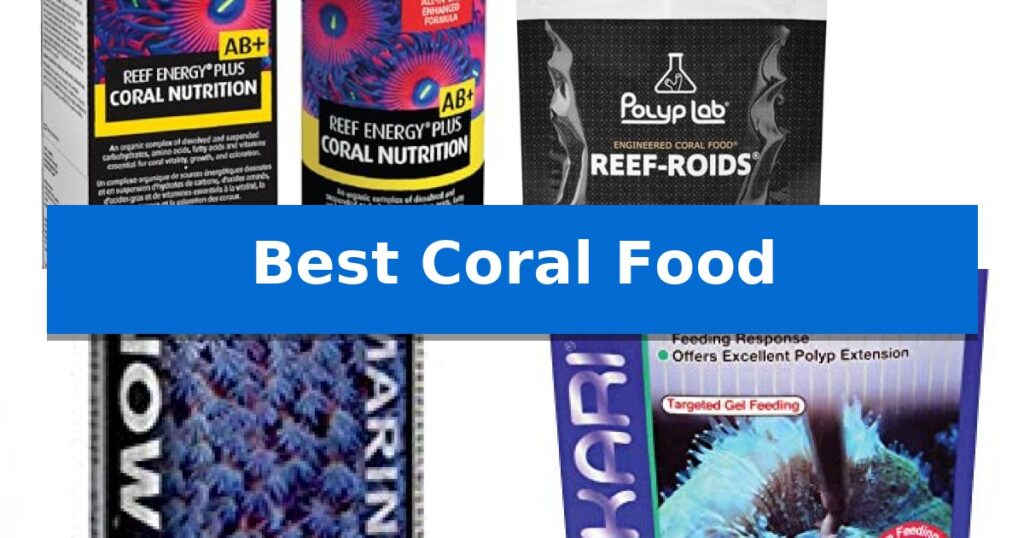
Best Coral Food in 2026: Boost Growth and Coloration
1 Red Sea Reef Energy Plus — Doser-friendly liquid nutrition
Maintaining a thriving marine environment requires precise nutrient management, and the Red Sea Reef Energy Plus offers a streamlined solution by providing a comprehensive, all-in-one superfood. Designed for a wide range of inhabitants, including Soft, LPS, SPS, and non-photosynthetic corals, this supplement is engineered to support vitality, growth, and coloration through a complex blend of carbohydrates, amino acids, fatty acids, and vitamins.
The formulation is built for highest energy efficiency, utilizing an organic complex that allows for direct absorption by corals. Because every component is designed to be utilized for metabolic processes like protein production and soft tissue regeneration, the formula leaves no residual waste or polluting organic material in the aquarium. This efficiency is paired with a 15% faster growth rate compared to previous two-part formulas, as confirmed by laboratory testing.
Usability is a primary focus, with the product being fully compatible with automatic dosing systems. The stable, all-in-one liquid composition allows it to remain unrefrigerated and unstirred for up to one week without losing efficacy. This flexibility makes it an ideal choice for hobbyists looking to simplify their feeding routine while maintaining consistent nutrient delivery across diverse coral species.
When integrating this supplement, users should note that while it is highly efficient, those utilizing LED lighting may need to adjust their dosing if growth rates do not meet expectations. To maintain the integrity of the solution, the dosing container should be cleaned with soapy water between refills, and the product should be kept refrigerated if stored for longer than one week to prevent spoilage.
PROS
- 15% faster growth rate compared to previous formulas.
- All-in-one formulation compatible with automatic dosing.
- Highest energy efficiency through direct nutrient absorption.
- No residual waste left in the aquarium after consumption.
CONS
- Requires refrigeration if stored for longer than one week.
- Dosing container maintenance is required to prevent spoilage.
2 Polyp Lab Reef-Roids — Popular powder for polyp extension
Maintaining a thriving reef environment often requires precise nutritional support, and the Polyp Lab Nano Reef-Roids Coral Food is specifically engineered to promote natural polyp extension in filter-feeding corals. This specialized powder is designed to be highly effective for various species, providing a targeted approach to coral health that avoids unnecessary waste in your aquarium ecosystem.
The versatility of this 37g supplement allows for flexible application methods depending on your tank's specific needs. You can choose to feed while tank circulation is off to ensure the particles settle directly onto the polyps, or you can disperse directly into the water column for broader distribution. This dual-use capability makes it a practical choice for hobbyists managing different types of coral colonies.
Measuring approximately 2.5 inches in height and 2 inches in width, this compact jar is designed for easy storage and precise dosing. The fine consistency of the powder ensures it remains suspended in the water long enough for polyps to capture the nutrients, maximizing the efficiency of each feeding session.
While this product provides a focused nutritional boost, it is important to manage your water quality carefully when introducing supplemental foods. Users should be mindful of their tank's filtration capacity, as adding concentrated nutrients can impact water chemistry if not balanced with regular maintenance. The Polyp Lab Nano Reef-Roids remains a staple choice for those looking to enhance the vitality of their reef inhabitants through targeted, high-quality nutrition.
PROS
- Promotes natural polyp extension in filter-feeding corals.
- Offers flexible feeding methods including targeted or dispersed application.
- Compact dimensions make it easy to store in any aquarium cabinet.
- Designed for high efficiency to support coral health.
CONS
- Requires careful water quality management to avoid nutrient spikes.
- Jar not included with the 37g refill size.
3 Brightwell Aquatics Reef Snow — Replicates natural marine snow
Maintaining a thriving reef environment requires precise nutrient delivery, and Brightwell Aquatics Reef Snow is engineered to replicate natural "Marine Snow" by providing a comprehensive blend of carbonate-bound major, minor, and trace elements. This specialized formula is designed to support the complex biological needs of your aquarium inhabitants without the use of sugars or their derivatives.
The supplement is packed with marine-derived proteins and lipids, which are essential for vibrant coral tissue and healthy skeletal development. Because it is optimized for invertebrates, this product provides the necessary organic and inorganic nutrients for a wide range of species, including stony corals, soft corals, clams, tube worms, sponges, and tunicates.
Designed for convenience and efficacy, this nighttime feeding formula is ideal for use when corals extend their tentacles, ensuring maximum nutrient absorption. The product is marine scientist formulated and does not require refrigeration, making it a straightforward addition to your nightly maintenance routine.
As an example of American-made excellence, this supplement reflects the brand's commitment to scientifically backed aquatic care. By integrating this into your feeding regimen, you provide a targeted solution that supports the health and vibrancy of your marine life through a balanced, nutrient-dense profile.
PROS
- Replicates natural marine snow using carbonate-bound trace elements.
- Contains essential marine-derived proteins and lipids for coral growth.
- No refrigeration required for convenient storage.
- Formulated by a marine scientist without sugars or derivatives.
CONS
- Requires nighttime application for optimal nutrient absorption.
4 Hikari Coralific Delite — Dual-use diet for SPS and LPS
Maintaining a thriving reef aquarium requires precise nutrient management, and the Hikari® Coralific Delite™ Formula offers a specialized solution by acting as an excellent zooplankton replacement. This dual-use diet is engineered to support both SPS and LPS corals, providing the essential building blocks they need to flourish in a captive environment.
The nutritional profile of this formula is comprehensive, incorporating the vital trace elements, proteins, vitamins, and astaxanthin that invertebrates require for long-term health. By delivering these concentrated nutrients, the diet is designed to accelerate coral growth and promote visible color improvement, helping corals maintain their vibrant appearance.
Versatility is a core component of this product's design. It can be prepared as a suspension for broadcast feeding or used with a syringe as a target food for specific polyps. This flexibility ensures that aquarists can deliver nutrition exactly where it is needed most, minimizing waste and maximizing uptake.
While this formula provides a robust nutritional supplement, users should manage feeding portions carefully to maintain water quality. As with any concentrated coral food, integrating this into a regular maintenance routine helps ensure that the nutritional requirements of diverse coral species are met without overloading the filtration system.
PROS
- Serves as an excellent zooplankton replacement for diverse coral species.
- Formulated with essential trace elements, proteins, and astaxanthin to support health.
- Promotes accelerated coral growth and enhanced coloration.
- Supports flexible application via syringe for targeted feeding.
CONS
- Requires careful portion control to prevent water quality degradation.
5 Benepets Benereef Powder — Probiotic-enhanced nutrient blend
Maintaining a thriving reef ecosystem requires precise nutritional support, and the Benepets Benereef Powder addresses this through a patent-pending probiotic formula designed to keep tank water clean while delivering essential nutrients. This specialized reef food is formulated to support a wide range of inhabitants, including LPS corals, SPS corals, soft corals, and various filter-feeding invertebrates.
The core of this nutrition system lies in its prebiotic and probiotic blends, which include Lactobacillus, Saccharomyces, and Bacillus. With a minimum concentration of 1,000,000 CFU/g, these active cultures enhance nutrient absorption and support healthy digestion for your aquarium life. This unique mix is engineered to survive the drying process and reactivates upon rehydration, ensuring the corals receive the full benefit of the formula.
Beyond digestive support, the Benepets Benereef Powder is packed with vital vitamins and minerals that fuel cellular metabolism, immune function, and vibrant coloration. The inclusion of high-quality proteins and amino acids provides the necessary building blocks for coral skeleton development and overall tissue health, all while maintaining water quality.
Designed for ease of use, the powder is simply sprinkled directly into the water column over the reef, allowing it to distribute naturally to the inhabitants. For optimal results, the manufacturer recommends feeding the tank 3-4 times per week, with the dosage adjusted based on the specific size of your aquarium system. Every batch is proudly made in the USA, ensuring consistent quality and freshness.
PROS
- Contains a patent-pending probiotic formula to support water clarity.
- Includes a potent blend of prebiotics and probiotics to enhance nutrient absorption.
- Rich in essential vitamins, minerals, and amino acids for coral growth and color.
- Safe for a wide variety of reef inhabitants, including LPS, SPS, and soft corals.
CONS
- Requires manual adjustment of feeding amounts based on individual tank size.
- Feeding schedule is limited to 3-4 times per week.
Best Coral Food Buying Guide
Understanding Coral Nutritional Needs
Corals are complex organisms that often rely on a combination of photosynthesis and active feeding to survive. While many corals derive energy from symbiotic zooxanthellae, supplemental feeding provides the essential building blocks like amino acids and lipids that light alone cannot supply.
Different coral types have varying feeding mechanisms. SPS corals often benefit from fine, suspended particles, while LPS corals and non-photosynthetic species may require larger, nutrient-dense food sources to thrive and maintain their tissue health.
Liquid vs. Powdered Formulas
The choice between liquid and powdered food often depends on your aquarium setup and maintenance schedule. Liquid formulas are frequently designed for ease of use and are often compatible with automatic dosing systems, allowing for consistent, daily nutrition without manual intervention.
Powdered blends typically require manual preparation, such as rehydration or mixing with tank water. These are excellent for target feeding specific colonies, ensuring that larger polyps receive a concentrated meal, though they require more hands-on time from the aquarist.
The Role of Probiotics and Water Quality
Modern coral nutrition often incorporates probiotics to support digestion and nutrient absorption. These beneficial bacteria help break down complex nutrients, making them more bioavailable to the coral while potentially reducing the accumulation of organic waste in your system.
Maintaining water quality is paramount when introducing supplemental food. High-quality formulas are designed to be consumed efficiently, minimizing the risk of polluting the water column and preventing unwanted algae blooms that can occur with lower-grade, high-residue products.
Target Feeding vs. Broadcast Feeding
Broadcast feeding involves dispersing food throughout the entire water column, which is effective for smaller polyps and filter feeders. This method relies on the tank's circulation to deliver nutrients to every corner of the reef, ensuring that even the most hidden corals receive sustenance.
Target feeding is a more precise approach where you deliver food directly to a specific coral's tentacles using a syringe or pipette. This is particularly useful for LPS corals or recovery efforts, as it ensures the coral captures the maximum amount of food while minimizing waste.
Frequency and Dosage Considerations
Consistency is key when feeding your reef. Most corals respond well to regular, smaller feedings rather than infrequent, heavy doses. Always monitor your tank's response, as overfeeding can lead to elevated nutrient levels that may negatively impact sensitive species.
Adjust your feeding schedule based on the needs of your corals and the biological capacity of your filtration. Many manufacturers provide specific guidelines, but observing your corals' polyp extension is the best indicator of whether your current feeding regimen is effective.
Frequently Asked Questions
How often should I feed my corals?
Feeding frequency depends on the coral species and your tank's filtration. Many hobbyists feed 3-4 times per week, but always monitor your water parameters to ensure your system can handle the nutrient load.
Can I use an automatic doser for coral food?
Yes, some liquid coral foods are specifically formulated to be shelf-stable and suitable for use with automatic dosing pumps, making daily feeding much more convenient.
Do I need to turn off my pumps when feeding?
Turning off circulation pumps for a short period during feeding can help prevent food from being immediately pulled into the filtration system, allowing corals more time to capture the nutrients.
What is the benefit of probiotic-enhanced coral food?
Probiotic-enhanced formulas contain beneficial bacteria that assist in nutrient breakdown and absorption, which can lead to better coral health and cleaner water conditions.
Are these foods safe for fish?
Most coral foods are designed to be safe for the entire reef ecosystem, including fish and invertebrates, though they should not replace a balanced diet specifically formulated for your fish.
Conclusion: Our Top Pick
Selecting the right nutrition is essential for a thriving reef. After reviewing the available options, the Red Sea Reef Energy Plus stands out as our top recommendation due to its all-in-one, energy-efficient formula that supports both growth and coloration across a wide range of coral species.
Its compatibility with automatic dosers and its focus on minimal residual waste make it a practical choice for both novice and experienced reef keepers. While other options like powdered blends offer excellent benefits for specific target-feeding needs, the overall convenience and nutritional profile of this product make it a reliable cornerstone for any marine aquarium.