
Watching a tiny caterpillar transform into a beautiful butterfly is a magical experience for children and adults alike. To ensure this process happens safely, you need a reliable enclosure that provides proper ventilation, visibility, and space for your insects to thrive. Selecting the Best Butterfly Habitat is the first step toward a successful and educational metamorphosis project at home or in the classroom.
Whether you are looking for a large enclosure to house multiple caterpillars or a compact unit for a beginner project, there are several high-quality options available. In this guide, we examine the most popular models designed to keep your butterflies healthy while offering a clear view of their development. Let us explore the features that make these habitats essential for any aspiring entomologist.
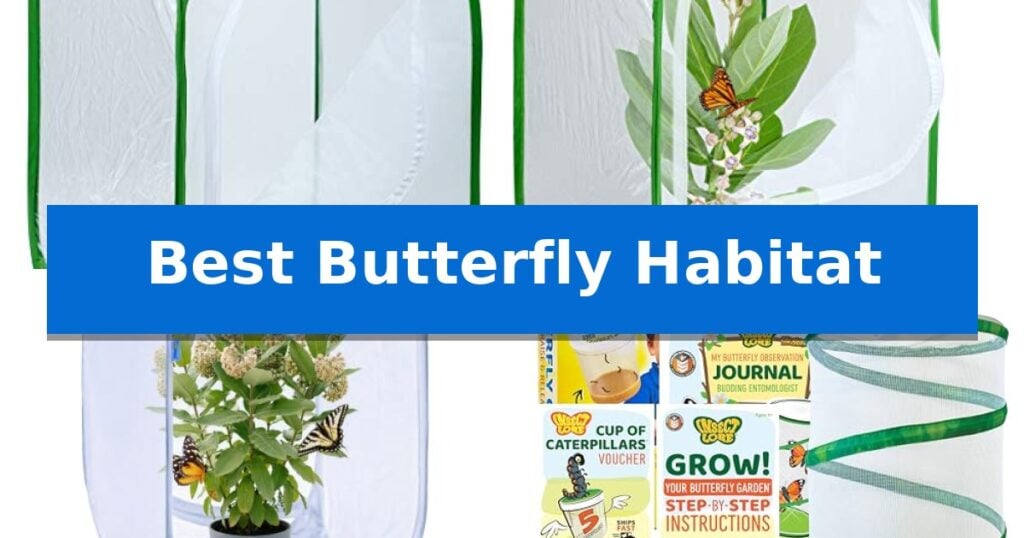
Best Butterfly Habitat in 2026: Observe Metamorphosis Safely
1 RESTCLOUD Large Butterfly Habitat — Best for Raising Multiple Caterpillars
Observing the life cycle of a butterfly is a transformative experience, and the RESTCLOUD 36" Large Monarch Butterfly Habitat provides a dedicated, secure environment to facilitate this process. Designed with a 24 x 24 x 36 inch footprint, this enclosure offers significant vertical space, allowing it to accommodate up to four large, 3-foot-tall milkweed plants and support the development of as many as 40 caterpillars simultaneously.
The habitat features a professional-grade, square design that ensures the structure remains stable without rocking or shifting. Its construction utilizes fine mesh panels on the sides to promote optimal airflow, ensuring the environment remains breathable and safe for the insects. A clear vinyl window panel is integrated into the design, offering an unobstructed view for students and families to monitor the progression from caterpillar to chrysalis and the eventual emergence of the butterfly.
Usability is a core focus of this model, particularly regarding the safety of the emerging insects. The side opening door is strategically positioned to prevent interference with chrysalises that may be attached to the cage roof, a common issue in top-loading designs. The enclosure also includes a polyester bottom to simplify the cleaning process, and the entire unit is collapsible, allowing for convenient storage when not in use.
While the habitat is designed for durability and ease of use, it is important to note that its large size requires a dedicated surface area for setup. The quick start guide manual included with the product provides essential instructions for those new to raising butterflies, ensuring that the transition from caterpillar to adult is handled with care.
PROS
- Large 24 x 24 x 36 inch capacity holds up to 40 caterpillars and multiple milkweed plants.
- Stable, square frame prevents rocking and movement during use.
- Side-opening door protects chrysalises located on the roof.
- Collapsible, reusable design allows for efficient storage.
CONS
- Large footprint requires significant counter or floor space for operation.
2 RESTCLOUD Butterfly Habitat Cage — Ideal for Tall Milkweed Plants
Observing the life cycle of a butterfly requires a secure, stable environment that protects delicate wings while providing clear visibility for study. The RESTCLOUD Butterfly Habitat Cage is engineered with a professional-grade, square-frame design that sits straight on surfaces without rocking, ensuring that chrysalides remain undisturbed during their sensitive transformation process.
This habitat features a spacious interior measuring 15.7 x 15.7 x 23.6 inches, providing ample room to accommodate up to two large milkweed plants. The collapsible design allows for convenient storage when not in use, while the durable construction ensures it remains reusable for future generations of caterpillars. With five mesh panels, the enclosure promotes optimal airflow, which is essential for maintaining a healthy environment for developing insects.
For educational purposes, the inclusion of a clear vinyl window panel offers an unobstructed view of the metamorphosis, allowing students and families to witness the emergence of Monarch, Painted Lady, or Black Swallowtail butterflies. The large zipper side opening simplifies the process of feeding and cleaning, while also providing a controlled exit point for releasing butterflies into the wild once they are ready.
Designed to be both functional and user-friendly, this habitat includes a quick start guide manual to assist those new to raising butterflies. By prioritizing structural integrity and ease of access, this enclosure creates a reliable space for observing nature up close without the risk of damaging fragile wings during the transition to adulthood.
PROS
- Professional square-frame design prevents rocking and instability.
- Spacious 23.6-inch height accommodates large host plants.
- Clear vinyl window provides excellent visibility for observation.
- Collapsible structure allows for space-saving storage.
CONS
- Single-door access may limit reach to all corners of the habitat.
3 GDanes Pop-up Butterfly Habitat — Clear View for Metamorphosis
Observing the intricate stages of insect development requires a stable, clear environment that allows for unobstructed viewing. The GDanes Pop-up Butterfly Habitat is engineered with a professional version design that sits straight and remains firmly in place, ensuring the enclosure does not rock or move while caterpillars transform into chrysalis and eventually emerge as butterflies.
This habitat features new clear mesh materials that provide an exceptional view of the life cycle, making it a practical tool for students and families to monitor the progress of Monarch, Painted Lady, or Black Swallowtail species. Its 16" x 16" x 24" dimensions offer a tall and wide interior space capable of holding two large milkweed plants, providing sufficient room for butterflies to expand their wings without the risk of damage.
Usability is enhanced by a large zipper side opening equipped with double zippers, which simplifies the process of feeding the inhabitants or releasing them into the wild. The structure is built for convenience, utilizing a collapsible design that allows the terrarium to fold almost flat for easy storage when not in use, while remaining fully reusable for future cycles.
Maintenance is streamlined through the inclusion of a polyester bottom designed for easier cleaning. By balancing a sturdy, upright frame with a lightweight, portable construction, this enclosure offers a dedicated space for nature study that is both functional for the user and safe for the butterflies.
PROS
- Professional square design ensures the habitat sits straight and stable.
- Clear mesh materials allow for unobstructed viewing of the life cycle.
- Collapsible, reusable structure folds flat for efficient storage.
- Spacious 16" x 16" x 24" interior accommodates large milkweed plants.
CONS
- Requires manual cleaning of the polyester bottom to maintain hygiene.
4 Insect Lore Butterfly Garden — Classic Choice for Classroom Learning
Witnessing the transformation of a caterpillar into a butterfly provides a unique, hands-on perspective on nature that few other projects can replicate. The Insect Lore Butterfly Garden serves as an educational bridge, allowing students and families to observe the entire metamorphosis process within a controlled, 12-inch mesh habitat.
This kit is designed to turn complex biological concepts into an engaging, three-week project. By utilizing the included voucher, users can receive live Painted Lady caterpillars to begin their study of growth and development. The habitat is specifically crafted for visibility, ensuring that the transition from larva to chrysalis, and finally to a butterfly, can be monitored closely in a classroom or home setting.
Beyond the habitat itself, the set includes essential tools such as a STEM Activity Journal, a feeding dropper, and a dedicated butterfly feeder. These components encourage active participation, requiring users to document observations and maintain the environment for the insects. The structure is lightweight and portable, making it a versatile tool for various learning environments, from homeschooling setups to summer science programs.
While the kit provides the necessary infrastructure for this life cycle project, it is important to note that the live specimens are not included in the initial purchase. Users must redeem the provided voucher to receive the caterpillars, which involves an additional $10.95 redemption fee. This design choice ensures that live organisms are shipped at the appropriate time for the project, though it requires a brief waiting period before the metamorphosis can begin.
PROS
- Includes a 12-inch reusable habitat for clear observation.
- Comprehensive STEM Activity Journal to track the life cycle.
- Encourages hands-on learning for nature and science education.
- Complete set of feeding supplies included for post-emergence care.
CONS
- Live caterpillars not included in the box.
- Requires an additional $10.95 redemption fee for the voucher.
5 RESTCLOUD Compact Butterfly Habitat — Space-Saving Design for Beginners
Observing the lifecycle of a butterfly from a caterpillar to its emergence is a unique educational experience, and the RESTCLOUD Compact Butterfly Habitat facilitates this process with a specialized 12 x 12 x 12 inch square design. Unlike traditional enclosures that may shift or tilt, this habitat is engineered to sit straight and remain stable, providing a secure environment for delicate transformations.
The habitat features five mesh panels that ensure optimal airflow, which is essential for the health of the insects inside. A dedicated clear vinyl window panel allows for clear, unobstructed viewing, making it an ideal tool for students and families to witness the development of Monarchs, Painted Ladies, or Black Swallowtails without disturbing the inhabitants.
Safety is a primary design focus, evidenced by the added seam of protection around the zipper. This feature prevents caterpillars from pupating directly on the zipper track, which protects them from potential damage during opening and closing. The large zipper side opening also makes it simple to feed the butterflies and eventually release them into the wild.
For those with limited space, the collapsible design allows the unit to be folded flat for convenient storage when not in use. The habitat is fully reusable and comes with a quick start guide manual to assist beginners in successfully raising butterflies from the larval stage through to their first flight.
PROS
- Stable square design that sits straight without rocking.
- Zipper protection seam prevents caterpillar injury during maintenance.
- Clear vinyl window for optimal observation.
- Collapsible, reusable structure for easy storage.
CONS
- Fixed 12-inch size may be limiting for larger butterfly species or high-volume rearing.
Best Butterfly Habitat Buying Guide
Size and Capacity
The size of your enclosure should be determined by the number of caterpillars you plan to raise and the type of host plants you intend to use. A larger habitat, such as those measuring 24 inches or more in height, provides ample room for tall milkweed plants and allows for better airflow, which is critical for the health of your insects.
If you are working with a smaller group or have limited space, a compact 12-inch cube may suffice. However, keep in mind that overcrowding can lead to stress and health issues for the caterpillars. Always prioritize a habitat that offers enough vertical space for the butterflies to fully expand their wings after emerging from their chrysalides.
Ventilation and Visibility
A high-quality butterfly habitat must feature fine mesh panels to ensure excellent airflow while preventing the insects from escaping. Proper ventilation helps maintain a healthy environment by reducing humidity and preventing the buildup of mold or bacteria inside the cage.
Visibility is equally important for educational purposes. Many modern habitats include a clear vinyl window panel, which allows you to observe the metamorphosis process without disturbing the delicate creatures inside. This feature is particularly beneficial for students and families who want a front-row seat to the magic of nature.
Construction and Stability
Stability is a key factor in preventing the enclosure from tipping over, which could harm the chrysalides attached to the roof or sides. Look for designs that sit squarely on a flat surface and do not rock or move when touched. Professional-grade versions often feature reinforced frames that maintain their shape throughout the entire growing cycle.
The bottom of the habitat should be easy to clean, as caterpillars produce a significant amount of waste. A polyester or plastic base that can be wiped down or rinsed is a major convenience, ensuring that you can maintain a hygienic environment for your butterflies throughout their stay.
Ease of Access
The design of the door is a crucial consideration for feeding and releasing your butterflies. A large zipper opening is generally preferred, as it allows you to easily place fresh host plants inside or remove waste without accidentally damaging any chrysalides attached to the top of the cage.
Some models include specialized zipper protection, such as extra seams, to prevent caterpillars from pupating directly on the zipper track. This thoughtful design detail ensures that you do not accidentally harm the insects when opening or closing the enclosure, making the entire experience safer for the butterflies.
Educational Value
Many butterfly habitats are sold as part of a complete kit, which may include STEM journals, feeding droppers, and vouchers for live caterpillars. These kits are excellent for classroom settings or homeschooling, as they provide all the necessary tools to turn a simple observation project into a comprehensive learning experience.
When choosing a kit, consider whether it includes educational materials that align with your goals. A well-rounded habitat setup encourages curiosity and discovery, helping children understand the butterfly life cycle, growth, and the importance of pollinators in our ecosystem.
Frequently Asked Questions
How many caterpillars can I keep in one habitat?
The number of caterpillars depends on the size of the habitat. Larger enclosures, such as those that are 24 to 36 inches tall, can comfortably house up to 40 caterpillars, while smaller 12-inch cages are better suited for a few individuals.
Are these habitats reusable?
Yes, most pop-up butterfly habitats are designed to be collapsible and reusable. After the butterflies have been released, you can clean the enclosure, fold it flat for easy storage, and use it again for the next season.
Do I need to provide fresh plants?
Yes, caterpillars require fresh host plants, such as milkweed, to eat and grow. It is important to ensure the habitat is large enough to accommodate the plants while still leaving room for the caterpillars to move around.
How do I clean the habitat?
Most habitats feature a polyester or vinyl bottom that can be wiped clean with a damp cloth. Regular cleaning is essential to remove frass (caterpillar waste) and maintain a healthy environment for the insects.
Can I keep the butterflies in the habitat after they emerge?
It is generally recommended to release butterflies into the wild shortly after their wings have dried and hardened. Keeping them in an enclosure for too long can limit their ability to feed and fly properly.
Conclusion: Our Top Pick
When selecting the right enclosure for your project, the RESTCLOUD Large Butterfly Habitat stands out as an exceptional choice for those who want to raise multiple caterpillars. Its spacious design, measuring 24 x 24 x 36 inches, provides plenty of room for multiple milkweed plants, ensuring your caterpillars have enough food to grow healthy and strong. The professional-grade construction ensures the cage remains stable, while the clear vinyl window offers a perfect view of the metamorphosis process.
While other models are excellent for smaller projects or classroom learning, this large habitat is the most versatile option for serious hobbyists. Its collapsible nature makes it easy to store between seasons, and the side-opening door design minimizes the risk of disturbing chrysalides. For a reliable, durable, and spacious environment, this habitat is our top recommendation for your butterfly-raising journey.