
Maintaining a healthy aquatic environment starts with understanding the invisible chemistry of your tank. Whether you are managing a new setup or a long-established reef, the Best Aquarium Test Kit is an essential tool for monitoring vital parameters like pH, ammonia, and nitrate levels before they impact your fish.
Choosing the right testing method depends on your need for precision versus convenience. While liquid reagents often provide the most detailed readings for troubleshooting, test strips offer a rapid way to perform routine weekly checks. We have evaluated several top-rated kits to help you determine which system best fits your maintenance routine and ensures your underwater ecosystem remains stable and thriving.
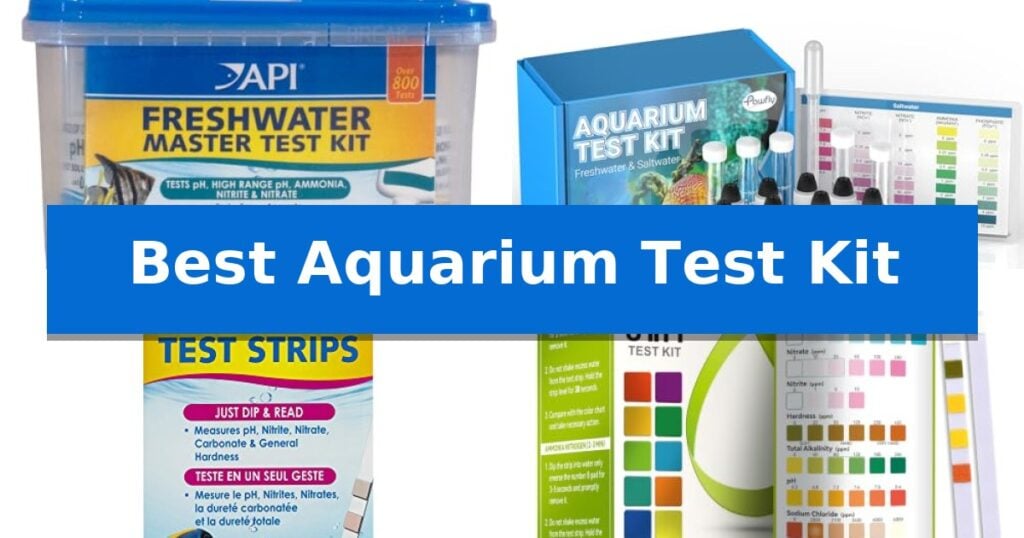
Best Aquarium Test Kit in 2026: Achieve Precise Water Quality Control
1 API Freshwater Master Test Kit — Gold Standard for Liquid Accuracy
Maintaining a healthy aquatic environment requires precision, and the API Freshwater Master Test Kit provides a comprehensive solution by monitoring the five most vital water parameters: pH, high range pH, ammonia, nitrite, and nitrate. This kit is specifically engineered for freshwater aquariums, offering a reliable way to track water quality and prevent invisible issues that could otherwise lead to fish loss.
The API Freshwater Master Test Kit is designed for both routine weekly maintenance and immediate troubleshooting when fish or water conditions appear compromised. By utilizing a scientific approach to water chemistry, the kit includes seven bottles of testing solutions, a clear color card for comparison, and four glass test tubes with caps, ensuring you have the necessary tools to perform accurate assessments.
This system is a practical choice for hobbyists who prioritize consistent water monitoring. Because it covers the most critical chemical levels, it helps users make informed decisions about water changes and filtration adjustments. The kit is strictly for freshwater use, providing a focused, evidence-based method to maintain a stable ecosystem for your aquatic life.
While the kit offers extensive testing capabilities, it is important to note that it is designed specifically for freshwater applications. Its straightforward design allows for easy integration into any maintenance schedule, helping to demystify the complex chemistry of an aquarium through clear, color-coded results.
PROS
- Monitors 5 vital water parameters for comprehensive health tracking.
- Includes 7 bottles of testing solutions for long-term use.
- Essential for preventing invisible water problems that harm fish.
- Suitable for both weekly monitoring and emergency troubleshooting.
CONS
- Designed exclusively for freshwater aquariums only.
2 Pawfly 5 in 1 Master Test Kit — Professional Reagent Grade Analysis
Maintaining a stable aquatic environment requires precise data, and the Pawfly 5 in 1 Master Test Kit provides a comprehensive solution by monitoring five critical water parameters: pH, nitrite, nitrate, ammonia, and phosphate. This all-in-one approach allows hobbyists to track essential chemical levels in both freshwater and saltwater tanks using a single, streamlined system.
The kit utilizes professional liquid reagents to ensure high accuracy, offering a more precise alternative to traditional test strips. By comparing water samples against the included color-matching charts, users can obtain laboratory-quality results that help safeguard against the dangers of ammonia or nitrite spikes, which are common causes of fish loss.
Designed for long-term utility, this fish tank water testing kit includes enough materials for 265 total measurements. The breakdown provides 100 tests for pH, 45 for nitrite, 50 for nitrate, 30 for ammonia, and 40 for phosphate, supporting months of consistent monitoring to keep your aquarium environment balanced.
The Pawfly 5 in 1 Master Test Kit is an essential tool for proactive maintenance. By regularly analyzing water quality, you can ensure that your aquatic pets and plants thrive in optimal conditions, effectively preventing the buildup of harmful substances before they impact the health of your tank inhabitants.
PROS
- Comprehensive 5-in-1 testing covers all critical water parameters.
- Professional liquid reagents provide superior accuracy compared to strips.
- High-capacity kit supports 265 total measurements for long-term use.
- Compatible with both freshwater and saltwater applications.
CONS
- Requires manual color-matching which may be subjective to interpret.
3 API 5-in-1 Test Strips — Fastest Weekly Water Monitoring
Maintaining a stable and healthy aquatic environment requires consistent monitoring of water chemistry, which is where the API 5-in-1 Test Strips provide a streamlined solution. By allowing users to quickly assess five critical parameters—pH, nitrite, nitrate, carbonate, and general hardness—these strips help identify potential water quality issues before they escalate into harmful conditions for fish.
Designed for both freshwater and saltwater aquariums, these strips offer a dip-and-read methodology that simplifies the testing process. This efficiency is particularly useful for routine weekly maintenance or for troubleshooting when water parameters appear off-balance. The ability to monitor multiple chemical levels simultaneously helps prevent the accumulation of toxins that can lead to fish loss.
The API 5-in-1 Test Strips are developed by a brand with over 60 years of experience in the aquatics industry, ensuring that the testing technology is built on a foundation of professional-grade research. The compact packaging contains four test strips, making it a convenient option for hobbyists who need a reliable, space-saving tool for regular ecosystem management.
While these strips offer rapid results, they are intended as a practical monitoring tool for ongoing care. Users should ensure they follow the instructions carefully to maintain accuracy, as the color-coded system requires clear observation to interpret the water chemistry levels correctly. This product serves as an essential component for any aquarium owner aiming to maintain a safe and thriving habitat.
PROS
- Multi-parameter testing measuring pH, nitrite, nitrate, carbonate, and general hardness.
- Fast and easy dip-and-read application.
- Suitable for both freshwater and saltwater environments.
- Helps in preventing invisible water problems that can harm fish.
CONS
- Limited quantity of four strips per package.
- Requires careful color interpretation for accurate readings.
4 AAwipes 8-in-1 Test Kit — Broadest Parameter Coverage
Maintaining stable water chemistry is essential for the health of aquatic life, and the AAwipes 8-in-1 Aquarium Test Kit simplifies this process by offering a comprehensive, 8-in-1 testing capability in a single package. Designed for both freshwater and saltwater environments, this kit allows enthusiasts to monitor critical parameters including Free Chlorine, Nitrate, Nitrite, Hardness, Sodium Chloride, Total Alkalinity, pH, and Ammonia nitrogen without the need for external laboratory services.
The testing process is engineered for efficiency, utilizing a 3-step method that provides results in just minutes. Users dip the strip for two seconds for the first seven parameters, while the Ammonia nitrogen pad requires a separate five-second dip. By holding the strip horizontally for the specified wait times—30 seconds for most pads and 180 seconds for ammonia—you can compare the results against the provided color chart to achieve up to 99% accuracy.
Durability and convenience are central to the design of this kit. The 50 test strips are housed in a well-sealed bottle that protects the materials from environmental moisture, ensuring an extended shelf life and consistent performance over time. This packaging choice helps maintain the integrity of the non-bleeding color pads, providing reliable data for routine maintenance.
Whether you are managing a small home aquarium, a large fish tank, or an outdoor pond, this kit provides the versatility needed to ensure your filter functions properly. By performing these tests at least twice a week, you can proactively identify hidden water quality issues, helping to maintain a balanced and safe environment for your fish and shrimp.
PROS
- Broad parameter coverage including 8 essential water quality metrics.
- High-quality fiber paper with non-bleeding colors for clear, accurate readings.
- Fast, 3-step testing process that eliminates the need for professional lab services.
- Well-sealed packaging to protect strips from moisture and ensure longevity.
CONS
- Separate timing requirements for the ammonia pad compared to the other seven parameters.
5 SJ WAVE 11 in 1 Test Strips — High-Volume Routine Testing
Maintaining stable water chemistry is essential for the health of aquatic life, and the SJ WAVE 11 in 1 Test Strips provide a comprehensive solution for monitoring your aquarium environment. By testing 11 key parameters—including ammonia, pH, iron, chlorine, GH, carbonate, nitrate, nitrite, total alkalinity, copper, and temperature—this kit offers a detailed snapshot of your tank's water quality without requiring frequent trips to a pet store.
Designed for versatility, this home water test kit is suitable for a wide range of setups, including freshwater fish tanks, saltwater aquariums, betta tanks, and fish ponds. The process is straightforward: simply dip a strip into the water and compare the results against the provided easy-to-read color charts. This allows for quick, actionable insights into your water conditions, helping you address potential imbalances before they affect your fish.
The kit includes 150 test strips in total, with 50 strips stored in a bottle and 100 in separate bags to ensure extended freshness. To maintain maximum accuracy, it is recommended to use the strips within 3 months of opening. Additionally, the package includes an exclusive eBook that provides valuable guidance on understanding water characteristics, making it a helpful resource for both beginners and experienced hobbyists.
While the strips offer a convenient way to perform regular checks, they serve as a diagnostic tool rather than a permanent replacement for professional-grade laboratory testing. The highly sensitive nature of the strips helps detect low levels of impurities, but users should ensure they follow the storage guidelines closely to maintain the integrity of the reagents over time.
PROS
- Tests 11 critical water parameters in a single step.
- Includes 150 test strips for long-term monitoring.
- Compatible with freshwater, saltwater, and pond environments.
- Includes an exclusive eBook for expert guidance.
CONS
- Requires usage within 3 months of opening for optimal accuracy.
Best Aquarium Test Kit Buying Guide
Liquid Reagents vs. Test Strips
The primary trade-off in aquarium testing is between liquid reagent kits and test strips. Liquid kits, such as the API Freshwater Master Test Kit, typically involve mixing water samples with chemical solutions to achieve a color change. This method is widely regarded for its high accuracy and consistency, making it the preferred choice for serious hobbyists who need to pinpoint exact chemical concentrations.
Conversely, test strips are designed for maximum convenience and speed. By simply dipping a strip into the water and comparing the color pads to a chart, you can get a broad overview of multiple parameters in seconds. While they may be slightly less precise than liquid drops, they are excellent for frequent, routine monitoring to catch major fluctuations before they become emergencies.
Understanding Essential Parameters
A reliable kit must cover the most critical indicators of water health. Ammonia, nitrite, and nitrate form the core of the nitrogen cycle, and monitoring these is non-negotiable for preventing toxic buildup. High levels of ammonia or nitrite are often the primary cause of fish loss, so having a kit that can detect these at low concentrations is vital.
Beyond the nitrogen cycle, pH levels and alkalinity play a significant role in the long-term stability of your tank. Different species have specific requirements, and keeping these parameters within a safe range ensures that your fish and plants are not subjected to unnecessary stress. Always choose a kit that includes the specific ranges relevant to your aquarium type, whether freshwater or saltwater.
Frequency of Testing
Consistency is the key to a healthy aquarium. Experts generally recommend testing your water at least once a week to establish a baseline and identify trends. If you are cycling a new tank, you may need to test more frequently, sometimes daily, to track the development of beneficial bacteria.
In addition to scheduled maintenance, you should always perform a test if you notice unusual fish behavior, such as gasping at the surface or loss of appetite. Sudden changes in water clarity or the introduction of new livestock are also clear signals that it is time to pull out your testing kit and verify that your water parameters remain within safe limits.
Shelf Life and Storage
Test kits are chemical-based products and have a finite lifespan. Liquid reagents can degrade over time, especially if exposed to extreme temperatures or direct sunlight. Always store your kit in a cool, dark place and check the expiration dates on the bottles to ensure you are getting accurate results.
For test strips, moisture is the enemy. Most manufacturers package strips in sealed bottles with desiccant to prevent premature degradation. Always ensure the cap is tightly sealed after every use and avoid touching the reactive pads with wet fingers, as this can ruin the entire batch and lead to false readings.
Interpreting Results
Even the most accurate kit is only as good as your ability to read the results. Most kits rely on color-matching charts, which can sometimes be subjective depending on your lighting conditions. Always perform your color comparisons in well-lit areas, preferably under natural or neutral white light, to avoid color distortion.
If you find that your results are consistently on the edge of the 'safe' zone, it is often better to take corrective action early. Simple steps like performing a partial water change or checking your filter media can often resolve minor imbalances before they escalate into significant water quality issues.
Frequently Asked Questions
How often should I test my aquarium water?
It is recommended to test your water at least once a week for established tanks. New tanks or those with recent changes should be tested more frequently.
Are liquid test kits more accurate than strips?
Generally, liquid reagent kits are considered more precise and consistent, while test strips are favored for their speed and ease of use during routine checks.
Can I use freshwater test kits for saltwater tanks?
Not always. Some kits are specifically formulated for one environment. Always check the product packaging to ensure it is compatible with your specific aquarium type.
What should I do if my test results are abnormal?
If you detect high levels of toxins like ammonia or nitrite, perform a partial water change immediately and investigate the cause, such as overfeeding or a failing filter.
Do test kits expire?
Yes, both liquid reagents and test strips have expiration dates. Using expired products can lead to inaccurate readings and potentially harmful decisions for your tank.
Conclusion: Our Top Pick
## Conclusion: Our Top Pick
For most hobbyists, the API Freshwater Master Test Kit stands out as the most reliable choice for maintaining a healthy aquarium. Its liquid reagent system provides the high level of accuracy required to monitor the nitrogen cycle effectively, ensuring you can catch and correct potential issues before they harm your fish.
While it requires a bit more time to perform than a simple dip strip, the precision and long-term value of the 800-test capacity make it an indispensable tool for any serious freshwater keeper. By providing clear, consistent results for the five most vital water parameters, it offers the peace of mind that comes with knowing exactly what is happening inside your tank.