
Reducing Food Waste: A Guide to Sustainable Eating

Can we truly make a significant dent in the global food waste crisis, and can individual actions collectively impact this complex challenge? Absolutely. By embracing mindful consumption habits, adopting strategic storage techniques, and understanding the interconnectedness of our food systems, we can all become active participants in a more sustainable and equitable future, minimizing environmental impact and maximizing resource utilization.

Understanding the Scale of the Problem
Food waste isn’t just about throwing away leftovers; it’s a systemic issue with profound consequences. Globally, an estimated one-third of all food produced for human consumption is lost or wasted, costing trillions of dollars annually and contributing significantly to greenhouse gas emissions. The environmental impact stems from wasted resources – water, land, energy, and labor – used in producing food that never gets eaten. Furthermore, rotting food in landfills releases methane, a potent greenhouse gas far more damaging than carbon dioxide. Reducing food waste is therefore a crucial step in mitigating climate change and conserving precious resources.
Practical Strategies for Reducing Food Waste at Home
Planning and Preparation are Key
Meal planning is a powerful tool for reducing food waste. By carefully planning your meals for the week, you can create a shopping list that accurately reflects your needs, preventing impulse purchases and ensuring you only buy what you’ll actually use. Taking inventory of your pantry and refrigerator before shopping is equally important to avoid doubling up on items and using what you already have.
- Create a Weekly Meal Plan: Dedicate a few minutes each week to plan your meals. Consider your schedule, dietary preferences, and any upcoming events.
- Make a Shopping List and Stick to It: Based on your meal plan, create a detailed shopping list and resist the urge to buy items that aren’t on it.
- Check Your Pantry and Refrigerator: Before heading to the store, take stock of what you already have to avoid buying duplicates.
Smart Storage Techniques
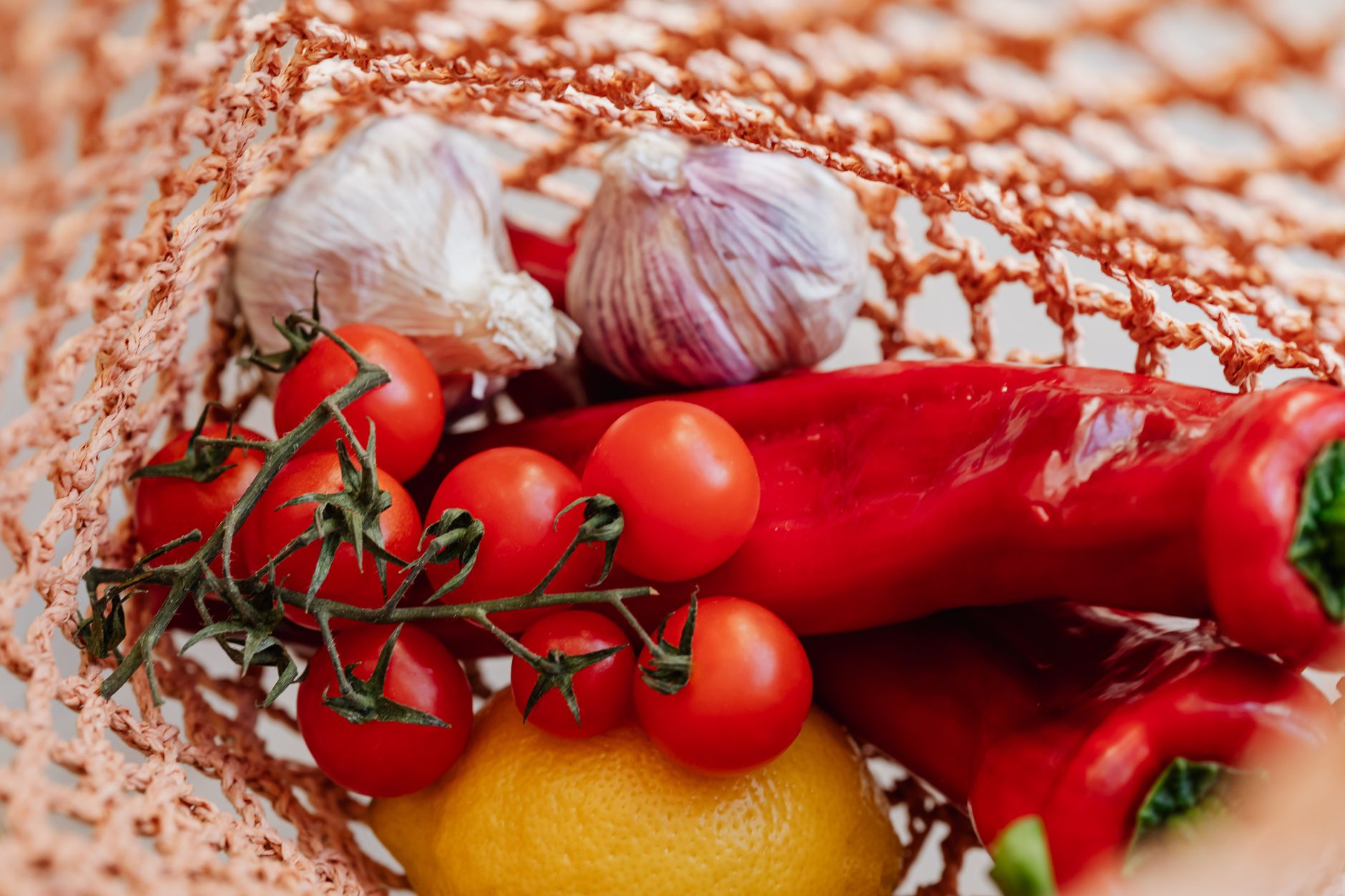
Proper food storage is essential for extending the shelf life of your groceries and preventing spoilage. Understanding how different foods should be stored can make a significant difference in reducing waste.
- Refrigerator Organization: Keep produce crisp and fresh by storing it in the appropriate compartments. Ethylene-producing fruits (like apples and bananas) should be stored separately from ethylene-sensitive vegetables (like lettuce and broccoli).
- Freezing Foods for Later: Freezing is an excellent way to preserve food that you won’t use immediately. Fruits, vegetables, meats, and even baked goods can be frozen for later use.
- Understand “Best Before” Dates: Don’t confuse “best before” dates with expiration dates. “Best before” dates indicate quality, not safety. Many foods are still perfectly safe to eat after their “best before” date.
Cooking with Creativity and Intention
Embrace creative cooking techniques to utilize leftover ingredients and prevent food waste. Learn to transform scraps into delicious meals, snacks, or even compost.
- Use Leftovers Creatively: Turn leftover cooked chicken into chicken salad sandwiches, or transform leftover vegetables into a flavorful soup or stir-fry.
- Embrace “Root-to-Stem” Cooking: Use all parts of your fruits and vegetables, including stems, peels, and leaves. For example, broccoli stalks can be peeled and used in salads or stir-fries, and carrot tops can be made into pesto.
- Make Homemade Stock: Use vegetable scraps and meat bones to make homemade stock, which can be used as a base for soups, sauces, and stews.
Composting: Recycling Food Waste
Composting is a fantastic way to recycle food scraps and turn them into nutrient-rich soil for your garden. Even if you don’t have a garden, you can still compost indoors or participate in a community composting program.
- Start a Backyard Compost Pile: If you have outdoor space, you can create a compost pile in your backyard.
- Use an Indoor Composting Bin: If you live in an apartment or don’t have outdoor space, you can use an indoor composting bin.
- Participate in Community Composting: Check to see if your community offers a composting program.
Food Waste and Its Impact on the Environment
Reducing food waste has a ripple effect, impacting various aspects of the environment.
Conserving Water Resources
Agriculture is a water-intensive industry, and a significant portion of the water used in food production is wasted when food is thrown away. By reducing food waste, we can conserve precious water resources.
Reducing Landfill Waste
Food waste is a major contributor to landfill waste. When food decomposes in landfills, it releases methane, a potent greenhouse gas. By reducing food waste, we can reduce landfill waste and mitigate climate change.
Decreasing Greenhouse Gas Emissions
From farm to fork, food production generates significant greenhouse gas emissions. By reducing food waste, we can decrease these emissions and help combat climate change.

FAQs: Addressing Common Concerns
1. What are the most commonly wasted foods, and how can I prevent wasting them?
Bread, fruits, vegetables, and dairy products are among the most frequently wasted foods. To minimize waste, store bread in a breadbox or freezer, store fruits and vegetables properly (e.g., ethylene-producing fruits separately), use leftovers creatively, and buy dairy products in smaller quantities or choose longer-lasting options.
2. How can I accurately gauge portion sizes to avoid over-serving and creating leftovers?
Use measuring cups and spoons to accurately portion out food, especially when cooking grains or pasta. Start with smaller servings and offer seconds if needed. Pay attention to your hunger cues and stop eating when you’re satisfied, not stuffed.
3. What are some practical ways to utilize food scraps like vegetable peels and stale bread?
Vegetable peels can be used to make vegetable broth, stale bread can be transformed into bread crumbs, croutons, or French toast. Citrus peels can be used to make homemade cleaners or zest for baking.
4. How do “sell-by,” “use-by,” and “best-by” dates differ, and which ones should I be most concerned about?
“Sell-by” dates are for retailers, “use-by” dates indicate the last day of optimal quality, and “best-by” dates indicate quality, not safety. Pay most attention to “use-by” dates for perishable items. Often, foods are safe to consume past the “best-by” date, relying on visual and olfactory cues is a good measure.
5. How can I effectively freeze fruits and vegetables to preserve their quality and nutrients?
Blanch vegetables briefly in boiling water before freezing to stop enzyme activity and preserve their color and texture. Freeze fruits and vegetables in a single layer on a baking sheet before transferring them to a freezer bag to prevent them from clumping together.
6. What are some creative ways to repurpose leftover meals or ingredients into entirely new dishes?
Leftover roasted chicken can become chicken salad or chicken tacos. Leftover cooked vegetables can be added to soups, stews, or frittatas. Leftover rice can be used to make fried rice or rice pudding.
7. How can I encourage my family, especially children, to embrace sustainable eating habits and reduce food waste?
Involve your family in meal planning and cooking. Teach children about the importance of reducing food waste and the environmental benefits of sustainable eating. Make it fun by creating games or challenges related to food waste reduction.
8. Is it more environmentally friendly to buy in bulk or to purchase smaller quantities more frequently, considering the risk of spoilage?
It depends on your consumption habits. If you consistently use large quantities of certain items, buying in bulk can be more economical and environmentally friendly. However, if you’re likely to waste bulk purchases due to spoilage, it’s better to buy smaller quantities more frequently.
9. What are some effective strategies for reducing food waste when eating out at restaurants or ordering takeout?
Order only what you can realistically eat. Take home leftovers and reheat them for another meal. Share dishes with friends or family to reduce the amount of food ordered. Support restaurants that prioritize sustainable practices and food waste reduction.
10. How can I assess my household’s food waste habits and identify areas for improvement?
Keep a food waste log for a week or two to track what you’re throwing away. Analyze the data to identify patterns and areas where you can make changes. For example, are you consistently throwing away a particular type of food? Are you buying too much of certain items?
11. What role do grocery stores and food manufacturers play in reducing food waste, and what can consumers do to encourage their efforts?
Grocery stores and food manufacturers can implement strategies such as optimizing inventory management, donating surplus food to food banks, and using packaging that extends shelf life. Consumers can support these efforts by choosing products with longer shelf lives, buying imperfect produce, and advocating for sustainable practices.
12. Beyond individual actions, what systemic changes are needed to address the global food waste crisis effectively?
Systemic changes include implementing policies that incentivize food waste reduction, investing in infrastructure for food recovery and redistribution, promoting education and awareness about food waste, and fostering collaboration among stakeholders across the food supply chain. Addressing date labeling inconsistencies and standardizing them also plays a significant role.
By adopting these strategies and advocating for systemic change, we can collectively reduce food waste and create a more sustainable and equitable food system for all.