
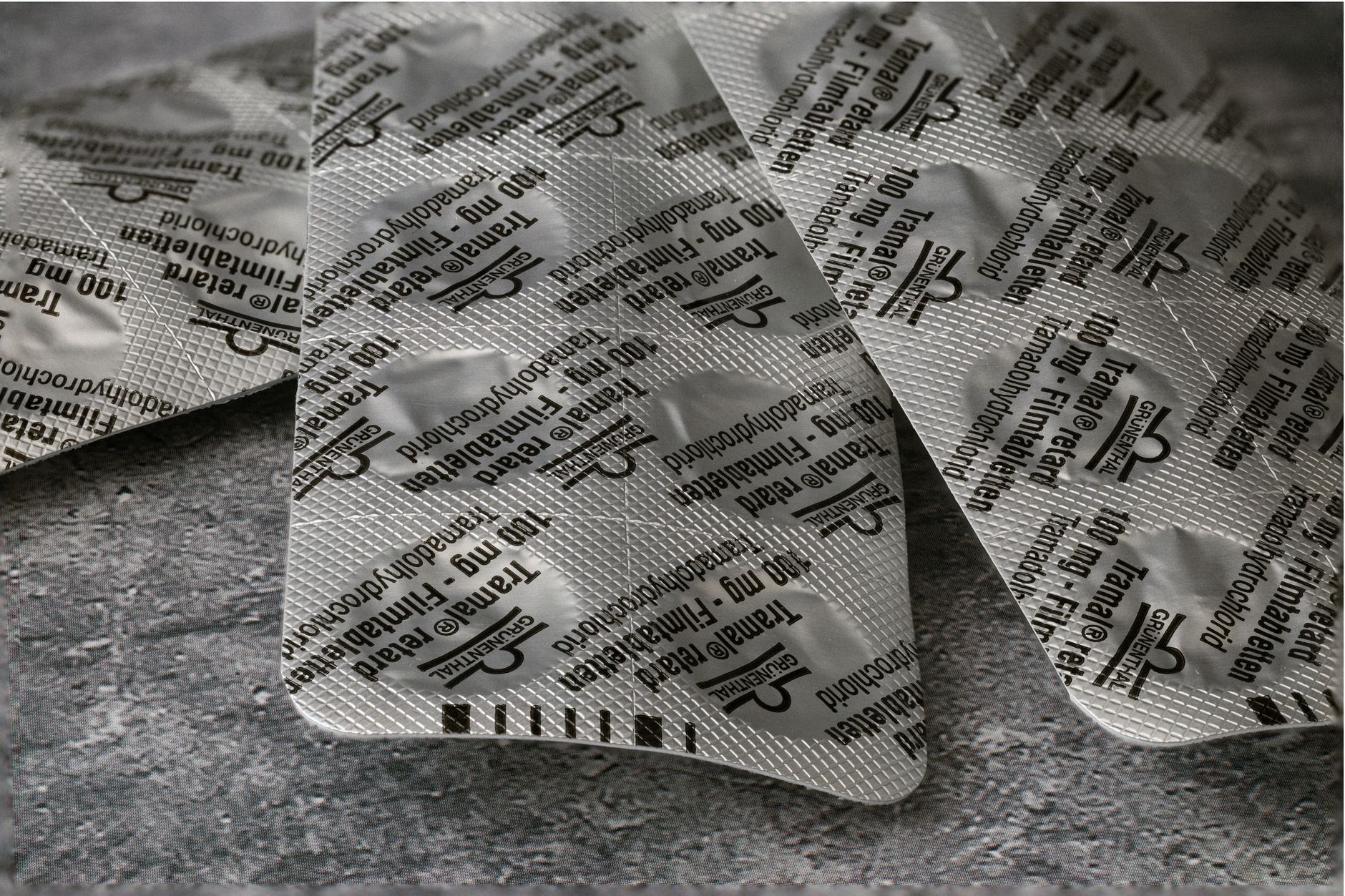
Is Tramadol a Dirty Drug?
Tramadol’s reputation as a pain reliever is complicated, and the answer to Is tramadol a dirty drug? isn’t straightforward, but generally, while not inherently “dirty,” its diverse pharmacological actions and potential for misuse raise significant concerns. This article explores the complexities of tramadol, including its mechanisms, risks, and ethical considerations.

Introduction: Tramadol – More Than Just a Painkiller
Tramadol is a synthetic opioid analgesic prescribed to manage moderate to moderately severe pain. Introduced as a safer alternative to traditional opioids, it has gained widespread use. However, its unique pharmacological profile, combining opioid and non-opioid mechanisms, means that Is tramadol a dirty drug? is a question worth exploring. The answer lies in understanding its potential for abuse, adverse effects, and interactions with other substances.
How Tramadol Works: A Dual-Action Analgesic

Tramadol’s pain-relieving effects stem from two primary mechanisms:
- Opioid Receptor Agonism: Tramadol binds to mu-opioid receptors in the brain, similar to other opioid analgesics, albeit with weaker affinity. This binding reduces pain signals.
- Monoamine Reuptake Inhibition: Tramadol inhibits the reuptake of serotonin and norepinephrine, neurotransmitters involved in mood regulation and pain modulation. By increasing their availability in the synapse, tramadol can have an antidepressant and analgesic effect.
This dual mechanism distinguishes tramadol from traditional opioids, offering potential benefits but also contributing to its complex side effect profile.
The Potential Benefits of Tramadol
While the question Is tramadol a dirty drug? implies negative connotations, it’s essential to recognize its potential benefits when used appropriately and under medical supervision:
- Effective Pain Relief: Tramadol can effectively manage moderate to moderately severe pain from various sources, including post-operative pain, arthritis, and neuropathic pain.
- Lower Risk of Respiratory Depression: Compared to stronger opioids like morphine or fentanyl, tramadol is often associated with a lower risk of respiratory depression, a potentially fatal side effect.
- Accessibility: In some regions, tramadol may be more readily available and affordable than other opioid analgesics.
However, these benefits must be weighed against the potential risks and drawbacks.
The Downsides: Why the “Dirty Drug” Perception Exists
The perception of Is tramadol a dirty drug? arises from several factors:
- Unpredictable Metabolism: Tramadol is metabolized in the liver into O-desmethyltramadol (M1), a more potent opioid agonist. Individuals with certain genetic variations metabolize tramadol at different rates, leading to variable responses and potentially unpredictable effects.
- Risk of Seizures: Tramadol can lower the seizure threshold, increasing the risk of seizures, particularly in individuals with a history of seizures or those taking other medications that lower the seizure threshold.
- Serotonin Syndrome: Due to its serotonin reuptake inhibition, tramadol can contribute to serotonin syndrome, a potentially life-threatening condition characterized by symptoms such as agitation, confusion, muscle rigidity, and rapid heart rate, especially when combined with other serotonergic drugs.
- Abuse and Dependence Potential: Although initially marketed as having a lower abuse potential than traditional opioids, tramadol has been shown to be addictive. Users can develop tolerance, physical dependence, and withdrawal symptoms upon cessation.
- Drug Interactions: Tramadol interacts with a wide range of medications, including antidepressants, antiemetics, and anticoagulants, increasing the risk of adverse effects.
Monitoring and Safe Use of Tramadol
To mitigate the risks associated with tramadol and address concerns surrounding Is tramadol a dirty drug?, careful monitoring and adherence to medical guidelines are crucial:
- Patient Selection: Prescribing tramadol should be reserved for patients who are not adequately managed with non-opioid analgesics and who do not have contraindications such as a history of seizures or serotonin syndrome.
- Dosage and Duration: The lowest effective dose of tramadol should be prescribed for the shortest duration necessary to manage pain.
- Monitoring for Adverse Effects: Patients should be closely monitored for adverse effects such as seizures, serotonin syndrome, respiratory depression, and signs of abuse or dependence.
- Gradual Tapering: When discontinuing tramadol, the dose should be gradually tapered to minimize withdrawal symptoms.
- Patient Education: Patients should be educated about the risks and benefits of tramadol, potential drug interactions, and signs and symptoms of adverse effects.
Conclusion: A Nuanced Perspective on Tramadol
The question of Is tramadol a dirty drug? doesn’t have a simple yes or no answer. While tramadol can be a useful pain reliever when used appropriately, its complex pharmacology, potential for adverse effects, and risk of abuse necessitate caution and careful monitoring. Its “dirty” reputation stems from its unpredictability and the potential for serious consequences when misused or combined with other substances. Ultimately, the decision to use tramadol should be made on a case-by-case basis, weighing the potential benefits against the risks, and in close consultation with a healthcare provider.

Frequently Asked Questions (FAQs)
Is tramadol an opioid?
Yes, tramadol is classified as an opioid analgesic. While it has a weaker affinity for opioid receptors compared to drugs like morphine or oxycodone, it still exerts its pain-relieving effects through opioid receptor agonism.
Can tramadol cause addiction?
Yes, tramadol can lead to addiction. While initially marketed as having a lower abuse potential than traditional opioids, it has been shown to be addictive with prolonged or excessive use. Users can develop tolerance, physical dependence, and withdrawal symptoms upon cessation.
What are the common side effects of tramadol?
Common side effects of tramadol include nausea, vomiting, constipation, dizziness, drowsiness, headache, and itching. More serious side effects can include seizures, serotonin syndrome, and respiratory depression.
Can I drink alcohol while taking tramadol?
No, you should not drink alcohol while taking tramadol. Alcohol can enhance the sedative effects of tramadol and increase the risk of respiratory depression, seizures, and other adverse effects.
Can I take tramadol with other medications?
Tramadol can interact with a wide range of medications, including antidepressants, antiemetics, anticoagulants, and other pain relievers. It’s crucial to inform your doctor about all medications you are taking before starting tramadol.
Is tramadol safe for elderly patients?
Elderly patients may be more susceptible to the side effects of tramadol, such as dizziness, confusion, and constipation. Lower doses and careful monitoring are recommended.
Can pregnant women take tramadol?
The use of tramadol during pregnancy is generally not recommended due to the potential risks to the developing fetus, including neonatal opioid withdrawal syndrome. Consult your doctor for alternative pain management options.
How long does tramadol stay in your system?
Tramadol typically stays in your system for 12-24 hours. However, the exact duration can vary depending on individual factors such as age, metabolism, and kidney function.
What are the symptoms of tramadol withdrawal?
Symptoms of tramadol withdrawal can include anxiety, insomnia, sweating, tremors, nausea, vomiting, diarrhea, muscle aches, and flu-like symptoms. In some cases, withdrawal can also cause hallucinations or seizures.
Can tramadol be used for chronic pain?
Tramadol can be used for chronic pain, but it’s typically reserved for cases where other pain management options have been ineffective. Long-term use requires careful monitoring and management due to the risk of dependence and adverse effects.
How should I store tramadol?
Tramadol should be stored in a safe place, out of reach of children and pets. It should be kept in its original container, tightly closed, and protected from moisture and heat.
What should I do if I overdose on tramadol?
If you suspect a tramadol overdose, seek immediate medical attention. Symptoms of an overdose can include slowed breathing, drowsiness, confusion, seizures, and coma. Naloxone (Narcan) can be used to reverse the effects of an opioid overdose, but it’s essential to seek professional medical help as well.