
Is There a Horse That Eats Meat? The Carnivorous Equine Myth Debunked
The definitive answer is generally no, but the complexities of equine behavior reveal exceptions: while horses are herbivores, instances of horses consuming meat have been documented, though exceedingly rare and often related to nutritional deficiencies or unusual circumstances.

Introduction: The Herbivorous Heart of a Horse
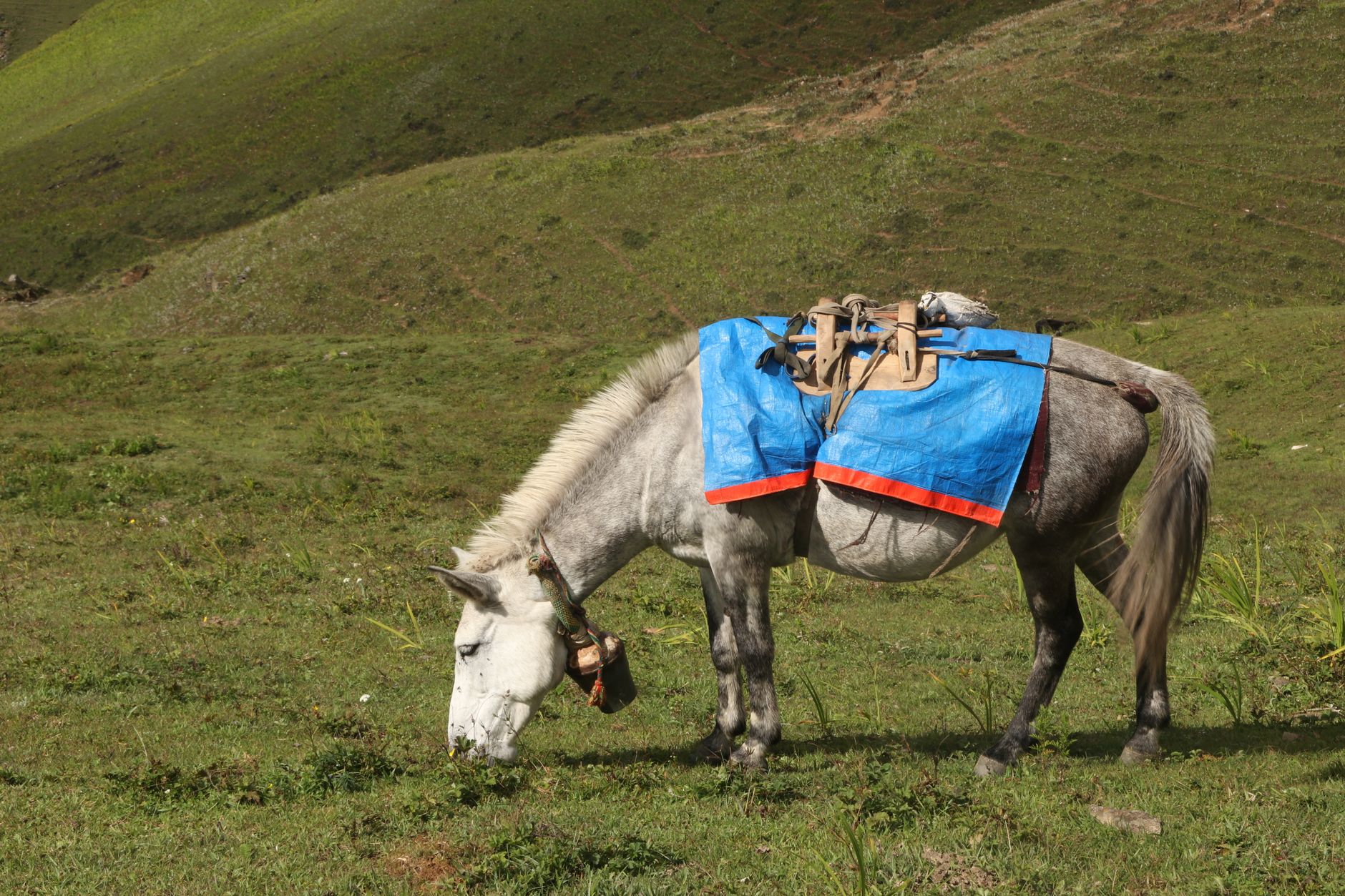
The image of a horse is typically one of serene grazing in a lush pasture, a picture of pure herbivorism. Horses are renowned for their ability to thrive on grasses, hay, and grains, their digestive systems perfectly adapted for processing plant matter. Their teeth, gut flora, and even their very instincts are geared towards a vegetarian diet. However, like many rules, there are exceptions. The question “Is there a horse that eats meat?” while seemingly absurd, has some basis in observed (though rare) equine behavior.
Equine Digestive System: Built for Plants

The horse’s digestive system is a marvel of biological engineering, optimized for the efficient extraction of nutrients from plants. Key aspects include:
- Teeth: Horses possess high-crowned, continuously erupting teeth perfect for grinding tough plant fibers.
- Stomach: Relatively small, requiring frequent, small meals.
- Small Intestine: Where much of the nutrient absorption takes place.
- Cecum: A large pouch containing bacteria that break down cellulose, a complex carbohydrate found in plant cell walls.
- Large Intestine (Colon): Further water absorption and fermentation.
This intricate system relies on a delicate balance of gut flora to process plant material effectively. Introducing meat into this system can disrupt this balance.
The Rare Instances of Carnivorous Behavior
While not the norm, scattered reports and anecdotes suggest that horses can, on occasion, consume meat. These instances are usually linked to:
- Nutritional Deficiencies: A lack of essential minerals, particularly sodium (salt), might drive a horse to seek alternative sources, including meat.
- Pica: A condition characterized by the craving and consumption of non-food items, often due to deficiencies.
- Coprophagy: The consumption of feces, which, if the feces contain undigested meat (from another animal), could lead to the accidental ingestion of animal protein.
- Extreme Starvation: In desperate situations, a horse might consume anything available to survive.
It’s crucial to differentiate between genuine carnivorous behavior and accidental ingestion. A horse nibbling on a bone may be seeking minerals, not necessarily consuming the bone for sustenance. Moreover, many “reports” lack scientific validation and may be based on misinterpretations.
Case Studies and Anecdotal Evidence
Reports from around the world cite unusual instances:
- Stories of horses consuming dead birds or rodents found in their pasture.
- Observations of horses licking or gnawing on bones.
- Anecdotes from areas with severe mineral deficiencies where horses have been observed consuming carcasses.
However, controlled studies are lacking. Most evidence remains anecdotal, making definitive conclusions difficult. It’s also vital to consider the context of each report. Was the horse genuinely consuming the meat, or simply investigating it out of curiosity or mineral deficiency?
The Consequences of Meat Consumption
Even if a horse consumes meat, it’s unlikely to be a sustainable or healthy dietary choice. The equine digestive system isn’t designed to process meat efficiently. Potential consequences include:
- Digestive Upset: Diarrhea, colic, and other gastrointestinal problems.
- Dysbiosis: Disruption of the gut flora.
- Potential for Disease: Risk of contracting diseases from contaminated meat.
- Nutritional Imbalance: Meat lacks the necessary fiber and other nutrients that horses require.
Ultimately, while a horse might survive consuming meat, it would not thrive. Their physiological needs are best met by a herbivorous diet.
So, Is there a horse that eats meat? The Final Verdict
While the idea of a carnivorous horse is intriguing, it’s overwhelmingly clear that horses are fundamentally herbivores. The occasional consumption of meat is an anomaly, typically driven by unusual circumstances or nutritional deficiencies. A healthy, well-fed horse will almost always choose plant-based forage over meat. It is rare, but it does happen, albeit not optimal for equine health.

Frequently Asked Questions About Meat-Eating Horses
What happens if a horse eats meat?
If a horse consumes a small amount of meat, it might experience some digestive upset, such as diarrhea or colic. However, the severity depends on the quantity and the horse’s overall health. Large quantities can lead to more serious complications.
Is it harmful for a horse to eat meat?
Yes, it’s generally harmful. Horses lack the digestive enzymes necessary to efficiently break down meat, potentially leading to digestive problems, nutritional imbalances, and an increased risk of disease.
Why would a horse eat meat?
The most common reasons are nutritional deficiencies (especially sodium), pica, or extreme starvation. Sometimes, it could simply be exploratory behavior if they encounter an unfamiliar substance.
Do horses need protein from meat?
No, horses can obtain all the necessary protein from plant-based sources. High-quality hay, grains, and supplements can provide adequate protein for even the most active horses.
Can a horse digest meat properly?
Horses are not built to digest meat efficiently. The lack of the necessary enzymes and the composition of their gut flora make it difficult for them to break down and absorb nutrients from meat.
Are there any breeds of horses more likely to eat meat?
There’s no evidence to suggest that any specific breed of horse is more prone to carnivorous behavior. It’s more likely to be individual horses exhibiting this behavior due to external factors.
Should I be concerned if I see my horse nibbling on a bone?
Monitor the behavior. If it’s a one-off event and the horse appears healthy, it may just be seeking minerals. If it becomes a regular occurrence, consult a veterinarian to rule out any underlying deficiencies.
What should I do if I suspect my horse is eating meat?
Consult with a veterinarian immediately. They can assess the horse’s health, identify any underlying deficiencies, and recommend a treatment plan.
Can I train my horse to eat meat?
It’s highly unethical and potentially dangerous to try to force a horse to eat meat. Their digestive system isn’t designed for it, and it can cause serious health problems.
Is the concept of “meat-eating horses” just a myth?
Largely, yes. While there are documented instances of horses consuming meat, these are rare exceptions and don’t define the species’ dietary needs or capabilities.
How can I prevent my horse from eating meat?
Ensure your horse has access to a balanced diet rich in essential nutrients, especially sodium. Provide access to a salt lick and consult your veterinarian about appropriate supplementation. Regularly check the pasture for any potentially harmful objects.
What are the long-term effects of a horse eating meat?
Long-term consumption of meat can lead to chronic digestive problems, nutritional imbalances, and a weakened immune system, ultimately impacting the horse’s overall health and well-being.