
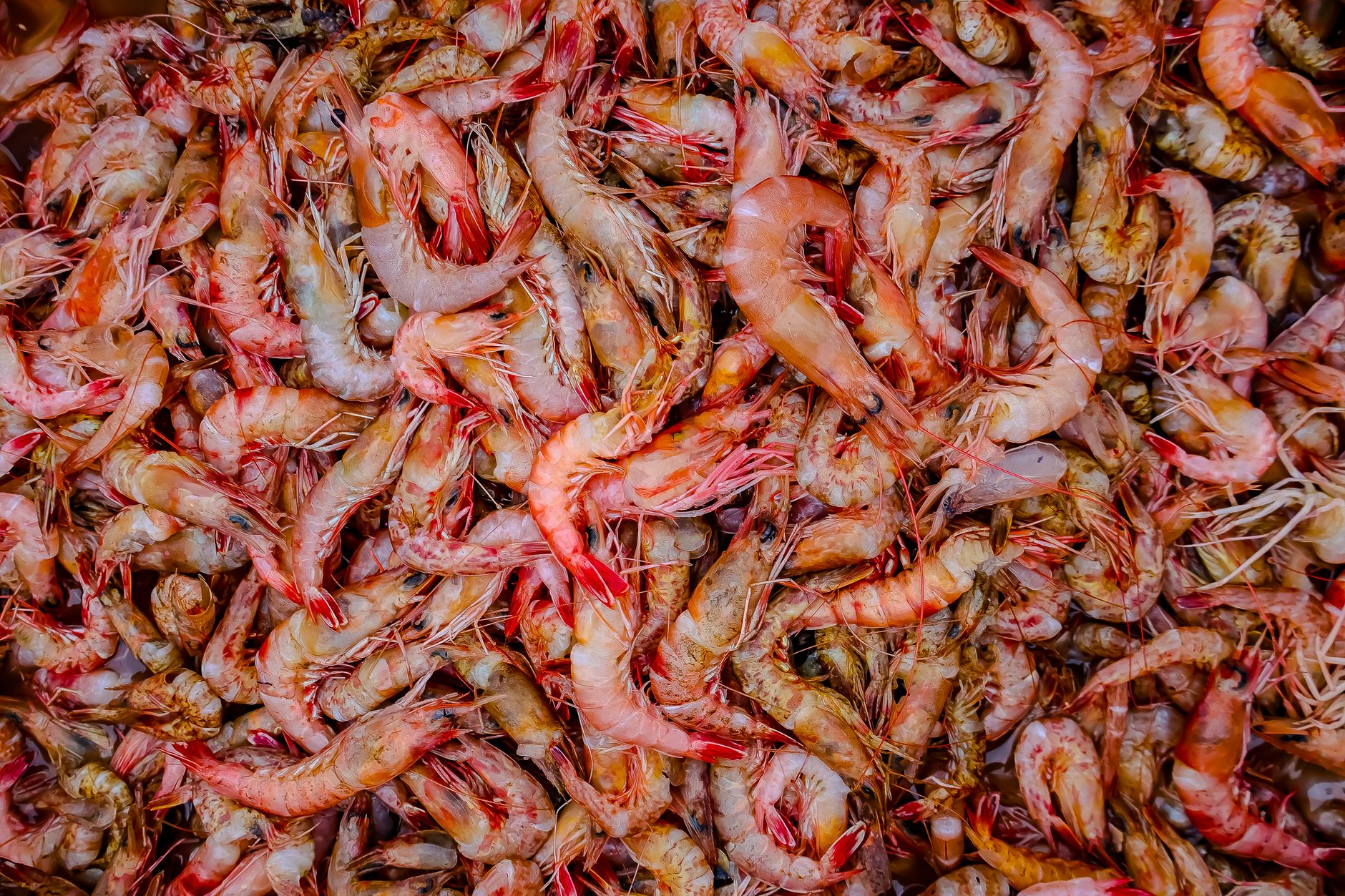
Is Shrimp Safe at 120°F? Ensuring Food Safety in Seafood
No, shrimp is generally not considered safe to eat at 120°F. While it might appear cooked, this temperature is far below the recommended minimum for killing harmful bacteria and ensuring food safety.

Understanding Safe Cooking Temperatures for Shrimp
Many home cooks and even some restaurants unintentionally undercook shrimp, potentially leading to foodborne illnesses. It’s crucial to understand the science behind safe cooking temperatures and why relying on visual cues alone is not enough.
The Danger of Undercooked Seafood
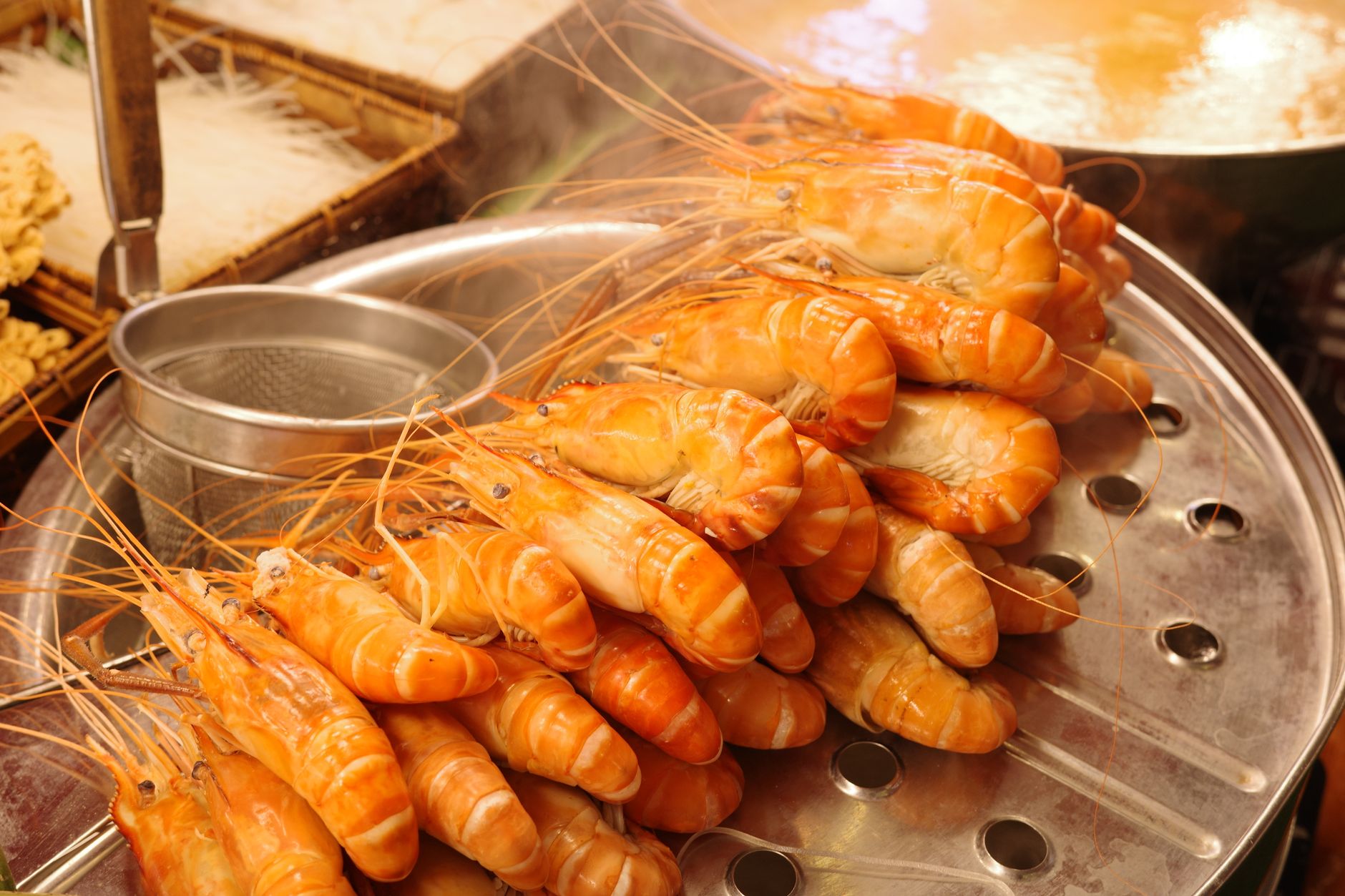
Undercooked seafood can harbor various harmful bacteria, viruses, and parasites. These microorganisms can cause a range of symptoms, from mild gastrointestinal distress to severe, potentially life-threatening illnesses. Common culprits include:
- Salmonella
- Vibrio vulnificus
- Norovirus
These pathogens are destroyed when food reaches and maintains a specific internal temperature for a set period.
The USDA Recommended Temperature for Shrimp
The United States Department of Agriculture (USDA) recommends cooking shrimp to an internal temperature of 145°F (63°C) to ensure food safety. This temperature is sufficient to kill harmful bacteria.
Visual Cues vs. Internal Temperature
While visual cues like the shrimp turning pink and opaque are helpful, they are not reliable indicators of safe internal temperature. Shrimp can appear cooked before reaching 145°F. Always use a food thermometer to verify the internal temperature.
How to Properly Cook Shrimp
Cooking shrimp to a safe temperature requires a few simple steps:
- Use a food thermometer: Insert the thermometer into the thickest part of the shrimp.
- Cook until 145°F (63°C) is reached: Ensure the temperature remains at or above this level for at least 15 seconds.
- Check multiple shrimp: Temperatures can vary, so check several shrimp in the batch.
Factors Affecting Cooking Time
Several factors can influence how long it takes to cook shrimp to a safe temperature:
- Size of the shrimp: Larger shrimp require longer cooking times.
- Cooking method: Grilling, boiling, frying, and baking all have different cooking times.
- Starting temperature: Shrimp that is already at room temperature will cook faster than frozen shrimp.
Common Mistakes to Avoid
- Overcrowding the pan: This lowers the temperature and leads to uneven cooking.
- Relying solely on visual cues: As mentioned, this is unreliable.
- Using a faulty thermometer: Calibrate your thermometer regularly.
- Not allowing for carryover cooking: The temperature of the shrimp can continue to rise slightly after it’s removed from the heat.
The Importance of Proper Storage
Even if shrimp is cooked to a safe temperature, improper storage can lead to bacterial growth. Always refrigerate cooked shrimp within two hours.
Comparing Cooking Temperatures for Different Seafood
Understanding the recommended cooking temperatures for various types of seafood is crucial for food safety:
| Seafood | Recommended Internal Temperature |
|---|---|
| Shrimp | 145°F (63°C) |
| Fish | 145°F (63°C) |
| Scallops | 145°F (63°C) |
| Crab | 145°F (63°C) |
| Lobster | 145°F (63°C) |

Frequently Asked Questions
Is shrimp safe at 120°F if it’s marinated in lemon juice?
No, marinating shrimp in lemon juice will not cook it sufficiently to kill harmful bacteria. While the acid in the lemon juice can denature proteins, it does not generate enough heat to reach a safe internal temperature. You still need to cook the shrimp to 145°F to ensure safety.
Can I get sick from eating undercooked shrimp?
Yes, eating undercooked shrimp can expose you to harmful bacteria, viruses, and parasites that can cause foodborne illnesses. Symptoms can range from mild gastrointestinal discomfort to severe illness requiring medical attention.
What are the symptoms of food poisoning from shrimp?
Symptoms of food poisoning from shrimp can include nausea, vomiting, diarrhea, abdominal cramps, fever, and chills. The severity and onset of symptoms can vary depending on the type of pathogen and the individual’s immune system. Symptoms typically appear within hours or days after consuming contaminated shrimp.
Is it safe to eat raw shrimp in sushi?
Eating raw shrimp in sushi carries a risk of parasitic infection or bacterial contamination. Reputable sushi restaurants use specially sourced shrimp that is processed and frozen to kill parasites before serving. However, there is still a risk, especially at establishments with less stringent safety protocols.
What’s the best way to tell if shrimp is fully cooked?
The most reliable method is to use a food thermometer and ensure the internal temperature reaches 145°F (63°C). While color change (pink and opaque) can be an indicator, it’s not foolproof.
How long does it take to cook shrimp to a safe temperature?
Cooking time varies depending on the size of the shrimp, the cooking method, and the starting temperature. Small shrimp cooked in boiling water may be done in a few minutes, while larger shrimp grilled over medium heat may take longer. Always use a thermometer to verify the internal temperature.
Is it safe to microwave shrimp?
Yes, it is safe to microwave shrimp, provided that you cook it to an internal temperature of 145°F (63°C). Microwaving can sometimes lead to uneven cooking, so it’s important to check the temperature in multiple spots.
How long can cooked shrimp sit out at room temperature?
Cooked shrimp should not sit out at room temperature for more than two hours. Bacteria can grow rapidly at temperatures between 40°F and 140°F, increasing the risk of food poisoning.
How long does cooked shrimp last in the refrigerator?
Cooked shrimp can be safely stored in the refrigerator for 3-4 days. After that, the risk of bacterial growth increases, and it should be discarded.
What are the best types of shrimp to buy for cooking?
The best type of shrimp to buy depends on your personal preference and intended use. Options include wild-caught or farm-raised, peeled or unpeeled, and various sizes. Consider the sustainability of the shrimp and look for certifications like the Marine Stewardship Council (MSC) label.
Can I refreeze cooked shrimp?
It is generally not recommended to refreeze cooked shrimp. Refreezing can degrade the texture and flavor of the shrimp and may increase the risk of bacterial growth.
What’s the difference between “pink” and “opaque” when cooking shrimp?
When shrimp cooks, the proteins denature, causing it to change color from translucent gray to pink and opaque. The pink color comes from astaxanthin, a pigment found in shrimp. Opaque means the shrimp is no longer translucent and light cannot pass through it. Although useful, relying solely on color is not a guaranteed way to ensure proper cooking.