

Is Owning a Black Cat Lucky? A Deep Dive into Feline Folklore
The question of whether owning a black cat brings fortune is steeped in superstition and cultural variation; the truth is nuanced. Is owning a black cat lucky? The answer depends entirely on where you are and what you believe: While some cultures see them as symbols of good luck and prosperity, others associate them with misfortune.

The Shifting Sands of Superstition
The perception of black cats is far from universal, and its evolution across history and geography makes for a fascinating study.
-
Ancient Egypt: Cats, in general, were revered in ancient Egypt. Bastet, the cat goddess, was a protector of the home, women, and fertility. While not exclusively focused on black cats, this reverence laid the groundwork for a generally positive association with felines.
-
European Middle Ages: This is where things took a turn for the worse for black cats. They became associated with witchcraft, devilry, and bad luck. This connection stemmed from the belief that witches could transform into black cats to roam unnoticed and cast spells. This negative perception persisted for centuries.
-
Modern Day Europe: Attitudes towards black cats vary significantly across Europe. In some parts of the UK, particularly Scotland, a black cat arriving at your doorstep is considered a sign of prosperity. In other regions, the old superstitions still linger to some extent.
-
Asia: In Japan, black cats are often seen as lucky charms, especially for single women. It is believed that owning a black cat can attract good suitors. This contrasts sharply with Western superstitions.
This fluctuation in perception highlights the impact of cultural beliefs and historical events on shaping our views of these enigmatic creatures.
Examining the Good Luck Charms
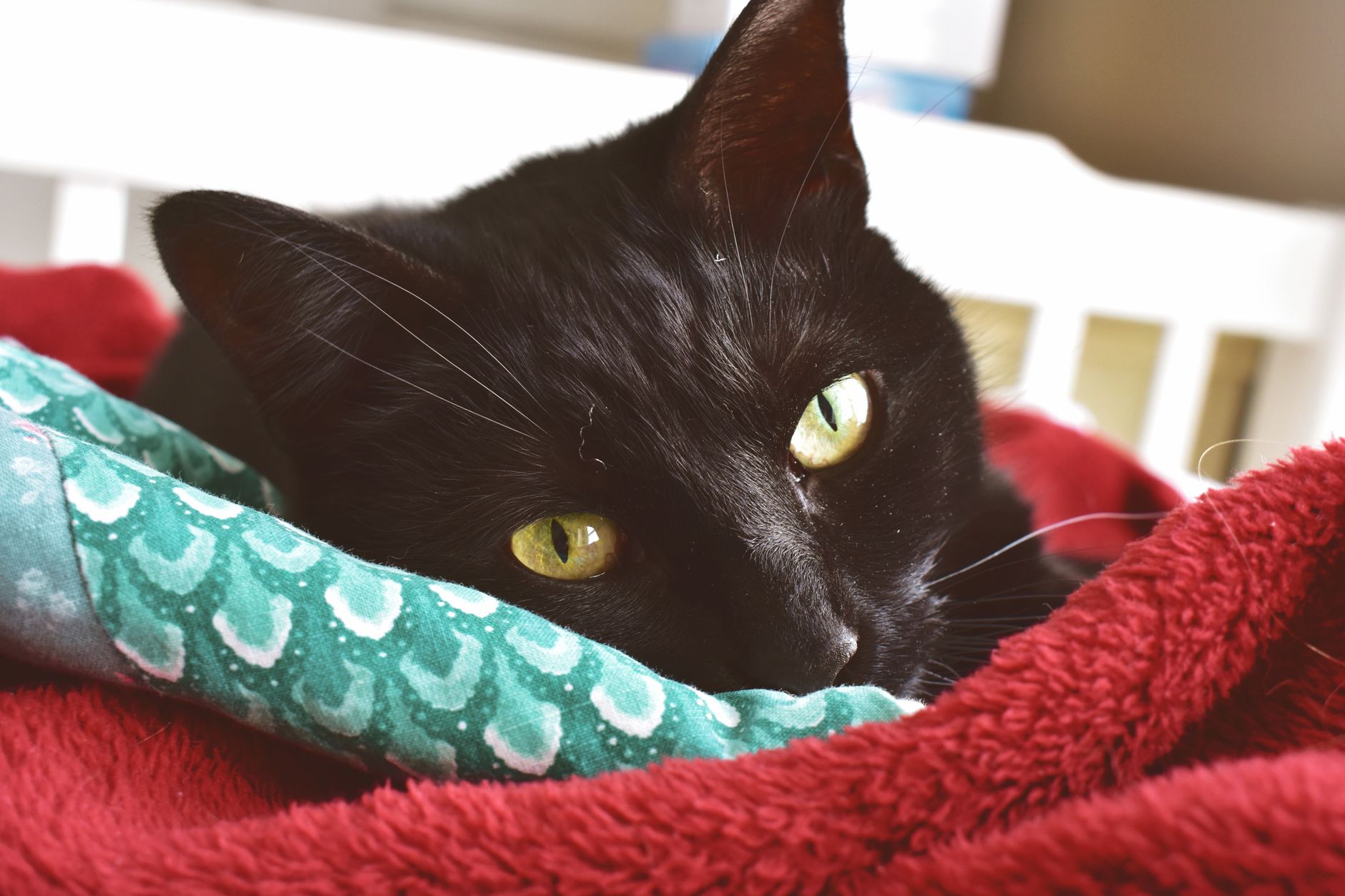
In cultures that view black cats favorably, they are often associated with specific types of good fortune.
- Financial prosperity: As mentioned earlier, in Scotland, a black cat appearing at your door is believed to bring wealth.
- Safe travels: Sailors and fishermen used to keep black cats on board ships, believing they would ensure a safe voyage and a plentiful catch. The wives of fishermen would often keep black cats at home for the same reason.
- Romantic success: In Japan, a black cat is thought to bring good luck in love, particularly for single women seeking a partner.
- Overall good fortune: Some people simply believe that owning a black cat brings general happiness and positive energy into the home.
The idea of is owning a black cat lucky? being true can become a self-fulfilling prophecy. If someone believes that their black cat will bring them good fortune, they are more likely to approach life with a positive attitude, which in turn can lead to better outcomes.
Dispelling the Myths
Many of the negative superstitions surrounding black cats are rooted in fear and misinformation. It’s important to address these myths head-on.
- Myth: Black cats are witches in disguise. This is, of course, absurd. The belief originated during the witch hunts of the Middle Ages and has no basis in reality.
- Myth: Black cats are bad luck if they cross your path. This is perhaps the most common superstition. It’s important to remember that a cat crossing your path is simply a cat going about its business.
- Myth: Black cats are demonic. This is another baseless claim that stems from the association with witchcraft. Black cats are simply animals with black fur.
- Myth: Black cats are harder to adopt. Sadly, this myth often becomes a self-fulfilling prophecy. Because of the superstitions, black cats can sometimes be overlooked in shelters, leading to longer waiting times for adoption.
Black Cat Adoption: A Rewarding Experience
Choosing to adopt a black cat can be an incredibly fulfilling experience.
- Saving a Life: Shelters are often overwhelmed with black cats, particularly around Halloween. By adopting a black cat, you are giving a deserving animal a loving home.
- Breaking the Stigma: Adopting a black cat helps to challenge the negative superstitions and encourages others to see them as the wonderful companions they are.
- Unconditional Love: Like all cats, black cats are capable of providing unconditional love, companionship, and endless entertainment.
- A Unique Personality: Black cats, like all animals, have unique personalities. Don’t let the color of their fur prevent you from discovering a wonderful new friend.
Creating a Positive Association
We can actively work to change the negative perceptions of black cats and promote a more positive image.
- Education: Share factual information about black cats and dispel common myths.
- Positive Representation: Support media that portrays black cats in a positive light.
- Advocacy: Volunteer at animal shelters and advocate for black cat adoption.
- Personal Experience: Share your own positive experiences with black cats and encourage others to do the same.
The answer to “is owning a black cat lucky?” is complex and varied. Ultimately, the “luck” associated with owning a black cat is less about superstition and more about the joy and companionship that any cat can bring to your life.

Frequently Asked Questions
Why are black cats associated with Halloween?
Black cats’ association with Halloween stems from the broader association of cats with witchcraft, which was particularly prevalent during the Middle Ages. Halloween, with its roots in pagan festivals and its emphasis on the supernatural, became another avenue for these superstitions to persist. Halloween’s dark imagery, featuring witches and ghosts, often included black cats as part of the spooky ambiance. Unfortunately, this has historically led to shelters experiencing difficulty finding homes for black cats around Halloween.
Are black cats different from other cats?
Genetically, no. The only difference is the gene that determines their coat color. Their personalities, temperaments, and health concerns are as diverse as those of cats with other coat colors. Black cats don’t possess any inherent traits or abilities that set them apart from other felines beyond their striking appearance.
What is “black cat syndrome”?
“Black cat syndrome” refers to the phenomenon of black cats being adopted from shelters at a lower rate than cats of other colors. This is attributed to a combination of factors, including negative superstitions, the difficulty in photographing black cats (making them less appealing in online adoption listings), and the perception that they are less “interesting” than cats with more distinctive markings.
Does a specific breed determine black coat color?
While several breeds can produce black cats, there isn’t a single “black cat breed.” Breeds like the Bombay are almost exclusively black, but many other breeds, such as the Persian, Maine Coon, and American Shorthair, can have black individuals. The black coat color is determined by genetics, not solely by breed.
Are all black cats truly 100% black?
Not always. Some black cats may have a “rusty” or brownish tinge to their fur, especially after prolonged sun exposure. This is because the pigment responsible for black fur, eumelanin, can degrade over time, revealing underlying color genes. Sometimes, barely noticeable tabby markings are visible under specific lighting conditions, a relic of their genetic heritage.
What can I do to help black cats in shelters?
You can help by volunteering at shelters, donating to organizations that support animal rescue, and promoting black cat adoption through social media and word-of-mouth. Consider fostering a black cat to provide temporary care and increase their visibility. Educate others about the myths surrounding black cats and encourage them to consider adopting one.
Is there a scientific basis for the belief that black cats are lucky?
No. The belief that black cats are lucky or unlucky is purely based on superstition and cultural tradition. There is no scientific evidence to support either claim. Luck is a matter of chance and perception, not feline fur color.
How do superstitions about black cats vary across different countries?
As detailed above, superstitions about black cats vary widely. In the United Kingdom and Japan, they are often seen as lucky. In many parts of the United States and continental Europe, they are associated with bad luck. The cultural context significantly shapes the perception of black cats.
What is the history behind the association of black cats with witchcraft?
The association of black cats with witchcraft dates back to the Middle Ages when cats, especially black ones, were seen as the familiars of witches. This belief was fueled by fear, religious persecution, and the general association of black with darkness and evil.
Are there any health considerations specific to black cats?
No, there are no known health conditions specifically associated with black fur. Black cats are susceptible to the same health issues as cats of other colors. Regular veterinary checkups and a healthy lifestyle are essential for all cats, regardless of their coat color.
How can I safely keep my black cat outdoors?
While allowing cats outdoors can enrich their lives, it’s crucial to prioritize their safety. Consider building a catio (an enclosed outdoor space), using a harness and leash for supervised walks, or installing cat-proof fencing to prevent escapes. Microchipping and ID tags are essential for all outdoor cats, including black ones, in case they get lost.
What are some popular black cat names?
Popular black cat names include Midnight, Shadow, Salem (a reference to the Salem witch trials), Onyx, Inky, Pepper, and Luna. For male cats, names like Phantom, Cole, and Jet are also popular choices. Choosing a name that reflects your cat’s personality and appearance is always a great idea.