

Is One Bowl of Dog Food a Day Enough for Your Canine Companion?
The answer to Is one bowl of dog food a day enough? is a resounding maybe, depending entirely on your dog’s individual needs; factors like age, breed, activity level, and overall health play crucial roles in determining optimal feeding frequency.

Understanding Your Dog’s Nutritional Needs
Feeding your dog seems simple enough, but ensuring they receive the correct amount of food, and the correct number of times a day, is essential for their health and wellbeing. Ignoring these crucial aspects of canine nutrition can lead to serious health issues, including obesity, malnutrition, and even digestive problems. The question of Is one bowl of dog food a day enough? needs to be approached with careful consideration.
Factors Influencing Feeding Frequency
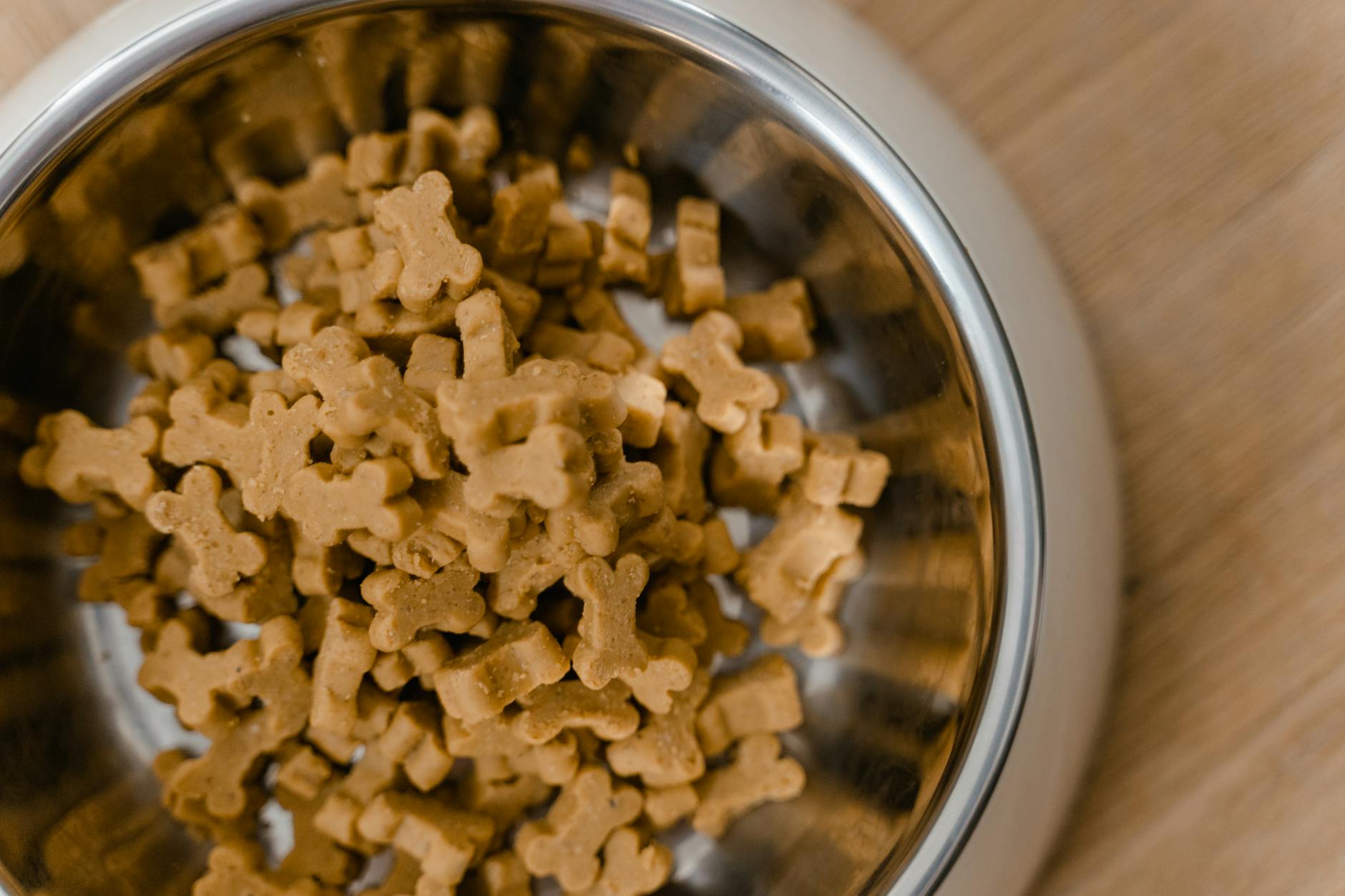
Numerous factors dictate the appropriate feeding schedule for your dog. It’s not a one-size-fits-all scenario.
- Age: Puppies require more frequent feedings (3-4 times a day) to support their rapid growth. Adult dogs generally do well with two meals a day. Senior dogs may benefit from smaller, more frequent meals, particularly if they have digestive issues.
- Breed: Larger breeds are more prone to bloat (gastric dilation-volvulus) if fed a single large meal, making twice-daily feedings (or even smaller, more frequent meals) a safer option. Smaller breeds often have higher metabolisms and may benefit from more frequent meals to maintain stable blood sugar levels.
- Activity Level: Active dogs need more calories and may benefit from larger portions or more frequent meals to fuel their activity. Sedentary dogs require fewer calories to avoid weight gain.
- Health Conditions: Dogs with certain medical conditions, such as diabetes or kidney disease, may require specific feeding schedules recommended by a veterinarian.
- Type of Food: Calorie density varies greatly among dog foods. A cup of one food might have significantly more calories than a cup of another. Always refer to the feeding guidelines on the food packaging as a starting point.
The Benefits of Twice-Daily Feeding
For many adult dogs, feeding twice a day offers several advantages:
- Improved Digestion: Smaller, more frequent meals can be easier on the digestive system, reducing the risk of bloating, vomiting, and other digestive upset.
- More Stable Energy Levels: Spreading out meals throughout the day helps maintain more consistent blood sugar levels, preventing energy crashes and mood swings.
- Better Weight Management: More frequent feedings can help regulate appetite and prevent overeating, contributing to better weight management.
- Easier Training: Using portions of your dog’s meals as training rewards can be a more effective and motivating approach than using separate treats.
Potential Problems with One-Bowl-a-Day Feeding
While some dogs may thrive on a single daily meal, potential drawbacks exist.
- Increased Risk of Bloat: As mentioned previously, large breeds are particularly susceptible to bloat when consuming a large quantity of food at once.
- Hunger Pangs and Begging: A single meal may leave your dog feeling hungry for extended periods, leading to begging and scavenging behavior.
- Digestive Discomfort: Overloading the digestive system with a large meal can cause discomfort, gas, and diarrhea.
- Blood Sugar Fluctuations: A single large meal can cause a rapid spike in blood sugar, followed by a crash, potentially impacting energy levels and mood.
Transitioning to a New Feeding Schedule
If you decide to change your dog’s feeding schedule, do so gradually to avoid digestive upset.
- Start by dividing their current daily food ration into two or three smaller meals.
- Gradually increase the frequency of feedings over a period of several days or weeks.
- Monitor your dog’s weight and body condition to ensure they are receiving the appropriate amount of food.
- Consult with your veterinarian if you have any concerns.
Determining the Right Amount of Food
The feeding guidelines on dog food packaging provide a general starting point, but it’s crucial to adjust the amount based on your dog’s individual needs. A hands-on assessment, along with the guidelines, offers a comprehensive view.
| Body Condition Score | Description | Feeding Recommendation |
|---|---|---|
| :——————— | :——————————————————————————————————————————- | :——————————————————— |
| 1-3 (Underweight) | Ribs are easily visible, bones are prominent, and there is minimal body fat. | Increase daily food ration by 10-20% until ideal weight. |
| 4-5 (Ideal Weight) | Ribs are easily felt but not visible, there is a slight waist, and the abdomen is tucked up. | Maintain current daily food ration. |
| 6-9 (Overweight) | Ribs are difficult to feel, there is no waist, and the abdomen is rounded. | Reduce daily food ration by 10-20% until ideal weight. |
Identifying Potential Problems
Watch for signs that your dog isn’t getting enough, or is getting too much, food. These symptoms warrant a vet consultation.
- Weight Loss: Indicates underfeeding or an underlying health issue.
- Weight Gain: Suggests overfeeding or a metabolic problem.
- Lethargy: Could be a sign of malnutrition or other health problems.
- Excessive Hunger: Indicates underfeeding or poor nutrient absorption.
- Digestive Issues: Vomiting, diarrhea, or constipation can be signs of an inappropriate diet or feeding schedule.
Frequently Asked Questions about Dog Feeding
Is it better to free-feed my dog?
Free-feeding, or leaving food out all day, can lead to overeating and obesity in many dogs. While some dogs may be able to self-regulate, it’s generally not recommended unless specifically advised by your veterinarian, particularly if you’re wondering Is one bowl of dog food a day enough? for weight management.
How often should I feed my puppy?
Puppies need frequent feedings (3-4 times a day) to support their rapid growth and development. They have smaller stomachs and can’t handle large quantities of food at once. Gradually transition to twice-daily feedings as they mature.
Should I feed my dog wet or dry food?
Both wet and dry food have their advantages and disadvantages. Dry food is more convenient and affordable, while wet food is more palatable and can help increase hydration. Many owners choose to feed a combination of both. Consult your vet for the best option.
What if my dog begs for food between meals?
Avoid giving in to begging, as it reinforces the behavior. Instead, ensure your dog is receiving the appropriate amount of food at mealtimes and offer healthy, low-calorie snacks in moderation.
Can I feed my dog table scraps?
While some table scraps are safe for dogs, many are toxic or unhealthy. It’s best to avoid feeding table scraps altogether to prevent digestive upset and ensure your dog receives a balanced diet.
My dog is a picky eater. What should I do?
Try warming up the food, adding a small amount of broth, or offering a different flavor or texture. If your dog is consistently refusing food, consult with your veterinarian to rule out any underlying health problems.
How do I know if my dog is overweight?
You should be able to easily feel your dog’s ribs without pressing hard. If you can’t feel their ribs or if they have a rounded abdomen, they are likely overweight.
Is it okay to change my dog’s food frequently?
Frequent changes in diet can lead to digestive upset. It’s best to stick with a high-quality dog food that your dog tolerates well and only change it when necessary. If you do need to change foods, do so gradually over a period of several days.
How much should I feed my senior dog?
Senior dogs often require fewer calories due to decreased activity levels. However, they may also need more protein to maintain muscle mass. Consult with your veterinarian to determine the appropriate amount of food for your senior dog.
What are the dangers of underfeeding my dog?
Underfeeding can lead to weight loss, muscle wasting, lethargy, and nutrient deficiencies. It’s crucial to ensure your dog is receiving enough calories to meet their energy needs.
Should I supplement my dog’s diet with vitamins or minerals?
Most high-quality dog foods are formulated to provide all the necessary vitamins and minerals. Supplementation is generally not necessary unless specifically recommended by your veterinarian.
How does the ‘Is one bowl of dog food a day enough?’ question relate to treats?
If you feed your dog treats throughout the day, you’ll need to adjust their main meal accordingly to avoid overfeeding. Treats should only make up a small percentage of their daily calorie intake. This is vital when considering Is one bowl of dog food a day enough? because treats skew the caloric intake if not accounted for.