
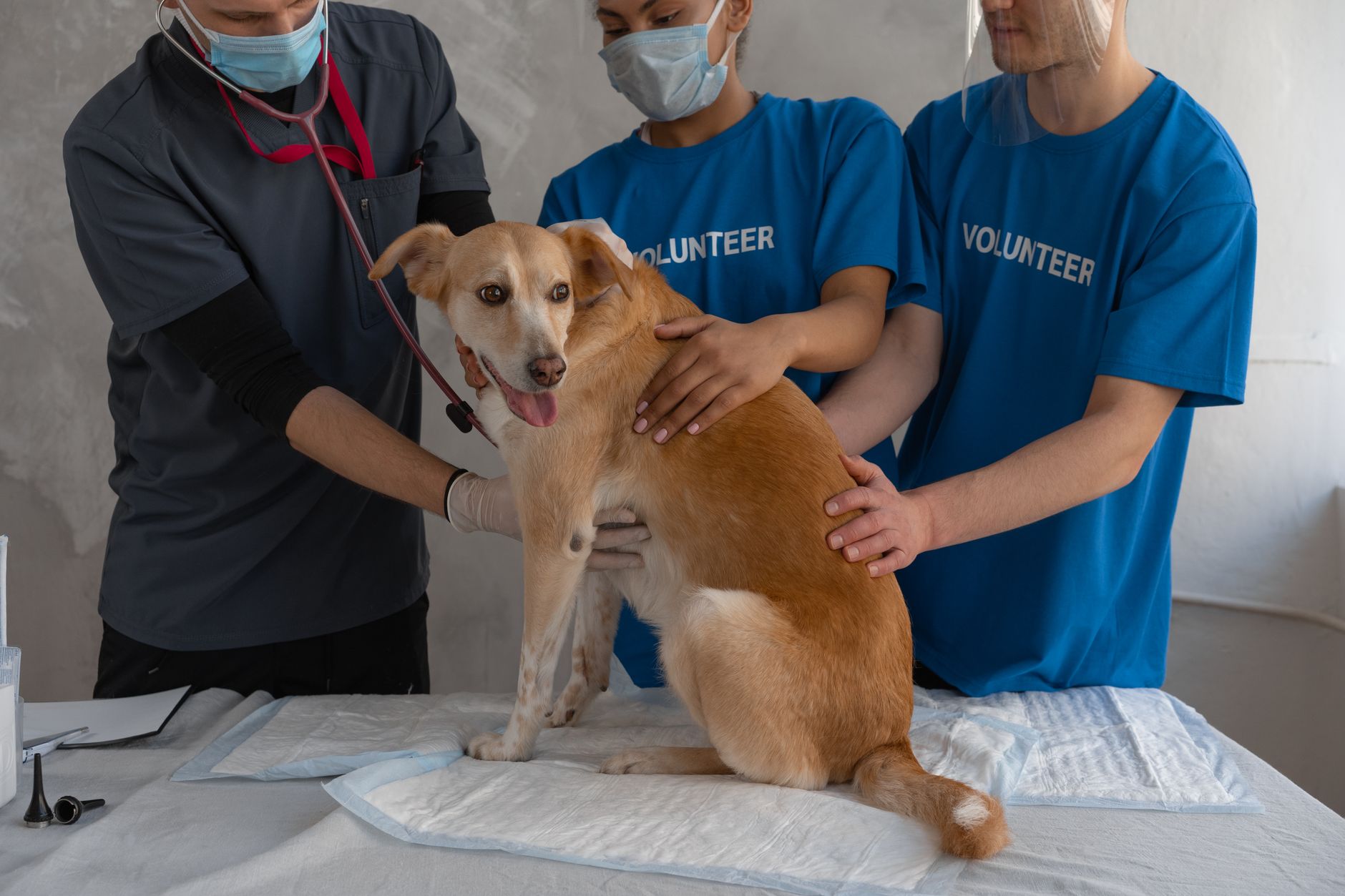
Is My Dog in Pain with Pyometra? Understanding the Symptoms and Providing Relief
Yes, your dog is likely in pain if she has pyometra. This serious uterine infection is often extremely painful and requires immediate veterinary attention to relieve suffering and prevent life-threatening complications.

Introduction: Recognizing Pyometra and Its Impact
Pyometra is a serious and potentially life-threatening infection of the uterus that primarily affects unspayed female dogs. Understanding the signs and symptoms is critical because early diagnosis and treatment can significantly improve a dog’s chances of survival and alleviate her suffering. Many owners ask, “Is my dog in pain with pyometra?“, and the answer is almost always yes, to varying degrees. This article aims to provide comprehensive information about pyometra, helping you recognize the symptoms, understand the treatment options, and know what to expect. We will also explore the level of pain associated with this condition and how to ensure your beloved companion receives the best possible care.
What is Pyometra?
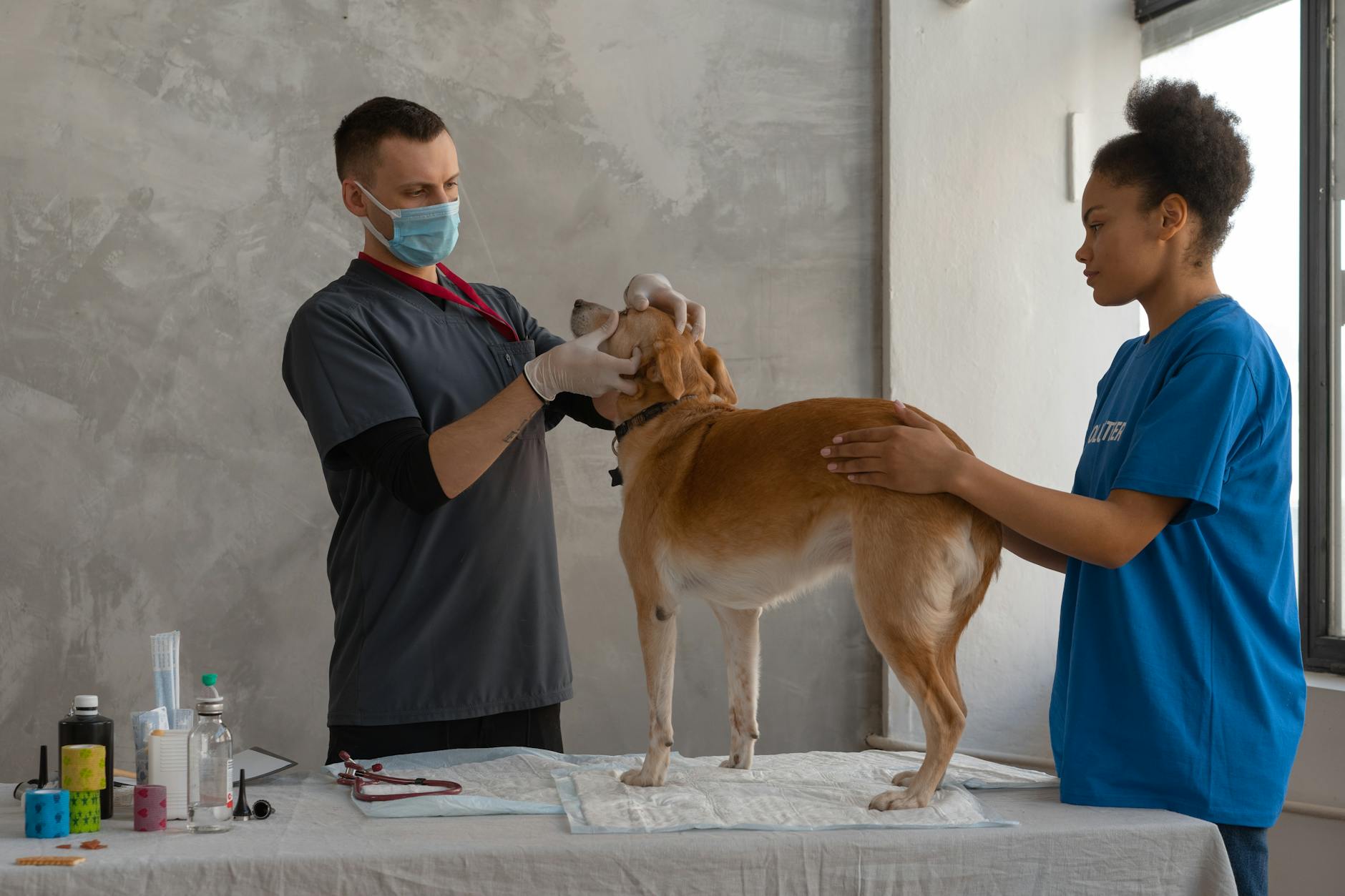
Pyometra is a Greek term that literally means “pus in the uterus.” The condition typically develops after a dog has been through several heat cycles, during which the uterine lining thickens in preparation for pregnancy. If pregnancy doesn’t occur, these changes can lead to cyst formation and an increased susceptibility to infection. The most common culprit is E. coli, a bacterium that normally resides in the intestinal tract.
Pyometra can present in two forms:
- Open pyometra: The cervix is open, allowing pus and discharge to drain from the uterus. This form is often easier to diagnose because the discharge is usually noticeable.
- Closed pyometra: The cervix is closed, trapping the pus inside the uterus. This form is more dangerous because the uterus can rupture, leading to peritonitis (a life-threatening infection of the abdominal cavity).
Signs and Symptoms of Pyometra: Is My Dog Showing Signs of Pain?
Recognizing the symptoms of pyometra is crucial for prompt diagnosis and treatment. These symptoms can vary depending on whether the pyometra is open or closed, and the severity of the infection. It’s imperative to note that is my dog in pain with pyometra? is often answered by observing these symptoms.
Here are some common signs to look for:
- Lethargy: A noticeable decrease in energy and activity levels.
- Loss of appetite: Refusal to eat or a decreased interest in food.
- Increased thirst and urination (polydipsia and polyuria): Due to the toxins released by the bacteria affecting the kidneys.
- Vomiting: A sign that the infection is becoming systemic.
- Abdominal enlargement: Especially in cases of closed pyometra.
- Pus-filled vaginal discharge: Present only in open pyometra.
- Weakness: Difficulty standing or walking.
- Dehydration: Dry gums and sunken eyes.
- Fever: Although sometimes the dog may have a lower than normal temperature.
- Depression: A noticeable change in behavior, such as hiding or avoiding interaction.
The presence of multiple symptoms should raise serious concerns and warrant an immediate visit to the veterinarian.
Pain Associated with Pyometra
The level of pain experienced by a dog with pyometra can vary depending on the severity of the infection and individual pain tolerance. However, it’s generally accepted that pyometra is a painful condition.
Here’s why pyometra causes pain:
- Uterine distention: The accumulation of pus in the uterus causes it to swell and put pressure on surrounding organs, leading to discomfort and pain.
- Inflammation: The infection causes inflammation throughout the uterus and surrounding tissues, which can be very painful.
- Systemic infection: As the infection spreads throughout the body, it can cause widespread inflammation and pain.
- Potential for rupture: In closed pyometra, the uterus can rupture, spilling pus into the abdominal cavity and causing severe peritonitis, an extremely painful and life-threatening condition.
Diagnosis and Treatment
If you suspect your dog has pyometra, it’s crucial to seek veterinary care immediately. The veterinarian will perform a physical examination and may order the following tests:
- Complete blood count (CBC): To assess the severity of the infection and check for signs of organ damage.
- Biochemistry profile: To evaluate kidney and liver function.
- Urinalysis: To check for urinary tract infection and kidney problems.
- Abdominal ultrasound or X-ray: To visualize the uterus and confirm the diagnosis.
The primary treatment for pyometra is surgical removal of the uterus and ovaries (ovariohysterectomy or spay). This procedure eliminates the source of the infection and prevents recurrence.
Other treatment options include:
- Intravenous fluids: To correct dehydration and support kidney function.
- Antibiotics: To fight the infection. Antibiotics are generally used in conjunction with surgery, or in rare cases when surgery is not an option (though this has a much lower success rate).
- Pain medication: To manage pain and discomfort.
- Prostaglandins: To contract the uterus and expel the pus. This is only used in cases of open pyometra and is less effective than surgery, with a higher risk of complications.
Preventing Pyometra
The most effective way to prevent pyometra is to have your female dog spayed. Spaying removes the uterus and ovaries, eliminating the risk of pyometra and other reproductive cancers.
Here are some benefits of spaying:
- Prevents pyometra: The most significant benefit.
- Eliminates the risk of uterine and ovarian cancers: Protects your dog from these potentially fatal diseases.
- Reduces the risk of mammary tumors: Especially if spayed before the first heat cycle.
- Prevents unwanted pregnancies: Contributes to reducing pet overpopulation.
- Eliminates heat cycles: Which can be messy and disruptive.
The Importance of Early Intervention
The prognosis for dogs with pyometra is generally good with prompt diagnosis and treatment. However, the longer the condition goes untreated, the higher the risk of complications, such as uterine rupture, peritonitis, septicemia (blood poisoning), and kidney failure. Therefore, it is essential to seek veterinary care immediately if you suspect your dog has pyometra. Delaying treatment can significantly decrease your dog’s chances of survival. When owners worry, “Is my dog in pain with pyometra?“, acting swiftly can be life-saving.
What to Expect After Surgery
After surgery, your dog will require rest and supportive care. Your veterinarian will prescribe pain medication and antibiotics. It’s crucial to follow your veterinarian’s instructions carefully and monitor your dog for any signs of complications, such as infection or bleeding. Most dogs recover quickly and fully after surgery.

Frequently Asked Questions (FAQs)
What are the early signs of pyometra I should watch for?
Early signs can be subtle and include increased thirst and urination, lethargy, and decreased appetite. In cases of open pyometra, you might notice a pus-filled vaginal discharge. It’s crucial to monitor your unspayed female dog closely for any changes in behavior or appetite.
How quickly can pyometra become life-threatening?
Pyometra can become life-threatening within 24-48 hours, especially in cases of closed pyometra where the uterus can rupture. Prompt veterinary care is essential.
Can pyometra be treated with antibiotics alone?
While antibiotics can help control the infection, they are not a definitive cure for pyometra. The most effective treatment is surgical removal of the uterus and ovaries. Antibiotics may be used as supportive care before or after surgery, or in rare cases where surgery is not an option, but the recurrence rate is high.
How much does it typically cost to treat pyometra?
The cost of treatment can vary depending on the severity of the condition and the location of your veterinary clinic. Surgery typically ranges from $1,000 to $3,000, including pre-operative bloodwork, anesthesia, surgery, and post-operative care.
What are the risks of surgery for pyometra?
As with any surgery, there are risks associated with ovariohysterectomy, including anesthesia complications, infection, and bleeding. However, the risks of leaving pyometra untreated are far greater.
Can pyometra recur after treatment?
If the dog is spayed and the uterus and ovaries are completely removed, pyometra cannot recur. However, if only antibiotics or prostaglandins are used, the risk of recurrence is high.
Is there anything I can do at home to alleviate my dog’s pain before seeing the vet?
No. Pyometra requires immediate veterinary intervention. Do not attempt to treat your dog at home, as this could be detrimental. Focus on getting your dog to the vet as soon as possible.
How long will my dog need to stay at the veterinary hospital after surgery?
Most dogs will need to stay at the veterinary hospital for 1-3 days after surgery, depending on their overall health and recovery.
What kind of pain medication will my dog receive after surgery?
Your veterinarian will prescribe appropriate pain medication, such as opioids or NSAIDs (non-steroidal anti-inflammatory drugs), to manage post-operative pain.
What are the signs of complications after pyometra surgery?
Signs of complications include fever, loss of appetite, vomiting, diarrhea, redness or swelling at the incision site, and lethargy. Contact your veterinarian immediately if you notice any of these signs.
If my dog is older, is it still safe to spay her to treat pyometra?
While there are increased risks associated with surgery in older dogs, such as those related to anesthetic complications, the risks of leaving pyometra untreated are generally much higher. Your veterinarian will evaluate your dog’s overall health and determine the safest course of action.
My dog has a closed pyometra. What are the biggest risks?
The biggest risk with closed pyometra is uterine rupture, which can lead to peritonitis and septicemia. This is a life-threatening emergency that requires immediate surgical intervention. Is my dog in pain with pyometra? Yes, and this pain can become exponentially worse very quickly with a ruptured uterus.