
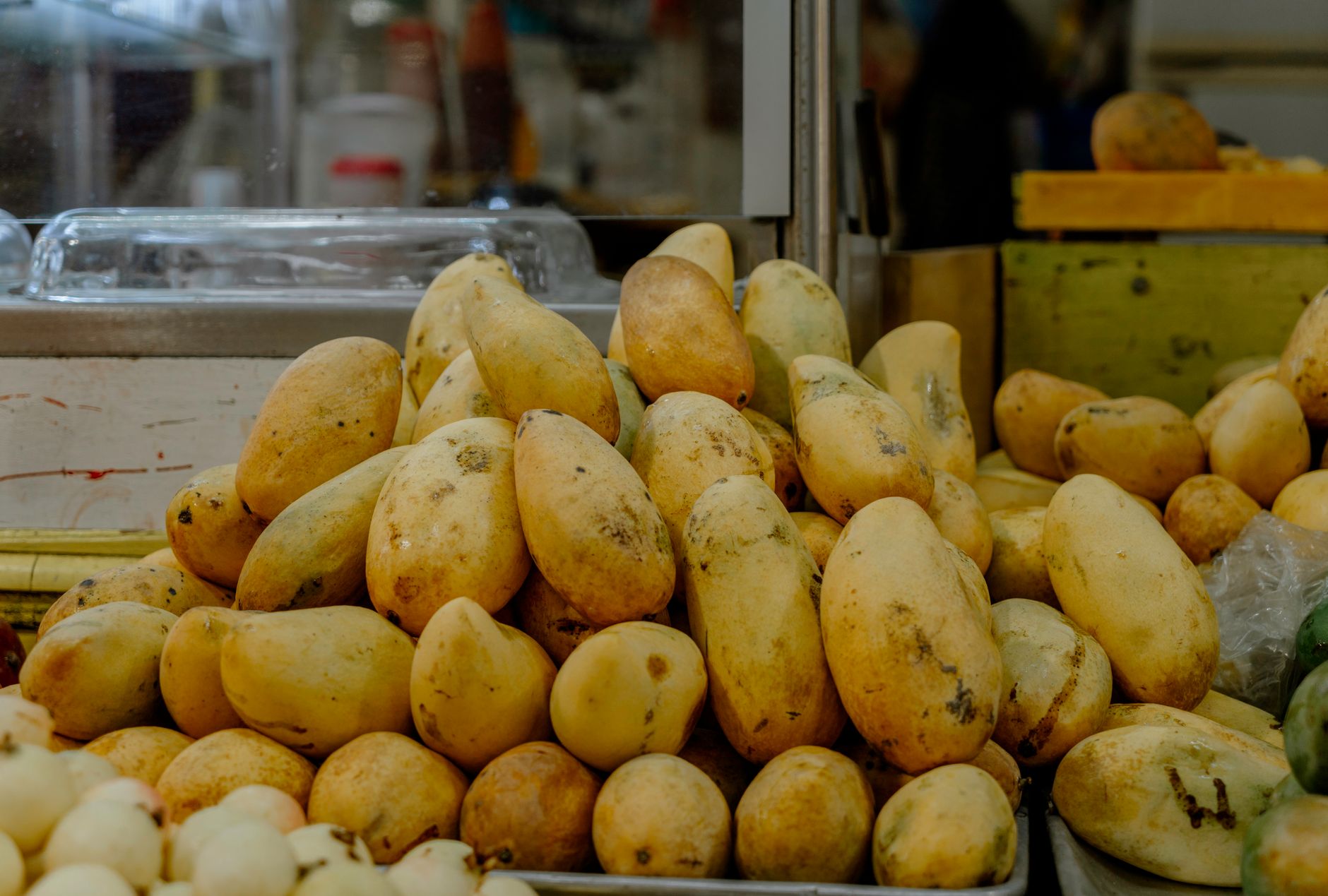
Is Mango Good for Dogs? A Juicy Guide
Yes, in moderation, mango can be a healthy and delicious treat for dogs. However, like all human foods, there are important considerations regarding preparation and quantity.

Introduction: The Tropical Treat for Your Canine Companion
Mango, with its vibrant color and sweet taste, is a favorite fruit for many. But can we share this tropical delight with our furry friends? The short answer is yes, but the long answer involves understanding the benefits, risks, and proper preparation to ensure your dog enjoys mango safely. This article will delve into everything you need to know about feeding mango to dogs, offering expert insights to help you make informed decisions about your pet’s diet. Is Mango good for dogs? Let’s explore.
Nutritional Benefits of Mango for Dogs

Mangoes are packed with nutrients that can contribute to a dog’s overall health. These include:
- Vitamins: Mangoes are a good source of vitamins A, B6, and C, which are essential for immune function, vision, and skin health.
- Fiber: The fiber content in mangoes can aid digestion and help regulate bowel movements.
- Potassium: This mineral is crucial for maintaining healthy blood pressure and nerve function.
- Antioxidants: Mangoes contain antioxidants that help protect cells from damage caused by free radicals.
Here’s a table summarizing the key nutrients found in mangoes and their potential benefits for dogs:
| Nutrient | Benefit for Dogs |
|---|---|
| Vitamin A | Supports vision, immune function, and skin health |
| Vitamin B6 | Aids in protein metabolism and nerve function |
| Vitamin C | Boosts the immune system and acts as an antioxidant |
| Fiber | Promotes healthy digestion and regulates bowel movements |
| Potassium | Maintains healthy blood pressure and nerve function |
| Antioxidants | Protects cells from damage caused by free radicals, potentially reducing cancer risk |
Preparing Mango for Your Dog: A Step-by-Step Guide
Proper preparation is crucial when introducing mango to your dog’s diet. Here’s how to do it safely:
- Wash the Mango: Thoroughly wash the mango to remove any pesticides or dirt.
- Peel the Skin: The mango skin can be difficult for dogs to digest and may contain pesticides. Remove it completely.
- Remove the Pit: The mango pit contains cyanide and poses a choking hazard. Discard it safely.
- Cut into Bite-Sized Pieces: Cut the mango into small, manageable pieces to prevent choking, especially for smaller breeds.
- Serve in Moderation: Introduce mango gradually and in small amounts.
Potential Risks and Precautions
While mango can be a healthy treat, it’s essential to be aware of potential risks:
- Sugar Content: Mangoes are high in natural sugars. Excessive consumption can lead to weight gain, dental problems, and even diabetes in predisposed dogs.
- Digestive Upset: Introducing too much mango at once can cause diarrhea or vomiting.
- Choking Hazard: The pit is a significant choking hazard and contains cyanide, making it toxic. Always remove it completely.
- Allergies: Although rare, some dogs may be allergic to mangoes. Watch for signs of an allergic reaction, such as itching, hives, or difficulty breathing.
Moderation is Key
Is Mango good for dogs? Absolutely, when given responsibly. It is crucial to emphasize moderation. Mango should only be offered as an occasional treat, not as a staple in your dog’s diet. The amount of mango you can safely give your dog depends on their size, breed, and overall health. Start with a small piece and monitor their reaction. A good rule of thumb is to limit mango to no more than 10% of your dog’s daily caloric intake.
Common Mistakes to Avoid
- Feeding the Pit: Never give your dog the mango pit. It’s a choking hazard and contains cyanide.
- Overfeeding: Giving too much mango can lead to digestive issues and weight gain.
- Ignoring Allergies: Be vigilant for signs of an allergic reaction after introducing mango.
- Giving Unripe Mango: Unripe mangoes can be more difficult to digest.

Frequently Asked Questions About Mango and Dogs
Can puppies eat mango?
Puppies can have mango in very small quantities, but it’s crucial to introduce it gradually and monitor for any digestive upset. Their digestive systems are more sensitive than adult dogs, so moderation is especially important. It’s always best to consult with your veterinarian before introducing any new foods to your puppy’s diet.
How much mango can I give my dog?
The amount of mango depends on your dog’s size. For a small dog, a few small pieces are sufficient. Larger dogs can have a bit more, but always keep it limited to about 10% of their daily caloric intake. Remember, it’s a treat, not a meal.
Is mango skin poisonous to dogs?
While not inherently poisonous, mango skin can be difficult for dogs to digest and may contain pesticides. It’s best to remove the skin before giving mango to your dog.
What are the signs of a mango allergy in dogs?
Signs of an allergic reaction can include itching, hives, swelling, vomiting, diarrhea, or difficulty breathing. If you notice any of these symptoms after your dog eats mango, contact your veterinarian immediately.
Can mangoes cause diarrhea in dogs?
Yes, if your dog eats too much mango, the high sugar and fiber content can lead to diarrhea. Introduce mango slowly and in small quantities to avoid digestive upset.
Are dried mangoes safe for dogs?
Dried mangoes are often high in sugar and preservatives, making them a less healthy option than fresh mangoes. If you choose to give your dog dried mango, make sure it’s unsweetened and in very small amounts. Fresh mango is always the better choice.
Can mango help with constipation in dogs?
Yes, the fiber content in mango can help relieve constipation in some dogs. However, it’s important to ensure your dog is also drinking enough water to prevent dehydration. Consult with your veterinarian for personalized advice on managing your dog’s constipation.
Is green mango safe for dogs?
Green, unripe mangoes are more acidic and can be harder for dogs to digest, potentially leading to stomach upset. It’s best to stick to ripe, sweet mangoes.
Can dogs with diabetes eat mango?
Mangoes are high in sugar, which can affect blood sugar levels. Dogs with diabetes should only be given mango under the guidance of a veterinarian and in very small quantities. It’s crucial to monitor their blood sugar levels closely.
What other fruits are safe for dogs?
Other dog-safe fruits include blueberries, apples (without the core and seeds), bananas, watermelon (seedless), and cantaloupe. Always introduce new fruits gradually and in moderation.
My dog accidentally ate a mango pit. What should I do?
If your dog swallowed a mango pit, monitor them closely for signs of choking or intestinal blockage. Contact your veterinarian immediately as the pit contains cyanide and can cause serious health problems.
Is Mango good for dogs with sensitive stomachs?
If your dog has a sensitive stomach, introduce mango in extremely small amounts and watch for any signs of digestive upset, such as vomiting or diarrhea. It might be best to avoid mango altogether if your dog is prone to digestive issues. Always consult your veterinarian for personalized advice.