
Is It Too Late to Reverse Climate Change?

No, it is not too late to reverse climate change, but the window of opportunity is rapidly closing. While some impacts are now irreversible, meaningful action taken immediately can still prevent the most catastrophic consequences and steer us towards a more sustainable future.

The Urgency of the Climate Crisis
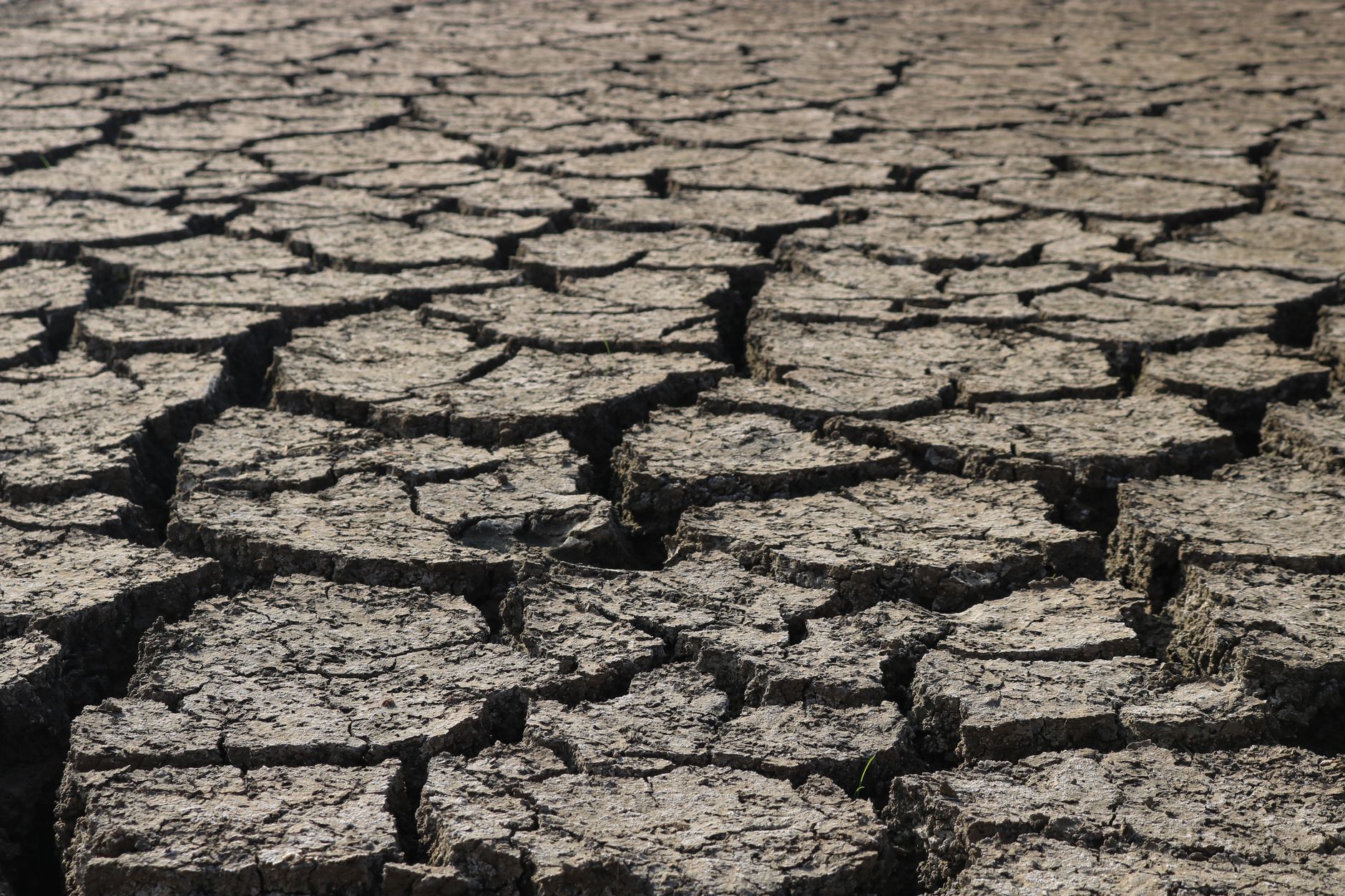
The overwhelming scientific consensus, meticulously documented by the Intergovernmental Panel on Climate Change (IPCC) and other leading research institutions, paints a stark picture: human activities, primarily the burning of fossil fuels, are unequivocally warming the planet at an alarming rate. This warming is already manifesting in a multitude of ways, from increasingly frequent and intense heatwaves and droughts to rising sea levels and more devastating storms. The crucial question is not whether climate change is happening, but rather, what actions can be taken to mitigate its worst effects and adapt to the changes already underway.
The term “reverse” in the context of climate change needs clarification. We likely cannot return to a pre-industrial climate. Some changes, such as the melting of glaciers and the thermal expansion of the ocean, are effectively irreversible on human timescales. However, we can reverse the trajectory of global warming, halting further temperature increases and eventually drawing down atmospheric greenhouse gas concentrations. This requires a massive and sustained global effort.
FAQs: Understanding the Climate Challenge and the Path Forward
H3: The Core of the Issue
FAQ 1: What exactly is “climate change” and what causes it?
Climate change refers to long-term shifts in temperatures and weather patterns. While natural variations occur, the current climate change is primarily driven by human emissions of greenhouse gases, such as carbon dioxide (CO2) and methane (CH4). These gases trap heat in the atmosphere, leading to a global warming effect. Burning fossil fuels (coal, oil, and gas) for energy production, deforestation, and certain agricultural practices are the main culprits.
H3: Impacts and Consequences

FAQ 2: What are the most significant impacts of climate change we’re already seeing?
The impacts are wide-ranging and affect virtually every corner of the globe. Key consequences include: rising global temperatures, leading to heatwaves and heat stress; melting glaciers and ice sheets, contributing to rising sea levels and coastal flooding; more frequent and intense extreme weather events, such as hurricanes, droughts, and wildfires; ocean acidification, harming marine ecosystems; and disruptions to agricultural systems, threatening food security.
FAQ 3: How will climate change impact future generations?
Future generations will inherit a planet grappling with even more severe consequences if we fail to act decisively. They will face increased exposure to extreme weather events, food and water scarcity, displacement due to sea level rise, and potential societal instability. The cumulative effect of inaction is a significantly diminished quality of life and a more challenging world to navigate. The concept of intergenerational equity demands that we act now to protect their future.
H3: Mitigation Strategies: Reducing Emissions
FAQ 4: What are the most effective ways to reduce greenhouse gas emissions?
The most effective strategies revolve around a rapid transition away from fossil fuels and towards cleaner energy sources. This includes: investing in renewable energy sources like solar, wind, and geothermal; improving energy efficiency in buildings, transportation, and industry; electrifying transportation through electric vehicles and public transit; decarbonizing industry by developing and implementing cleaner production processes; protecting and restoring forests, which act as carbon sinks; and promoting sustainable agricultural practices that reduce emissions from fertilizers and livestock.
FAQ 5: What role does technology play in reducing emissions?
Technology is crucial. Carbon capture and storage (CCS) technologies aim to capture CO2 emissions from power plants and industrial facilities, preventing them from entering the atmosphere. Direct air capture (DAC) technologies actively remove CO2 from the air. Green hydrogen, produced from renewable energy sources, offers a clean alternative to fossil fuels for various applications. Furthermore, advancements in battery technology are essential for electrifying transportation and storing renewable energy.
FAQ 6: What are “carbon offsets” and are they effective?
Carbon offsets are mechanisms that allow individuals or organizations to compensate for their emissions by funding projects that reduce or remove greenhouse gases elsewhere. Examples include reforestation projects, renewable energy initiatives, or projects that capture methane from landfills. While carbon offsets can play a role, their effectiveness is highly variable and depends on the credibility and rigor of the project. “Additionality” (ensuring the project wouldn’t have happened without the offset funding) and permanence (ensuring the emissions reductions are long-lasting) are key considerations. There is a risk of greenwashing if offsets are not properly vetted.
H3: Adaptation Strategies: Living with the Changes
FAQ 7: What is “climate adaptation” and why is it important?
Climate adaptation refers to adjustments in natural or human systems in response to actual or expected climatic effects or their effects, which moderates harm or exploits beneficial opportunities. It is essential because some degree of climate change is already unavoidable, and we need to prepare for and minimize its impacts. Adaptation measures include: building seawalls and raising infrastructure to protect against rising sea levels; developing drought-resistant crops to ensure food security in water-stressed regions; implementing early warning systems for extreme weather events; and managing water resources more efficiently.
FAQ 8: What are some examples of successful climate adaptation strategies?
Examples of successful adaptation strategies include: The Netherlands’ extensive network of dikes and flood barriers; Singapore’s efforts to manage water resources and protect its coastline; and the development of drought-resistant crops in arid regions. These examples demonstrate that proactive planning and investment can significantly reduce vulnerability to climate change impacts.
H3: Individual and Collective Action
FAQ 9: What can individuals do to make a difference in combating climate change?
Individual actions, while seemingly small, can collectively make a significant impact. Simple changes in daily habits include: reducing energy consumption by using energy-efficient appliances and turning off lights when not in use; adopting sustainable transportation options like walking, cycling, or using public transit; reducing meat consumption, particularly beef, which has a high carbon footprint; buying locally sourced and sustainably produced goods; and advocating for climate action by contacting elected officials and supporting organizations working on climate solutions.
FAQ 10: What role do governments and international organizations play in addressing climate change?
Governments and international organizations are crucial. Governments can implement policies such as carbon pricing, regulations on emissions, and incentives for renewable energy. They can also invest in climate research and development, infrastructure for renewable energy, and adaptation measures. International agreements, such as the Paris Agreement, provide a framework for global cooperation and commitment to reducing emissions. International organizations, like the United Nations, facilitate negotiations and provide technical assistance to developing countries.
H3: Hope and Future Prospects
FAQ 11: Is it realistic to achieve the goals of the Paris Agreement (limiting warming to well below 2°C, preferably 1.5°C)?
Achieving the goals of the Paris Agreement requires unprecedented levels of global cooperation and ambitious action. While current pledges are insufficient to meet these targets, there is still a path forward. It requires: accelerating the transition to clean energy, rapidly reducing emissions in all sectors, investing in carbon removal technologies, and strengthening international cooperation. Meeting the 1.5°C target is increasingly challenging, but every fraction of a degree of warming avoided matters.
FAQ 12: What are the biggest reasons for optimism in the fight against climate change?
Despite the challenges, there are several reasons for optimism. The cost of renewable energy has plummeted, making it increasingly competitive with fossil fuels. Public awareness of climate change is growing, leading to increased pressure on governments and corporations to take action. Technological innovation is accelerating, providing new solutions for reducing emissions and adapting to climate change. The increasing involvement of younger generations, who are deeply concerned about the future, is a powerful force for change. Moreover, a just transition – ensuring that the shift to a low-carbon economy benefits all members of society, including workers and communities dependent on fossil fuels – is gaining momentum, fostering broader support for climate action. The momentum, combined with decisive leadership and technological breakthroughs, creates a tangible pathway toward a sustainable future.