
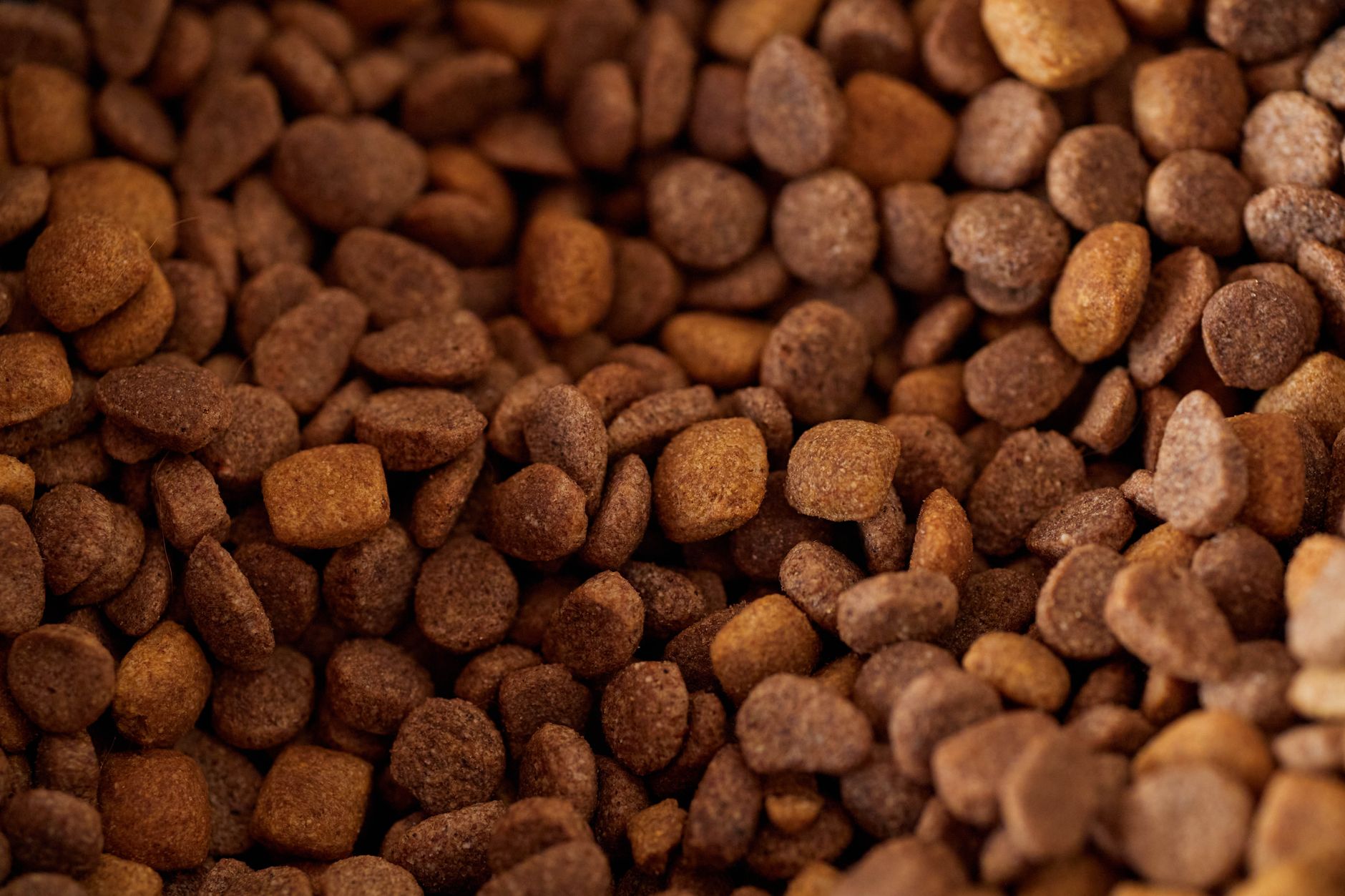
Is it Safe to Store Dog Food in a Plastic Container?
Storing dog food correctly is crucial for maintaining its freshness and preventing health risks for your beloved pet. Generally, it is safe to store dog food in a plastic container, provided the container is food-grade, clean, and airtight. Improper storage, regardless of the container material, can lead to nutrient degradation, pest infestation, and mold growth.
Understanding the Importance of Proper Dog Food Storage
Proper dog food storage isn’t just about convenience; it’s about safeguarding your dog’s health. Dog food, especially dry kibble, is susceptible to spoilage from exposure to air, moisture, and light. Incorrect storage can lead to a decline in nutritional value, rendering the food less effective for your dog’s dietary needs. Moreover, improper storage invites pests like rodents and insects, as well as the growth of mold and bacteria, all of which can be harmful, even fatal, to your dog.
Choosing the Right Plastic Container
When considering a plastic container for dog food storage, several factors should be taken into account:
- Food-Grade Material: Look for containers labeled “food-grade” or marked with a recycling symbol (typically a number inside a triangle) indicating the type of plastic used. Common food-grade plastics include polyethylene (PE), polypropylene (PP), and high-density polyethylene (HDPE). Avoid plastics that contain BPA (Bisphenol A), as BPA can leach into food and pose health risks.
- Airtight Seal: An airtight seal is essential to prevent moisture and oxygen from entering the container, which can cause the food to become stale and promote mold growth. Look for containers with rubber gaskets or other secure closure mechanisms.
- Opacity: Opaque containers are preferable to transparent ones, as they help block out light, which can degrade the nutrients in dog food over time. If you use a transparent container, store it in a dark place.
- Durability: Choose a container made of sturdy, durable plastic that can withstand regular use and cleaning.
- Size: Select a container size appropriate for the amount of dog food you typically purchase. Avoid using containers that are too large, as this can expose more food to air and increase the risk of spoilage.
Alternative Container Materials
While plastic containers are a popular choice, other materials can also be used to store dog food:
- Stainless Steel: Stainless steel containers are durable, easy to clean, and resistant to rust. They are also opaque and do not leach chemicals into the food. However, they can be more expensive than plastic containers.
- Glass: Glass containers are another excellent option, as they are non-reactive and do not leach chemicals. However, they can be fragile and heavy.
- Original Packaging: Keeping the dog food in its original bag, stored inside a plastic or metal container, offers an extra layer of protection. However, ensure the bag is properly sealed after each use.
Here’s a quick comparison of container materials:
| Material | Pros | Cons |
|---|---|---|
| Plastic (Food-Grade) | Affordable, lightweight, readily available | Potential for leaching chemicals (if not food-grade), can be less durable |
| Stainless Steel | Durable, easy to clean, non-reactive, opaque | More expensive |
| Glass | Non-reactive, easy to clean | Fragile, heavy |
Maintaining Proper Storage Conditions
Regardless of the container you choose, proper storage conditions are crucial for preserving the quality of your dog food:
- Cleanliness: Regularly clean the container with warm, soapy water and allow it to dry completely before refilling it with food.
- Cool, Dry Place: Store the container in a cool, dry place away from direct sunlight and heat sources. Basements, pantries, and closets are often suitable locations.
- Avoid Temperature Fluctuations: Minimize exposure to extreme temperature fluctuations, as this can cause condensation to form inside the container, leading to mold growth.
- FIFO (First In, First Out): When refilling the container, make sure to use the FIFO (First In, First Out) method. Empty the container completely and clean it before adding new food on top of old food.
- Check for Spoilage: Regularly inspect the dog food for signs of spoilage, such as an unusual odor, discoloration, or the presence of insects or mold. Discard any food that appears to be spoiled.

Frequently Asked Questions (FAQs)
Is it safe to store dog food in a plastic container that is not specifically labeled as “food-grade”?
It’s generally not recommended to store dog food in a non-food-grade plastic container. These containers may contain chemicals that can leach into the food, potentially posing health risks to your dog. Always opt for containers labeled as “food-grade” to ensure the safety of your pet.
Can storing dog food in a plastic container affect its nutritional value?
Yes, improper storage, including in a plastic container that isn’t airtight, can affect the nutritional value of dog food. Exposure to air, moisture, and light can cause vitamins and fats to degrade, reducing the food’s overall effectiveness.
How often should I clean my dog food storage container?
It’s recommended to clean your dog food storage container at least once a month, or whenever you empty it completely. This helps to prevent the buildup of bacteria and mold, ensuring the food remains fresh and safe for your dog. Use warm, soapy water and ensure the container is completely dry before refilling.
What are the signs that dog food has gone bad, even when stored in a plastic container?
Signs that dog food has spoiled include a rancid or sour odor, discoloration, mold growth, or the presence of insects. If you notice any of these signs, discard the food immediately to prevent your dog from becoming sick.
Is it better to keep dog food in its original bag inside a plastic container?
Yes, keeping dog food in its original bag inside a plastic container can provide an extra layer of protection against moisture and air. This is especially beneficial if the original bag is resealable. However, ensure the bag is tightly sealed or folded after each use, and the container has an airtight lid.
Are some types of plastic containers safer than others for storing dog food?
Yes, some types of plastic are safer than others. Look for containers made from HDPE (High-Density Polyethylene), PP (Polypropylene), or PET (Polyethylene Terephthalate), as these are generally considered safe for food storage. Avoid containers made from PVC (Polyvinyl Chloride) or PS (Polystyrene), as these may contain harmful chemicals.
Can I store wet dog food in a plastic container?
Wet dog food should ideally be refrigerated in an airtight container immediately after opening. While food-grade plastic containers are suitable, glass or stainless steel containers may be preferable due to their non-reactive nature. Always discard any uneaten wet food after a maximum of 4 hours at room temperature.
Does the color of the plastic container matter when storing dog food?
Opaque containers are generally better than transparent ones, as they help to block out light, which can degrade the nutrients in dog food. If you must use a transparent container, store it in a dark place.
What are the potential health risks of feeding my dog spoiled food stored in a plastic container?
Feeding your dog spoiled food can lead to various health issues, including vomiting, diarrhea, loss of appetite, and in severe cases, more serious conditions like liver or kidney damage due to toxins produced by mold or bacteria.
How can I ensure my dog food stays fresh when stored in a plastic container?
To ensure your dog food stays fresh, use a food-grade, airtight plastic container, store it in a cool, dry place away from direct sunlight, and clean the container regularly. Also, use the FIFO method when refilling the container, and check the food for signs of spoilage before feeding it to your dog.
Should I transfer the entire bag of dog food into the plastic container at once?
While convenient, transferring the entire bag at once increases the food’s exposure to air. Consider transferring smaller portions that will be consumed within a shorter timeframe, especially if the original bag is not resealable.
What is the ideal temperature for storing dog food in a plastic container?
The ideal temperature for storing dog food is below 80°F (27°C) in a cool, dry place. Avoid storing dog food in areas subject to extreme temperature fluctuations, such as garages or near heating vents. Maintaining a stable temperature helps preserve the food’s quality and prevent spoilage.