
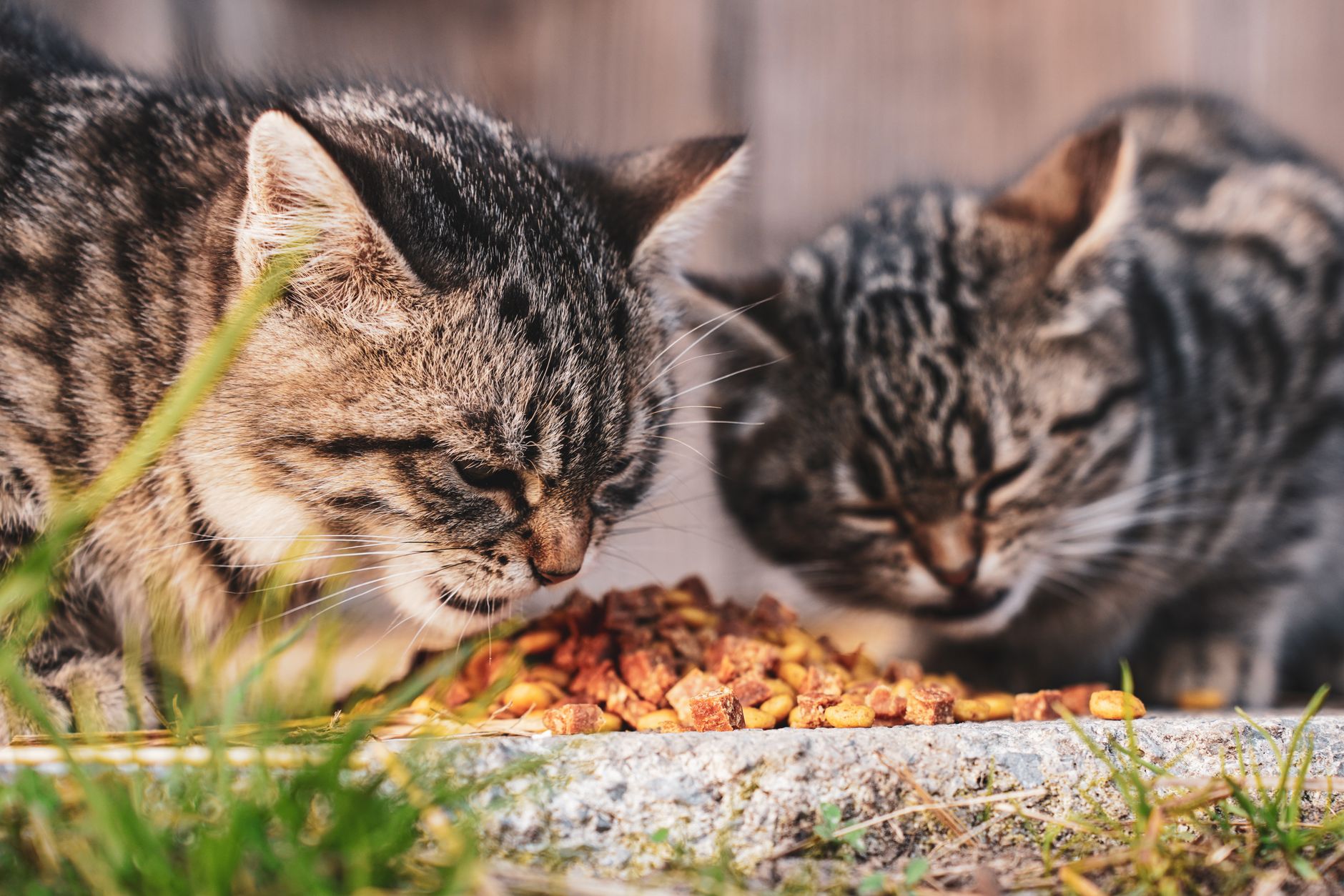
Is it OK to Flush Wet Cat Food Down the Toilet?
No, it is absolutely not OK to flush wet cat food down the toilet. Doing so can lead to serious plumbing issues, environmental contamination, and potential harm to wastewater treatment systems.

Understanding the Composition of Wet Cat Food
Wet cat food, while seemingly innocuous, presents several challenges when introduced into a home’s plumbing or municipal wastewater systems. Its composition is significantly different from human waste and toilet paper, which are designed to break down quickly in water.
- High Fat Content: Wet cat food is typically high in fats and oils. These substances don’t readily dissolve in water and can solidify within pipes, leading to blockages and backups.
- Solid Ingredients: The food contains chunks of meat, vegetables, and grains that are not easily broken down by water pressure or enzymatic processes.
- Binding Agents: Manufacturers often include binding agents and thickeners to give the food its texture and consistency. These ingredients can clump together and contribute to clogs.
The Plumbing Nightmares: Why Flushing is a Bad Idea

Flushing wet cat food down the toilet can wreak havoc on your home’s plumbing system. The potential consequences range from minor inconveniences to major, costly repairs.
- Pipe Blockages: The primary concern is the formation of clogs in drainpipes. The fats, oils, and solid ingredients accumulate over time, restricting water flow and eventually causing a complete blockage.
- Sewer Line Issues: If the food makes it past your home’s plumbing, it can still cause problems in the main sewer line. Accumulations of undigested food can contribute to larger blockages, affecting multiple households.
- Septic System Overload: For homes with septic systems, flushing wet cat food is particularly detrimental. The food can overload the system, interfering with the natural breakdown process and potentially leading to septic tank failure.
Environmental Concerns: The Bigger Picture
The problems don’t stop at your property line. Flushing wet cat food contributes to broader environmental issues related to wastewater treatment.
- Wastewater Treatment Plant Strain: Wastewater treatment plants are designed to handle human waste and biodegradable materials. Wet cat food adds a significant burden, requiring more energy and resources to process effectively.
- Potential for Contamination: If the food isn’t fully processed at the treatment plant, it can contaminate waterways. The fats and nutrients can contribute to algae blooms and oxygen depletion, harming aquatic life.
- Increased Operating Costs: The increased strain on wastewater treatment plants ultimately translates to higher operating costs, which are often passed on to consumers through increased utility bills.
Safe and Responsible Disposal Methods
Given the risks associated with flushing, it’s crucial to adopt safe and responsible disposal methods for wet cat food.
- Garbage Disposal (with caveats): While a garbage disposal might seem like a solution, it’s not ideal for large quantities of wet cat food. Small amounts are generally acceptable if followed by plenty of water. Avoid if your plumbing is prone to clogs.
- Composting: If your local regulations allow and you maintain a compost pile, small quantities of wet cat food can be composted. Be sure to bury it deep within the compost to avoid attracting pests and odor.
- Sealing and Discarding: The simplest and most recommended method is to seal the uneaten food in a plastic bag and discard it in the regular trash.
| Disposal Method | Pros | Cons |
|---|---|---|
| Garbage Disposal | Convenient for small amounts. | Can clog pipes, especially with large quantities. |
| Composting | Environmentally friendly. | Requires a compost pile and adherence to local regulations. |
| Sealing and Discarding | Simple, widely available. | Adds to landfill waste. |
Cleaning Cat Food Bowls Properly
The method you use to clean your cat’s food bowls can also affect your plumbing.
- Wipe Before Washing: Always wipe out excess food with a paper towel before washing the bowl.
- Strain the Water: If washing in the sink, use a strainer to catch any remaining food particles.
- Avoid Flushing: Never pour leftover food scraps down the toilet. Dispose of them properly as described above.
Considering Alternatives to Wet Cat Food
While your cat may love wet food, you might want to explore alternative feeding options if you are consistently dealing with leftovers.
- Dry Food: Dry cat food tends to be less messy and easier to store.
- Smaller Portions: Consider feeding smaller portions more frequently to reduce waste.
- Adjusting Food Type: Some brands and formulations of wet food produce less residue and may be less problematic for plumbing when cleaning bowls.

Frequently Asked Questions About Flushing Wet Cat Food
Why is fat content such a big deal when it comes to plumbing?
The high fat content in wet cat food is a significant problem because fat doesn’t easily dissolve in water. Instead, it solidifies and sticks to the inside of pipes, gradually building up and constricting water flow. Over time, this buildup can lead to significant blockages that require professional plumbing services to resolve.
Can I use a chemical drain cleaner to dissolve wet cat food clogs?
While chemical drain cleaners might offer a temporary solution for minor clogs, they are generally not recommended for persistent blockages caused by wet cat food. These chemicals can damage pipes and pose environmental risks. A better approach is to call a plumber for a professional assessment and cleaning.
Is it OK to flush a tiny amount of wet cat food down the toilet?
Even small amounts of wet cat food can contribute to clogs over time. While a single instance might not cause immediate problems, repeated flushing will lead to gradual accumulation and eventual blockage. It’s best to avoid flushing any amount of wet cat food.
Does the brand of wet cat food matter when it comes to flushing?
Yes, the brand and specific formulation of wet cat food can influence how likely it is to cause clogs. Foods with higher fat content or larger, more solid ingredients are generally more problematic. However, regardless of the brand, it’s best to avoid flushing any wet cat food down the toilet.
What if my pet accidentally knocks wet cat food into the toilet?
If a small amount of wet cat food accidentally gets into the toilet, flushing it once is unlikely to cause a major problem. However, immediately scoop out any visible food particles to minimize the risk of clogs. More importantly, take steps to prevent future accidents.
Are there any “flushable” cat foods available?
Currently, no cat foods are specifically designed or marketed as “flushable.” Even products labeled as easily digestible or low-residue are not intended to be flushed down the toilet. The general recommendation remains: Is it OK to flush wet cat food down the toilet? Absolutely not.
How can I prevent my cat from wasting wet food?
To reduce waste and minimize the need for disposal, try feeding your cat smaller, more frequent meals. Observe how much your cat typically eats and adjust the portion sizes accordingly. You can also try different brands or flavors to find one that your cat enjoys more fully.
What are the signs that I might have a wet cat food-related clog in my plumbing?
Common signs of a plumbing clog include slow-draining sinks or toilets, gurgling noises coming from drains, and foul odors emanating from drains. If you notice these signs, it’s best to address the issue promptly to prevent further complications.
Can flushing wet cat food attract pests to my plumbing system?
While the wet cat food itself might not directly attract pests into your plumbing, the organic matter it introduces can contribute to the buildup of grime and bacteria that can attract insects like drain flies. Proper disposal and regular plumbing maintenance are essential for pest control.
What are the potential costs of repairing plumbing damage caused by flushing wet cat food?
The cost of repairing plumbing damage caused by flushing wet cat food can vary widely, depending on the severity of the blockage and the extent of the damage. Minor clogs might require a simple drain cleaning, while more severe blockages could necessitate pipe replacement, costing hundreds or even thousands of dollars.
What is the best way to clean up spilled wet cat food?
The best way to clean up spilled wet cat food is to immediately wipe it up with paper towels or a damp cloth. Dispose of the soiled materials in a sealed plastic bag in the trash. Avoid rinsing the food down the drain, as this can contribute to clogs.
Does this advice apply to other types of pet food as well?
Yes, the advice against flushing applies to all types of pet food, including dry food, canned food, and treats. These materials are not designed to break down in water and can cause plumbing problems. Always dispose of pet food properly in the trash or compost bin. Is it OK to flush wet cat food down the toilet? No, and the same holds true for all other types of pet food.