

Is It OK if a Vaccinated Dog Bites You? Understanding the Risks and What to Do
No, even if a dog is vaccinated, a bite can still pose a risk. A bite can cause injury and potentially transmit bacteria, even if the rabies vaccine is current.
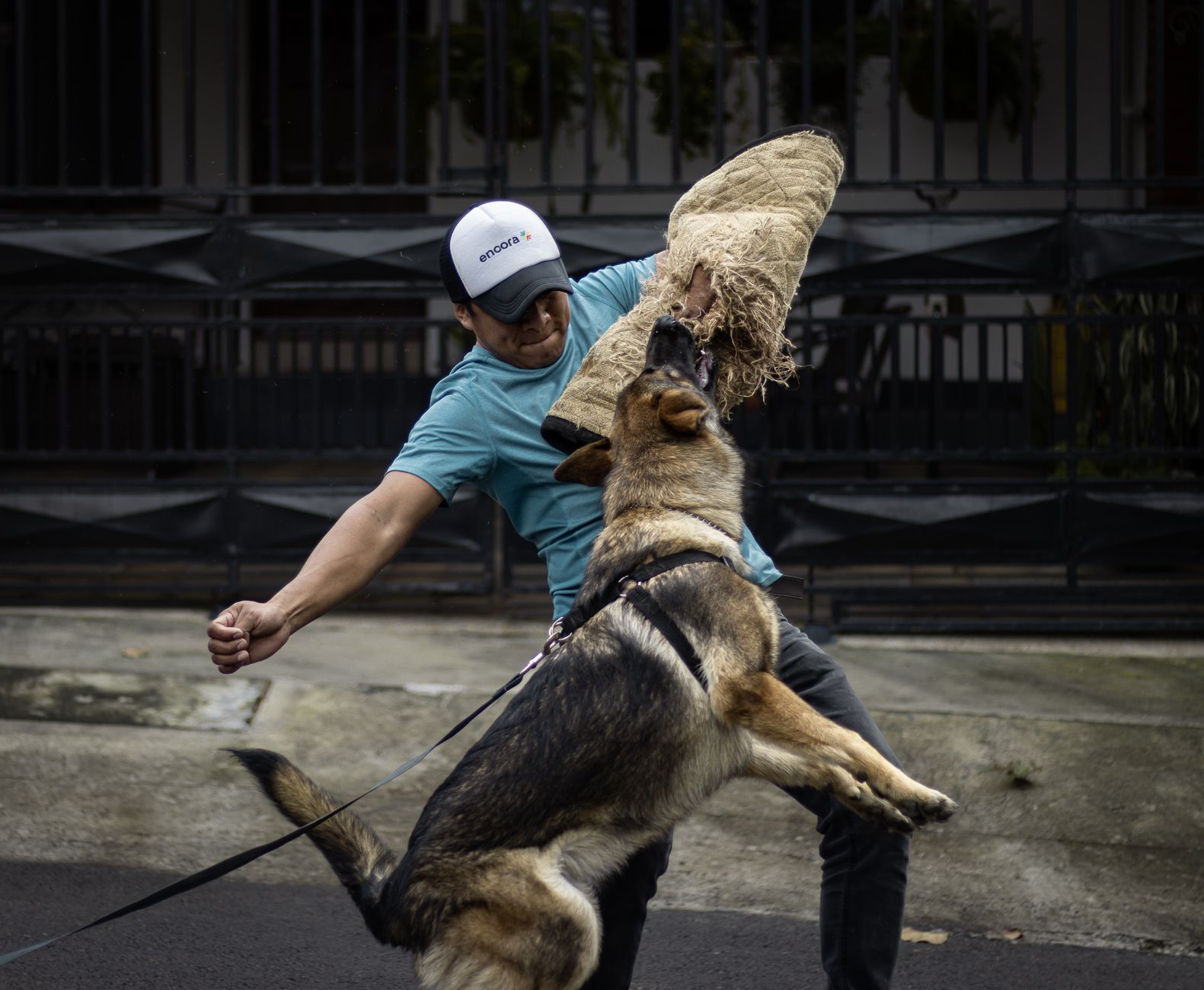
Dog Bites: A Matter of Public Health
Dog bites are a common occurrence, and while most are minor, they can lead to serious health concerns. Understanding the risks associated with dog bites, even from vaccinated animals, is crucial for personal safety and public health. Every year, millions of people are bitten by dogs, resulting in a significant number of emergency room visits and medical expenses. While the rabies vaccine provides a crucial layer of protection, it’s not a guarantee against all risks.
The Importance of Rabies Vaccination
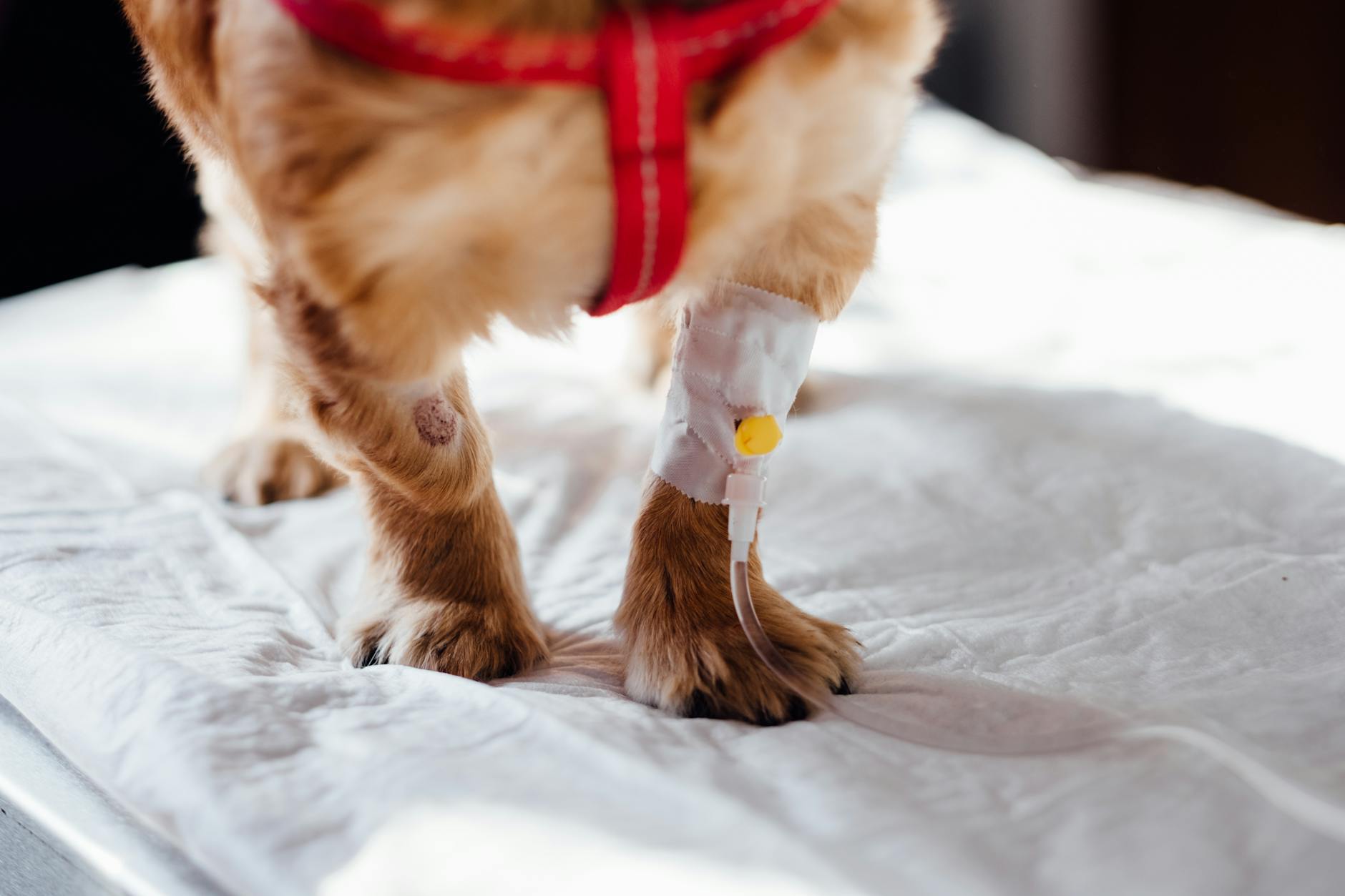
The rabies vaccine is a cornerstone of responsible pet ownership and public health. Rabies is a fatal viral disease that affects the central nervous system. Vaccination is the most effective way to prevent rabies in dogs and, consequently, in humans. A properly vaccinated dog is highly unlikely to transmit rabies, offering significant peace of mind in the event of a bite. However, the absence of rabies does not eliminate all concerns.
Understanding the Limits of Vaccination
It’s essential to understand that while the rabies vaccine is highly effective, it’s not foolproof. Factors such as the dog’s age, health status, and the quality of the vaccine can influence its effectiveness. Furthermore, other bacteria present in a dog’s mouth can cause infections, even if the dog is vaccinated against rabies.
Infection Risks Beyond Rabies
Even if a dog is current on its rabies vaccination, its mouth still contains a myriad of bacteria. These bacteria can cause a variety of infections, including:
- Pasteurella: A common bacterium found in the mouths of dogs and cats, often causing skin infections.
- Staphylococcus: Can cause skin infections and, in some cases, more serious systemic infections.
- Capnocytophaga canimorsus: A bacterium that can cause severe illness, particularly in people with weakened immune systems.
These infections can lead to swelling, redness, pain, and even systemic illness requiring antibiotic treatment.
First Aid and Medical Attention
The immediate response to a dog bite is crucial in minimizing the risk of infection.
- Wash the wound thoroughly with soap and water for at least 15 minutes.
- Apply pressure to stop the bleeding.
- Cover the wound with a clean bandage.
- Seek medical attention, especially if the wound is deep, bleeding heavily, or shows signs of infection.
Medical professionals can assess the wound, administer antibiotics if necessary, and determine if a tetanus booster is needed.
Reporting Dog Bites
Many jurisdictions require dog bites to be reported to local animal control or health departments. Reporting a bite helps track potential rabies exposure and ensures that the dog is monitored for any signs of illness. It also allows animal control to investigate any potential safety concerns related to the dog’s behavior.
Legal Considerations
Dog owners are generally responsible for the actions of their pets. If a dog bites someone, the owner may be liable for medical expenses, lost wages, and other damages. Laws vary by location, so it’s important to understand the specific regulations in your area. Even if a dog Is it OK if a vaccinated dog bites you?, the owner can still be held liable.
Preventive Measures
Preventing dog bites is the best approach to minimizing risk.
- Avoid approaching unfamiliar dogs.
- Never disturb a dog that is eating, sleeping, or caring for puppies.
- Teach children how to interact safely with dogs.
- Supervise children when they are around dogs.
- Be aware of a dog’s body language; signs of aggression include growling, snapping, and showing teeth.
Summary Table: Risks and Actions Following a Dog Bite
| Risk | Potential Consequences | Action |
|---|---|---|
| Rabies (low if vaccinated) | Fatal neurological disease | Wash wound, seek medical attention, report bite to animal control |
| Bacterial Infection | Localized infection, systemic illness | Wash wound, seek medical attention, antibiotics if necessary |
| Tetanus | Muscle stiffness, spasms | Seek medical attention, tetanus booster if needed |
| Trauma | Pain, scarring, nerve damage | Seek medical attention, wound care |
The Role of Dog Owner Responsibility
Dog owners have a responsibility to ensure that their dogs are properly trained, socialized, and vaccinated. They should also take steps to prevent their dogs from biting people, such as keeping them leashed in public and avoiding situations that might trigger aggression. Is it OK if a vaccinated dog bites you? No, because proper owner behaviour is essential to prevent the bite in the first place.
Reassessing the Question: Is it OK if a vaccinated dog bites you?
Even with vaccination, the answer remains that a dog bite is never “OK.” While vaccination drastically reduces the risk of rabies, it doesn’t eliminate the risk of other infections or injuries. Prompt and appropriate medical care is always necessary following a dog bite, regardless of the dog’s vaccination status. The key takeaway is that prevention and responsible dog ownership are the best ways to minimize the risk of dog bites and their associated health concerns.

Frequently Asked Questions (FAQs)
Is a dog bite from a vaccinated dog always safe?
No, even with vaccination, a dog bite is never entirely safe. While the risk of rabies is significantly reduced, bacterial infections and other complications are still possible. Prompt medical attention is always recommended.
What are the chances of getting rabies from a vaccinated dog?
The chances of contracting rabies from a properly vaccinated dog are extremely low. However, vaccination is not a 100% guarantee. Consulting with a doctor is important to assess the situation.
What kind of infections can you get from a dog bite besides rabies?
Beyond rabies, dog bites can transmit various bacteria, including Pasteurella, Staphylococcus, and Capnocytophaga canimorsus, leading to skin infections, cellulitis, and, in rare cases, life-threatening systemic infections.
What should I do immediately after being bitten by a dog?
Immediately wash the wound thoroughly with soap and water for at least 15 minutes. Then, apply pressure to control any bleeding and cover the wound with a clean bandage. Seek medical attention as soon as possible.
Do I need a tetanus shot if a dog bites me?
A doctor will assess whether you need a tetanus booster based on your vaccination history and the nature of the wound. It is best to err on the side of caution and consult a medical professional.
Will I always need antibiotics after a dog bite?
Not always. A doctor will determine if antibiotics are necessary based on the depth and severity of the wound, as well as any signs of infection. Prophylactic antibiotics are sometimes prescribed to prevent infection.
How long should I monitor a dog bite for signs of infection?
Monitor the wound closely for several days for signs of infection, such as increasing pain, redness, swelling, pus, or fever. See a doctor immediately if any of these symptoms develop.
Who should I report a dog bite to?
Report the bite to your local animal control or health department. This helps track potential rabies exposure and ensures that the dog is monitored.
Is the dog owner liable if their vaccinated dog bites someone?
Yes, the dog owner can be held liable for damages caused by their dog’s bite, even if the dog is vaccinated. Laws vary depending on location but often include coverage of medical expenses, lost wages, and other damages.
How can I prevent dog bites?
Avoid approaching unfamiliar dogs, especially when they are eating, sleeping, or caring for puppies. Teach children how to interact safely with dogs, and supervise them when they are around dogs. Be aware of dog body language and back away from dogs showing signs of aggression.
Does the size of the dog affect the risk of infection?
The size of the dog and the severity of the bite can influence the extent of tissue damage and the risk of infection. Larger dogs often have stronger jaws, which can cause deeper wounds.
If a vaccinated dog bites someone, does that mean it’s the owner’s fault?
Not necessarily. While responsible ownership is crucial, even well-trained and vaccinated dogs can bite under certain circumstances. Factors like fear, pain, or territoriality can contribute. However, the owner’s level of control over the dog will be reviewed. Is it OK if a vaccinated dog bites you? Even if technically not the owner’s “fault,” they are still responsible.