
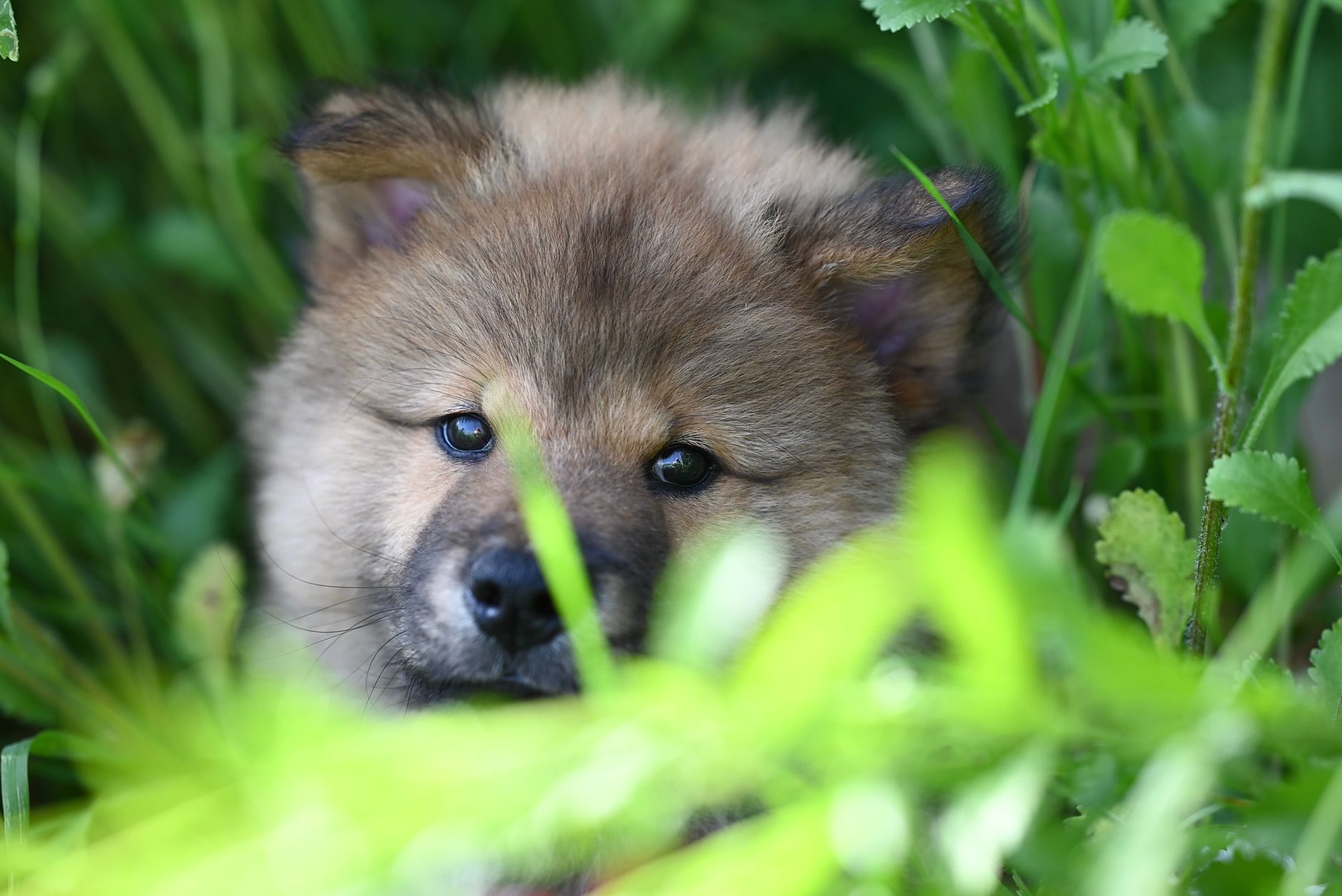
Is it Normal for Puppies to Hide? Understanding Canine Seclusion
Yes, it’s perfectly normal for puppies to hide. This behavior stems from a combination of instinct, insecurity, and their need to feel safe and secure in their new environment.

Why Do Puppies Hide? The Roots of Seclusion
Bringing a new puppy home is an exciting time, but it’s also a significant adjustment for the little one. Stepping into a completely unfamiliar environment, away from their mother and littermates, can be overwhelming. Understanding the reasons behind a puppy’s desire to hide can help you provide the support and reassurance they need during this transition.
- Instinctual Safety Seeking: Puppies, like their wild ancestors, have an innate instinct to seek shelter and security. Hiding provides a safe haven from perceived threats, real or imagined.
- New Environment Overload: A new home presents a barrage of unfamiliar sights, sounds, and smells. This sensory overload can be stressful, prompting a puppy to retreat to a quiet space.
- Insecurity and Anxiety: Being separated from their mother and littermates can trigger feelings of insecurity and anxiety in puppies. Hiding can provide a sense of comfort and control in an otherwise uncertain situation.
- Fear Response: Loud noises, sudden movements, or unfamiliar people can frighten a puppy, leading them to seek refuge in a hidden spot.
- Need for Rest: Puppies require a lot of sleep, often more than adult dogs. They may hide to find a quiet and undisturbed place to rest.
- Illness or Discomfort: If a puppy is feeling unwell, they may hide as a way to conserve energy and avoid interaction.
Identifying Normal Hiding vs. Problematic Behavior

While hiding is generally normal, it’s important to differentiate between healthy hiding and behavior that might indicate a more serious problem.
Normal Hiding:
- Occurs primarily in new environments or during periods of stress.
- Is not accompanied by other concerning symptoms such as loss of appetite, vomiting, or diarrhea.
- The puppy eventually emerges from their hiding place to interact with family members and engage in normal activities.
- The hiding behavior decreases over time as the puppy becomes more comfortable and confident.
Problematic Hiding:
- Is excessive and persistent, even after the puppy has had time to adjust to their new home.
- Is accompanied by other signs of anxiety, such as excessive barking, chewing, or destructive behavior.
- Is triggered by specific stimuli, such as certain people or places.
- The puppy appears fearful or withdrawn even when they are not hiding.
- May be linked to an underlying medical condition.
If you suspect that your puppy’s hiding behavior is problematic, it’s essential to consult with a veterinarian or a certified professional dog trainer or behaviorist to rule out any medical issues or underlying anxieties.
Creating a Safe and Comfortable Environment
You can significantly reduce a puppy’s need to hide by creating a safe, comfortable, and predictable environment.
- Provide a Designated Safe Space: Set up a comfortable den or crate where your puppy can retreat when they feel overwhelmed. Make it inviting with soft bedding, toys, and familiar scents.
- Introduce New Things Gradually: Avoid overwhelming your puppy with too many new experiences at once. Introduce new people, places, and objects gradually and positively.
- Maintain a Consistent Routine: Puppies thrive on routine. Establish a regular schedule for feeding, walks, playtime, and sleep.
- Use Positive Reinforcement: Reward your puppy for exhibiting confident and outgoing behavior. Avoid punishment, as this can increase anxiety and fear.
- Provide Plenty of Exercise and Mental Stimulation: Regular exercise and mental stimulation can help reduce anxiety and prevent boredom, which can contribute to hiding behavior.
- Socialization: Expose your puppy to a variety of people, places, and situations in a controlled and positive manner.
Addressing Fear and Anxiety
If your puppy is hiding due to fear or anxiety, there are several strategies you can use to help them overcome their concerns.
- Identify the Trigger: Determine what is causing your puppy’s fear or anxiety.
- Desensitization and Counterconditioning: Gradually expose your puppy to the trigger at a low intensity, pairing it with something positive, such as treats or praise.
- Provide Reassurance: When your puppy is feeling anxious, offer gentle reassurance and comfort. Avoid coddling them, as this can inadvertently reinforce their fear.
- Consult with a Professional: If your puppy’s fear or anxiety is severe, seek guidance from a veterinarian or certified professional dog trainer or behaviorist.
What if my older dog starts hiding?
Hiding in older dogs can indicate underlying health issues or discomfort. It’s essential to consult with a veterinarian to rule out medical conditions like arthritis, cognitive dysfunction, or pain. Once medical causes are addressed, creating a calm and supportive environment can help alleviate anxiety-related hiding in senior dogs.
Common Mistakes to Avoid
- Forcing Your Puppy Out of Hiding: This can increase their anxiety and make them even more fearful.
- Punishing Your Puppy for Hiding: This will only worsen their anxiety and damage your relationship.
- Ignoring the Behavior: Hiding can be a sign that your puppy needs help. It’s important to address the underlying cause of the behavior.
- Overwhelming Your Puppy: Introducing too many new things too quickly can lead to stress and anxiety.
By understanding why puppies hide and taking steps to create a safe and supportive environment, you can help your new companion feel more confident and secure. Remember that patience and understanding are key to helping your puppy adjust to their new home. Addressing the question of Is it normal for puppies to hide? requires sensitivity and tailored solutions.

Frequently Asked Questions (FAQs)
Why is my puppy hiding under the furniture?
Hiding under furniture often provides a sense of security and enclosure for a puppy. The confined space may make them feel safer from perceived threats or provide a quiet retreat from the chaos of a new environment. Ensuring they have a designated safe space like a crate can help them feel less inclined to hide under furniture.
My puppy only hides when guests are over. Is this normal?
Yes, it’s common for puppies to hide when unfamiliar people are present. New people can be overwhelming, and the puppy may feel insecure or threatened. Provide a safe space for your puppy to retreat to when guests are over, and encourage guests to avoid overwhelming the puppy with excessive attention.
My puppy used to be confident, but now he’s started hiding. What could be the reason?
Sudden changes in behavior, including hiding, can indicate a medical issue or a new source of stress. Consider if anything has changed in the environment recently, and consult with a veterinarian to rule out any underlying health problems.
How long should I let my puppy hide before trying to coax them out?
It’s important to respect your puppy’s need for space, but don’t allow them to hide indefinitely. Give them a reasonable amount of time (e.g., 30 minutes to an hour) to de-stress, then gently try to coax them out with a treat or toy. Avoid forcing them out.
What kind of safe space is best for a puppy who likes to hide?
A crate, a dog bed in a quiet corner, or even a designated area under a table can serve as a safe space. The key is to make it comfortable, inviting, and easily accessible to your puppy. Add soft bedding, toys, and familiar scents.
Is it normal for puppies to hide if they’re scared of loud noises?
Yes, loud noises like thunderstorms, fireworks, or construction can frighten puppies and trigger a hiding response. Create a safe and quiet space for your puppy during these events, and consider using a white noise machine or calming music to mask the sounds.
How can I socialize my puppy without making them feel overwhelmed and want to hide?
Introduce new experiences gradually and positively. Start with short, controlled exposures, and reward your puppy for exhibiting confident behavior. Avoid forcing them into situations that make them uncomfortable.
What are some signs that my puppy’s hiding behavior is a serious problem?
If your puppy’s hiding behavior is excessive, persistent, accompanied by other signs of anxiety, or linked to a specific trigger, it’s essential to seek professional help. Other concerning signs include loss of appetite, vomiting, diarrhea, and fearful or withdrawn behavior even when not hiding.
Should I ignore my puppy when they’re hiding?
It depends on the situation. If they are briefly hiding to de-stress from a new environment, give them space. But, if their behaviour is excessive or shows signs of anxiety, then gentle reassurance and counter-conditioning tactics should be deployed. Consistently ignoring anxiety based hiding isn’t helpful.
Can hiding be a sign of pain or discomfort in puppies?
Yes, hiding can sometimes be a sign of pain or discomfort. If your puppy suddenly starts hiding more than usual, or if they exhibit other signs of illness, it’s important to consult with a veterinarian. Underlying health issues can cause a puppy to withdraw and seek refuge in a hidden spot.
My puppy seems to enjoy hiding and playing “hide-and-seek.” Is this still normal?
Playing “hide-and-seek” is a normal and healthy activity for many puppies. If your puppy enjoys hiding and interacting with you during these games, it’s likely not a cause for concern. The difference is in their demeanour: normal playful hiding is usually accompanied by excited wags and playfulness.
Does crate training help with hiding behavior?
Yes, crate training can provide a designated safe space for your puppy, reducing their need to hide in other less suitable locations. A crate can become a comfortable den where your puppy feels secure and relaxed. It’s crucial the crate is never used as a punishment.