

Is it normal for ball python to stay in hide?
Yes, it is absolutely normal and even essential for a ball python to spend a significant amount of time in its hide. This behavior is a key indicator of a healthy and secure snake feeling comfortable within its environment.

Understanding Ball Python Hiding Behavior
Ball pythons, native to Central and West Africa, are naturally secretive and crepuscular creatures. In their natural habitat, they spend the majority of their time sheltered from predators and the harsh African sun. Mimicking this natural environment in captivity is crucial for their well-being. Understanding why they hide helps us to ensure their needs are being met.
Benefits of Hiding for Ball Pythons
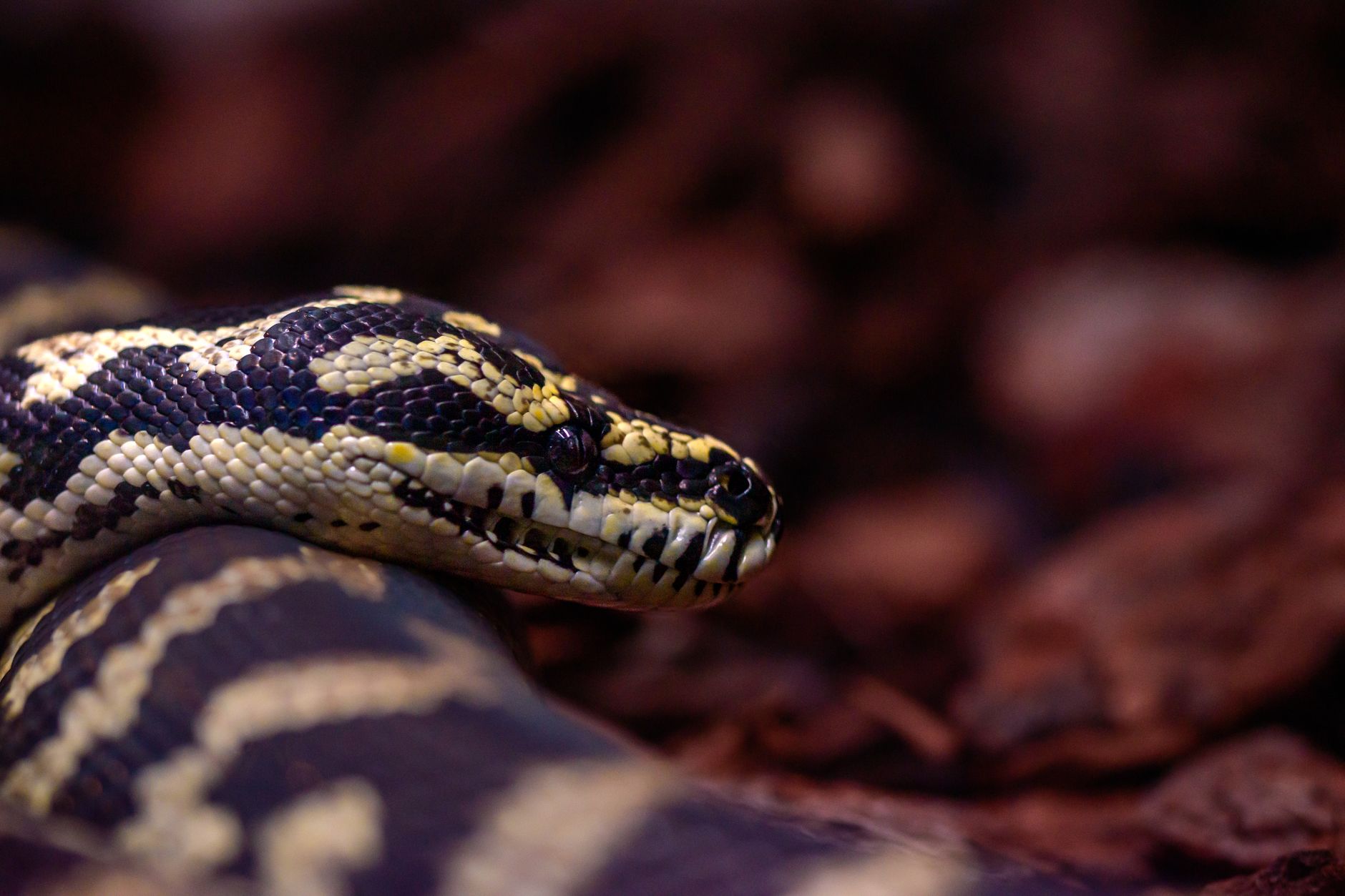
Providing adequate hiding places isn’t just a matter of preference; it’s a necessity for a ball python’s physical and mental health. Here’s why:
- Security and Stress Reduction: Hides offer a safe haven from perceived threats, minimizing stress. Stress is a major factor in health problems for captive reptiles.
- Thermoregulation: Hides can provide different temperature gradients within the enclosure, allowing the snake to regulate its body temperature effectively.
- Shedding: A humid hide can assist in the shedding process, preventing stuck shed and other related issues.
- Digestion: A secure hide can encourage proper digestion, as the snake feels less vulnerable.
Ideal Hide Placement and Environment
Creating an ideal environment with proper hides is crucial. Consider these factors:
- Multiple Hides: Offer at least two hides, one on the warm side of the enclosure and one on the cool side. This allows the python to choose its preferred temperature while remaining secure.
- Appropriate Size: The hide should be snug, allowing the snake to feel secure without being cramped. Too large a hide may not provide the same sense of safety.
- Material: Hides can be made of various materials, including plastic, resin, cork bark, or even ceramic. Ensure the material is non-toxic and easy to clean.
- Darkness: The hide should be dark and opaque, blocking out light to create a sense of security.
- Humidity: Maintain appropriate humidity levels in the enclosure, which will also contribute to a healthy shedding process. Adding a humid hide, especially during shedding cycles, can be beneficial.
When Hiding Becomes a Concern
While hiding is normal, excessive or unusual hiding can indicate a problem. Observing your ball python’s overall behavior is key.
- Refusal to Eat: If a ball python stops eating and spends all its time hiding, it may be a sign of stress, illness, or improper husbandry.
- Lethargy: Excessive lethargy, even within the hide, can indicate illness or an inappropriate temperature gradient.
- Visible Signs of Illness: Look for any visible signs of illness, such as respiratory infections (wheezing, nasal discharge), skin problems, or unusual lumps.
- Recent Changes: Recent changes in the environment, handling, or feeding routine can trigger stress and excessive hiding.
Troubleshooting Hiding Behavior
If you suspect your ball python’s hiding behavior is abnormal, consider these troubleshooting steps:
- Check Husbandry: Verify that the temperature gradient, humidity, and enclosure size are appropriate.
- Reduce Stress: Minimize handling, especially after feeding. Provide plenty of cover and hiding places.
- Observe Feeding Habits: Ensure the prey size and feeding schedule are appropriate.
- Consult a Veterinarian: If you suspect illness, consult a reptile veterinarian for diagnosis and treatment.
Common Mistakes
Avoid these common mistakes when setting up hides for your ball python:
- Too Few Hides: Offering only one hide forces the snake to choose between security and thermoregulation.
- Inappropriate Hide Size: A hide that is too large or too small won’t provide adequate security.
- Insufficient Darkness: Transparent or poorly shaded hides can increase stress.
- Improper Placement: Placing hides only on one side of the enclosure prevents the snake from properly thermoregulating.
- Ignoring Environmental Factors: Neglecting temperature, humidity, and overall cleanliness can exacerbate stress and lead to health problems.
Is it normal for ball python to stay in hide? A Summary
Ultimately, understanding the natural behaviors of ball pythons is essential for responsible pet ownership. Providing adequate hiding places and maintaining a healthy environment will contribute to a happy and thriving snake. Recognizing when hiding behavior is normal and when it signals a problem is crucial for proactive care.

Frequently Asked Questions About Ball Python Hiding Behavior
What kind of hides are best for ball pythons?
The best hides are those that are dark, snug, and easy to clean. Options include resin hides, cork bark, plastic hides specifically designed for reptiles, and even inverted flower pots with the drainage hole enlarged. The key is to provide variety and observe which hides your snake prefers.
How often should I clean my ball python’s hide?
Regular cleaning is important to prevent bacterial buildup. Clean the hides at least once a month, or more frequently if they become soiled. Use a reptile-safe disinfectant and rinse thoroughly.
What if my ball python refuses to come out of its hide to eat?
If your ball python consistently refuses to leave its hide to eat, try offering the prey item inside or very close to the entrance of the hide. You may also consider leaving the prey item in the enclosure overnight, but be sure to remove it if it isn’t eaten to prevent spoilage.
Can I handle my ball python even if it spends most of its time in its hide?
While it’s important to respect your snake’s need for security, occasional handling is still possible. Approach the hide slowly and gently, and allow the snake to come out on its own. Never force it out, as this can cause stress.
My ball python used to be more active, but now it spends all its time hiding. What could be the reason?
A sudden change in behavior can indicate a problem. Consider recent changes in the environment, such as temperature fluctuations or the addition of new cage furniture. It could also be a sign of illness, so monitor for other symptoms and consult a veterinarian if necessary.
Is it possible my ball python is simply bored?
While ball pythons aren’t typically considered “playful” animals, providing enrichment can still be beneficial. Offer a variety of textures in the enclosure, rearrange the environment occasionally, and provide opportunities for climbing (if your snake is so inclined).
My new ball python is always hiding. Is this normal?
It’s very normal for a new ball python to spend a lot of time hiding as it adjusts to its new environment. Give it time to acclimate and avoid handling it excessively during this period.
Can ball pythons get stressed from too much handling?
Yes, excessive handling can be a significant source of stress for ball pythons. Limit handling sessions to short periods and avoid handling after feeding. Learn to read your snake’s body language to identify signs of stress, such as hissing, balling up tightly, or attempting to escape.
How can I encourage my ball python to be more active?
Ensure the enclosure is appropriately sized and provides a range of temperature gradients. Offer a variety of enrichment items, such as branches or climbing structures. Consider changing the substrate or rearranging the environment to stimulate exploration.
Does the color of the hide matter to my ball python?
While ball pythons don’t perceive color the same way humans do, darker hides are generally preferred as they provide a greater sense of security.
What should I do if my ball python won’t come out of its hide when I need to clean the enclosure?
Avoid forcing the snake out of its hide. Instead, try gently coaxing it out with a hook or tapping on the hide. You can also try removing the hide and placing it in a separate container while you clean the enclosure. Always handle the snake gently and with respect.
Is it normal for ball python to stay in hide even during the day?
Yes, it is perfectly normal for a ball python to stay in its hide during the day. These snakes are crepuscular, meaning they are most active during dawn and dusk. Spending the daytime hours in a secure hide is a natural and healthy behavior. They typically emerge to hunt or explore at times when the light is lower and they feel more secure from predators.