

Is it Illegal to Breed GloFish?: Unraveling the Fluorescent Fish Facts
Breeding GloFish isn’t as straightforward as you might think. The short answer: Is it illegal to breed GloFish? In many regions, it is illegal to sell or trade GloFish due to patent and trademark protections, but breeding them for personal enjoyment and non-commercial purposes might be legally permissible, depending on local laws.
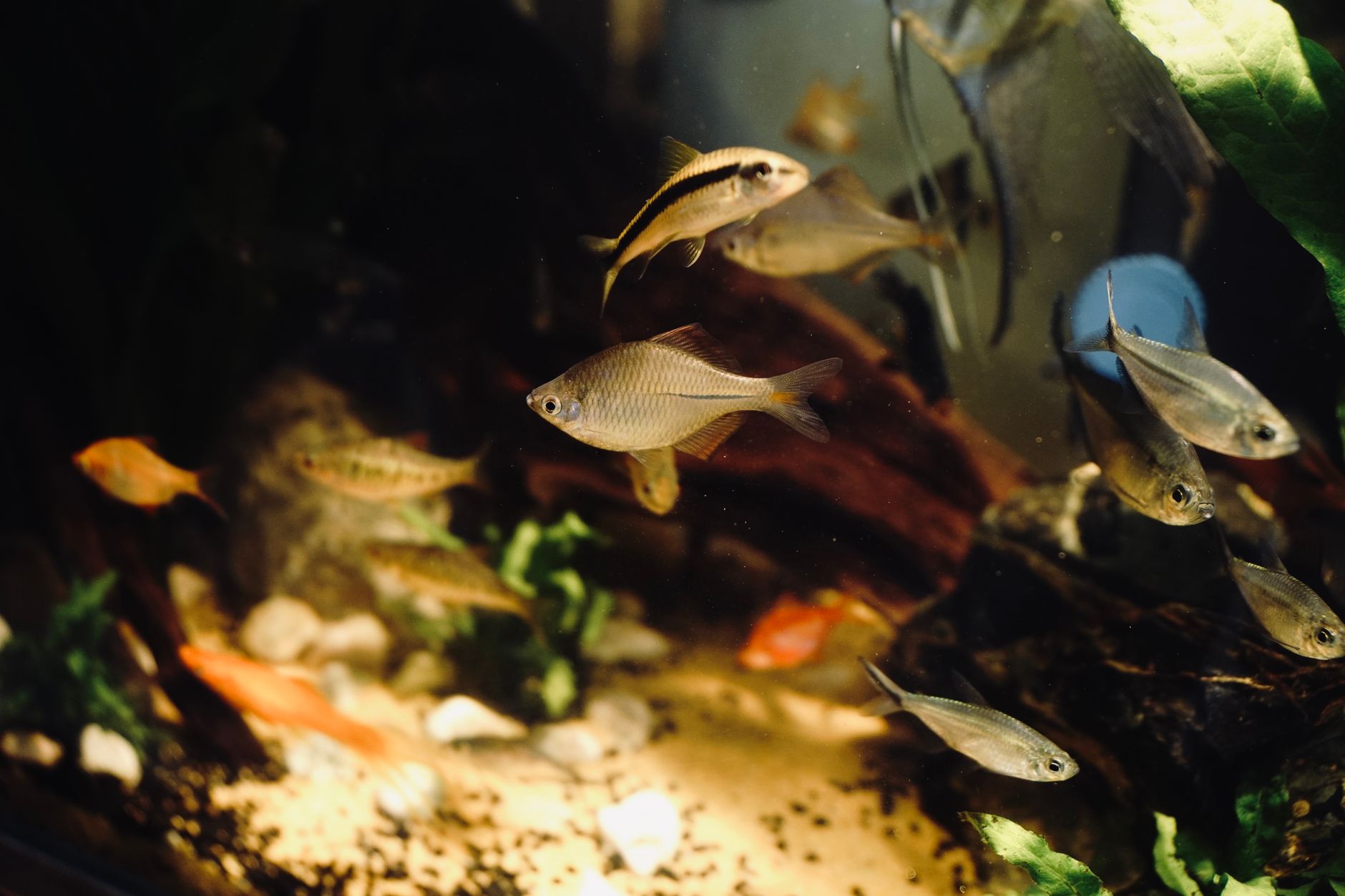
What are GloFish and Why Are They So Popular?
GloFish are genetically modified fluorescent fish, initially created for environmental pollution detection. They became popular aquarium pets due to their vibrant colors and relative ease of care. The fish achieve their bright colors through the introduction of a natural fluorescence gene. Different GloFish varieties display colors ranging from red and orange to green, blue, and purple. They require similar care as their non-fluorescent counterparts, making them appealing to both beginner and experienced aquarists.
The Patent and Trademark Landscape

The primary concern regarding GloFish breeding revolves around intellectual property rights. GloFish are patented and trademarked by Yorktown Technologies, the company that developed them. These protections grant the company exclusive rights to commercially produce and sell GloFish.
- Patents: Cover the genetic modification process and the resulting fluorescent traits.
- Trademarks: Protect the brand name “GloFish” and prevent others from using it to market similar products.
These protections are crucial for Yorktown Technologies to recoup its investment in research and development.
Legal Implications of Breeding
The critical point is commercial breeding and sale. Breeding GloFish for personal enjoyment, without intending to sell or distribute them, often falls into a legal grey area. However, openly selling or trading GloFish without permission from Yorktown Technologies could lead to legal repercussions.
- Selling: Clearly violates patent and trademark laws.
- Trading: Can be interpreted as a form of commercial activity, depending on the context and value of the exchange.
- Breeding for Personal Use: More ambiguous, but generally less likely to attract legal attention.
It’s essential to research local regulations and consult with legal counsel if you have any doubts about the legality of your activities.
What Happens If You Illegally Breed and Sell GloFish?
Engaging in the unauthorized commercial breeding and sale of GloFish can lead to several potential consequences:
- Cease and Desist Order: A legal notice demanding that you stop the infringing activity.
- Financial Penalties: Fines or damages payable to Yorktown Technologies to compensate for lost profits.
- Legal Action: A lawsuit filed by Yorktown Technologies to enforce its intellectual property rights.
- Confiscation: Seizure of illegally bred GloFish and equipment used in their production.
The severity of the consequences depends on the scale of the operation and the jurisdiction in which it takes place.
Responsible GloFish Ownership
Even if you’re not breeding GloFish, responsible ownership is important. Consider these points:
- Proper Care: Provide adequate tank size, water quality, and diet.
- Ethical Sourcing: Purchase GloFish from reputable retailers.
- Preventing Escape: Ensure GloFish cannot escape into the wild, as they could potentially disrupt local ecosystems.
- Understanding Regulations: Be aware of any local regulations regarding the possession or breeding of genetically modified organisms.
Table: Summary of Legal Considerations
| Activity | Legal Risk | Explanation |
|---|---|---|
| Breeding for Personal Use | Low | Generally permissible if not for commercial gain. Check local laws. |
| Trading GloFish | Medium | Could be interpreted as commercial activity. Depends on context and value. |
| Selling GloFish | High | Clear violation of patent and trademark laws. |
Breeding GloFish – The Basics (Hypothetically)
For informational purposes only, let’s look at the basics of breeding any egg-laying fish. Remember, selling GloFish without permission is illegal.
- Setting up a Breeding Tank: A separate tank with clean, filtered water is essential.
- Conditioning the Fish: Provide a high-quality diet to encourage spawning.
- Spawning Substrate: Provide plants or spawning mops for the fish to lay their eggs on.
- Removing the Parents: After spawning, remove the parents to prevent them from eating the eggs.
- Hatching and Fry Care: Provide appropriate food and maintain water quality for the newly hatched fry.
Why the Confusion?
Confusion arises because personal breeding for non-commercial use isn’t always explicitly prohibited. However, the ambiguity underscores the need for clarity and careful compliance with local and federal regulations. It also highlights the importance of ethical considerations regarding genetically modified organisms.

Frequently Asked Questions (FAQs)
Is it illegal to breed GloFish for my own aquarium?
It’s a complex issue. While technically, you may be infringing on the patent, it’s unlikely to be enforced if it’s truly for personal use and not for commercial gain. However, local laws and interpretations can vary.
Can I give GloFish away to friends?
Giving away GloFish can be legally risky as it could be construed as trading, which could violate the patent. It’s better to avoid giving them away to minimize potential legal issues.
Does Yorktown Technologies actively monitor for illegal GloFish breeding?
While Yorktown Technologies doesn’t publicly disclose its monitoring activities, it’s reasonable to assume they do monitor online marketplaces and aquarium communities for signs of illegal breeding and sale. Stay cautious and avoid advertising your activities.
What are the ethical considerations of breeding genetically modified organisms?
Ethical considerations include the potential impact on the environment if the fish escape, the welfare of the fish themselves, and the broader implications of manipulating genes for aesthetic purposes. Responsible breeding practices are essential.
Are there any legal alternatives to buying GloFish?
No, there are no direct legal alternatives to buying GloFish if you want a genetically modified fluorescent fish. However, many other vibrantly colored non-genetically modified fish species are available for aquariums.
Where can I find official information about GloFish breeding regulations?
Contact Yorktown Technologies directly for official information regarding GloFish breeding regulations. Also, consult with an attorney specializing in intellectual property law for legal advice.
Can I breed GloFish with non-GloFish?
While technically possible if you have the same species of fish, the offspring’s legal status remains unclear. Breeding them would still potentially infringe on Yorktown’s patent.
If I accidentally breed GloFish, what should I do?
If you accidentally breed GloFish, avoid selling or trading the offspring. You can keep them for personal enjoyment or humanely euthanize them.
Do international laws differ regarding GloFish breeding?
Yes, international laws vary. Some countries may have stricter regulations regarding genetically modified organisms than the United States. Research local laws before breeding GloFish internationally.
What about breeding GloFish in countries where patents are not enforced?
Even if patents are not enforced, there may be other local regulations regarding genetically modified organisms. Research thoroughly before proceeding.
Could I get in trouble for posting pictures of my GloFish fry online?
While unlikely to cause legal trouble directly, posting pictures could draw attention to your activities, potentially increasing scrutiny from Yorktown Technologies or regulatory authorities. Use discretion when sharing information online.
Are there any proposed changes to the laws surrounding GloFish breeding?
As of the current date, no major changes to the laws surrounding GloFish breeding are proposed. Keep an eye on intellectual property law and regulations related to genetically modified organisms for any updates.
This article provides information for educational purposes and does not constitute legal advice. Consult with a legal professional for advice tailored to your specific situation.