

Is It Good To Let Your Cat Sleep On You? Exploring the Purr-fectly Cozy Conundrum
Whether it’s a daytime nap or a nightly snuggle, it’s generally good to let your cat sleep on you, offering mutual benefits like stress reduction and increased bonding, although potential downsides like restricted movement and potential allergies need consideration.
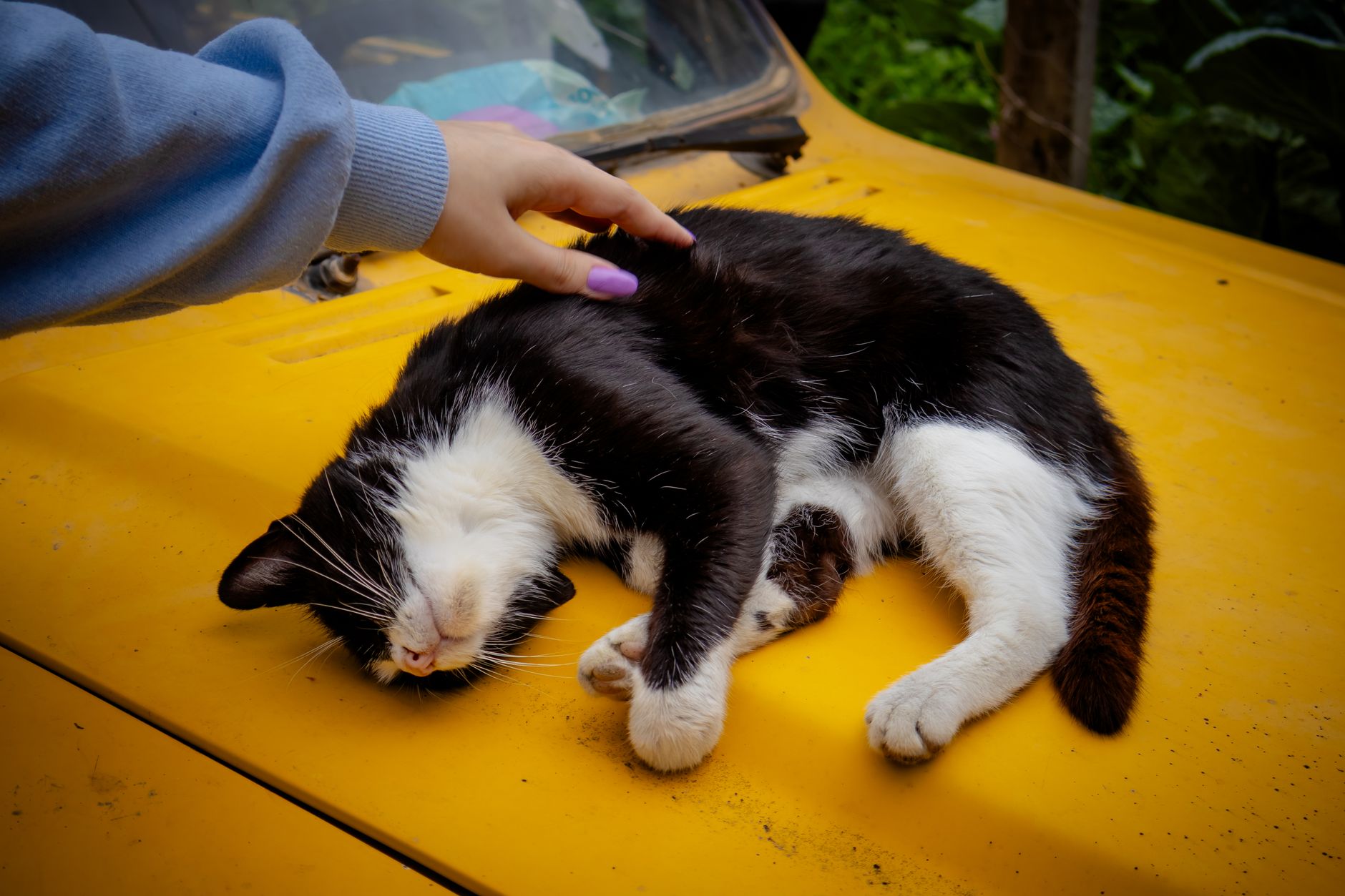
Introduction: A Feline’s Choice, A Human’s Question
The rhythmic purr, the gentle weight, the sheer adorable factor – having a cat sleep on you is often a heartwarming experience. But the question “Is it good to let your cat sleep on you?” isn’t just about warm fuzzies. It’s a multifaceted inquiry involving feline behavior, human health, and the delicate balance of the human-animal bond. Cats sleep a significant portion of the day, and their choice of napping location is often deliberate. Understanding the motivations behind their preference to sleep on you, and the potential impacts – both positive and negative – allows for informed decision-making about this common behavior.
Decoding the Feline Sleepover: Why They Choose You
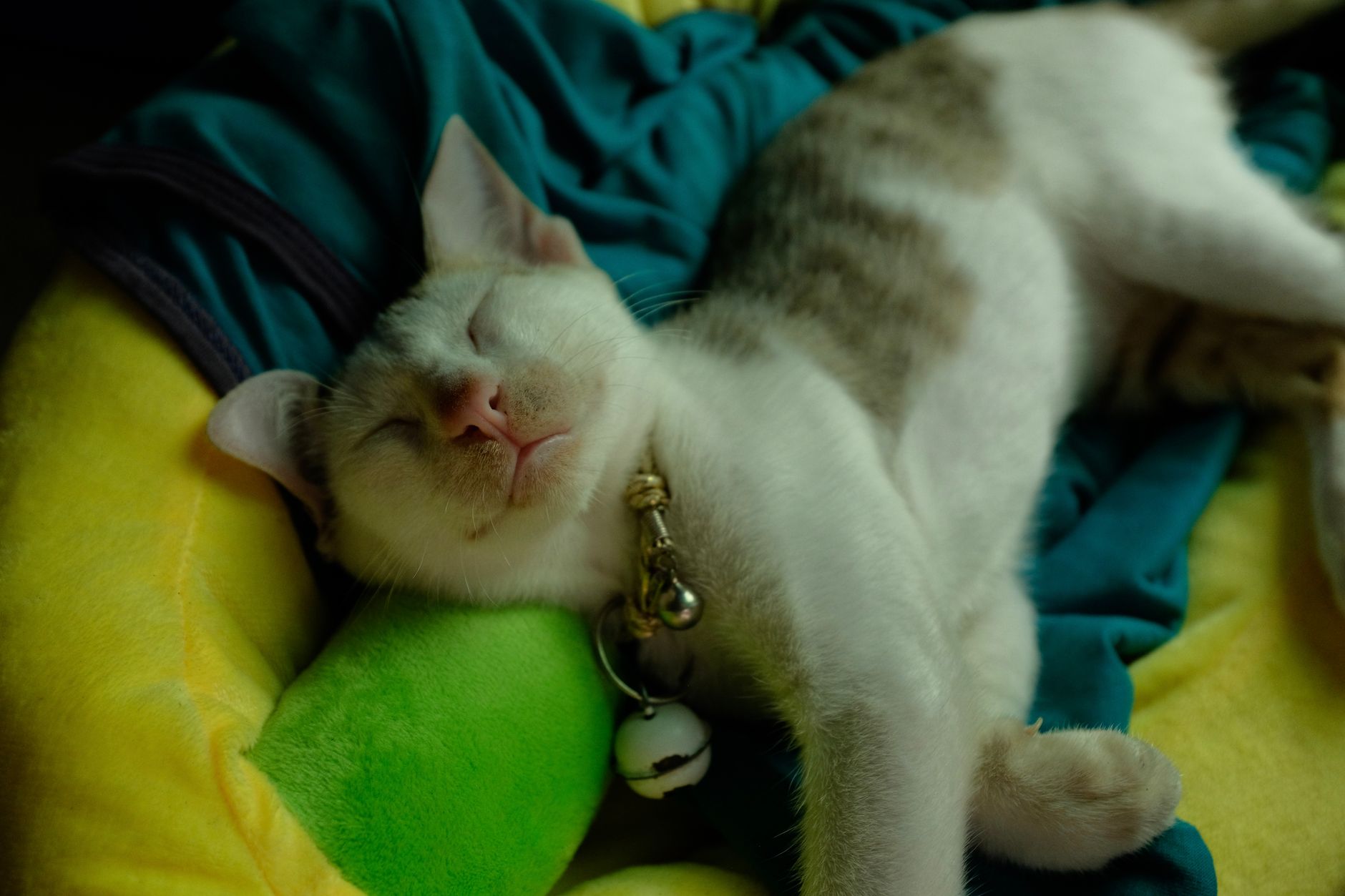
Cats aren’t indiscriminate about their slumber partners. There are several reasons why they might choose you as their preferred napping spot:
- Warmth: Cats have a higher body temperature than humans and seek out warm places to conserve energy. Your body provides a convenient and consistent source of heat.
- Security: Sleeping is a vulnerable state. By sleeping on you, a cat may feel safer and more protected from potential threats. This speaks volumes about their trust in you.
- Comfort: You might simply be the most comfortable surface available! Your soft clothes, blankets, or even just your form provide a cozy haven.
- Bonding: Sleeping together strengthens the bond between you and your cat. It’s a sign of affection and reinforces the social connection.
- Scent: Cats recognize and are comforted by your scent. Sleeping on you allows them to be surrounded by your familiar aroma.
Purr-adise Found: Benefits of Feline Slumber Parties
Beyond the sheer enjoyment of a cuddly cat, there are potential benefits to allowing your cat to sleep on you:
- Stress Reduction: The act of petting a cat has been shown to lower blood pressure and release endorphins, reducing stress and anxiety.
- Improved Sleep Quality: The rhythmic purring of a cat can be soothing and promote relaxation, potentially leading to better sleep.
- Increased Bonding: Sharing a sleep space strengthens the bond between you and your cat, fostering a deeper connection.
- Warmth and Comfort: On a cold night, your cat can provide a welcome source of warmth and comfort.
Potential Pitfalls: Navigating the Nightly Nuzzle
While the benefits are compelling, it’s important to consider potential downsides:
- Restricted Movement: A cat sleeping on you can restrict your movement, leading to discomfort or difficulty getting comfortable.
- Sleep Disruption: Cats are crepuscular, meaning they are most active at dawn and dusk. Their movements during the night could disrupt your sleep.
- Allergies: If you are allergic to cats, having them sleep on you can exacerbate your symptoms.
- Hygiene: Cats can carry fleas, ticks, and other parasites. Regularly grooming your cat and maintaining a clean sleeping environment can minimize these risks.
- Dominance Issues: While less common, some experts believe that allowing a cat to consistently sleep on you could reinforce dominant behavior, particularly in multi-cat households. However, this is largely dependent on the individual cat’s personality.
Making the Decision: To Snuggle or Not to Snuggle
Ultimately, the decision of whether to allow your cat to sleep on you is a personal one. Consider your individual needs, preferences, and potential health concerns. If you are unsure, consult with your doctor or veterinarian. If the question, “Is it good to let your cat sleep on you?” keeps you up at night (pun intended!), it may be worthwhile experimenting to see what works best for both of you.
Creating a Cozy Compromise: Solutions for Shared Sleep
If you enjoy having your cat sleep near you but want to mitigate potential downsides, consider these alternatives:
- Provide a Designated Sleeping Spot: Offer a comfortable bed or blanket near your bed so your cat can still be close without being directly on you.
- Establish Boundaries: Gently redirect your cat if they try to sleep on you when you prefer they didn’t. Consistency is key.
- Regular Grooming: Keep your cat clean and free of parasites to minimize hygiene concerns.
- Air Purifier: Use an air purifier to reduce allergens in the bedroom.
Frequently Asked Questions (FAQs)
Is it bad to let my cat sleep on my chest?
Generally, no, it is not bad. Many people find it comforting. However, if you have respiratory issues, the weight of the cat might be uncomfortable. Furthermore, be aware that a sudden movement could scratch your face.
Will letting my cat sleep on me make them more clingy?
It can strengthen the bond and potentially lead to increased affection, but it doesn’t necessarily make them clingy in a negative way. It’s more likely to increase their sense of security and attachment to you.
Can a cat sleeping on me cause allergies?
Yes, it can exacerbate allergy symptoms. Cat dander is a common allergen, and direct contact can trigger allergic reactions. Consider using allergy medication or keeping the cat out of the bedroom.
Is it okay for a kitten to sleep on me?
Yes, it’s generally safe and can help the kitten bond with you. However, be extra cautious, as kittens are more fragile and could be accidentally injured during your sleep.
My cat only sleeps on me when I’m stressed. Why?
Your cat might be sensing your stress levels and trying to provide comfort and security. They are intuitive creatures and may be responding to your emotional state.
What if I don’t want my cat to sleep on me anymore?
Gently and consistently redirect your cat to a designated sleeping spot. Be patient and avoid scolding, as this could damage your bond. Offer positive reinforcement when they sleep in their own bed.
Is it normal for my cat to knead me before sleeping on me?
Yes, kneading is a common and normal behavior in cats. It’s thought to be a relic of kittenhood, when they kneaded their mother’s belly to stimulate milk flow.
Can letting my cat sleep on me attract fleas?
It’s possible, especially if your cat has fleas. Regularly check your cat for fleas and treat them promptly. Maintain a clean sleeping environment.
Will my cat suffocate if they sleep on my face?
It’s unlikely for an adult cat to suffocate you, unless you have underlying health conditions that impair your breathing. However, be more cautious with kittens or small animals.
My cat snores when they sleep on me. Is this normal?
Yes, some cats snore, just like people. It’s usually harmless, but if the snoring is new or excessive, consult with your veterinarian.
Does letting my cat sleep on me make them the “alpha”?
This is a complex issue, but generally no. Allowing your cat to sleep on you is more about comfort and affection than dominance. Observe other interactions to determine the true dynamics of the relationship.
Is “Is it good to let your cat sleep on you?” a question that is always asked with the same answer?
No, the answer to the question “Is it good to let your cat sleep on you?” is not always the same. The best answer depends on the individual’s circumstances, including their health, allergies, and preferences, as well as the cat’s personality and hygiene.