

Is It Better to Walk a Dog on Grass or Pavement? Navigating Terrain for Optimal Canine Health
The question of is it better to walk a dog on grass or pavement? depends heavily on individual dog needs, breed, age, the weather, and the specific goals of the walk, but generally, grass offers a lower-impact surface while pavement provides opportunities for nail trimming and exposure to diverse scents.

Understanding Canine Paws and Surfaces
A dog’s paws are marvels of natural engineering, designed for grip, shock absorption, and temperature regulation. However, like any part of the body, they are susceptible to wear and tear, and the surfaces they traverse play a crucial role in their health. Deciding is it better to walk a dog on grass or pavement requires understanding their unique impact.
The Benefits of Walking on Grass
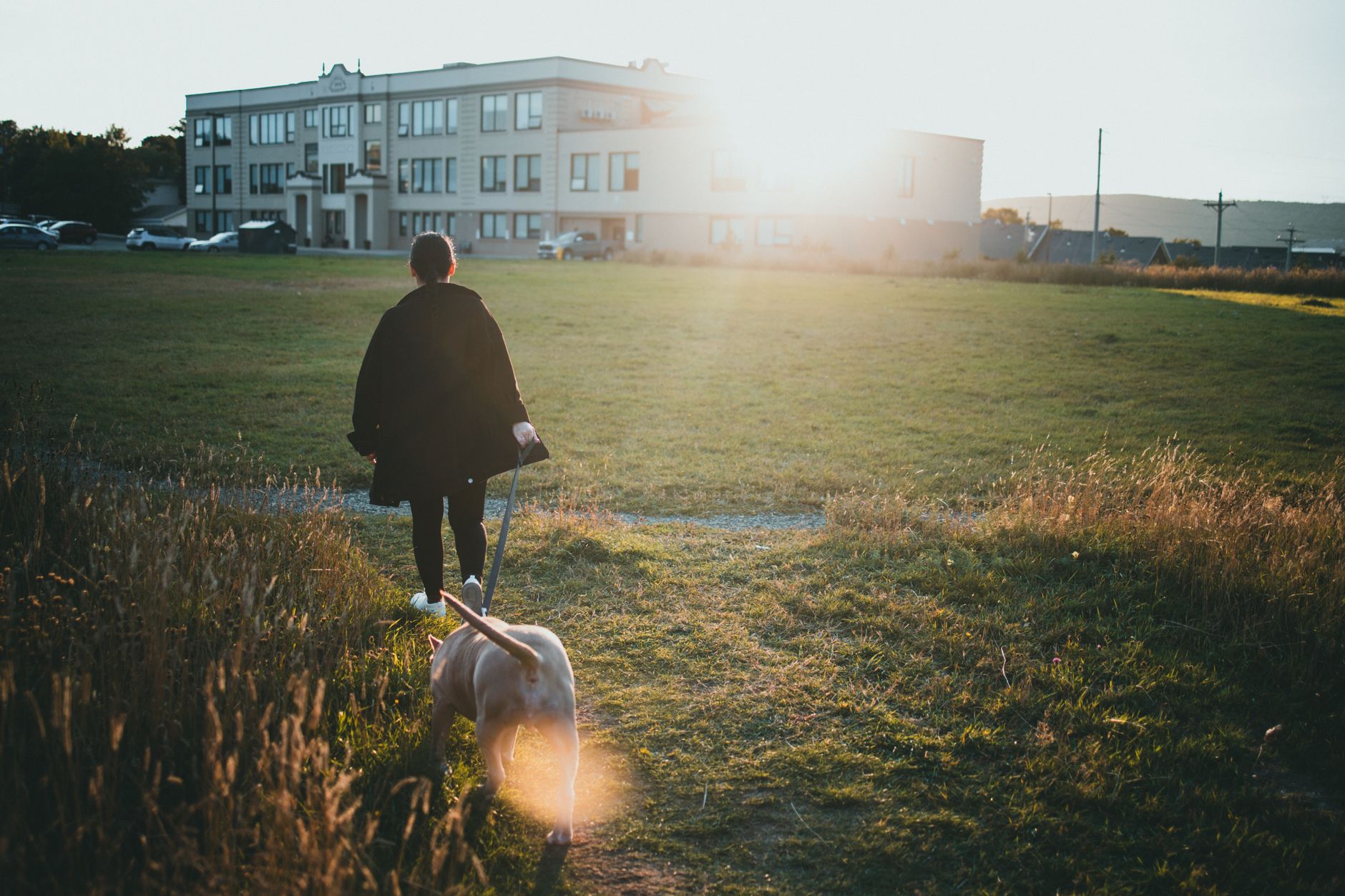
Grass offers several advantages as a walking surface for dogs:
- Lower Impact: Grass provides a softer surface, reducing stress on joints, especially beneficial for puppies, senior dogs, and breeds prone to joint issues like hip dysplasia.
- Cooler Temperature: On hot days, grass is generally cooler than pavement, reducing the risk of paw burns.
- Comfort: Many dogs simply find walking on grass more comfortable and enjoyable.
- Natural Scent Exploration: Grass provides a rich source of natural smells, stimulating a dog’s senses and providing mental enrichment.
The Advantages of Pavement Walking
While grass has its benefits, pavement offers distinct advantages:
- Natural Nail Trimming: Regular walks on pavement can help naturally wear down a dog’s nails, reducing the frequency of manual trimming.
- Urban Acclimation: Exposing dogs to pavement from a young age helps them become accustomed to walking in urban environments.
- Firm Footing: For some dogs, particularly those with mobility issues, pavement can provide more stable and predictable footing than uneven grass.
- Training Opportunities: Pavement provides a clear, defined surface for practicing leash manners and obedience training.
Risks Associated with Different Surfaces
Both grass and pavement present potential risks:
- Grass Risks:
- Parasites and Insects: Grass can harbor ticks, fleas, and other parasites.
- Pesticides and Herbicides: Treated lawns can expose dogs to harmful chemicals.
- Hidden Hazards: Sharp objects or holes can be hidden in tall grass.
- Allergens: Grass and pollen can trigger allergies in sensitive dogs.
- Pavement Risks:
- Heat: Pavement can become extremely hot in the sun, causing paw burns.
- Sharp Objects: Broken glass or debris can injure paws.
- Salt and Chemicals: De-icing salts and other chemicals can irritate paws.
- Impact: Hard surfaces increase the stress on joints.
The Importance of Paw Care
Regardless of the surface your dog walks on, paw care is essential.
- Regular Inspection: Check paws regularly for cuts, abrasions, or embedded objects.
- Cleaning: Clean paws after walks to remove dirt, debris, and potential irritants.
- Moisturizing: Apply paw balm to prevent dryness and cracking, especially in extreme weather conditions.
- Nail Trimming: Maintain proper nail length to prevent discomfort and injury.
Creating a Balanced Walking Routine
To maximize the benefits and minimize the risks, consider a balanced walking routine that incorporates both grass and pavement.
- Vary Terrain: Alternate between grass and pavement during walks.
- Time of Day: Avoid walking on hot pavement during peak sun hours.
- Monitor Your Dog: Pay attention to your dog’s body language and adjust the walk accordingly.
- Consider Dog Boots: Dog boots can provide protection from heat, cold, and sharp objects.
Breed Considerations
Certain breeds may benefit more from specific surfaces:
| Breed Category | Recommended Surface | Rationale |
|---|---|---|
| Small Breeds | Grass | Reduced impact on smaller joints; softer surface. |
| Large Breeds | Combination | Balance of joint protection and nail trimming. |
| Brachycephalic (e.g., Bulldogs) | Grass (cooler temperatures) | Sensitive to heat; grass offers cooler environment. |
| Senior Dogs | Grass | Reduced impact on aging joints. |
| Active Breeds (e.g., Border Collies) | Combination | Both scenting opportunities and endurance conditioning. |
Age Considerations
Puppies: Soft grass is gentler on developing joints. Senior Dogs: Grass reduces impact on arthritic joints.
Environmental Factors
Summer: Grass is cooler and reduces risk of paw burns. Winter: Avoid salted pavement or use paw protection.
Other Considerations
Dog’s health history: Existing joint problems may necessitate grass walks. Training goals: Pavement allows for structured training and socialization.

Frequently Asked Questions
Is walking on pavement bad for my dog’s joints?
While excessive walking on pavement can potentially exacerbate joint issues, especially in predisposed breeds or senior dogs, moderate pavement walking can be beneficial for nail trimming and acclimation. It’s important to monitor your dog for any signs of discomfort and adjust the walking surface accordingly.
How can I tell if the pavement is too hot for my dog’s paws?
A simple rule of thumb: if you can’t comfortably hold your hand on the pavement for five seconds, it’s too hot for your dog’s paws. Consider walking on grass or shaded areas during the hottest parts of the day.
Are dog boots necessary for walking on pavement?
Dog boots can be a valuable tool, especially in extreme weather conditions. They protect paws from hot pavement, ice, salt, and sharp objects. However, not all dogs tolerate boots well, so it’s important to introduce them gradually and ensure a proper fit.
What should I do if my dog gets a paw injury while walking?
If your dog sustains a paw injury, clean the wound thoroughly with antiseptic solution and apply a bandage. Consult a veterinarian if the injury is deep, bleeding profusely, or shows signs of infection.
How often should I walk my dog on pavement to maintain their nails?
The frequency depends on the individual dog and the type of pavement. Generally, 2-3 walks per week on abrasive surfaces can help maintain nail length. Monitor your dog’s nails regularly and supplement with manual trimming as needed.
Are there specific types of grass that are better or worse for dogs?
Generally, most natural grass types are suitable for dogs. However, avoid areas treated with pesticides or herbicides. Also, be mindful of grasses that may cause allergic reactions in sensitive dogs.
What are some alternatives to pavement for nail trimming?
Besides pavement, you can use a nail grinder or clippers to manually trim your dog’s nails. Consult a groomer or veterinarian for guidance on proper nail trimming techniques.
How do I protect my dog’s paws from salt and chemicals in the winter?
Wipe your dog’s paws with a damp cloth after walking on salted pavement. You can also apply paw balm or use dog boots to create a barrier. Avoid areas with excessive salt accumulation.
Is it better to walk a dog on grass or pavement if my dog has allergies?
If your dog has grass allergies, minimize walks on grass during peak pollen seasons. Opt for pavement or other surfaces and consider using allergy medication as prescribed by your veterinarian.
Should I avoid walking my dog on grass after it rains?
Walking on wet grass can increase the risk of parasite exposure and make it harder to spot potential hazards. Monitor your dog closely and clean their paws thoroughly after the walk.
How does walking on different surfaces affect my dog’s mental stimulation?
Different surfaces offer varying sensory experiences. Grass provides a rich source of natural smells, while pavement exposes dogs to diverse urban scents. Varying the walking surface keeps your dog mentally engaged and prevents boredom.
Is it better to walk a dog on grass or pavement when training leash manners?
Pavement can be ideal for training leash manners because it provides a clear and defined walking surface. However, grass can also be used as long as you choose a relatively even area. Ultimately, it’s best to incorporate both surfaces into your training routine to create a well-rounded and adaptable dog.