

Is Every Dog Scared of Thunder? Understanding Canine Noise Aversion
No, not every dog is scared of thunder. While noise aversion and, more specifically, fear of thunder, is a common issue in dogs, it’s not universal and varies greatly in severity and manifestation.
Introduction: The Rumbling Reality of Canine Thunder Phobia
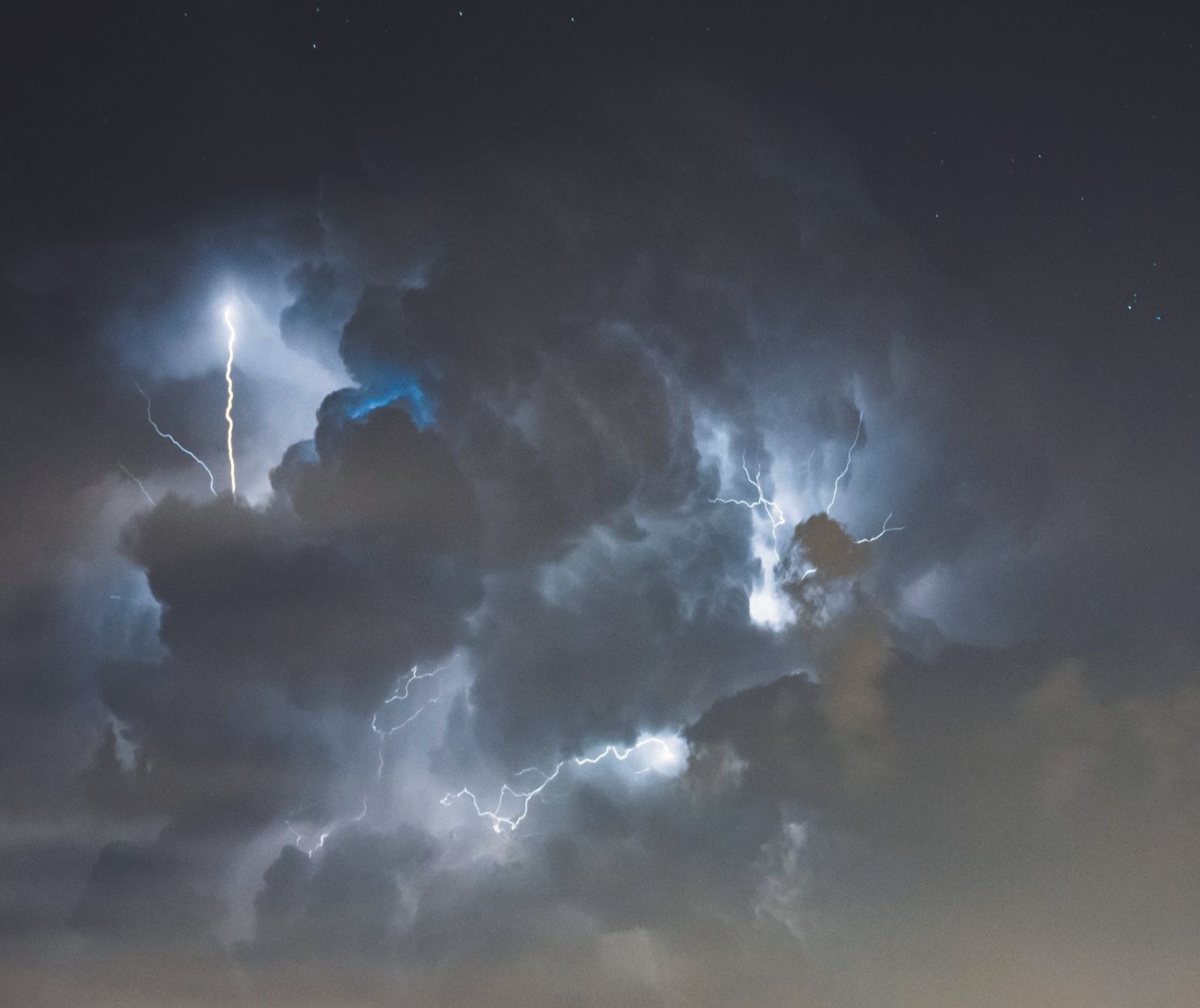
The dramatic flashes of lightning and earth-shattering booms of thunder that accompany a thunderstorm can be awe-inspiring for us humans. However, for many of our canine companions, these meteorological events are a source of intense fear and anxiety. Is every dog scared of thunder? Thankfully, the answer is no. However, understanding why some dogs experience this fear, the signs they exhibit, and what you can do to help is crucial for any dog owner. This article explores the complexities of canine noise aversion and provides practical advice for managing thunder phobia.
The Science Behind Canine Noise Aversion

Aversion to loud noises, including thunder, is linked to a combination of factors:
- Genetics: Some breeds may be predisposed to anxiety disorders, making them more susceptible to noise aversion.
- Learned Behavior: A dog’s early experiences during thunderstorms can shape their response. If a puppy experiences a frightening event during a storm, they might develop a phobia.
- Heightened Senses: Dogs possess significantly more acute hearing than humans. The amplified sound of thunder, coupled with static electricity buildup and changes in barometric pressure, can overwhelm their senses.
- Associated Triggers: Dogs might associate thunder with other stimuli, like wind, rain, and changes in light, causing them to become fearful even before the actual thunder begins.
Recognizing the Signs of Thunder Phobia
Identifying the signs of thunder phobia is the first step in providing support for your dog. Symptoms can range from mild anxiety to full-blown panic attacks. Common signs include:
- Panting and pacing
- Trembling or shaking
- Hiding (under furniture, in closets)
- Clinginess or excessive attention-seeking
- Whining or barking
- Destructive behavior (chewing, scratching)
- Loss of appetite
- Drooling
- Urination or defecation indoors (even if house-trained)
The intensity of these symptoms can vary depending on the severity of the phobia and the intensity of the thunderstorm.
Strategies for Managing Thunder Phobia
There’s no one-size-fits-all solution for managing thunder phobia, but a combination of strategies can help reduce your dog’s anxiety.
- Create a Safe Haven: Provide your dog with a comfortable, quiet space where they can retreat during thunderstorms. This could be a crate covered with a blanket, a basement room, or an interior closet.
- Desensitization and Counterconditioning: Gradually expose your dog to recordings of thunder at low volumes, pairing the sounds with positive reinforcement, such as treats or praise. Over time, you can slowly increase the volume as your dog becomes more comfortable. This process takes time and patience.
- Thundershirts and Anxiety Wraps: These pressure-applying garments can have a calming effect on some dogs by providing a sense of security.
- Pheromone Therapy: Dog-appeasing pheromones (DAP) are synthetic versions of a natural pheromone produced by female dogs while nursing. They can help reduce anxiety and promote a sense of well-being.
- Medication: In severe cases, your veterinarian may prescribe anti-anxiety medication to help manage your dog’s phobia. Medication should always be used in conjunction with behavioral therapy.
- Distraction Techniques: Engage your dog in a fun activity, such as playing fetch or working on a puzzle toy, to distract them from the storm.
- Maintain a Calm Demeanor: Your dog will pick up on your anxiety, so it’s important to remain calm and reassuring during a thunderstorm.
Common Mistakes to Avoid When Dealing with a Scared Dog
It’s tempting to shower a fearful dog with affection and reassurance, but this can inadvertently reinforce their anxiety.
- Don’t Punish Your Dog: Never punish your dog for exhibiting fear-related behaviors. This will only worsen their anxiety and damage your relationship.
- Avoid Excessive Reassurance: While it’s important to be supportive, excessive coddling can reinforce the idea that there’s something to be afraid of.
- Don’t Force Your Dog to Face Their Fear: Trying to force your dog to confront the thunderstorm will likely make them more fearful and resistant to future training.
- Ignoring the Problem: Hoping your dog will “grow out of” their fear is rarely effective. Early intervention is key to preventing the phobia from worsening.
Consulting with a Professional
If your dog’s thunder phobia is severe or significantly impacting their quality of life, consult with your veterinarian or a certified professional dog trainer. They can help you develop a personalized management plan that addresses your dog’s specific needs.

Frequently Asked Questions About Canine Fear of Thunder
Why are some dogs scared of thunder and others aren’t?
The reasons why some dogs develop a fear of thunder while others don’t are complex and multifaceted. Factors such as genetics, early experiences, sensitivity to sound, and learned associations all play a role. A dog’s individual temperament and overall anxiety levels can also influence their response to thunderstorms.
What is the best way to comfort my dog during a thunderstorm?
The best approach is to remain calm and provide a safe, comfortable space for your dog. Avoid excessive reassurance or coddling, as this can inadvertently reinforce their fear. Offer them a quiet, secure place to retreat to, and engage them in distracting activities if they’re receptive.
Are certain dog breeds more prone to thunder phobia?
While any dog can develop a fear of thunder, some breeds are thought to be more prone to anxiety disorders, which may increase their susceptibility. Herding breeds and sporting breeds are often cited as examples. However, individual temperament and early experiences are ultimately more important factors.
Is it possible to completely cure a dog’s fear of thunder?
While a complete “cure” may not always be possible, desensitization and counterconditioning can significantly reduce a dog’s anxiety and improve their coping skills. With patience and consistent training, many dogs can learn to tolerate thunderstorms with minimal distress.
What if my dog is destructive during thunderstorms?
Destructive behavior during thunderstorms is a common sign of anxiety. Ensure your dog’s safety by removing any potentially dangerous items from their reach. Consider providing a crate or other safe space where they can retreat, and consult with your veterinarian about medication options if the behavior is severe.
Can anxiety vests really help dogs with thunder phobia?
Anxiety vests, also known as Thundershirts, apply gentle, constant pressure to the dog’s torso, which can have a calming effect for some dogs. While not a guaranteed solution for all dogs, many owners report a noticeable reduction in anxiety levels when using these vests.
Is it cruel to leave my dog alone during a thunderstorm if they are scared?
Leaving a scared dog alone during a thunderstorm can be distressing for both you and your dog. If possible, provide them with a safe and comfortable space and consider enlisting the help of a friend or family member to stay with them. If that’s not possible, explore other options like daycare or boarding facilities that offer thunderstorm anxiety management programs.
What are some natural remedies for thunder phobia in dogs?
Several natural remedies are often suggested for managing anxiety in dogs, including herbal supplements like chamomile and valerian root, essential oils like lavender and chamomile, and CBD oil. Always consult with your veterinarian before using any natural remedies to ensure they are safe and appropriate for your dog.
How can I prevent my puppy from developing a fear of thunder?
Early socialization and positive reinforcement are key to preventing thunder phobia in puppies. Expose your puppy to a variety of sounds and experiences, including low-volume recordings of thunder, pairing them with positive rewards like treats and praise. This will help them learn that these sounds are nothing to be afraid of.
What are some signs that my dog’s fear of thunder is getting worse?
Signs that your dog’s fear of thunder is worsening include an increase in the intensity or frequency of their anxiety symptoms, such as panting, pacing, trembling, hiding, or destructive behavior. If you notice these changes, consult with your veterinarian or a certified professional dog trainer as soon as possible.
Can changes in barometric pressure affect my dog’s anxiety levels before a storm?
Yes, many dogs are sensitive to changes in barometric pressure, static electricity, and other environmental cues that precede a thunderstorm. This sensitivity can trigger anxiety even before the thunder begins, leading to early warning signs like restlessness, clinginess, or hiding.
When should I consider medication for my dog’s thunder phobia?
Medication should be considered when your dog’s thunder phobia is severe and significantly impacting their quality of life, especially when behavioral therapies are not providing adequate relief. Your veterinarian can assess your dog’s individual needs and prescribe the most appropriate medication, which should always be used in conjunction with behavioral management techniques.