
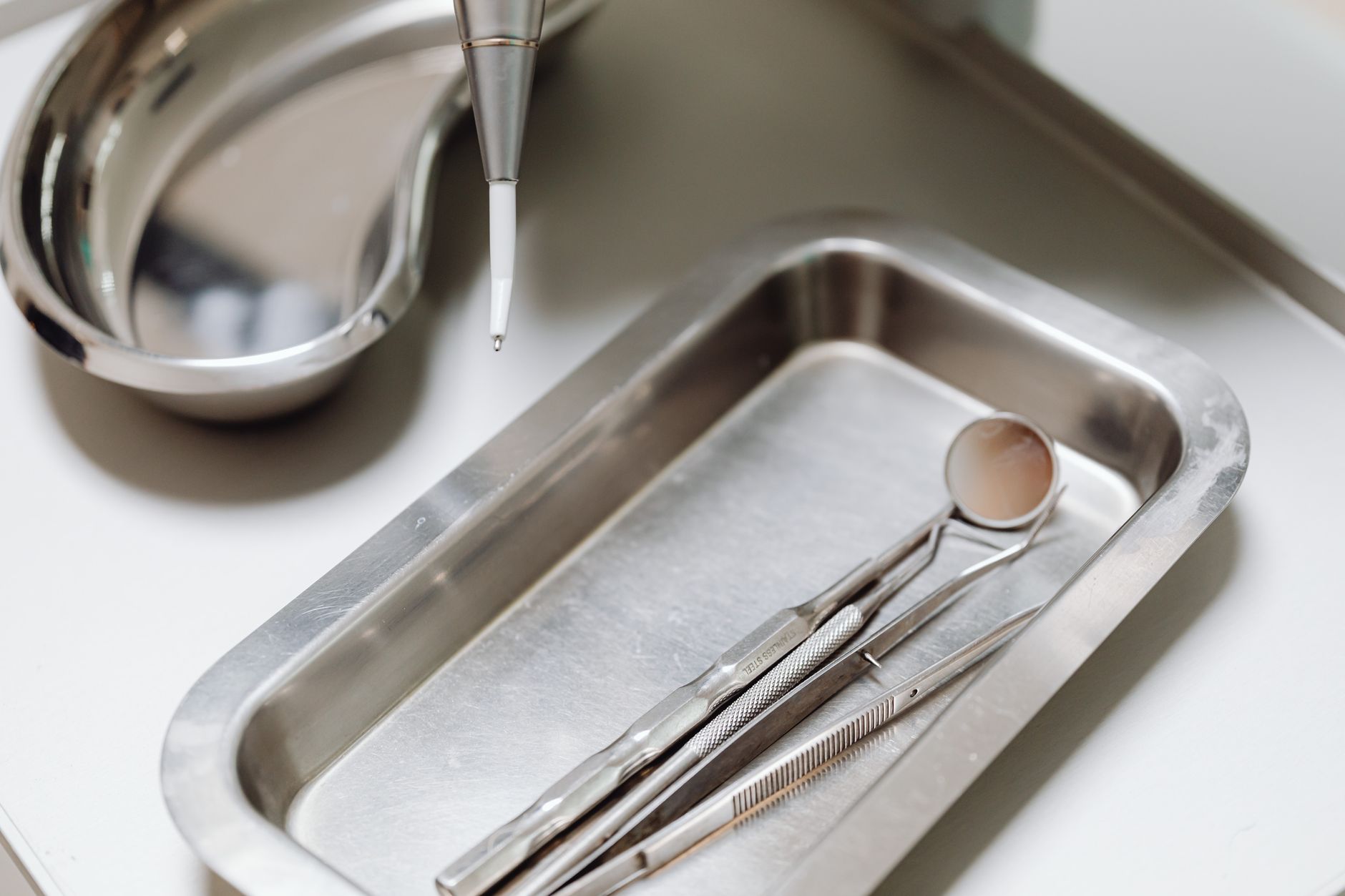
Is Dog Tooth Extraction Necessary? Understanding the Procedures, Benefits, and Considerations
Dog tooth extraction, if medically necessary, is often critical for alleviating pain, preventing systemic infections, and improving a dog’s quality of life. Delaying extraction when indicated can have serious consequences.

Dogs, much like humans, can suffer from a variety of dental problems. Sometimes, these problems progress to a point where simple treatments like cleaning or fillings are insufficient. In such cases, is dog tooth extraction necessary? The answer, while not always a simple ‘yes’ or ‘no’, leans towards necessity when extraction is the only viable solution to prevent further health complications. This article delves into the reasons, procedures, and considerations surrounding canine tooth extraction, offering a comprehensive guide for concerned pet owners.
Background: The Need for Canine Dental Care
Dental disease is incredibly common in dogs. Studies show that by the age of three, a significant percentage of dogs already exhibit signs of periodontal disease. This condition, if left untreated, can lead to pain, tooth loss, and even systemic health problems. Proper dental care, including regular check-ups and professional cleanings, is crucial in preventing these issues. But despite preventative measures, sometimes extraction becomes the best, or only, option.
Benefits of Dog Tooth Extraction

When faced with a severely damaged or diseased tooth, extraction offers several significant advantages:
- Pain Relief: A diseased tooth can cause constant pain and discomfort, significantly impacting a dog’s quality of life. Extraction eliminates this pain.
- Prevention of Infection: Infected teeth can spread bacteria into the bloodstream, potentially affecting vital organs like the heart, liver, and kidneys. Extraction removes the source of infection.
- Improved Appetite and Overall Health: Painful dental conditions can deter dogs from eating, leading to weight loss and malnutrition. Extraction can restore their appetite and improve their overall health.
- Elimination of Bad Breath: Dental disease is a major cause of bad breath in dogs. Extraction of problematic teeth can significantly improve their breath.
- Prevention of Further Damage: A broken or weakened tooth can damage surrounding teeth and gum tissue. Extraction prevents further damage.
The Dog Tooth Extraction Process: What to Expect
The process of extracting a dog’s tooth involves several steps, ensuring both safety and comfort for your pet:
- Anesthesia: General anesthesia is essential to ensure the dog doesn’t experience pain or anxiety during the procedure.
- Examination and X-rays: The veterinarian will thoroughly examine the mouth and take X-rays to assess the extent of the damage and the tooth’s root structure.
- Tooth Removal: The vet will carefully loosen the tooth and its roots from the surrounding bone and ligaments. In some cases, the tooth may need to be sectioned into smaller pieces for easier removal.
- Socket Cleaning and Closure: After the tooth is removed, the socket is thoroughly cleaned to remove any debris or infected tissue. The gums may then be sutured closed to promote healing.
- Post-Operative Care: Pain medication and antibiotics are typically prescribed to manage pain and prevent infection.
Common Reasons for Dog Tooth Extraction
Several conditions can necessitate tooth extraction in dogs:
- Severe Periodontal Disease: Advanced periodontal disease causes significant bone loss and tooth mobility, often making extraction the only viable option.
- Tooth Fractures: Fractured teeth can expose the pulp cavity, leading to infection and pain. If the fracture is severe, extraction may be necessary.
- Tooth Resorption: This condition causes the tooth structure to break down, leading to pain and eventual tooth loss. Extraction is often required.
- Retained Deciduous Teeth: Sometimes, puppy teeth fail to fall out properly, interfering with the eruption of permanent teeth. Extraction is needed to allow the adult teeth to erupt correctly.
- Oral Tumors: Tumors in the mouth can sometimes require the extraction of affected teeth as part of the treatment plan.
- Malocclusion: Severely misaligned teeth, if causing trauma or pain, can sometimes be extracted to alleviate the issue.
Potential Complications and Risks
While dog tooth extraction is generally safe, like any surgical procedure, it carries some potential risks:
- Bleeding: Some bleeding is normal after extraction, but excessive bleeding requires veterinary attention.
- Infection: Infection can occur despite antibiotic treatment.
- Pain: Pain is managed with medication, but some discomfort is to be expected.
- Damage to Surrounding Tissues: In rare cases, damage to nerves or other tissues can occur.
- Anesthetic Reactions: Anesthetic complications are possible, but rare with modern monitoring equipment and experienced veterinary staff.
- Dry Socket: Dry socket, a painful condition, can occur if the blood clot in the extraction site is dislodged.
Post-Extraction Care: Helping Your Dog Recover
Proper post-extraction care is crucial for a smooth recovery:
- Follow Veterinary Instructions: Administer all prescribed medications (pain relievers and antibiotics) as directed.
- Soft Food Diet: Feed your dog soft food for several days to avoid irritating the extraction site.
- Avoid Hard Toys and Chews: Prevent your dog from chewing on hard toys or bones that could damage the healing gums.
- Monitor for Complications: Watch for signs of infection, such as excessive swelling, redness, or discharge.
- Gentle Oral Hygiene: Gently clean the surrounding teeth with a soft toothbrush or gauze pad as instructed by your veterinarian.
- Follow-Up Appointments: Attend all scheduled follow-up appointments with your veterinarian to monitor healing.
Alternatives to Extraction
In some cases, alternatives to extraction may be possible. These include:
- Root Canal Therapy: This procedure can save a tooth by removing the infected pulp and filling the root canal.
- Crowns: Crowns can strengthen weakened teeth and protect them from further damage.
- Professional Dental Cleaning: Regular cleanings can prevent periodontal disease from progressing to the point where extraction is necessary.
However, these alternatives are not always suitable and depend on the severity of the dental problem, the dog’s overall health, and the owner’s financial resources.

Frequently Asked Questions (FAQs)
My dog seems fine, but the vet recommends extraction. Is dog tooth extraction necessary even if they don’t seem to be in pain?
Sometimes, dogs mask pain incredibly well. Even if your dog appears comfortable, underlying dental disease can be causing chronic pain and systemic inflammation. Your veterinarian’s recommendation for extraction is based on their professional assessment of the tooth’s condition, and is dog tooth extraction necessary to prevent further damage and improve overall health. Trust your vet’s expertise and discuss your concerns with them.
How long does it take for a dog to recover after a tooth extraction?
Most dogs start to feel better within a few days of the procedure. Complete healing typically takes 1-2 weeks. During this time, follow your veterinarian’s instructions carefully and provide a soft food diet to promote healing.
What are the signs that my dog needs a tooth extracted?
Common signs include bad breath, excessive drooling, pawing at the mouth, difficulty eating, bleeding gums, loose teeth, and visible signs of damage or decay. Consult your veterinarian if you notice any of these symptoms. Early detection is key to preventing more serious problems.
How much does a dog tooth extraction typically cost?
The cost of dog tooth extraction can vary depending on several factors, including the location of the tooth, the complexity of the extraction, and the geographic location of the veterinary clinic. Prices can range from a few hundred dollars to over a thousand dollars for more complicated cases. Get a detailed estimate from your veterinarian.
Will my dog be able to eat normally after a tooth extraction?
Yes, most dogs can eat normally after a tooth extraction, though they may need a temporary soft food diet. In fact, many dogs eat better after extraction because they are no longer experiencing pain.
Is it cruel to extract a dog’s tooth?
No, it is not cruel if the extraction is medically necessary to relieve pain, prevent infection, or improve the dog’s overall health. Leaving a diseased tooth untreated can cause far more suffering. Is dog tooth extraction necessary? Sometimes, yes.
What happens if I don’t get my dog’s tooth extracted when the vet recommends it?
Delaying necessary tooth extraction can lead to chronic pain, systemic infections, damage to surrounding teeth and bone, and a decreased quality of life for your dog. It can also result in more complicated and expensive treatment in the future.
How do I prevent my dog from needing tooth extractions?
Regular dental care is essential for preventing dental problems and reducing the likelihood of extractions. This includes daily tooth brushing, professional dental cleanings, and providing appropriate chew toys. Prevention is key!
Are there any long-term effects of dog tooth extraction?
In most cases, there are no significant long-term effects. Your dog may need some time to adjust to eating with fewer teeth, but they will adapt. Maintaining good oral hygiene for the remaining teeth is crucial. Discuss with your vet if any special care is necessary.
Can an extraction affect my dog’s personality?
While it might seem like a large change, extraction primarily provides pain relief. A dog who was previously guarded or irritable due to dental pain might actually become more relaxed and playful post-extraction, thanks to the removal of the source of discomfort.
How often should I bring my dog in for dental checkups?
Most veterinarians recommend dental checkups at least once a year, but some dogs may benefit from more frequent visits, especially if they have a history of dental problems.
Are some dog breeds more prone to needing tooth extractions than others?
Yes, smaller breeds, like toy poodles and Chihuahuas, are often more prone to dental problems, including periodontal disease, due to their smaller mouths and crowded teeth. This can, unfortunately, increase their risk of needing tooth extractions. Routine care is even more critical for these breeds.