

Is 7 Old for an Indoor Cat? A Deep Dive into Feline Aging
Is 7 old for an indoor cat? While not elderly, a 7-year-old indoor cat is entering their mature years and will benefit from tailored care to ensure continued health and happiness.

Understanding Feline Life Stages
Cats age differently than humans. The common “cat years” calculation (multiplying a cat’s age by seven) is a gross oversimplification. Felines mature rapidly in their first two years, followed by a more gradual aging process. To understand whether Is 7 old for an indoor cat?, we need to consider feline life stages.
- Kitten (0-6 months): Rapid growth and development.
- Junior (7 months – 2 years): Reaching physical and social maturity.
- Prime (3-6 years): Peak physical condition.
- Mature (7-10 years): The middle-aged years; metabolic changes begin.
- Senior (11-14 years): Slower metabolism, potential age-related health issues.
- Geriatric (15+ years): Advanced age, requiring significant care and monitoring.
Factors Influencing a Cat’s Lifespan
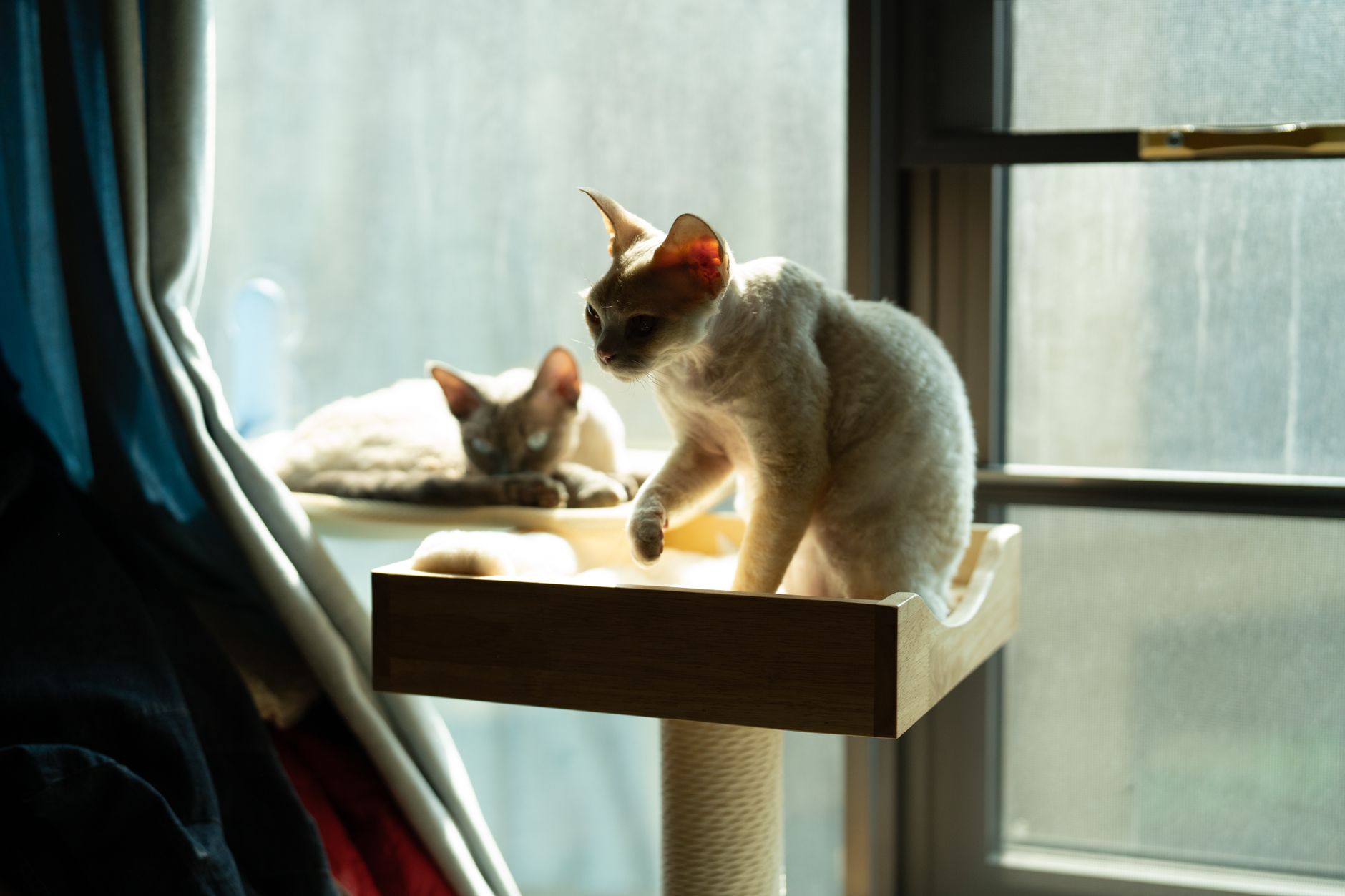
Several factors can impact how long a cat lives, influencing whether Is 7 old for an indoor cat?.
- Indoor vs. Outdoor Lifestyle: Indoor cats generally live longer due to reduced risks of accidents, fights, and exposure to diseases.
- Diet: A high-quality, balanced diet is crucial for overall health and longevity.
- Genetics: Some breeds are predisposed to certain health conditions that can shorten their lifespan.
- Veterinary Care: Regular checkups and preventative care can detect and manage health problems early.
- Environment: A safe and stimulating environment contributes to a cat’s well-being.
The Impact of Aging on Indoor Cats
As cats enter their mature and senior years, they undergo various physical and behavioral changes. These changes are important to understand when considering whether Is 7 old for an indoor cat?.
- Decreased Activity Levels: Cats may become less playful and sleep more.
- Reduced Appetite: Changes in taste and smell can affect their appetite.
- Dental Issues: Periodontal disease is common in older cats.
- Joint Pain (Arthritis): Reduced mobility and stiffness.
- Cognitive Dysfunction (Feline Dementia): Disorientation, memory loss, and behavioral changes.
- Increased Risk of Chronic Diseases: Kidney disease, diabetes, and hyperthyroidism are more prevalent in older cats.
Caring for a Mature Indoor Cat
Providing appropriate care is essential to ensure a comfortable and healthy life for your aging feline companion.
- Regular Veterinary Checkups: Schedule checkups at least twice a year to monitor their health and detect any problems early.
- Dietary Adjustments: Switch to a senior cat food formulated to meet their specific nutritional needs. Consider food that is easy to chew if dental problems are present.
- Maintain a Healthy Weight: Obesity can exacerbate age-related health issues.
- Provide Comfortable Resting Places: Offer soft, warm beds in quiet areas.
- Encourage Gentle Exercise: Short play sessions and interactive toys can help maintain mobility.
- Monitor Litter Box Habits: Changes in urination or defecation can indicate health problems.
- Mental Stimulation: Puzzle toys and interactive games can help keep their minds sharp.
- Be Patient and Understanding: Aging cats may require more patience and understanding due to cognitive decline or physical limitations.
Creating an Age-Friendly Environment
Modifying your home environment can make it easier for your mature cat to navigate and enjoy their surroundings.
- Lower Litter Boxes: Makes access easier for cats with joint pain.
- Ramps or Steps: Assist cats in reaching their favorite spots.
- Elevated Food and Water Bowls: Reduce strain on their neck and joints.
- Non-Slip Flooring: Prevents slips and falls.
- Warm and Draft-Free Areas: Provide comfortable resting places.
Recognizing Signs of Age-Related Health Problems
Early detection of health problems is crucial for managing them effectively. Be vigilant for the following signs:
- Changes in Appetite or Thirst: Significant increases or decreases.
- Weight Loss or Gain: Unexplained fluctuations in weight.
- Increased Urination or Defecation: Could indicate kidney disease or diabetes.
- Lethargy or Weakness: Reduced energy levels or difficulty moving.
- Stiffness or Lameness: Difficulty walking or jumping.
- Vomiting or Diarrhea: Persistent digestive issues.
- Changes in Behavior: Disorientation, confusion, or increased vocalization.
- Bad Breath or Excessive Drooling: Could indicate dental disease.
| Symptom | Possible Cause | Action |
|---|---|---|
| Increased Thirst | Kidney disease, diabetes | Veterinary checkup |
| Weight Loss | Hyperthyroidism, cancer | Veterinary checkup |
| Joint Stiffness | Arthritis | Veterinary consultation, pain management |
| Cognitive Decline | Feline cognitive dysfunction (dementia) | Veterinary consultation, environmental enrichment |

Frequently Asked Questions About Aging Indoor Cats
Is 7 old for an indoor cat when compared to outdoor cats?
While a 7-year-old cat is considered mature regardless of lifestyle, it’s generally less old than a 7-year-old outdoor cat in terms of wear and tear. Indoor cats face significantly fewer environmental hazards, contributing to their overall health and longevity.
What kind of food should I feed my 7-year-old indoor cat?
A 7-year-old indoor cat should be fed a high-quality cat food that is formulated for mature or senior cats. These formulas often contain lower calorie counts to prevent weight gain, as well as added nutrients like glucosamine and chondroitin to support joint health.
How often should I take my 7-year-old indoor cat to the vet?
At this stage, annual checkups are typically sufficient unless your vet recommends otherwise. However, starting at age seven, it’s wise to consider bi-annual checkups to monitor for any age-related health issues.
Are there specific toys that are better for older indoor cats?
Yes! Look for toys that encourage gentle exercise and mental stimulation. Puzzle toys that dispense treats, slow-moving laser pointers, and soft plush toys are all good options. Avoid toys that require excessive jumping or running if your cat has joint problems.
How can I help my 7-year-old indoor cat maintain a healthy weight?
Monitor your cat’s food intake and adjust portions as needed. Encourage regular play sessions and consider using a food puzzle to make mealtime more engaging. Avoiding excessive treats can also help.
Is it normal for my 7-year-old indoor cat to sleep more?
Yes, it’s normal for older cats to sleep more. As cats age, their metabolism slows down and they become less active. Provide them with comfortable and warm places to rest.
My 7-year-old indoor cat is losing teeth. Is this a cause for concern?
Tooth loss at this age is usually a sign of dental disease. Schedule a veterinary appointment to assess your cat’s dental health and discuss treatment options, which may include a dental cleaning.
How can I tell if my 7-year-old indoor cat is in pain?
Signs of pain in cats can be subtle. Look for changes in behavior, such as hiding more, decreased appetite, reluctance to jump, or aggression when touched. Consult with your veterinarian if you suspect your cat is in pain.
My 7-year-old indoor cat seems to be losing their memory. Is this possible?
Yes, feline cognitive dysfunction (FCD), similar to Alzheimer’s disease in humans, is possible. Symptoms include disorientation, confusion, and changes in sleep patterns. Consult with your veterinarian for diagnosis and management options.
Can I still introduce a new cat to my 7-year-old indoor cat?
It’s possible, but introduction requires careful management. Older cats may be less tolerant of new companions. Introduce them gradually, provide separate resources, and monitor their interactions closely. Consider personality matching when selecting a new cat.
What vaccinations are important for a 7-year-old indoor cat?
Even indoor cats need vaccinations. Consult your veterinarian to determine the appropriate vaccination schedule, which may include rabies, feline distemper, and feline leukemia (depending on risk factors).
Is it too late to start training my 7-year-old indoor cat?
Not at all! You can train a cat at any age. Focus on positive reinforcement methods, such as using treats or praise. Training can provide mental stimulation and strengthen the bond between you and your cat.