

How Soft Is Penguin Fur? Decoding the Feathery Secret
Penguin fur, despite its name, isn’t actually fur; it’s a remarkably dense and specialized system of feathers. While not velvety soft like a chinchilla’s coat, penguin plumage provides exceptional insulation and waterproofing, offering a unique firm softness distinct from typical bird feathers.

The Penguin Paradox: Feather or Fur?
The question of whether penguins have fur is a common misconception. Unlike mammals, penguins are birds, and therefore possess feathers. However, their feather structure is so unique and densely packed that it creates an effect that can be interpreted as a type of soft, insulated covering. Understanding this requires a closer look at penguin anatomy. The perception of “how soft is penguin fur?” is directly related to the density and structure of their feathers.
Penguin Feather Fundamentals
Penguin feathers are not the same as the flight feathers of other birds. They serve a completely different purpose: insulation and waterproofing in frigid marine environments. The unique characteristics of penguin feathers include:
- Density: Penguin feathers are incredibly dense, far more so than the feathers of flying birds. They can have up to 100 feathers per square inch.
- Downy Underlayer: Beneath the outer layer of contour feathers is a layer of soft, fluffy down feathers that trap air, providing insulation.
- Barbules and Hooklets: Contour feathers have interlocking barbules that create a waterproof barrier. Tiny hooklets on the barbules grip onto each other, keeping the feathers tightly aligned.
- Oiling: Penguins preen constantly, spreading oil produced by their preen gland (uropygial gland) over their feathers. This oil provides an additional layer of waterproofing.
Insulation: The Primary Function
The primary function of penguin feathers is to provide insulation against the extreme cold of their environments. The downy underlayer traps air, which is then warmed by the penguin’s body heat. This layer of warm air acts as a buffer against the icy water and air temperatures. The density of the feathers and the interlocking structure further reduce heat loss. This exceptional insulation is vital for survival. This dense structure also impacts “how soft is penguin fur?“
Waterproofing: Keeping Dry and Warm
Waterproofing is equally crucial for penguins. The interlocking barbules and the application of oil create a barrier that prevents water from penetrating the feathers and reaching the skin. This prevents the penguin from becoming waterlogged and losing body heat. Without effective waterproofing, penguins would quickly succumb to hypothermia. The effectiveness of waterproofing is a critical feature distinct to penguin feathers.
Comparing Penguin Feathers to Other Birds and Fur
To truly understand “how soft is penguin fur?” and its unique attributes, it’s helpful to compare it to the feathers of other birds and the fur of mammals.
| Feature | Penguin Feathers | Other Bird Feathers | Mammal Fur |
|---|---|---|---|
| Density | Very High | Moderate to Low | Moderate to High |
| Insulation | Excellent | Moderate | Good to Excellent |
| Waterproofing | Excellent | Moderate to Good | Limited |
| Softness | Firm, dense | Variable | Variable |
| Primary Role | Insulation, Waterproofing | Flight, Display | Insulation, Sensory |
As this table shows, while penguin feathers may not be as plush as some mammal furs, their density and specialized structure offer superior insulation and waterproofing capabilities. This unique function greatly influences the perception of softness.
The Preening Process: Maintaining Feather Integrity
Preening is a vital behavior for penguins. It involves using their beaks to meticulously clean and align their feathers. This process removes dirt, parasites, and excess oil, ensuring the feathers remain in optimal condition for insulation and waterproofing. Regular preening is essential for maintaining the integrity of the feather structure.
Common Misconceptions About Penguin Feathers
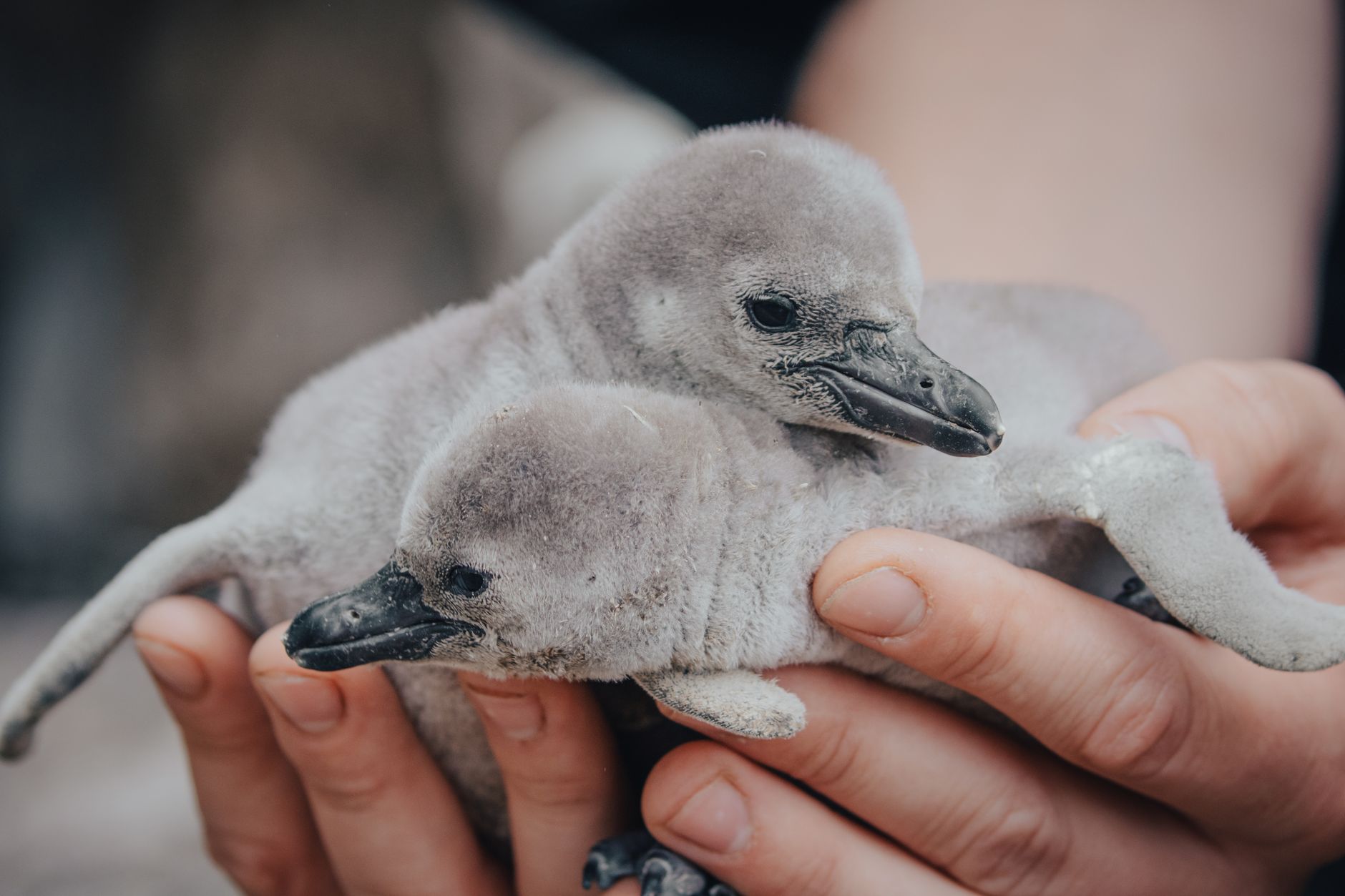
A common misconception is that penguins only have one type of feather. In fact, they have different types of feathers for different purposes, even though they are primarily known for their insulation. Furthermore, many people believe that baby penguins are born with downy fur, however, this is not fur but juvenile feathers that are eventually replaced by adult feathers.

Frequently Asked Questions
Are penguin feathers actually soft like fur?
No, penguin feathers are not fluffy soft in the same way as rabbit fur or chinchilla fur. They are denser and firmer, providing a more substantial feel. However, the downy underlayer can feel soft when touched directly.
Why do penguins need such dense feathers?
Penguins live in extremely cold environments, and their feathers provide crucial insulation against the icy temperatures. The density of the feathers traps air, which is warmed by the penguin’s body heat, keeping them warm and dry.
How do penguin feathers keep them waterproof?
Penguin feathers have interlocking barbules and are coated with oil from the preen gland. This combination creates a waterproof barrier that prevents water from reaching the skin and causing hypothermia.
Do all penguins have the same type of feathers?
While the basic structure is the same, there are slight variations in feather density and structure depending on the penguin species and the specific environment in which they live. For example, penguins in colder regions might have denser down layers.
What happens if a penguin’s feathers get damaged?
Damaged feathers can compromise the penguin’s insulation and waterproofing, making them vulnerable to hypothermia. This is why preening is such an important activity, helping penguins keep their feathers in optimal condition.
How often do penguins molt their feathers?
Penguins undergo a catastrophic molt once a year, where they shed all of their feathers at once and grow new ones. During this period, they are unable to enter the water and must rely on stored fat reserves.
Can penguins survive in cold climates without their feathers?
No, penguins cannot survive in cold climates without their feathers. Their feathers are essential for insulation and waterproofing, without which they would quickly succumb to hypothermia.
How does penguin plumage compare to the down of other birds?
Penguin down is significantly denser than the down of most other birds. This increased density provides superior insulation, allowing penguins to survive in extreme cold.
Do baby penguins have the same type of feathers as adults?
Baby penguins are born with fluffy downy feathers that provide insulation but are not waterproof. These juvenile feathers are gradually replaced by the waterproof contour feathers of adults.
What is the role of the preen gland in feather maintenance?
The preen gland (uropygial gland) produces an oily substance that penguins spread over their feathers. This oil helps to waterproof the feathers and keep them supple.
How does oil pollution affect penguin feathers?
Oil pollution can severely damage penguin feathers, disrupting their ability to interlock and creating the loss of the natural oil. This compromises their insulation and waterproofing, leading to hypothermia and death.
How does climate change affect penguin feathers and survival?
Climate change can impact penguin survival in various ways. Changes in sea ice extent can affect their access to food and breeding grounds. In addition, the stress of changing environmental conditions can impact the quality of their feathers and their ability to stay warm and dry.