
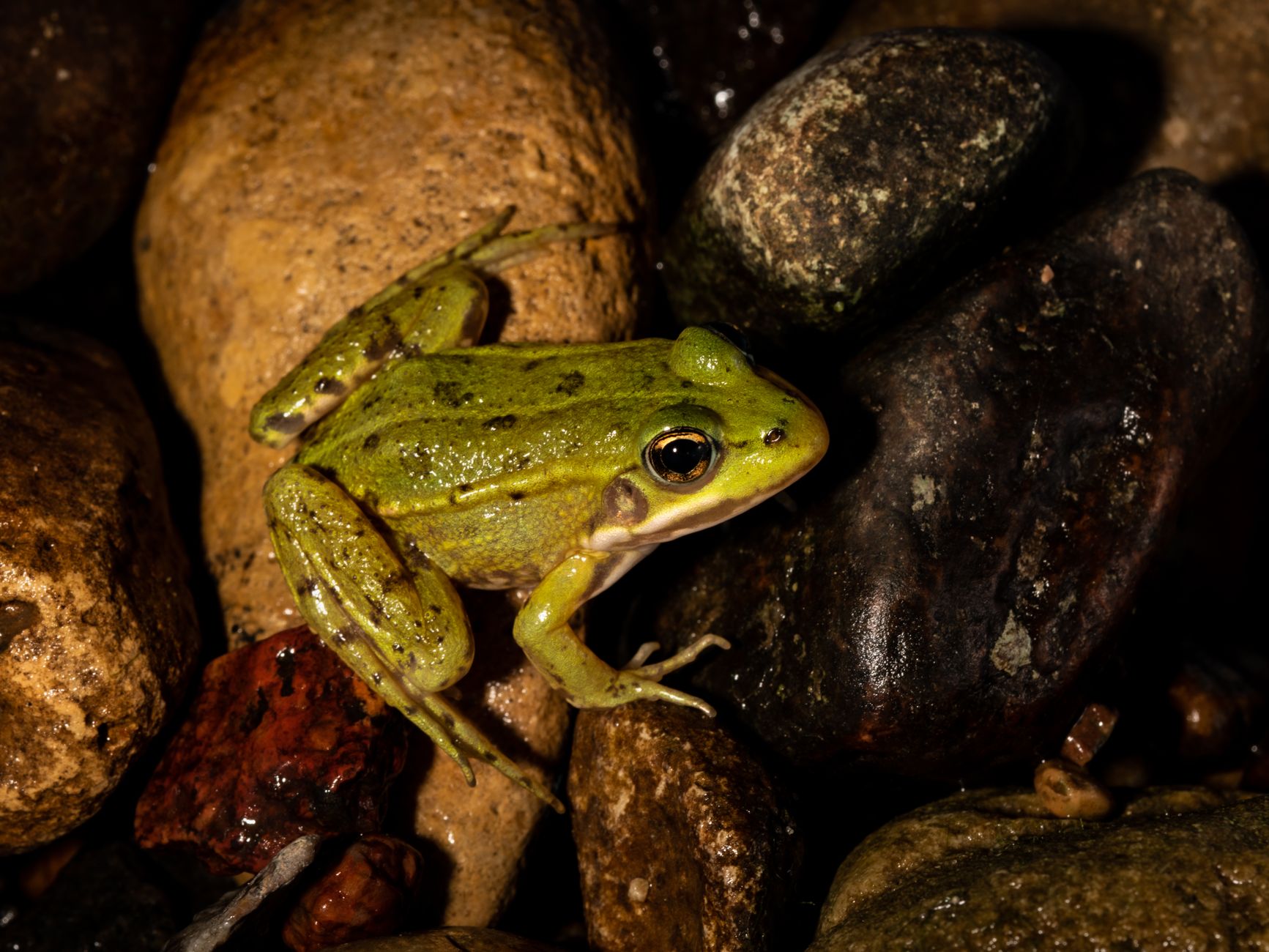
How Small Can a Frog Pond Be? Understanding the Limits of Amphibian Habitats
The answer to How small can a frog pond be? varies greatly, but practically, a frog pond can be surprisingly small. Some frog species can thrive in ponds as small as a few square feet if the conditions are right, including suitable depth, plant life, and protection from predators and excessive temperature fluctuations.

Introduction to Frog Ponds and Their Importance
Frog ponds, even small ones, play a vital role in supporting amphibian populations. These amphibians, in turn, are crucial to the health of ecosystems, acting as both predators of insects and prey for larger animals. Creating or maintaining even a tiny frog pond can make a significant contribution to local biodiversity. Understanding the factors that influence a pond’s suitability for frogs is essential before embarking on its creation or management.
The Critical Factors Determining Pond Size

While the question “How small can a frog pond be?” has a theoretical minimum (a puddle!), the real answer depends on a complex interplay of factors. These factors affect whether a small pond can actually sustain a frog population over time.
-
Water Depth: Even shallow ponds need areas deep enough to prevent complete freezing in winter. A depth of at least 2-3 feet in some areas is ideal in colder climates. In warmer climates, a foot or more may be sufficient.
-
Surface Area: Surface area directly impacts oxygen levels and the pond’s ability to support algae and other essential food sources. The larger the surface area, the better the pond can buffer temperature fluctuations and maintain stable water quality.
-
Plant Life: Aquatic plants provide shelter from predators, a substrate for laying eggs, and oxygenate the water. A variety of plants, both submerged and emergent, is best.
-
Sunlight: Some sunlight is necessary for plant growth, but too much can lead to algae blooms and overheating. Aim for a balance of sun and shade.
-
Water Quality: Frogs are sensitive to pollutants. Avoid using chemicals near the pond and ensure runoff is minimized. Tap water should be dechlorinated before adding it to the pond.
-
Predator Presence: The presence of predators, such as fish, ducks, herons, or even domestic cats, can drastically reduce frog populations, especially tadpoles. A very small pond offers little refuge.
Ideal Components of a Mini Frog Habitat
To create a successful mini frog pond, consider incorporating these components:
- Liner: A pond liner (flexible or pre-formed) is crucial for water retention.
- Rocks and Logs: These provide basking spots and shelter.
- Aquatic Plants: Oxygenating plants, floating plants, and marginal plants are all beneficial.
- Gravel Substrate: Provides a surface for beneficial bacteria to colonize.
- Sloping Sides: Allow easy entry and exit for frogs and other wildlife.
Minimizing Risks in Smaller Ponds
Small ponds are inherently more vulnerable to environmental fluctuations and predation. To mitigate these risks:
- Provide ample hiding places: Use rocks, logs, and dense vegetation.
- Monitor water quality regularly: Check for pH, ammonia, and nitrate levels.
- Provide shade: Plant trees or shrubs nearby to reduce overheating.
- Supplement water levels during dry periods: Use dechlorinated water.
- Consider a pump and filter (optional): This can improve water quality, especially in heavily stocked ponds.
Comparison of Pond Sizes and Their Suitability
| Pond Size (Approx.) | Advantages | Disadvantages | Suitable Frog Species (Examples) |
|---|---|---|---|
| 2 x 2 feet | Easy to create and maintain, requires minimal space. | Highly susceptible to fluctuations, limited capacity, high predation risk. | American Toad tadpoles (difficult to sustain), temporary habitat for some species. |
| 4 x 4 feet | More stable than smaller ponds, better for plant life. | Still relatively small, limited capacity, predation risk remains. | Spring Peepers, Green Frogs (with careful management). |
| 6 x 6 feet or larger | More stable, larger capacity, better habitat for diverse species. | Requires more space and resources to create and maintain. | Pickerel Frogs, Bullfrogs (may outcompete other species). |
How small can a frog pond be? And what species of frog do best in these smaller habitats?
While the absolute smallest frog pond might only hold a couple of gallons, this is only enough for tadpoles to briefly develop under ideal conditions. For sustaining breeding populations, Spring Peepers, Gray Treefrogs, and Green Frogs, some of the smaller species, are often the best suited to smaller ponds.

Frequently Asked Questions (FAQs)
How deep should a frog pond be?
The ideal depth depends on your climate. In areas with freezing winters, at least 2-3 feet of depth is needed to allow frogs to overwinter. In warmer climates, 1-2 feet may be sufficient. Shallower areas (a few inches) are also important for egg laying and tadpole development.
What kind of plants should I put in my frog pond?
A mix of submerged, floating, and emergent plants is ideal. Submerged plants oxygenate the water. Floating plants provide shade and hiding places. Emergent plants provide a place for frogs to climb and lay eggs. Examples include water lilies, water hyacinth (if your climate permits and you can control its spread), elodea, and cattails.
Do I need a pump and filter for a small frog pond?
While not always necessary, a pump and filter can help maintain water quality, especially in smaller ponds that are more susceptible to algae blooms and pollution. Choose a pump and filter designed for ponds and consider the size of your pond when selecting the appropriate equipment.
Will mosquitoes be a problem in my frog pond?
Frogs and tadpoles are natural predators of mosquito larvae, so a healthy frog pond can actually reduce mosquito populations. However, if the pond is stagnant or lacks predators, mosquitoes may breed. Encourage frogs by providing shelter and ensuring good water quality.
How do I attract frogs to my new pond?
Patience is key! Provide the right habitat: water, shelter, and food. Avoid using pesticides or herbicides near the pond. If possible, connect your pond to a natural water source. Frogs will eventually find it. Adding frog-friendly plants can also help.
What if my pond gets too hot in the summer?
Excessive heat can be detrimental to frogs. Provide shade by planting trees or shrubs nearby. You can also use floating plants to cover a portion of the pond’s surface. Adding cooler water gradually can also help.
How do I protect my frog pond from predators?
Protecting frogs from predators can be challenging. Provide plenty of hiding places like rocks, logs, and dense vegetation. Netting can be used to cover the pond, especially during breeding season. Consider fencing around the pond to deter larger predators like herons or raccoons.
How do I keep my frog pond from freezing solid in the winter?
In colder climates, ensure the pond has a deep area (at least 2-3 feet) that won’t freeze completely. You can also use a pond de-icer to keep a small area of the surface open for gas exchange. Avoid breaking the ice, as this can stress hibernating frogs.
Can I put fish in my frog pond?
Generally, avoid adding fish to a frog pond, as they can prey on tadpoles and compete with frogs for food. Goldfish, in particular, are voracious predators. If you do choose to add fish, select small, native species that are less likely to harm frogs.
How often should I clean my frog pond?
Regular maintenance is important. Remove debris and excess algae as needed. A complete cleaning should only be done every few years, as it disrupts the pond’s ecosystem. Spring is generally the best time for a thorough cleaning.
What if my neighbors complain about the noise from the frogs?
This can be a delicate situation. Try to educate your neighbors about the benefits of frogs and their role in the ecosystem. Planting dense vegetation around the pond can help muffle the sound. You might also consider limiting the size of your frog population by removing some eggs or tadpoles.
How small can a frog pond be? And will it thrive on its own?
To reiterate, How small can a frog pond be? depends on management, but a 2×2 foot pond can be effective if you are dilligent about it. For a pond to truly thrive, it requires regular maintenance and active management, but with careful planning and attention, even the smallest frog pond can be a valuable haven for amphibians.