
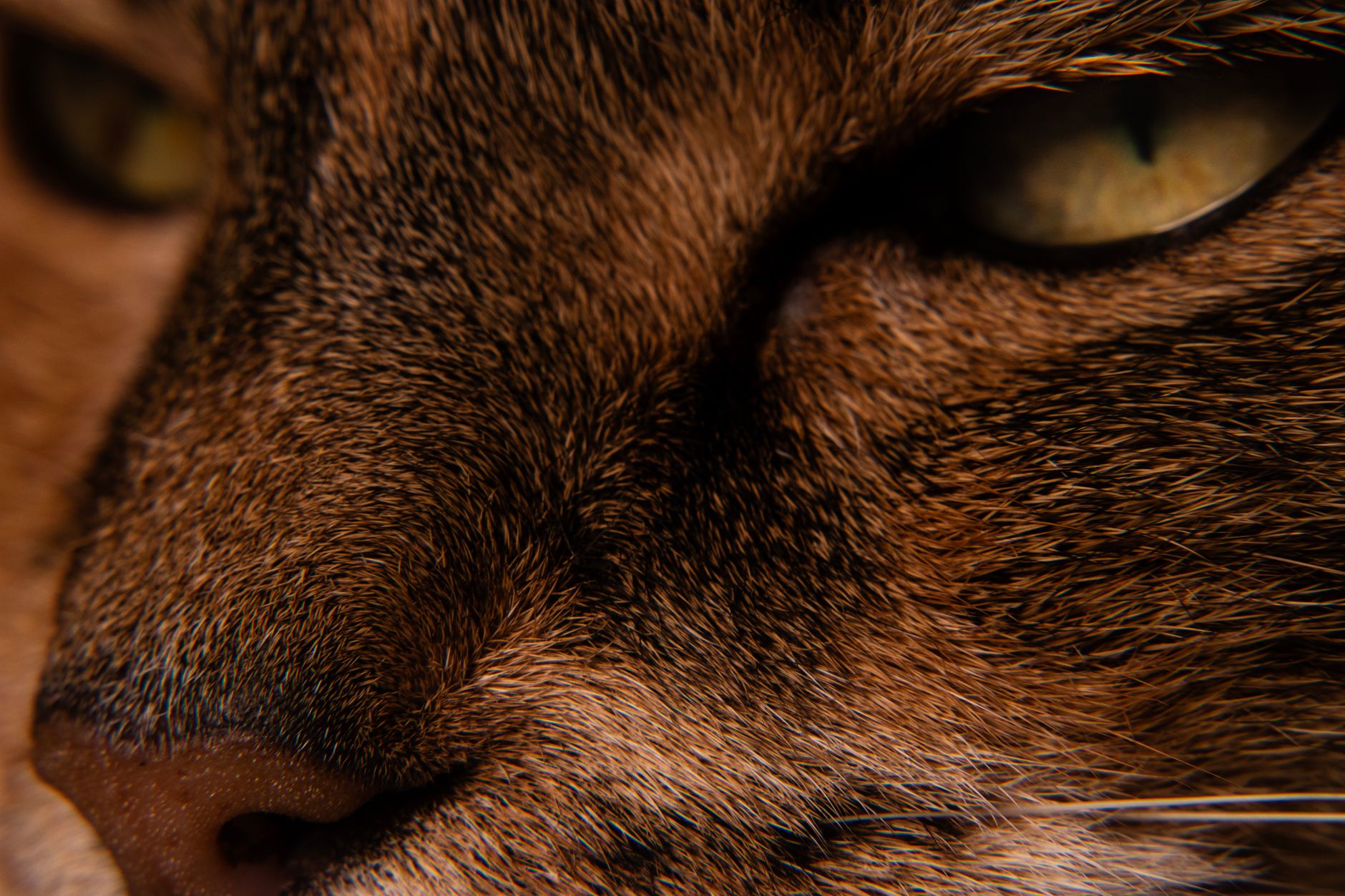
How Should a Cat’s Nose Feel? Unraveling the Mysteries of Feline Noses
A healthy cat’s nose can feel cool and moist to the touch, but how should a cat’s nose feel? isn’t quite that simple; temperature and moisture vary naturally, and neither alone is a definitive indicator of health.

Understanding the Cat’s Nose: A Sensory Hub
The feline nose is far more than just a cute facial feature; it’s a sophisticated sensory organ crucial for a cat’s survival and interaction with the world. Cats possess a sense of smell far superior to humans, allowing them to detect subtle changes in their environment, identify prey, and even recognize other cats. The sensitive nerve endings within the nose and the vomeronasal organ (Jacobson’s organ), located in the roof of the mouth, work in tandem to provide a wealth of information.
Factors Affecting Nasal Temperature and Moisture

How should a cat’s nose feel? The answer is multifaceted because several factors can influence the temperature and moisture level of a cat’s nose:
- Environmental Conditions: Just like humans, a cat’s nose will reflect the surrounding temperature. A warm environment can result in a drier nose, while a cool environment can lead to a cooler, possibly moist, nose.
- Activity Level: Following periods of activity, a cat’s body temperature may rise, leading to a warmer, drier nose. Conversely, after resting or sleeping, their nose might feel cooler.
- Hydration Status: Dehydration can manifest as a dry nose. Ensuring your cat has access to fresh, clean water is essential.
- Age: Kittens, particularly newborns, may have a slightly drier nose compared to adult cats.
- Breed: Some breeds, due to their facial structure, might naturally have a slightly drier or more moist nose than others.
Differentiating Normal Variation from Cause for Concern
While fluctuations in temperature and moisture are normal, certain changes should prompt closer observation and potentially a vet visit. These include:
- Persistent dryness accompanied by other symptoms: If a dry nose is paired with lethargy, loss of appetite, sneezing, coughing, nasal discharge, or changes in behavior, it could indicate an underlying health issue.
- Crusting or cracking: This can signify skin irritation, infection, or even certain autoimmune conditions.
- Excessive moisture or discharge: A constantly dripping nose, especially with colored discharge (yellow, green, or bloody), warrants veterinary attention.
- Swelling or pain: Any noticeable swelling or if your cat flinches or avoids having their nose touched should be evaluated by a vet.
Beyond Temperature: Observing Other Signs
Don’t rely solely on the feel of the nose. A thorough assessment includes observing the following:
- Nasal discharge: Note the color, consistency, and amount of any discharge. Clear, watery discharge is less concerning than thick, colored discharge.
- Breathing: Observe your cat’s breathing. Is it labored, rapid, or noisy?
- Behavior: Is your cat acting normally, or are they lethargic, irritable, or hiding?
- Appetite: Has your cat’s appetite changed recently?
- Sneezing or coughing: Are they sneezing or coughing more frequently than usual?
The Vomeronasal Organ and Flehmen Response
The vomeronasal organ, also known as Jacobson’s organ, is a fascinating part of a cat’s olfactory system. It allows them to detect pheromones and other scents through a specialized duct located in the roof of their mouth. When a cat uses this organ, they often exhibit the Flehmen response, characterized by an open mouth, curled upper lip, and slightly wrinkled nose. This is a completely normal behavior and allows the cat to better “taste” the scent molecules.
Maintaining a Healthy Feline Nose
Proactive care can contribute to a healthy feline nose:
- Hydration: Ensure constant access to fresh, clean water.
- Environment: Keep the environment clean and free from irritants like dust, smoke, and strong perfumes.
- Nutrition: Provide a balanced and nutritious diet to support overall health.
- Regular veterinary checkups: Routine checkups allow your vet to identify potential problems early.

Frequently Asked Questions
Why is my cat’s nose sometimes wet and sometimes dry?
A cat’s nose fluctuates between wet and dry due to various factors like environmental humidity, activity levels, and grooming habits. The mucous glands in the nose naturally produce moisture, but this can evaporate quickly, especially in warm or dry environments. This fluctuation is generally normal.
Is a warm, dry nose always a sign of illness?
No, a warm, dry nose is not always a sign of illness. As mentioned earlier, several factors can influence nasal temperature and moisture. Context is key. A warm, dry nose in combination with other symptoms is more concerning.
My cat’s nose is pale. What does that mean?
A pale nose, along with pale gums and tongue, can indicate anemia or other circulatory problems. This is a serious sign and requires immediate veterinary attention.
What does it mean if my cat’s nose is running?
A runny nose can be caused by a variety of factors, including allergies, upper respiratory infections, or even foreign objects in the nasal passages. Observe the color and consistency of the discharge and consult your vet if it persists or is accompanied by other symptoms.
Can sunburn affect a cat’s nose?
Yes, cats with light-colored noses are susceptible to sunburn, especially if they spend a lot of time outdoors. Sunburn can cause redness, peeling, and even skin cancer in severe cases. Use pet-safe sunscreen on the nose and ears of at-risk cats.
How can I tell if my cat is dehydrated?
Besides a dry nose, other signs of dehydration include lethargy, sunken eyes, and decreased skin elasticity (when you gently pinch and release the skin on the back of their neck, it should snap back quickly).
What is “kitty cold,” and does it affect the nose?
“Kitty cold” refers to upper respiratory infections in cats, often caused by viruses. These infections can cause sneezing, nasal congestion, runny nose, and watery eyes. Veterinary treatment may be necessary.
Is it okay to put petroleum jelly on my cat’s dry nose?
While petroleum jelly is generally considered safe, it’s not the best solution for a dry nose. A better option is a vet-approved moisturizing balm specifically formulated for pets. Avoid using human products with potentially harmful ingredients.
How often should I clean my cat’s nose?
Generally, cats are meticulous groomers and don’t require regular nose cleaning. However, if you notice crusting or debris, you can gently wipe the nose with a soft, damp cloth.
My cat has a black spot on their nose. Is this normal?
Small, black spots on a cat’s nose can be lentigo simplex, also known as “cat freckles.” These are harmless and typically appear as cats age. However, any raised, changing, or concerning spots should be checked by a vet to rule out skin cancer.
Can allergies cause a cat’s nose to feel different?
Yes, allergies can cause a cat’s nose to become inflamed and irritated, leading to sneezing, runny nose, and a change in the normal feel of the nose. Identifying and managing the allergen is crucial.
How should a cat’s nose feel when they have a polyp?
Nasal polyps can cause a variety of symptoms, including noisy breathing, nasal discharge, and facial distortion. The nose itself might feel obstructed or asymmetrical to the touch. Diagnosis requires veterinary examination and potentially imaging.