

How Old Was the Longest Living Octopus?: Unraveling the Mysteries of Cephalopod Longevity
The maximum verified age of the longest living octopus is believed to be around five years, achieved by certain species like the Giant Pacific Octopus.

Introduction: The Enigmatic Lifespan of Octopuses
Octopuses, with their remarkable intelligence, camouflage abilities, and complex behaviors, have captivated scientists and the public alike. While much is known about their fascinating lives, the relatively short lifespan of these creatures remains a point of scientific curiosity. While anecdotal evidence and claims sometimes surface, verified records pinpoint specific species as reigning champions in cephalopod longevity. This article delves into the factors affecting octopus lifespan, explores the evidence surrounding the longest living octopus, and addresses frequently asked questions about these captivating marine invertebrates.
Factors Affecting Octopus Lifespan
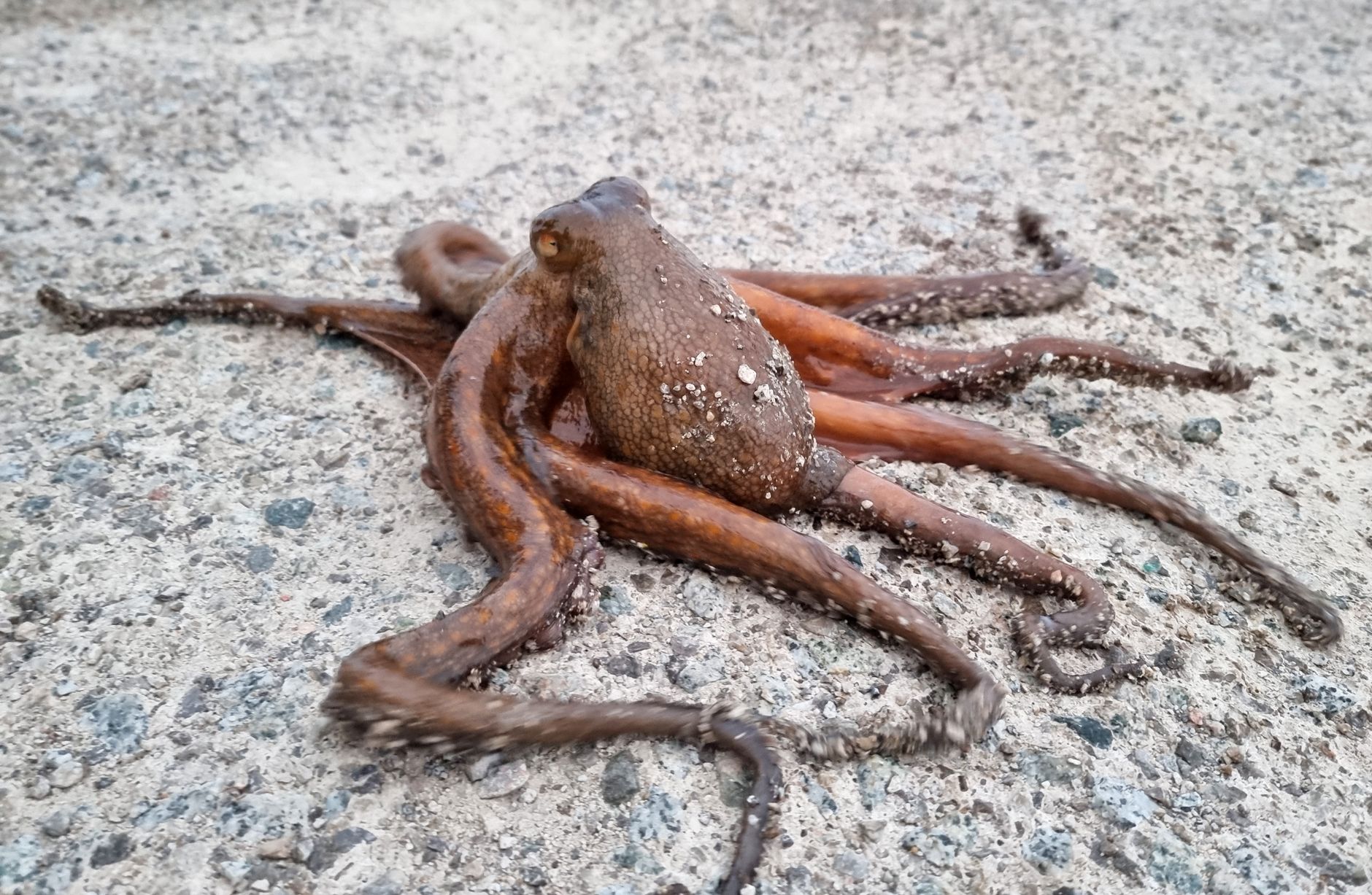
Octopus lifespan varies significantly depending on the species and environmental conditions. Understanding these contributing factors is crucial to appreciating the limits of their longevity.
-
Species: Different octopus species possess inherently different lifespans. Some species, such as the pygmy octopus (Octopus joubini), live for as little as six months, while others, like the Giant Pacific Octopus (Enteroctopus dofleini), can live for several years.
-
Environmental Factors: Water temperature, food availability, predation pressure, and habitat quality all play a crucial role in determining how long an octopus will live. Stressful conditions can shorten lifespan.
-
Reproductive Strategy: Most octopuses are semelparous, meaning they reproduce only once in their lifetime. After laying eggs, the female typically dies, marking the end of their natural lifecycle. The male also typically dies soon after mating.
The Reigning Champion: The Giant Pacific Octopus
When considering how old was the longest living octopus, the Giant Pacific Octopus emerges as the prime candidate. This impressive species, found in the cold waters of the North Pacific, holds the record for the largest octopus species, and they also exhibit a relatively long lifespan compared to other octopuses.
-
Verified Age: Scientists generally agree that the Giant Pacific Octopus can live for approximately three to five years in the wild. Captive specimens have been known to live slightly longer under optimal conditions.
-
Size and Growth: These octopuses can grow to impressive sizes, with arm spans exceeding 30 feet and weights of over 600 pounds. Their rapid growth rate contributes to their relatively short but intense lifespan.
-
Reproduction and Death: As semelparous animals, Giant Pacific Octopuses dedicate their final months to reproduction. The female octopus lays thousands of eggs and diligently guards them, ceasing to eat during this period. After the eggs hatch, she dies. The male also typically dies soon after mating.
Unverified Claims and Anecdotal Evidence
While the scientific consensus points to the Giant Pacific Octopus as potentially the longest living octopus, it’s important to acknowledge anecdotal evidence and unverified claims that occasionally surface.
-
Historical Accounts: Stories of octopuses living for longer than five years are sometimes reported, but these accounts lack the scientific rigor necessary for verification.
-
Challenges in Age Determination: Determining the exact age of an octopus in the wild is challenging. Researchers rely on indirect methods, such as analyzing growth rings in their beaks, which can be subject to error.
Why Octopuses Have Short Lifespans
Several factors contribute to the relatively short lifespan of octopuses, even the longest living octopus species.
-
High Metabolic Rate: Octopuses have a high metabolic rate, which means they expend a lot of energy to fuel their active lifestyle. This rapid energy expenditure may contribute to a shorter lifespan.
-
Lack of Skeletal Structure: The absence of a skeletal structure makes octopuses vulnerable to injury. Injuries can lead to infections and reduced lifespan.
-
Reproductive Sacrifice: The semelparous reproductive strategy, where octopuses reproduce only once and then die, is a major factor limiting their lifespan.
The Importance of Research and Conservation
Understanding the lifespan of octopuses is essential for their conservation. As human activities continue to impact marine ecosystems, it is crucial to protect these intelligent and fascinating creatures.
-
Monitoring Populations: Tracking octopus populations and monitoring their health is vital for identifying potential threats and implementing conservation measures.
-
Protecting Habitats: Preserving the habitats of octopuses, such as coral reefs and kelp forests, is crucial for ensuring their survival.
-
Sustainable Fishing Practices: Implementing sustainable fishing practices can help prevent overfishing of octopuses and protect their food sources.

Frequently Asked Questions (FAQs)
What is the average lifespan of an octopus?
The average lifespan of an octopus varies greatly depending on the species. Some species live for only six months to a year, while others, like the Giant Pacific Octopus, can live for three to five years.
Is it possible for an octopus to live longer than five years?
While there have been anecdotal reports of octopuses living longer than five years, there is no scientifically verified evidence to support these claims. The Giant Pacific Octopus is the species most often associated with longer lifespans.
How do scientists determine the age of an octopus?
Scientists use various methods to estimate the age of an octopus, including analyzing growth rings in their beaks and statoliths (ear bones). These methods are not always precise, and age determination can be challenging.
Do octopuses die immediately after laying eggs?
Female octopuses typically die after laying eggs and caring for them. This is a semelparous reproductive strategy, where they dedicate all their resources to reproduction and then die.
Why do male octopuses die after mating?
Male octopuses often die soon after mating due to stress, exhaustion, and reduced immune function. They also typically cease feeding after mating.
Are octopuses considered to be intelligent animals?
Yes, octopuses are considered to be among the most intelligent invertebrates. They exhibit complex problem-solving skills, can learn through observation, and have been known to escape from tanks and manipulate objects.
What is the largest octopus species?
The Giant Pacific Octopus is the largest octopus species. They can grow to have arm spans exceeding 30 feet and weigh over 600 pounds.
What is the smallest octopus species?
The pygmy octopus (Octopus joubini) is one of the smallest octopus species, reaching only a few inches in length.
Where do octopuses live?
Octopuses are found in oceans around the world, from shallow coastal waters to deep sea environments. They inhabit a variety of habitats, including coral reefs, rocky shores, and kelp forests.
What do octopuses eat?
Octopuses are carnivores and prey on a variety of animals, including crabs, shrimp, fish, and other invertebrates. They use their strong beaks to crush shells and their venom to subdue prey.
Are octopuses endangered?
Some octopus species are threatened by habitat loss, overfishing, and pollution. However, most octopus species are not currently considered to be endangered. Ongoing monitoring and conservation efforts are essential to protect these fascinating creatures.
What is the most interesting fact about octopus life?
Perhaps one of the most captivating aspects of octopus life is the trade-off between remarkable intelligence and a fleeting existence. Even the longest living octopus species, despite their cognitive prowess, are ultimately constrained by a relatively short lifespan, making their achievements all the more impressive. Their ability to adapt, learn, and solve complex problems within such a limited time is a testament to the extraordinary evolutionary journey of these captivating cephalopods.