

How Often Should You Deep Clean a Koi Pond?
Deep cleaning a koi pond is crucial for its health and the well-being of your fish. A healthy, vibrant pond requires regular maintenance, and the frequency of deep cleaning is best determined by factors such as pond size, fish population, and filtration system effectiveness. However, a general rule of thumb is once or twice a year for optimal results.

Understanding the Need for Deep Cleaning
Koi ponds, beautiful as they are, are self-contained ecosystems. Unlike natural bodies of water, they rely entirely on their owner for maintenance. Over time, organic waste from fish, decaying plants, and accumulated debris builds up, creating an unhealthy environment.
The Benefits of Regular Deep Cleaning
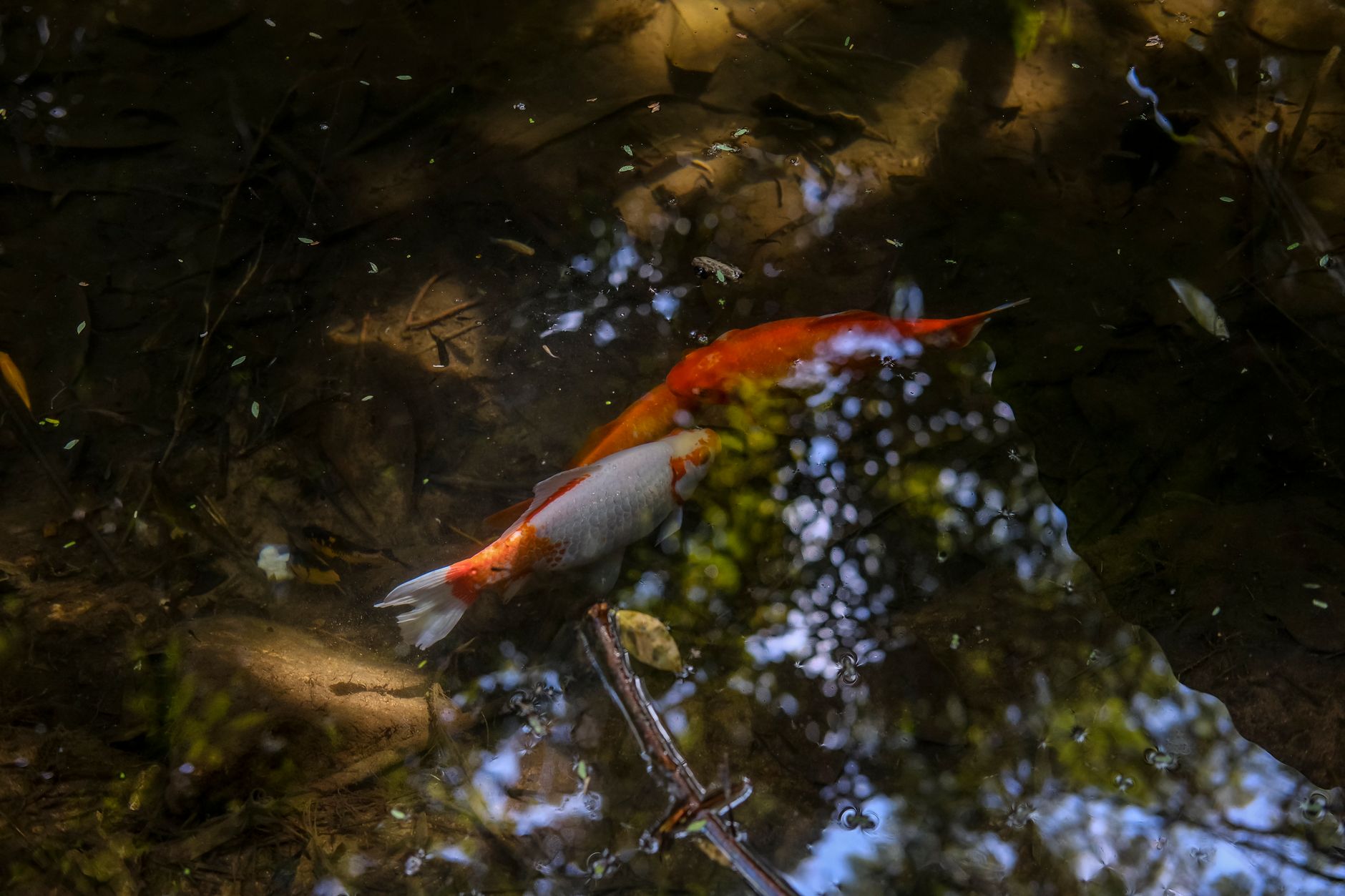
A deep clean offers numerous advantages for your koi and the overall health of your pond ecosystem:
- Improved Water Quality: Removes harmful substances like ammonia, nitrites, and nitrates, which can stress or even kill koi.
- Disease Prevention: Eliminates breeding grounds for harmful bacteria and parasites.
- Enhanced Aesthetics: Clears algae, sediment, and debris, restoring the pond’s visual appeal.
- Extended Pond Life: Reduces wear and tear on filtration systems and pond liners.
- Healthier Koi: Promotes vibrant colors, increased activity, and improved overall health in your koi.
The Deep Cleaning Process: A Step-by-Step Guide
Deep cleaning isn’t just about draining the pond. It’s a comprehensive process:
- Prepare a Temporary Holding Tank: A large, aerated container is essential for temporarily housing your koi. Ensure the water in the tank is dechlorinated and similar in temperature to the pond water.
- Carefully Transfer Your Koi: Gently net your koi and transfer them to the holding tank, minimizing stress.
- Drain the Pond: Use a pond pump to drain the water, leaving a few inches at the bottom for any remaining fish and to avoid damaging the liner.
- Remove Debris: Scoop out any remaining leaves, sludge, and debris.
- Clean the Liner: Use a soft brush or power washer (on a low setting) to clean the liner, being careful not to damage it. Avoid harsh chemicals or soaps.
- Clean Filtration Systems: Thoroughly clean your filters, pumps, and skimmers. Replace filter media as needed.
- Refill the Pond: Slowly refill the pond with dechlorinated water, ensuring the temperature is similar to the holding tank.
- Acclimatize Your Koi: Gradually introduce your koi back into the pond, allowing them to adjust to the new water. Monitor them closely for signs of stress.
- Restart Filtration System: Once the pond is filled, restart your filtration system and add beneficial bacteria to help re-establish the biological balance.
Factors Influencing Deep Cleaning Frequency
The optimal deep cleaning frequency varies based on several factors:
- Pond Size: Smaller ponds tend to accumulate waste faster than larger ponds, requiring more frequent cleaning.
- Fish Population: A higher density of fish means more waste production, necessitating more frequent cleaning.
- Filtration System: A robust and well-maintained filtration system can significantly reduce the need for deep cleaning.
- Feeding Habits: Overfeeding contributes to excess waste. Adjust feeding amounts to minimize uneaten food.
- Plant Life: Excessive plant growth can lead to increased organic matter and a need for more frequent cleaning.
- Seasonal Changes: Fall is a particularly important time to deep clean, as decaying leaves contribute to excess waste.
Common Mistakes to Avoid
Deep cleaning can be stressful for your koi if not done correctly. Avoid these common mistakes:
- Using Harsh Chemicals: Never use harsh chemicals or soaps to clean your pond, as they can harm your koi.
- Damaging the Liner: Be gentle when cleaning the liner to avoid punctures or tears.
- Failing to Acclimatize Koi: Drastic changes in water temperature or chemistry can shock your koi.
- Ignoring the Filtration System: Neglecting your filtration system defeats the purpose of deep cleaning.
- Overfeeding: Overfeeding contributes to waste and can negate the benefits of cleaning.
| Factor | Impact on Cleaning Frequency |
|---|---|
| Pond Size | Smaller = More Frequent |
| Fish Population | Higher = More Frequent |
| Filtration System | Less Effective = More Frequent |
| Feeding Habits | Overfeeding = More Frequent |
| Plant Life | Excessive = More Frequent |
| Seasonal Changes | Fall = Crucial |
Maintaining Water Quality Between Deep Cleanings
Between deep cleanings, focus on maintaining good water quality:
- Regular Water Changes: Perform partial water changes (10-20%) weekly or bi-weekly.
- Filter Maintenance: Regularly clean and maintain your filtration system.
- Remove Debris: Skim leaves and debris from the surface daily.
- Monitor Water Parameters: Regularly test your water for ammonia, nitrites, and nitrates.
- Appropriate Feeding: Feed your koi a high-quality diet in appropriate amounts.
Professional Help
If you’re unsure about any aspect of deep cleaning, consider consulting a professional pond maintenance service. They can provide expert advice and assistance to ensure your koi pond remains healthy and vibrant. Understanding How often should you deep clean a koi pond? along with the other factors will make for a healthier pond.

Frequently Asked Questions (FAQs)
How often should I perform partial water changes?
Partial water changes of 10-20% should be done weekly or bi-weekly to help maintain optimal water quality and reduce the build-up of harmful substances. This is a crucial step in between deep cleanings.
What are the signs that my koi pond needs a deep clean?
Signs include cloudy or green water, excessive algae growth, foul odors, sluggish koi behavior, and consistently high levels of ammonia, nitrites, or nitrates. If you are regularly observing any of these signs it means How often should you deep clean a koi pond? might be increased.
Can I deep clean my koi pond too often?
Yes, over-cleaning can disrupt the biological balance of your pond. It’s important to allow beneficial bacteria to establish themselves. Deep cleaning more than twice a year is generally unnecessary unless there are specific issues.
What is the best time of year to deep clean my koi pond?
Spring and fall are generally the best times. Spring cleaning helps remove accumulated winter debris, while fall cleaning prepares the pond for winter. In the fall, you must remove leaves because How often should you deep clean a koi pond? depends on the amount of debris.
What type of water should I use to refill my koi pond after cleaning?
Use dechlorinated tap water or well water. Never use untreated tap water, as chlorine and chloramine are toxic to koi.
How long does it take to deep clean a koi pond?
The time required varies depending on the size of the pond and the amount of debris. It can take anywhere from several hours to a full day.
Do I need to remove all the water during a deep clean?
Removing all the water is generally recommended for a thorough deep clean. However, leaving a small amount can help preserve some beneficial bacteria, it will need to be cleaned either way.
How can I minimize stress on my koi during a deep clean?
Minimize stress by handling koi gently, maintaining consistent water temperature, and providing adequate aeration in the holding tank. Be sure not to overcrowd your fish in the holding tank.
What should I do with my aquatic plants during a deep clean?
Remove aquatic plants and trim away any dead or decaying foliage. Clean the pots or baskets and replant them after the pond is refilled.
How do I know if my filtration system is adequate for my koi pond?
An adequate filtration system should keep your water clear, maintain stable water parameters, and prevent excessive algae growth. If you frequently encounter water quality problems, you may need to upgrade your filtration system. You might also need to rethink How often should you deep clean a koi pond?
Can I use a power washer to clean my pond liner?
Yes, but use a low-pressure setting and be careful not to damage the liner. Avoid spraying directly at sensitive areas, such as seams or patches.
How long after refilling the pond can I add beneficial bacteria?
Add beneficial bacteria immediately after refilling the pond. This will help re-establish the biological balance and prevent ammonia spikes. Following this step is vital for ensuring How often should you deep clean a koi pond? stays at its regular frequency.